

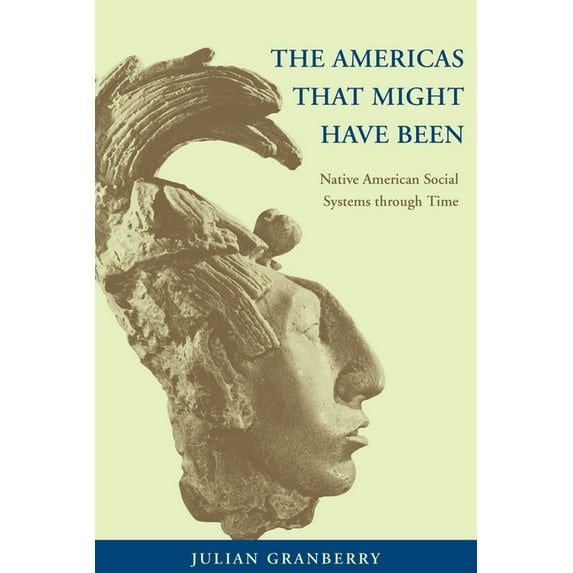
The Americas That Might Have Been : Native American Social Systems through Time (Paperback)
(No ratings yet)
Key item features
Imagines the development of the Western Hemisphere without European contact and colonization
This work answers the hypothetical question: What would the Americas be like today—politically, economically, culturally—if Columbus and the Europeans had never found them, and how would American peoples interact with the world’s other societies? It assumes that Columbus did not embark from Spain in 1492 and that no Europeans found or settled the New World afterward, leaving the peoples of the two American continents free to follow the natural course of their Native lives.
The Americas That Might Have Been is a professional but layman-accessible, fact-based, nonfiction account of the major Native American political states that were thriving in the New World in 1492. Granberry considers a contemporary New World in which the glories of Aztec Mexico, Maya Middle America, and Inca Peru survived intact. He imagines the roles that the Iroquois Confederacy of the American Northeast, the powerful city-states along the Mississippi River in the Midwest and Southeast, the Navajo Nation and the Pueblo culture of the Southwest, the Eskimo Nation in the Far North, and the Taino/Arawak chiefdoms of the Caribbean would play in American and world politics in the 21st Century.
Following a critical examination of the data using empirical archaeology, linguistics, and ethnohistory, Granberry presents a reasoned and compelling discussion of native cultures and the paths they would have logically taken over the past five centuries. He reveals the spectacular futures these brilliant pre-Columbian societies might have had, if not for one epochal meeting that set off a chain of events so overwhelming to them that the course of human history was forever changed.
This work answers the hypothetical question: What would the Americas be like today—politically, economically, culturally—if Columbus and the Europeans had never found them, and how would American peoples interact with the world’s other societies? It assumes that Columbus did not embark from Spain in 1492 and that no Europeans found or settled the New World afterward, leaving the peoples of the two American continents free to follow the natural course of their Native lives.
The Americas That Might Have Been is a professional but layman-accessible, fact-based, nonfiction account of the major Native American political states that were thriving in the New World in 1492. Granberry considers a contemporary New World in which the glories of Aztec Mexico, Maya Middle America, and Inca Peru survived intact. He imagines the roles that the Iroquois Confederacy of the American Northeast, the powerful city-states along the Mississippi River in the Midwest and Southeast, the Navajo Nation and the Pueblo culture of the Southwest, the Eskimo Nation in the Far North, and the Taino/Arawak chiefdoms of the Caribbean would play in American and world politics in the 21st Century.
Following a critical examination of the data using empirical archaeology, linguistics, and ethnohistory, Granberry presents a reasoned and compelling discussion of native cultures and the paths they would have logically taken over the past five centuries. He reveals the spectacular futures these brilliant pre-Columbian societies might have had, if not for one epochal meeting that set off a chain of events so overwhelming to them that the course of human history was forever changed.
Specs
- Book formatPaperback
- Fiction/nonfictionNon-Fiction
- GenreHistory
- Publication dateApril, 2005
- Pages240
- Edition2nd ed.
Current price is USD$33.95
Price when purchased online
- Free shipping
 Free 30-day returns
How do you want your item?
Columbus, 43215
Arrives between May 15 - May 22
|
Sold and shipped by newbookdeals
4.557721908671113 stars out of 5, based on 1949 seller reviews(4.6)1949 seller reviews

Free 30-day returns
About this item
Product details
Imagines the development of the Western Hemisphere without European contact and colonization
Imagines the development of the Western Hemisphere without European contact and colonization
This work answers the hypothetical question: What would the Americas be like today—politically, economically, culturally—if Columbus and the Europeans had never found them, and how would American peoples interact with the world’s other societies? It assumes that Columbus did not embark from Spain in 1492 and that no Europeans found or settled the New World afterward, leaving the peoples of the two American continents free to follow the natural course of their Native lives.
The Americas That Might Have Been is a professional but layman-accessible, fact-based, nonfiction account of the major Native American political states that were thriving in the New World in 1492. Granberry considers a contemporary New World in which the glories of Aztec Mexico, Maya Middle America, and Inca Peru survived intact. He imagines the roles that the Iroquois Confederacy of the American Northeast, the powerful city-states along the Mississippi River in the Midwest and Southeast, the Navajo Nation and the Pueblo culture of the Southwest, the Eskimo Nation in the Far North, and the Taino/Arawak chiefdoms of the Caribbean would play in American and world politics in the 21st Century.
Following a critical examination of the data using empirical archaeology, linguistics, and ethnohistory, Granberry presents a reasoned and compelling discussion of native cultures and the paths they would have logically taken over the past five centuries. He reveals the spectacular futures these brilliant pre-Columbian societies might have had, if not for one epochal meeting that set off a chain of events so overwhelming to them that the course of human history was forever changed.
This work answers the hypothetical question: What would the Americas be like today—politically, economically, culturally—if Columbus and the Europeans had never found them, and how would American peoples interact with the world’s other societies? It assumes that Columbus did not embark from Spain in 1492 and that no Europeans found or settled the New World afterward, leaving the peoples of the two American continents free to follow the natural course of their Native lives.
The Americas That Might Have Been is a professional but layman-accessible, fact-based, nonfiction account of the major Native American political states that were thriving in the New World in 1492. Granberry considers a contemporary New World in which the glories of Aztec Mexico, Maya Middle America, and Inca Peru survived intact. He imagines the roles that the Iroquois Confederacy of the American Northeast, the powerful city-states along the Mississippi River in the Midwest and Southeast, the Navajo Nation and the Pueblo culture of the Southwest, the Eskimo Nation in the Far North, and the Taino/Arawak chiefdoms of the Caribbean would play in American and world politics in the 21st Century.
Following a critical examination of the data using empirical archaeology, linguistics, and ethnohistory, Granberry presents a reasoned and compelling discussion of native cultures and the paths they would have logically taken over the past five centuries. He reveals the spectacular futures these brilliant pre-Columbian societies might have had, if not for one epochal meeting that set off a chain of events so overwhelming to them that the course of human history was forever changed.
info:
We aim to show you accurate product information. Manufacturers, suppliers and others provide what you see here, and we have not verified it.
Specifications
Book format
Paperback
Fiction/nonfiction
Non-Fiction
Genre
History
Publication date
April, 2005
Warranty
Warranty information
Please be aware that the warranty terms on items offered for sale by third party Marketplace sellers may differ from those displayed in this section (if any). To confirm warranty terms on an item offered for sale by a third party Marketplace seller, please use the 'Contact seller' feature on the third party Marketplace seller's information page and request the item's warranty terms prior to purchase.
Similar items you might like
Based on what customers bought
Medicine River: A Story of Survival and the Legacy of Indian Boarding Schools, (Hardcover) $16.81
 $1681current price $16.81
Medicine River: A Story of Survival and the Legacy of Indian Boarding Schools, (Hardcover)
15 out of 5 Stars. 1 reviewsAntiquities of the Southern Indians, Particularly of the Georgia Tribes, (Paperback) $31.05
 $3105current price $31.05
Antiquities of the Southern Indians, Particularly of the Georgia Tribes, (Paperback)
ElegÃas De Varones Ilustres De Indias, (Paperback) $29.95
 $2995current price $29.95
ElegÃas De Varones Ilustres De Indias, (Paperback)
The American Indians: North of Mexico, (Paperback) $33.99
 $3399current price $33.99
The American Indians: North of Mexico, (Paperback)
California Indian Languages, (Paperback) $34.52
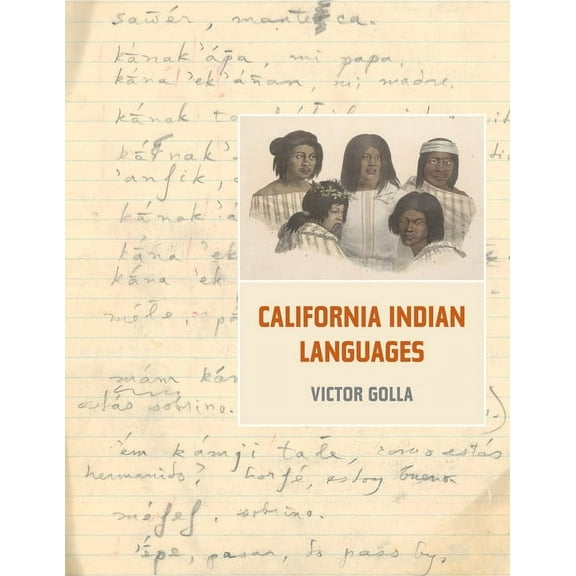 $3452current price $34.52
California Indian Languages, (Paperback)
American History (Paperback) $22.95
 $2295current price $22.95
American History (Paperback)
Comanches T R Fehrenbach (Paperback) $23.03
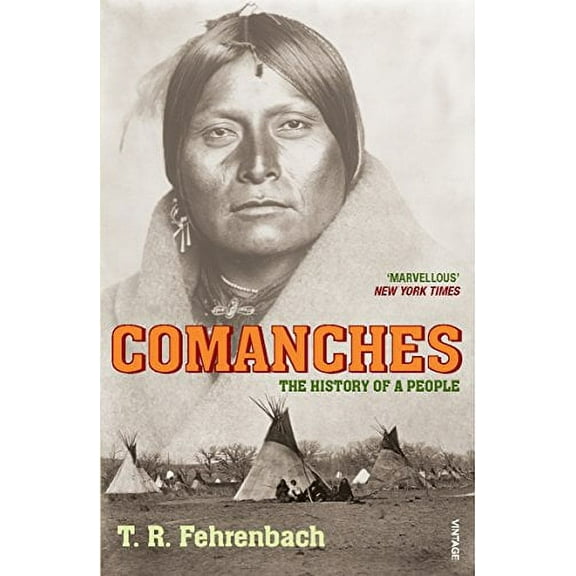 $2303current price $23.03
Comanches T R Fehrenbach (Paperback)
We Know Who We Are: Métis Identity in a Montana Community, (Paperback) $18.89
 $1889current price $18.89
We Know Who We Are: Métis Identity in a Montana Community, (Paperback)
Mint Editions (Native Stories, Indigenou Memories of an Indian Boyhood, (Paperback) $10.14
 $1014current price $10.14
Mint Editions (Native Stories, Indigenou Memories of an Indian Boyhood, (Paperback)
Indigenous Missourians: Ancient Societies to the Present, (Paperback) $27.62
 $2762current price $27.62
Indigenous Missourians: Ancient Societies to the Present, (Paperback)
Pre-Owned Corn Dance: Inspired First American Cuisine, 9780806190785, 0806190787, Hardcover, $21.74
 $2174current price $21.74
Pre-Owned Corn Dance: Inspired First American Cuisine, 9780806190785, 0806190787, Hardcover,
Indigenous Borderlands : Native Agency, Resilience, and Power in the Americas (Paperback) $27.19
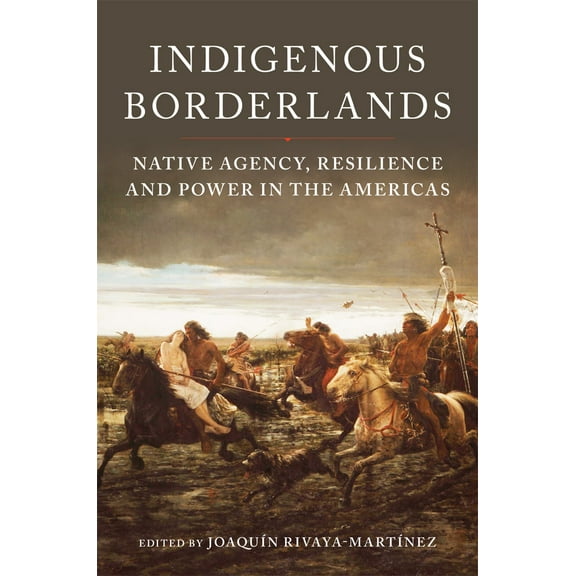 $2719current price $27.19
Indigenous Borderlands : Native Agency, Resilience, and Power in the Americas (Paperback)
Travels in America (Paperback) $20.95
 $2095current price $20.95
Travels in America (Paperback)
The Pueblo Revolt, (Paperback) $8.18
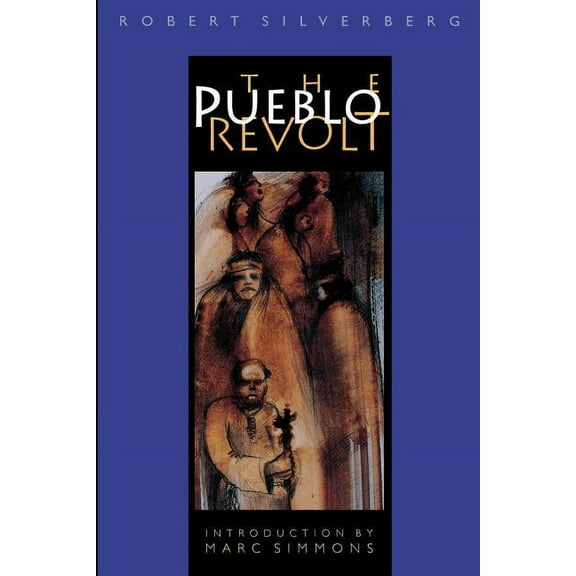 $818current price $8.18
The Pueblo Revolt, (Paperback)
Leif the Lucky, Discoverer of America, (Paperback) $18.19
 $1819current price $18.19
Leif the Lucky, Discoverer of America, (Paperback)
The History, Manners and Customs of the North American Indians (Paperback) $22.95
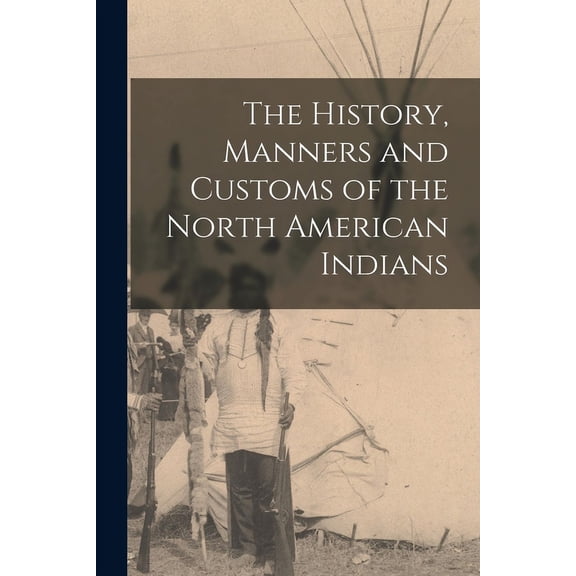 $2295current price $22.95
The History, Manners and Customs of the North American Indians (Paperback)
The Indian: America's Unfinished Business, (Paperback) $30.82
 $3082current price $30.82
The Indian: America's Unfinished Business, (Paperback)
The Benin Massacre (Paperback) $26.32
 $2632current price $26.32
The Benin Massacre (Paperback)

Customer ratings & reviews
0 ratings|0 reviews
This item does not have any reviews yet

Related pages
- Aleutian Names General African History Books
- Black Settlements Ethnic Studies Books
- North East African Countries
- North African History Books
- Best Sellers In West African History
- Central African History Books
- American Expression
- South Africa Capital
- African American Literary Criticism Books
- African History Kids' Books
- Emigration & Immigration Social Themes Teen & Young Adult Books
- Native American History Books