


The Fall of the God of Money : Opium Smoking in Nineteenth-Century China (Hardcover)
(No ratings yet)
Key item features
In this first truly cross-cultural study of opium, Keith McMahon considers the perspectives of both smokers and non-smokers from China and the Euro-West and from both sides of the issue of opium prohibition. The author stages a dramatic confrontation between the Chinese opium user and the Euro-Westerner who saw in opium the image of an uncanny Asiatic menace. Opium was inextricably bound up with generalizations made about teeming Asiatic masses, nightmarish opium sots, effeminate Chinamen, and orientalized white women. In China, opium—called the Western Drug—was tied to the arrival of Christianity and Western greed. The rise of the opium demon meant the fall of the god of money, that is, Chinese money, and the irreversible trend in which Confucianism gave way to Christianity.
McMahon makes the case for opium smoking as a way of life that, far from being merely wanton, was an entirely reasonable choice in times when smokers could be neither Christian nor Confucian. Opium smoking was a way of inhabiting an era in which traditional loyalties were in critical transition. The author convincingly demonstrates that the current laws against drugs of addiction have their origins in this early modern conflict of cultures and not in any supposed scientific evidence that opium is so definitively worse than alcohol.
The book explores early Western observations of opium smoking, the formation of arguments for and against the legalization of opium, the portrayals of opium smoking in Chinese poetry and prose, and scenes of opium-smoking interactions among male and female smokers and smokers of all social levels in 19th-century China. By providing the first translation ever of a unique 1878 autobiography of a Chinese addict, McMahon is able to explore the opium smoker's own observations on China and opium smoking. No other studies have focused attention so richly on opium smokers, their language, the scenes of their smoking together, their gendered interactions, and their relations with family and society.
McMahon makes the case for opium smoking as a way of life that, far from being merely wanton, was an entirely reasonable choice in times when smokers could be neither Christian nor Confucian. Opium smoking was a way of inhabiting an era in which traditional loyalties were in critical transition. The author convincingly demonstrates that the current laws against drugs of addiction have their origins in this early modern conflict of cultures and not in any supposed scientific evidence that opium is so definitively worse than alcohol.
The book explores early Western observations of opium smoking, the formation of arguments for and against the legalization of opium, the portrayals of opium smoking in Chinese poetry and prose, and scenes of opium-smoking interactions among male and female smokers and smokers of all social levels in 19th-century China. By providing the first translation ever of a unique 1878 autobiography of a Chinese addict, McMahon is able to explore the opium smoker's own observations on China and opium smoking. No other studies have focused attention so richly on opium smokers, their language, the scenes of their smoking together, their gendered interactions, and their relations with family and society.
Specs
- Book formatHardcover
- Fiction/nonfictionNon-Fiction
- Publication dateJune, 2002
- Pages256
- Series titleCulture and Politics
- EditionStandard Edition
More seller options (1)
Starting from $219.01
About this item
Product details
In this first truly cross-cultural study of opium, Keith McMahon considers the perspectives of both smokers and non-smokers from China and the Euro-West and from both sides of the issue of opium prohibition. The author stages a dramatic confrontation between the Chinese opium user and the Euro-Westerner who saw in opium the image of an uncanny Asiatic menace. The rise of the opium demon meant the fall of the god of money, that is, Chinese money, and the irreversible trend in which Confucianism gave way to Christianity. The book explores early Western observations of opium smoking, the formation of arguments for and against the legalization of opium, the portrayals of opium smoking in Chinese poetry and prose, and scenes of opium-smoking interactions among male and female smokers and smokers of all social levels in 19th-century China.
In this first truly cross-cultural study of opium, Keith McMahon considers the perspectives of both smokers and non-smokers from China and the Euro-West and from both sides of the issue of opium prohibition. The author stages a dramatic confrontation between the Chinese opium user and the Euro-Westerner who saw in opium the image of an uncanny Asiatic menace. Opium was inextricably bound up with generalizations made about teeming Asiatic masses, nightmarish opium sots, effeminate Chinamen, and orientalized white women. In China, opium—called the Western Drug—was tied to the arrival of Christianity and Western greed. The rise of the opium demon meant the fall of the god of money, that is, Chinese money, and the irreversible trend in which Confucianism gave way to Christianity.
McMahon makes the case for opium smoking as a way of life that, far from being merely wanton, was an entirely reasonable choice in times when smokers could be neither Christian nor Confucian. Opium smoking was a way of inhabiting an era in which traditional loyalties were in critical transition. The author convincingly demonstrates that the current laws against drugs of addiction have their origins in this early modern conflict of cultures and not in any supposed scientific evidence that opium is so definitively worse than alcohol.
The book explores early Western observations of opium smoking, the formation of arguments for and against the legalization of opium, the portrayals of opium smoking in Chinese poetry and prose, and scenes of opium-smoking interactions among male and female smokers and smokers of all social levels in 19th-century China. By providing the first translation ever of a unique 1878 autobiography of a Chinese addict, McMahon is able to explore the opium smoker's own observations on China and opium smoking. No other studies have focused attention so richly on opium smokers, their language, the scenes of their smoking together, their gendered interactions, and their relations with family and society.
McMahon makes the case for opium smoking as a way of life that, far from being merely wanton, was an entirely reasonable choice in times when smokers could be neither Christian nor Confucian. Opium smoking was a way of inhabiting an era in which traditional loyalties were in critical transition. The author convincingly demonstrates that the current laws against drugs of addiction have their origins in this early modern conflict of cultures and not in any supposed scientific evidence that opium is so definitively worse than alcohol.
The book explores early Western observations of opium smoking, the formation of arguments for and against the legalization of opium, the portrayals of opium smoking in Chinese poetry and prose, and scenes of opium-smoking interactions among male and female smokers and smokers of all social levels in 19th-century China. By providing the first translation ever of a unique 1878 autobiography of a Chinese addict, McMahon is able to explore the opium smoker's own observations on China and opium smoking. No other studies have focused attention so richly on opium smokers, their language, the scenes of their smoking together, their gendered interactions, and their relations with family and society.
info:
We aim to show you accurate product information. Manufacturers, suppliers and others provide what you see here, and we have not verified it.
Specifications
Book format
Hardcover
Fiction/nonfiction
Non-Fiction
Genre
History, Political & Social Sciences
Publication date
June, 2002
Warranty
Warranty information
Please be aware that the warranty terms on items offered for sale by third party Marketplace sellers may differ from those displayed in this section (if any). To confirm warranty terms on an item offered for sale by a third party Marketplace seller, please use the 'Contact seller' feature on the third party Marketplace seller's information page and request the item's warranty terms prior to purchase.
Similar items you might like
Based on what customers bought
History of Medicine in Context The Making of Addiction: The 'Use and Abuse' of Opium in Nineteenth-Century Britain, (Hardcover) $215.86
 $21586current price $215.86
History of Medicine in Context The Making of Addiction: The 'Use and Abuse' of Opium in Nineteenth-Century Britain, (Hardcover)
China's Age of Abundance, (Hardcover) $100.31
 $10031current price $100.31
China's Age of Abundance, (Hardcover)
Heroin Century, (Hardcover) $192.00
 $19200current price $192.00
Heroin Century, (Hardcover)
Empowering China: Half a Century Since Nixon's Opening to China, (Hardcover) $139.72
 $13972current price $139.72
Empowering China: Half a Century Since Nixon's Opening to China, (Hardcover)
My Dear Hemlock, (Hardcover) $25.99
 $2599current price $25.99
My Dear Hemlock, (Hardcover)
Pre-Owned The Duck Commander Devotional: Pink Camo (Hardcover) 1476757984 9781476757988 $3.99
 3 optionsAvailable in additional 3 options$399current price $3.99
Pre-Owned The Duck Commander Devotional: Pink Camo (Hardcover) 1476757984 9781476757988
The Master Plant: Tobacco in Lowland South America, (Hardcover) $133.62
 $13362current price $133.62
The Master Plant: Tobacco in Lowland South America, (Hardcover)
Golden-Silk Smoke : A History of Tobacco in China, 1550–2010 (Edition 1) (Hardcover) $95.75
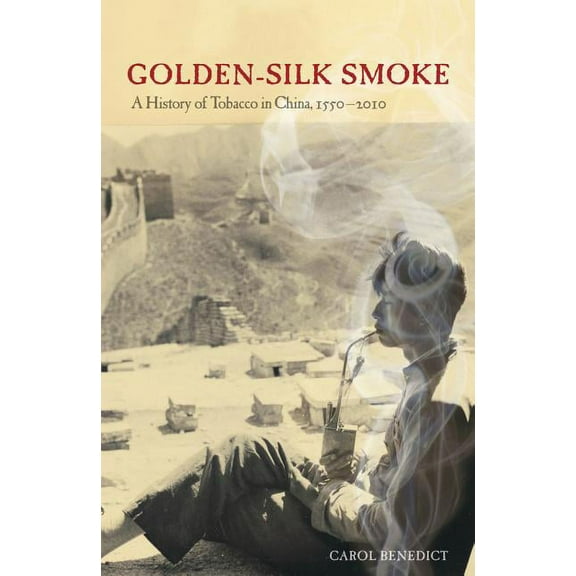 $9575current price $95.75
Golden-Silk Smoke : A History of Tobacco in China, 1550–2010 (Edition 1) (Hardcover)
Modern Weed Control, (Hardcover) $114.10
 $11410current price $114.10
Modern Weed Control, (Hardcover)
Asian Voices Women in Early Medieval China, (Hardcover) $140.69
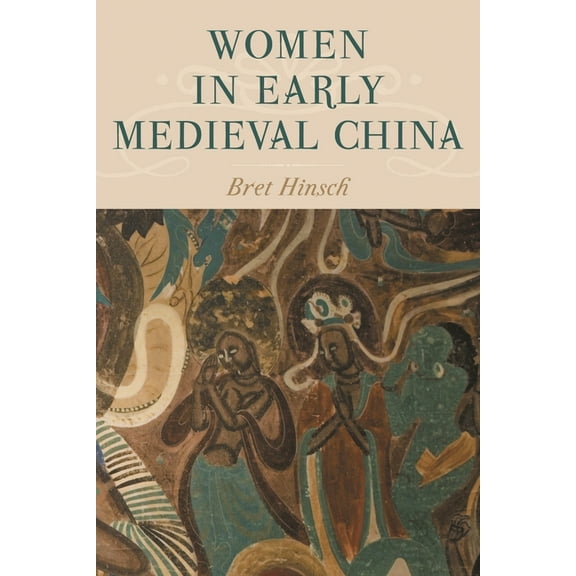 $14069current price $140.69
Asian Voices Women in Early Medieval China, (Hardcover)
Out of China: Responsible Port Innovation along the 21st Century Silk Road (Hardcover) $130.72
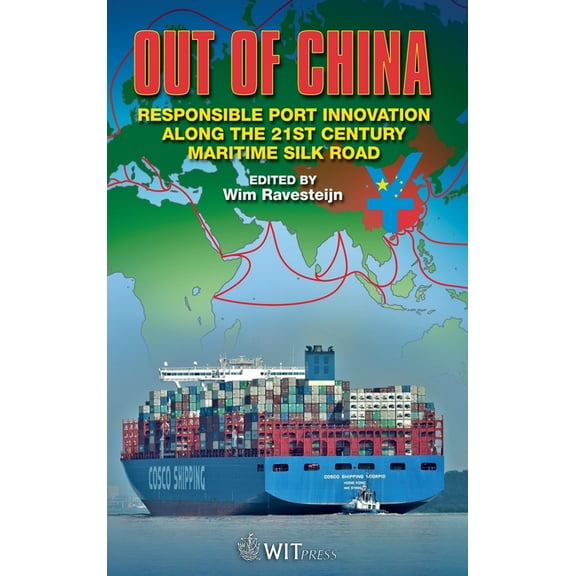 $13072current price $130.72
Out of China: Responsible Port Innovation along the 21st Century Silk Road (Hardcover)
After Tobacco: What Would Happen If Americans Stopped Smoking?, (Hardcover) $110.01
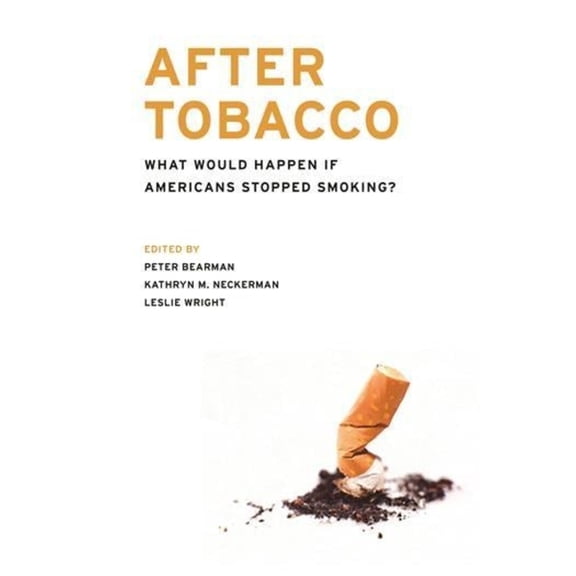 $11001current price $110.01
After Tobacco: What Would Happen If Americans Stopped Smoking?, (Hardcover)
Trends and Determinants of Healthy Aging in China, (Hardcover) $133.97
 $13397current price $133.97
Trends and Determinants of Healthy Aging in China, (Hardcover)
When America First Met China: An Exotic History of Tea, Drugs, and Money in the Age of Sail (Hardcover) $22.62
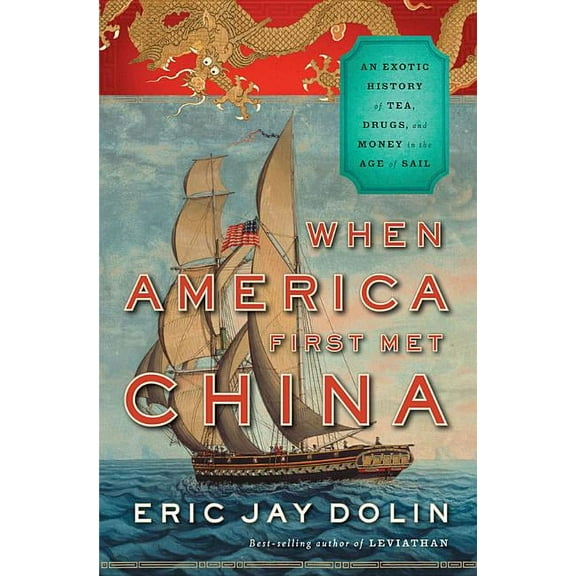 $2262current price $22.62
When America First Met China: An Exotic History of Tea, Drugs, and Money in the Age of Sail (Hardcover)
Thinking Through China, (Hardcover) $119.00
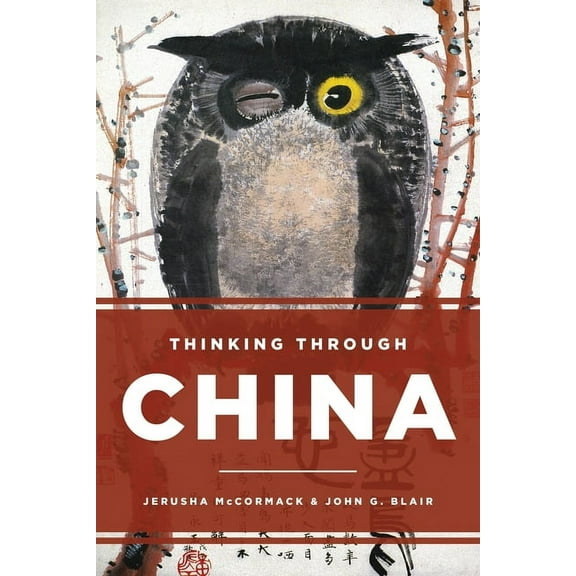 $11900current price $119.00
Thinking Through China, (Hardcover)
Biohacked: China's Race to Control Life, (Hardcover) $14.94
 $1494current price $14.94
Biohacked: China's Race to Control Life, (Hardcover)
The Rise and Progress of British Opium Smuggling: The Illegality of the East India Company's Monopoly of the Drug; and I, (Hardcover) $32.94
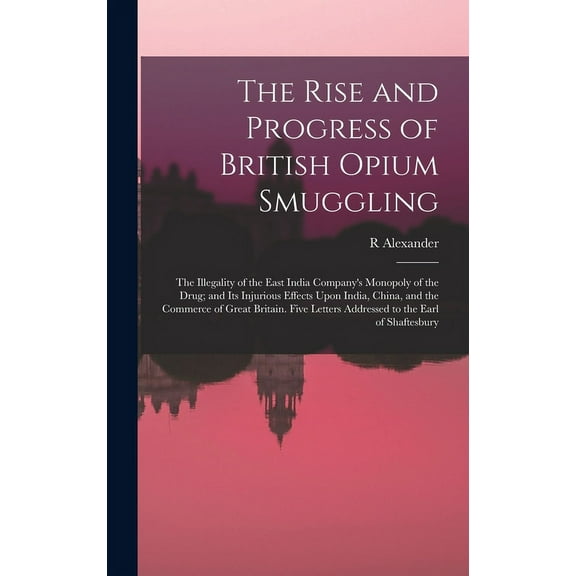 $3294current price $32.94
The Rise and Progress of British Opium Smuggling: The Illegality of the East India Company's Monopoly of the Drug; and I, (Hardcover)
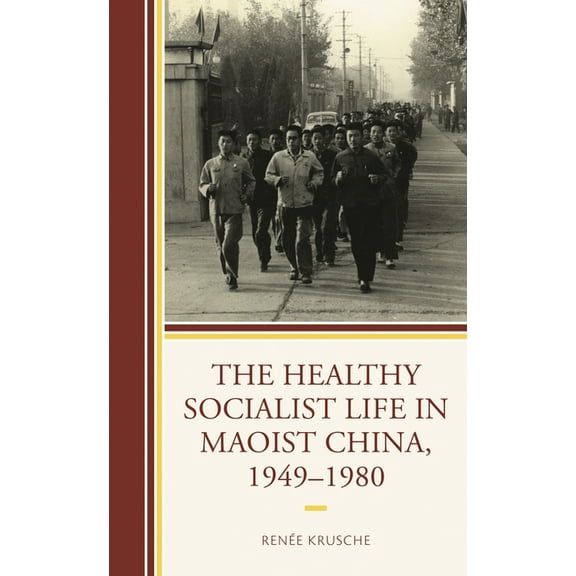
Healthy Socialist Life in Maoist China, 1949-1980, (Hardcover) $108.98
 $10898current price $108.98
Healthy Socialist Life in Maoist China, 1949-1980, (Hardcover)
On the Protracted War, (Hardcover) $31.93
 $3193current price $31.93
On the Protracted War, (Hardcover)
China: The Hardening State, (Hardcover) $79.00
 $7900current price $79.00
China: The Hardening State, (Hardcover)
Customer ratings & reviews
0 ratings|0 reviews
This item does not have any reviews yet
