

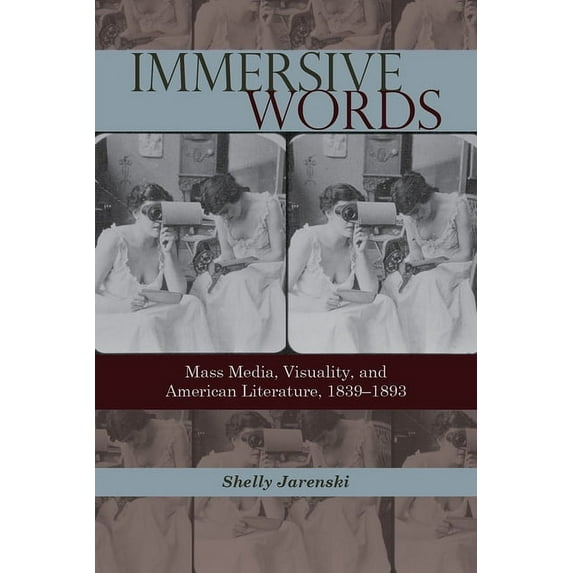
Hero image 0 of Immersive Words : Mass Media, Visuality, and American Literature, 1839–1893 (Edition 1) (Hardcover), 0 of 1
Immersive Words : Mass Media, Visuality, and American Literature, 1839–1893 (Edition 1) (Hardcover)
(No ratings yet)
Key item features
In Immersive Words, Michelle Jarenski demonstrates that the contemporary challenge that visual images and virtual environments in cinema and photography, on the web, and in video games pose to reading and writing are not uniquely contemporary developments but equally exercised the imaginations, anxieties, and works of nineteenth-century authors.
The middle of the nineteenth century witnessed the emergence of numerous visual technologies and techniques: the daguerreotype, immersive exhibition spaces such as cycloramas and panoramas, mechanized tourism, and large-scale exhibitions and spectacles such as the World’s Fair. In closely argued chapters devoted to these four visual forms, Jarenski demonstrates that the popularity of these novelties catalyzed a shift by authors of the period beyond narratives that merely described images to ones that invoked aesthetic experiences.
Jarenski describes how Herman Melville adapts the aesthetic of the daguerreotype through his use of dramatic point-of-view and unexpected shifts that disorient readers. Frederick Douglass is shown to appropriate a panoramic aesthetic that severs spatial and temporal narratives from standard expectations. Jarenski traces how Nathaniel Hawthorne’s The Marble Faun found success as a travel guide to Rome, though intended as a work of serious fiction. Finally, Sarah Orne Jewett is shown to simulate the interactivity of the World Columbian Exposition to promote racialized and gendered forms of aesthetic communication. These techniques and strategies drawn from visual forms blur the just-so boundary critics and theorists have traditionally drawn between text and image.
In the mid-nineteenth century, the national identity of the United States remained fluid and hinged upon matters of gender, sexuality, and, crucially, race. Authors both reflected that evolving identity and contributed to its ongoing evolution. In demonstrating how the aesthetic and visual technologies of the nineteenth century changed the fundamental aesthetics of American literature, the importance of Immersive Words goes far beyond literary criticism.
The middle of the nineteenth century witnessed the emergence of numerous visual technologies and techniques: the daguerreotype, immersive exhibition spaces such as cycloramas and panoramas, mechanized tourism, and large-scale exhibitions and spectacles such as the World’s Fair. In closely argued chapters devoted to these four visual forms, Jarenski demonstrates that the popularity of these novelties catalyzed a shift by authors of the period beyond narratives that merely described images to ones that invoked aesthetic experiences.
Jarenski describes how Herman Melville adapts the aesthetic of the daguerreotype through his use of dramatic point-of-view and unexpected shifts that disorient readers. Frederick Douglass is shown to appropriate a panoramic aesthetic that severs spatial and temporal narratives from standard expectations. Jarenski traces how Nathaniel Hawthorne’s The Marble Faun found success as a travel guide to Rome, though intended as a work of serious fiction. Finally, Sarah Orne Jewett is shown to simulate the interactivity of the World Columbian Exposition to promote racialized and gendered forms of aesthetic communication. These techniques and strategies drawn from visual forms blur the just-so boundary critics and theorists have traditionally drawn between text and image.
In the mid-nineteenth century, the national identity of the United States remained fluid and hinged upon matters of gender, sexuality, and, crucially, race. Authors both reflected that evolving identity and contributed to its ongoing evolution. In demonstrating how the aesthetic and visual technologies of the nineteenth century changed the fundamental aesthetics of American literature, the importance of Immersive Words goes far beyond literary criticism.
Specs
- Book formatHardcover
- Fiction/nonfictionNon-Fiction
- GenreLiterature & Fiction
- Publication dateApril, 2015
- Pages248
- SubgenreGeneral
Current price is USD$60.05
Price when purchased online
- Free shipping
 Free 30-day returns
How do you want your item?
Columbus, 43215
Arrives between May 15 - May 21
|
Sold and shipped by newbookdeals
4.557105943152455 stars out of 5, based on 1935 seller reviews(4.6)1935 seller reviews

Free 30-day returns
About this item
Product details
Immersive Words traces how innovations in visual practices and aesthetics in the nineteenth century changed the aesthetics of American literature with profound consequences for America’s evolving national identity.
In Immersive Words, Michelle Jarenski demonstrates that the contemporary challenge that visual images and virtual environments in cinema and photography, on the web, and in video games pose to reading and writing are not uniquely contemporary developments but equally exercised the imaginations, anxieties, and works of nineteenth-century authors.
The middle of the nineteenth century witnessed the emergence of numerous visual technologies and techniques: the daguerreotype, immersive exhibition spaces such as cycloramas and panoramas, mechanized tourism, and large-scale exhibitions and spectacles such as the World’s Fair. In closely argued chapters devoted to these four visual forms, Jarenski demonstrates that the popularity of these novelties catalyzed a shift by authors of the period beyond narratives that merely described images to ones that invoked aesthetic experiences.
Jarenski describes how Herman Melville adapts the aesthetic of the daguerreotype through his use of dramatic point-of-view and unexpected shifts that disorient readers. Frederick Douglass is shown to appropriate a panoramic aesthetic that severs spatial and temporal narratives from standard expectations. Jarenski traces how Nathaniel Hawthorne’s The Marble Faun found success as a travel guide to Rome, though intended as a work of serious fiction. Finally, Sarah Orne Jewett is shown to simulate the interactivity of the World Columbian Exposition to promote racialized and gendered forms of aesthetic communication. These techniques and strategies drawn from visual forms blur the just-so boundary critics and theorists have traditionally drawn between text and image.
In the mid-nineteenth century, the national identity of the United States remained fluid and hinged upon matters of gender, sexuality, and, crucially, race. Authors both reflected that evolving identity and contributed to its ongoing evolution. In demonstrating how the aesthetic and visual technologies of the nineteenth century changed the fundamental aesthetics of American literature, the importance of Immersive Words goes far beyond literary criticism.
The middle of the nineteenth century witnessed the emergence of numerous visual technologies and techniques: the daguerreotype, immersive exhibition spaces such as cycloramas and panoramas, mechanized tourism, and large-scale exhibitions and spectacles such as the World’s Fair. In closely argued chapters devoted to these four visual forms, Jarenski demonstrates that the popularity of these novelties catalyzed a shift by authors of the period beyond narratives that merely described images to ones that invoked aesthetic experiences.
Jarenski describes how Herman Melville adapts the aesthetic of the daguerreotype through his use of dramatic point-of-view and unexpected shifts that disorient readers. Frederick Douglass is shown to appropriate a panoramic aesthetic that severs spatial and temporal narratives from standard expectations. Jarenski traces how Nathaniel Hawthorne’s The Marble Faun found success as a travel guide to Rome, though intended as a work of serious fiction. Finally, Sarah Orne Jewett is shown to simulate the interactivity of the World Columbian Exposition to promote racialized and gendered forms of aesthetic communication. These techniques and strategies drawn from visual forms blur the just-so boundary critics and theorists have traditionally drawn between text and image.
In the mid-nineteenth century, the national identity of the United States remained fluid and hinged upon matters of gender, sexuality, and, crucially, race. Authors both reflected that evolving identity and contributed to its ongoing evolution. In demonstrating how the aesthetic and visual technologies of the nineteenth century changed the fundamental aesthetics of American literature, the importance of Immersive Words goes far beyond literary criticism.
info:
We aim to show you accurate product information. Manufacturers, suppliers and others provide what you see here, and we have not verified it.
Specifications
Book format
Hardcover
Fiction/nonfiction
Non-Fiction
Genre
Literature & Fiction
Publication date
April, 2015
Warranty
Warranty information
Please be aware that the warranty terms on items offered for sale by third party Marketplace sellers may differ from those displayed in this section (if any). To confirm warranty terms on an item offered for sale by a third party Marketplace seller, please use the 'Contact seller' feature on the third party Marketplace seller's information page and request the item's warranty terms prior to purchase.
Similar items you might like
Based on what customers bought
Rahel Niedermann,Orval,Macchiro Bibliomania Master Edition (Hardcover) $52.20
 $5220current price $52.20
Rahel Niedermann,Orval,Macchiro Bibliomania Master Edition (Hardcover)
English Fiction Since 1984: Narrating a Nation, (Hardcover) $56.14
 $5614current price $56.14
English Fiction Since 1984: Narrating a Nation, (Hardcover)
Best seller The Widow: A Novel (Hardcover) $22.38
Best seller $2238current price $22.38
The Widow: A Novel (Hardcover)
3134.7 out of 5 Stars. 313 reviewsFür tot erklärt, (Hardcover) $59.87
 $5987current price $59.87
Für tot erklärt, (Hardcover)
Books and Reading in the Lives of Notable Americans: A Biographical Sourcebook, (Hardcover) $64.26
 $6426current price $64.26
Books and Reading in the Lives of Notable Americans: A Biographical Sourcebook, (Hardcover)
The Jills: A Novel (Hardcover) $19.88
 $1988current price $19.88
The Jills: A Novel (Hardcover)
The Boys´ and Girls´ Herodotus (Hardcover) $64.90
 $6490current price $64.90
The Boys´ and Girls´ Herodotus (Hardcover)
Hemingway in His Own Country, (Hardcover) $43.43
 $4343current price $43.43
Hemingway in His Own Country, (Hardcover)
American Literature Readings in the 21st Contemporary American Memoirs in Action: How to Do Things with Memoir, (Hardcover) $53.47
 $5347current price $53.47
American Literature Readings in the 21st Contemporary American Memoirs in Action: How to Do Things with Memoir, (Hardcover)
A Word to Women (Hardcover) $52.23
 $5223current price $52.23
A Word to Women (Hardcover)
Another America, (Hardcover) $52.42
 $5242current price $52.42
Another America, (Hardcover)
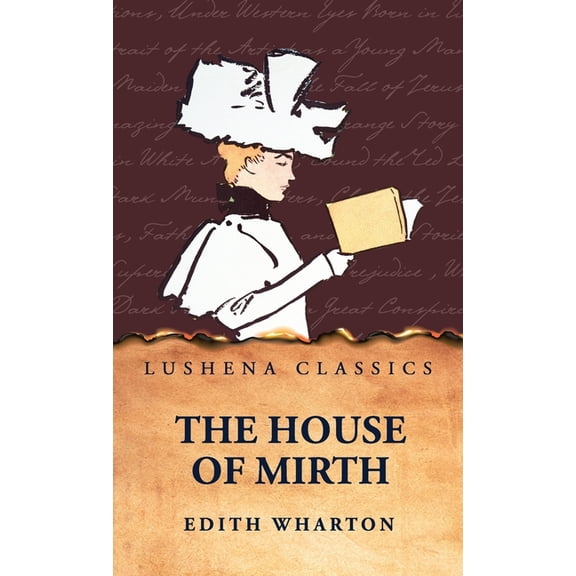
The House of Mirth, (Hardcover) $50.95
 $5095current price $50.95
The House of Mirth, (Hardcover)
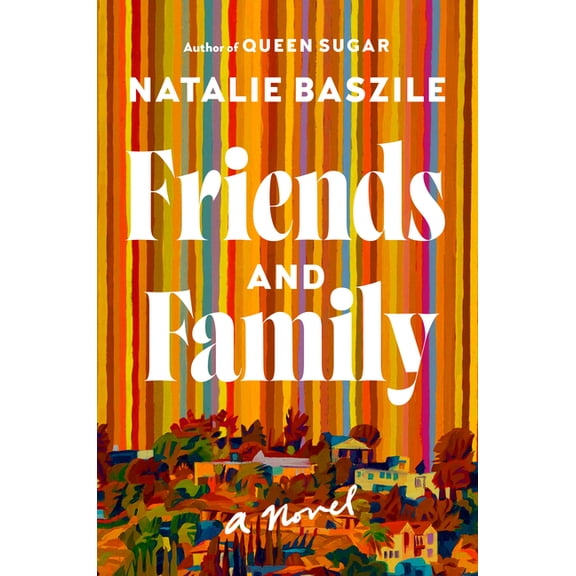
Friends and Family, (Hardcover) $30.00
 $3000current price $30.00
Friends and Family, (Hardcover)
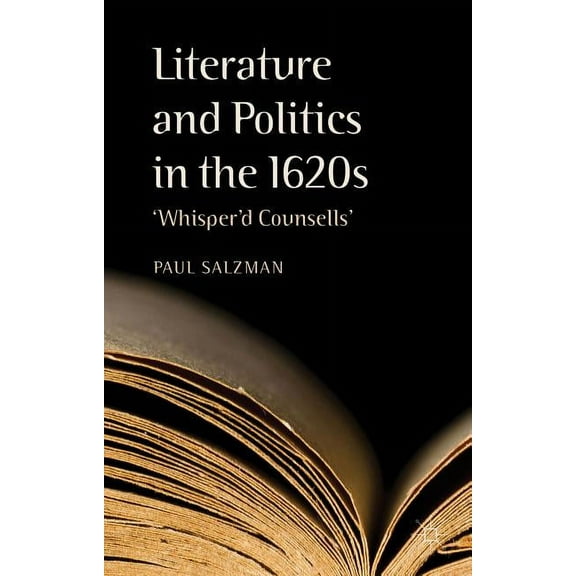
Literature and Politics in the 1620s: 'whisper'd Counsells', (Hardcover) $56.14
 $5614current price $56.14
Literature and Politics in the 1620s: 'whisper'd Counsells', (Hardcover)
Continental Divides: Revisioning American Literature, (Hardcover) $56.14
 $5614current price $56.14
Continental Divides: Revisioning American Literature, (Hardcover)
Reading American Novels and Multicultural Aesthetics: Romancing the Postmodern Novel, (Hardcover) $56.14
 $5614current price $56.14
Reading American Novels and Multicultural Aesthetics: Romancing the Postmodern Novel, (Hardcover)
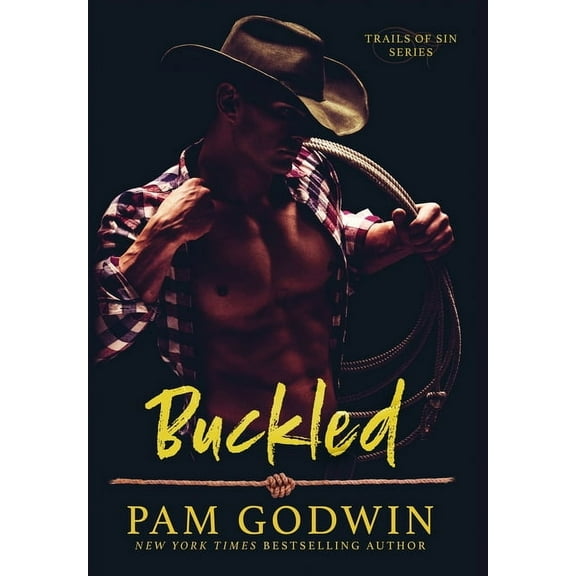
Trails of Sin Buckled, Book 2, (Hardcover) $25.92 Was $31.99
 $2592current price $25.92, Was $31.99$31.99
Trails of Sin Buckled, Book 2, (Hardcover)
Hard Times, (Hardcover) $46.95
 $4695current price $46.95
Hard Times, (Hardcover)
Fin-De-Siècle Fictions, 1890s-1990s: Apocalypse, Technoscience, Empire, (Hardcover) $50.41
 $5041current price $50.41
Fin-De-Siècle Fictions, 1890s-1990s: Apocalypse, Technoscience, Empire, (Hardcover)
Antecedents of the English Novel, 1400-1600: From Chaucer to Deloney, (Hardcover) $33.89
 $3389current price $33.89
Antecedents of the English Novel, 1400-1600: From Chaucer to Deloney, (Hardcover)
Customer ratings & reviews
0 ratings|0 reviews
This item does not have any reviews yet
