


Hero image 0 of The Formless Empire : A Short History of Diplomacy and Warfare in Central Asia (Hardcover), 0 of 1
The Formless Empire : A Short History of Diplomacy and Warfare in Central Asia (Hardcover)
(No ratings yet)
Key item features
The Role of Nomadic Culture in the Evolution of Non-Western Power Politics
Central Asia, a vast region extending from eastern Russia and across Kazakhstan, Uzbekistan, Turkmenistan, Afghanistan, Tajikistan, Kyrgystan, Mongolia, and western China, has its own tradition of foreign policy rooted in the ancient nomadic culture of many of its peoples as well as the region’s distinctive geography. From the thundering hooves of Mongol or Cossack cavalry across the steppes to the clanking of tanks on parade in Moscow or Beijing, elements of this system still cast a shadow on the region at the heart of Earth’s largest continent. By tracing the evolution of Central Asian warfare and diplomacy through a series of historical examples, ranging from the ancient Xiongnu people and medieval Mongol Empire to the fall of the Soviet Union, historian Christopher Mott argues that the original system of informal relationships, indirect rule, and rapid military movement did not entirely fade from the region with the eclipse of the nomadic powers during the Middle Ages. In fact, many states like China, Iran, and Russia had already been influenced by nomadic people, and in so doing adapted their own diplomatic and military policies accordingly. The Formless Empire: A Short History of Diplomacy and Warfare in Central Asia is an engaging study of the nature of non-Western imperialism and great-power strategy. In addition, the book demonstrates that regional histories can show us the variety of political possibilities in the past and how they were adapted to changing circumstances—a point made even more important by the rapid changes facing global security and new forms of empire building.
“Christopher Mott’s extremely erudite and wide-ranging examination of the history of Central Asia shows us that we have been far too narrow-minded and Eurocentric in thinking about power and how the global system changes historically. Given the current interest in ‘caliphates’ we need to reflect on the history of the areas of the world that dance to a different historical drum than we do in the West.” —Andrew John Williams, author of France, Britain, and the United States in the Twentieth Century
Central Asia, a vast region extending from eastern Russia and across Kazakhstan, Uzbekistan, Turkmenistan, Afghanistan, Tajikistan, Kyrgystan, Mongolia, and western China, has its own tradition of foreign policy rooted in the ancient nomadic culture of many of its peoples as well as the region’s distinctive geography. From the thundering hooves of Mongol or Cossack cavalry across the steppes to the clanking of tanks on parade in Moscow or Beijing, elements of this system still cast a shadow on the region at the heart of Earth’s largest continent. By tracing the evolution of Central Asian warfare and diplomacy through a series of historical examples, ranging from the ancient Xiongnu people and medieval Mongol Empire to the fall of the Soviet Union, historian Christopher Mott argues that the original system of informal relationships, indirect rule, and rapid military movement did not entirely fade from the region with the eclipse of the nomadic powers during the Middle Ages. In fact, many states like China, Iran, and Russia had already been influenced by nomadic people, and in so doing adapted their own diplomatic and military policies accordingly. The Formless Empire: A Short History of Diplomacy and Warfare in Central Asia is an engaging study of the nature of non-Western imperialism and great-power strategy. In addition, the book demonstrates that regional histories can show us the variety of political possibilities in the past and how they were adapted to changing circumstances—a point made even more important by the rapid changes facing global security and new forms of empire building.
“Christopher Mott’s extremely erudite and wide-ranging examination of the history of Central Asia shows us that we have been far too narrow-minded and Eurocentric in thinking about power and how the global system changes historically. Given the current interest in ‘caliphates’ we need to reflect on the history of the areas of the world that dance to a different historical drum than we do in the West.” —Andrew John Williams, author of France, Britain, and the United States in the Twentieth Century
Specs
- Book formatHardcover
- Fiction/nonfictionNon-Fiction
- Publication dateJune, 2015
- Pages232
- PublisherWestholme Publishing
- Original languagesEnglish
Current price is USD$38.92
Price when purchased online
Out of stock
How do you want your item?
Out of stock
About this item
Product details
Central Asia, a vast region extending from eastern Russia and across Kazakhstan, Uzbekistan, Turkmenistan, Afghanistan, Tajikistan, Kyrgystan, Mongolia, and western China, has its own tradition of foreign policy rooted in the ancient nomadic culture of many of its peoples as well as the region’s distinctive geography. From the thundering hooves of Mongol or Cossack cavalry across the steppes to the clanking of tanks on parade in Moscow or Beijing, elements of this system still cast a shadow on the region at the heart of Earth’s largest continent. By tracing the evolution of Central Asian warfare and diplomacy through a series of historical examples, ranging from the ancient Xiongnu people and medieval Mongol Empire to the fall of the Soviet Union, historian Christopher Mott argues that the original system of informal relationships, indirect rule, and rapid military movement did not entirely fade from the region with the eclipse of the nomadic powers during the Middle Ages. In fact, many states like China, Iran, and Russia had already been influenced by nomadic people, and in so doing adapted their own diplomatic and military policies accordingly. The Formless Empire: A Short History of Diplomacy and Warfare in Central Asia is an engaging study of the nature of non-Western imperialism and great-power strategy. In addition, the book demonstrates that regional histories can show us the variety of political possibilities in the past and how they were adapted to changing circumstances—a point made even more important by the rapid changes facing global security and new forms of empire building.
The Role of Nomadic Culture in the Evolution of Non-Western Power Politics
Central Asia, a vast region extending from eastern Russia and across Kazakhstan, Uzbekistan, Turkmenistan, Afghanistan, Tajikistan, Kyrgystan, Mongolia, and western China, has its own tradition of foreign policy rooted in the ancient nomadic culture of many of its peoples as well as the region’s distinctive geography. From the thundering hooves of Mongol or Cossack cavalry across the steppes to the clanking of tanks on parade in Moscow or Beijing, elements of this system still cast a shadow on the region at the heart of Earth’s largest continent. By tracing the evolution of Central Asian warfare and diplomacy through a series of historical examples, ranging from the ancient Xiongnu people and medieval Mongol Empire to the fall of the Soviet Union, historian Christopher Mott argues that the original system of informal relationships, indirect rule, and rapid military movement did not entirely fade from the region with the eclipse of the nomadic powers during the Middle Ages. In fact, many states like China, Iran, and Russia had already been influenced by nomadic people, and in so doing adapted their own diplomatic and military policies accordingly. The Formless Empire: A Short History of Diplomacy and Warfare in Central Asia is an engaging study of the nature of non-Western imperialism and great-power strategy. In addition, the book demonstrates that regional histories can show us the variety of political possibilities in the past and how they were adapted to changing circumstances—a point made even more important by the rapid changes facing global security and new forms of empire building.
“Christopher Mott’s extremely erudite and wide-ranging examination of the history of Central Asia shows us that we have been far too narrow-minded and Eurocentric in thinking about power and how the global system changes historically. Given the current interest in ‘caliphates’ we need to reflect on the history of the areas of the world that dance to a different historical drum than we do in the West.” —Andrew John Williams, author of France, Britain, and the United States in the Twentieth Century
Central Asia, a vast region extending from eastern Russia and across Kazakhstan, Uzbekistan, Turkmenistan, Afghanistan, Tajikistan, Kyrgystan, Mongolia, and western China, has its own tradition of foreign policy rooted in the ancient nomadic culture of many of its peoples as well as the region’s distinctive geography. From the thundering hooves of Mongol or Cossack cavalry across the steppes to the clanking of tanks on parade in Moscow or Beijing, elements of this system still cast a shadow on the region at the heart of Earth’s largest continent. By tracing the evolution of Central Asian warfare and diplomacy through a series of historical examples, ranging from the ancient Xiongnu people and medieval Mongol Empire to the fall of the Soviet Union, historian Christopher Mott argues that the original system of informal relationships, indirect rule, and rapid military movement did not entirely fade from the region with the eclipse of the nomadic powers during the Middle Ages. In fact, many states like China, Iran, and Russia had already been influenced by nomadic people, and in so doing adapted their own diplomatic and military policies accordingly. The Formless Empire: A Short History of Diplomacy and Warfare in Central Asia is an engaging study of the nature of non-Western imperialism and great-power strategy. In addition, the book demonstrates that regional histories can show us the variety of political possibilities in the past and how they were adapted to changing circumstances—a point made even more important by the rapid changes facing global security and new forms of empire building.
“Christopher Mott’s extremely erudite and wide-ranging examination of the history of Central Asia shows us that we have been far too narrow-minded and Eurocentric in thinking about power and how the global system changes historically. Given the current interest in ‘caliphates’ we need to reflect on the history of the areas of the world that dance to a different historical drum than we do in the West.” —Andrew John Williams, author of France, Britain, and the United States in the Twentieth Century
info:
We aim to show you accurate product information. Manufacturers, suppliers and others provide what you see here, and we have not verified it.
Specifications
Book format
Hardcover
Fiction/nonfiction
Non-Fiction
Genre
History, Political & Social Sciences
Publication date
June, 2015
Warranty
Warranty information
Please be aware that the warranty terms on items offered for sale by third party Marketplace sellers may differ from those displayed in this section (if any). To confirm warranty terms on an item offered for sale by a third party Marketplace seller, please use the 'Contact seller' feature on the third party Marketplace seller's information page and request the item's warranty terms prior to purchase.
Similar items you might like
Based on what customers bought
The Strategist: How to Think about War and Politics, (Hardcover) $29.95
 $2995current price $29.95
The Strategist: How to Think about War and Politics, (Hardcover)
Great Power Diplomacy: The Skill of Statecraft from Attila the Hun to Kissinger, (Hardcover) $26.97
 $2697current price $26.97
Great Power Diplomacy: The Skill of Statecraft from Attila the Hun to Kissinger, (Hardcover)
Great Power Strategy in Asia: Empire, Culture and Trade, 1905-2005, (Paperback) $61.99
 $6199current price $61.99
Great Power Strategy in Asia: Empire, Culture and Trade, 1905-2005, (Paperback)
War and Warfare in the Twentieth Century, (Paperback) $23.99
 $2399current price $23.99
War and Warfare in the Twentieth Century, (Paperback)
The Iranian Way of War, (Hardcover) $29.95
 $2995current price $29.95
The Iranian Way of War, (Hardcover)
Is the Day of The Aircraft Carrier Over?, (Hardcover) $27.27
 $2727current price $27.27
Is the Day of The Aircraft Carrier Over?, (Hardcover)
Rogue States: The Making of America's Global War on Terror, (Paperback) $31.95
 $3195current price $31.95
Rogue States: The Making of America's Global War on Terror, (Paperback)
Pure National Security Strategy, (Hardcover) $32.00
 $3200current price $32.00
Pure National Security Strategy, (Hardcover)
Napoleon's Last Campaign in Germany, 1813-The Beginning of the End of the Napoleonic Era, (Hardcover) $35.49
 $3549current price $35.49
Napoleon's Last Campaign in Germany, 1813-The Beginning of the End of the Napoleonic Era, (Hardcover)
On War, (Paperback) $9.99
 $999current price $9.99
On War, (Paperback)
Wiki Warfare: Fast Decisions and Mass Collaboration in the Military Blogosphere, (Paperback) $14.97
 $1497current price $14.97
Wiki Warfare: Fast Decisions and Mass Collaboration in the Military Blogosphere, (Paperback)
Elements Of Strategy, (Hardcover) $30.95
 $3095current price $30.95
Elements Of Strategy, (Hardcover)
Recognizing and Adapting to Unrestricted Warfare Practices by China, (Hardcover) $26.95
 $2695current price $26.95
Recognizing and Adapting to Unrestricted Warfare Practices by China, (Hardcover)
1815, Waterloo: an Account of Napoleon's Last Campaign, (Hardcover) $35.60
 $3560current price $35.60
1815, Waterloo: an Account of Napoleon's Last Campaign, (Hardcover)
Great Captain Hannibal: A History Of The Art Of War: Among The Carthaginians And Romans Down To The Battle Of Pydna, 168, (Paperback) $32.85 Was $39.39
 $3285current price $32.85, Was $39.39$39.39
Great Captain Hannibal: A History Of The Art Of War: Among The Carthaginians And Romans Down To The Battle Of Pydna, 168, (Paperback)
Colenso & Durnford's Zulu War, (Hardcover) $36.42
 $3642current price $36.42
Colenso & Durnford's Zulu War, (Hardcover)
Conquering Chaos: Alexander the Great's Wisdom for Leading in Disruptive Times, (Hardcover) $29.99
 $2999current price $29.99
Conquering Chaos: Alexander the Great's Wisdom for Leading in Disruptive Times, (Hardcover)
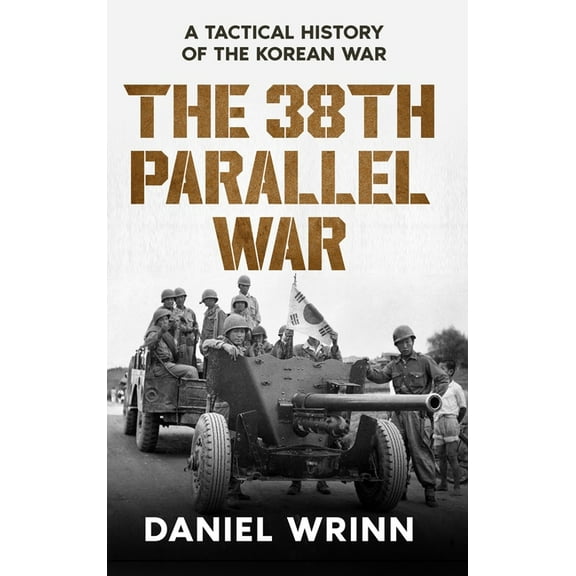
The 38th Parallel War: A Tactical History of the Korean Conflict, (Hardcover) $24.99
 $2499current price $24.99
The 38th Parallel War: A Tactical History of the Korean Conflict, (Hardcover)
Reduced price Battle Imperial: the Campaigns in Germany & France for the Defeat of Napoleon 1813-1814, (Hardcover) $36.41
Reduced price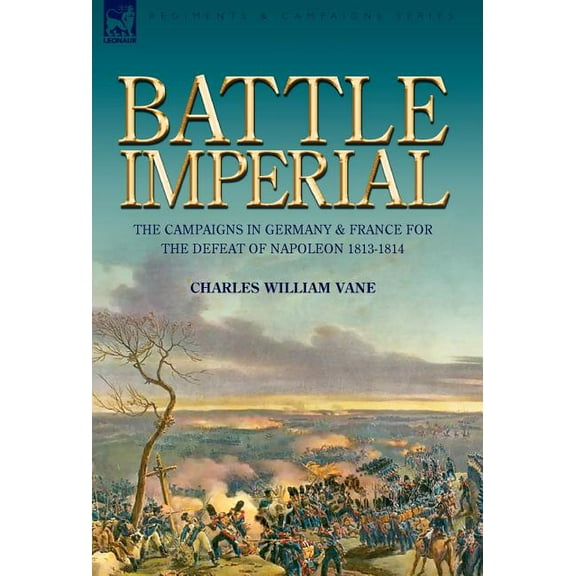 $3641current price $36.41
Battle Imperial: the Campaigns in Germany & France for the Defeat of Napoleon 1813-1814, (Hardcover)
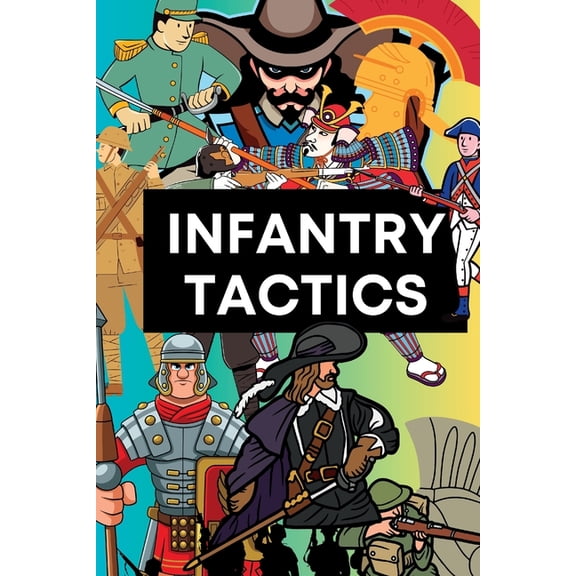
Military Strategy and History Infantry Tactics: From Antiquity to the Modern Era, (Paperback) $13.34
 $1334current price $13.34
Military Strategy and History Infantry Tactics: From Antiquity to the Modern Era, (Paperback)
Customer ratings & reviews
0 ratings|0 reviews
This item does not have any reviews yet

Related pages
- Industrialization History
- Ernst Teichmann
- Multilateral Treaty
- Republic Industrial
- Iran Nuclear Weapons
- Darin H Land
- Byzantine Empire History Books
- Civilization History Books
- Treaties in International Relations Books
- Russian & Former Soviet Union Political Books
- Colonialism & Post-Colonialism Political Books
- Biological & Chemical Warfare Military History Books