


Hero image 0 of Cherokee Reference Grammar (Edition 1) (Hardcover), 0 of 1
Cherokee Reference Grammar (Edition 1) (Hardcover)
(No ratings yet)
Key item features
The Cherokees have the oldest and best-known Native American writing system in the United States. Invented by Sequoyah and made public in 1821, it was rapidly adopted, leading to nineteenth-century Cherokee literacy rates as high as 90 percent. This writing system, the Cherokee syllabary, is fully explained and used throughout this volume, the first and only complete published grammar of the Cherokee language.
Although the Cherokee Reference Grammar focuses on the dialect spoken by the Cherokees in Oklahoma—the Cherokee Nation and the United Keetoowah Band of Cherokee Indians—it provides the grammatical foundation upon which all the dialects are based. In his introduction, author Brad Montgomery-Anderson offers a brief account of Cherokee history and language revitalization initiatives, as well as instructions for using this grammar. The book then delves into an explanation of Cherokee pronunciation, orthography, parts of speech, and syntax.
While the book is intended as a reference grammar for experienced scholars, Montgomery-Anderson presents the information in accessible stages, moving from easier examples to more complex linguistic structures. Examples are taken from a variety of sources, including many from the Cherokee Phoenix. Audio clips of various text examples throughout can be found on the accompanying CDs. The volume also includes three appendices: a glossary keyed to the text; a typescript for the audio component; and a collection of literary texts: two traditional stories and a historical account of a search party traveling up the Arkansas River.
The Cherokee Nation, as the second-largest tribe in the United States and the largest in Oklahoma, along with the United Keetoowah Band and the Eastern band of Cherokees, have a large number of people who speak their native language. Like other tribes, they have seen a sharp decline in the number of native speakers, particularly among the young, but they have responded with ambitious programs for preserving and revitalizing Cherokee culture and language. Cherokee Reference Grammar will serve as a vital resource in advancing these efforts to understand Cherokee history, language, and culture on their own terms.
Although the Cherokee Reference Grammar focuses on the dialect spoken by the Cherokees in Oklahoma—the Cherokee Nation and the United Keetoowah Band of Cherokee Indians—it provides the grammatical foundation upon which all the dialects are based. In his introduction, author Brad Montgomery-Anderson offers a brief account of Cherokee history and language revitalization initiatives, as well as instructions for using this grammar. The book then delves into an explanation of Cherokee pronunciation, orthography, parts of speech, and syntax.
While the book is intended as a reference grammar for experienced scholars, Montgomery-Anderson presents the information in accessible stages, moving from easier examples to more complex linguistic structures. Examples are taken from a variety of sources, including many from the Cherokee Phoenix. Audio clips of various text examples throughout can be found on the accompanying CDs. The volume also includes three appendices: a glossary keyed to the text; a typescript for the audio component; and a collection of literary texts: two traditional stories and a historical account of a search party traveling up the Arkansas River.
The Cherokee Nation, as the second-largest tribe in the United States and the largest in Oklahoma, along with the United Keetoowah Band and the Eastern band of Cherokees, have a large number of people who speak their native language. Like other tribes, they have seen a sharp decline in the number of native speakers, particularly among the young, but they have responded with ambitious programs for preserving and revitalizing Cherokee culture and language. Cherokee Reference Grammar will serve as a vital resource in advancing these efforts to understand Cherokee history, language, and culture on their own terms.
Specs
- Book formatHardcover
- Fiction/nonfictionNon-Fiction
- Pub date20150519
- Pages536
- Reading levelGeneral (US: Trade)
- Edition1
Current price is USD$56.52
Price when purchased online
Out of stock
How do you want your item?
Out of stock
About this item
Product details
The Cherokees have the oldest and best-known Native American writing system in the United States. Invented by Sequoyah and made public in 1821, it was rapidly adopted, leading to nineteenth-century Cherokee literacy rates as high as 90 percent. This writing system, the Cherokee syllabary, is fully explained and used throughout this volume, the first and only complete published grammar of the Cherokee language.
The Cherokees have the oldest and best-known Native American writing system in the United States. Invented by Sequoyah and made public in 1821, it was rapidly adopted, leading to nineteenth-century Cherokee literacy rates as high as 90 percent. This writing system, the Cherokee syllabary, is fully explained and used throughout this volume, the first and only complete published grammar of the Cherokee language.
Although the Cherokee Reference Grammar focuses on the dialect spoken by the Cherokees in Oklahoma—the Cherokee Nation and the United Keetoowah Band of Cherokee Indians—it provides the grammatical foundation upon which all the dialects are based. In his introduction, author Brad Montgomery-Anderson offers a brief account of Cherokee history and language revitalization initiatives, as well as instructions for using this grammar. The book then delves into an explanation of Cherokee pronunciation, orthography, parts of speech, and syntax.
While the book is intended as a reference grammar for experienced scholars, Montgomery-Anderson presents the information in accessible stages, moving from easier examples to more complex linguistic structures. Examples are taken from a variety of sources, including many from the Cherokee Phoenix. Audio clips of various text examples throughout can be found on the accompanying CDs. The volume also includes three appendices: a glossary keyed to the text; a typescript for the audio component; and a collection of literary texts: two traditional stories and a historical account of a search party traveling up the Arkansas River.
The Cherokee Nation, as the second-largest tribe in the United States and the largest in Oklahoma, along with the United Keetoowah Band and the Eastern band of Cherokees, have a large number of people who speak their native language. Like other tribes, they have seen a sharp decline in the number of native speakers, particularly among the young, but they have responded with ambitious programs for preserving and revitalizing Cherokee culture and language. Cherokee Reference Grammar will serve as a vital resource in advancing these efforts to understand Cherokee history, language, and culture on their own terms.
Although the Cherokee Reference Grammar focuses on the dialect spoken by the Cherokees in Oklahoma—the Cherokee Nation and the United Keetoowah Band of Cherokee Indians—it provides the grammatical foundation upon which all the dialects are based. In his introduction, author Brad Montgomery-Anderson offers a brief account of Cherokee history and language revitalization initiatives, as well as instructions for using this grammar. The book then delves into an explanation of Cherokee pronunciation, orthography, parts of speech, and syntax.
While the book is intended as a reference grammar for experienced scholars, Montgomery-Anderson presents the information in accessible stages, moving from easier examples to more complex linguistic structures. Examples are taken from a variety of sources, including many from the Cherokee Phoenix. Audio clips of various text examples throughout can be found on the accompanying CDs. The volume also includes three appendices: a glossary keyed to the text; a typescript for the audio component; and a collection of literary texts: two traditional stories and a historical account of a search party traveling up the Arkansas River.
The Cherokee Nation, as the second-largest tribe in the United States and the largest in Oklahoma, along with the United Keetoowah Band and the Eastern band of Cherokees, have a large number of people who speak their native language. Like other tribes, they have seen a sharp decline in the number of native speakers, particularly among the young, but they have responded with ambitious programs for preserving and revitalizing Cherokee culture and language. Cherokee Reference Grammar will serve as a vital resource in advancing these efforts to understand Cherokee history, language, and culture on their own terms.
info:
We aim to show you accurate product information. Manufacturers, suppliers and others provide what you see here, and we have not verified it.
Specifications
Book format
Hardcover
Fiction/nonfiction
Non-Fiction
Genre
Foreign Language Study/Indigenous Languages of the Americas, Language Arts & Disciplines/Grammar & Punctuation
Pub date
20150519
Warranty
Warranty information
Please be aware that the warranty terms on items offered for sale by third party Marketplace sellers may differ from those displayed in this section (if any). To confirm warranty terms on an item offered for sale by a third party Marketplace seller, please use the 'Contact seller' feature on the third party Marketplace seller's information page and request the item's warranty terms prior to purchase.
Similar items you might like
Based on what customers bought
The Last of Us: Part I and Part II Scripts, (Hardcover) $48.19
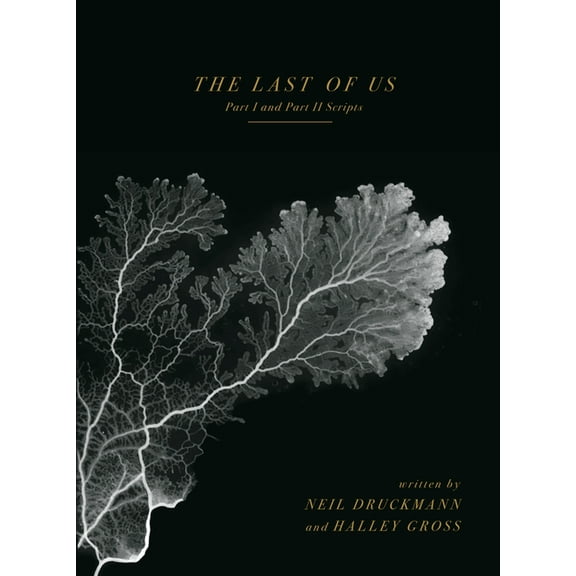 $4819current price $48.19
The Last of Us: Part I and Part II Scripts, (Hardcover)
What If Volume II: Thought Provoking Questions, (Hardcover) $29.99
 $2999current price $29.99
What If Volume II: Thought Provoking Questions, (Hardcover)
Posts of a Mid-Century Kid: Doing My Best, Having Fun, (Hardcover) $26.62 Was $29.99
 $2662current price $26.62, Was $29.99$29.99
Posts of a Mid-Century Kid: Doing My Best, Having Fun, (Hardcover)
The Modern Lesser Key of Solomon, (Hardcover) $55.99
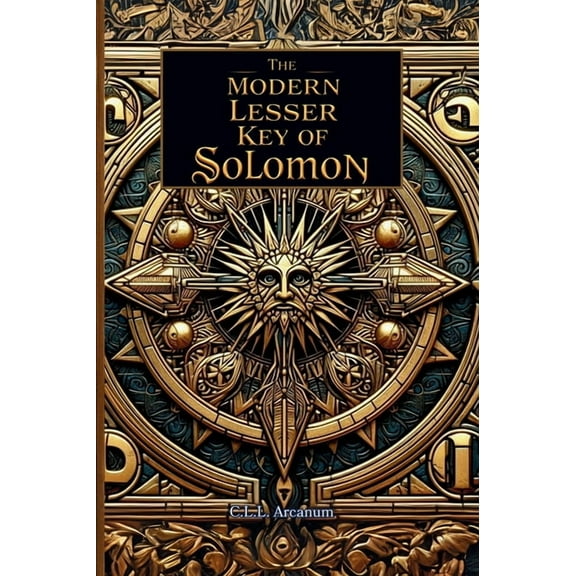 $5599current price $55.99
The Modern Lesser Key of Solomon, (Hardcover)
The Pioneers : Or, the Sources of the Susquehanna (Hardcover) $50.53
 $5053current price $50.53
The Pioneers : Or, the Sources of the Susquehanna (Hardcover)
The Elder Eddas [!] of Saemund Sigfusson; Volume 4 (Hardcover) $36.95
![The Elder Eddas [!] of Saemund Sigfusson; Volume 4 (Hardcover)](https://i5.walmartimages.com/asr/095b34a6-99be-438e-9faf-646c4b0eab33.0be1ce253d28e1dba2fdb1fb97585ef7.jpeg?odnHeight=576&odnWidth=576&odnBg=FFFFFF) $3695current price $36.95
$3695current price $36.95The Elder Eddas [!] of Saemund Sigfusson; Volume 4 (Hardcover)
The American Wheat Culturist (Hardcover) $38.95
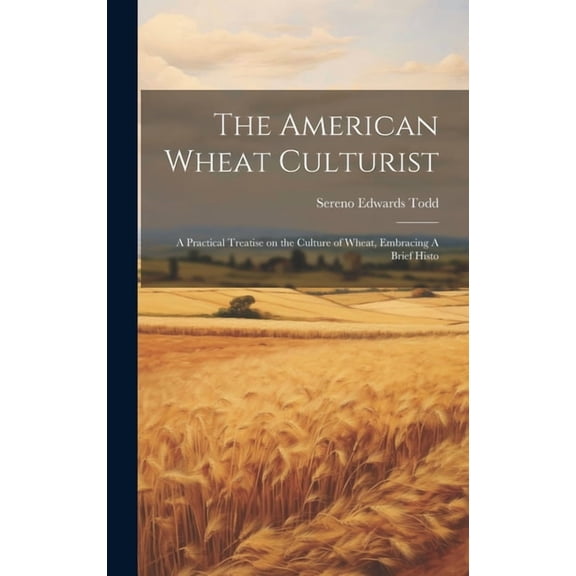 $3895current price $38.95
The American Wheat Culturist (Hardcover)
Memoir of the Chisholm (Hardcover) $33.95
 $3395current price $33.95
Memoir of the Chisholm (Hardcover)
Greely Relief Expedition, (Hardcover) $29.95
 $2995current price $29.95
Greely Relief Expedition, (Hardcover)
WHICH WINEGRAPE VARIETIES ARE GROWN WHERE? Revised Edition (Paperback) $68.91
 $6891current price $68.91
WHICH WINEGRAPE VARIETIES ARE GROWN WHERE? Revised Edition (Paperback)
Essays in Taxation, (Hardcover) $34.54
 $3454current price $34.54
Essays in Taxation, (Hardcover)
General Zoology (Hardcover) $44.95
 $4495current price $44.95
General Zoology (Hardcover)
Leadership for Adolescents, (Hardcover) $22.72 Was $26.95
 $2272current price $22.72, Was $26.95$26.95
Leadership for Adolescents, (Hardcover)
Pitt's 'Gallant Conqueror', (Hardcover) $75.00
 $7500current price $75.00
Pitt's 'Gallant Conqueror', (Hardcover)
The Heimskringla (Hardcover) $36.73
 $3673current price $36.73
The Heimskringla (Hardcover)
Own It Own It! Level 1 Workbook with eBook, (Paperback) $27.50
 $2750current price $27.50
Own It Own It! Level 1 Workbook with eBook, (Paperback)



Customer ratings & reviews
0 ratings|0 reviews
This item does not have any reviews yet
