


Hero image 0 of The Antinomies of Realism (Paperback), 0 of 1
The Antinomies of Realism (Paperback)
(No ratings yet)
Key item features
The Antinomies of Realism is a history ofthe nineteenth-century realist novel and its legacy told without a glimmer of nostalgia for artistic achievements that the movement of history makes it impossible to recreate. The works of Zola, Tolstoy, Pérez Galdós, and George Eliot are in the most profound sense inimitable, yet continue to dominate the novel form to this day. Novels to emerge since struggle to reconcile the social conditions of their own creation with the history of this mode of writing: the so-called modernist novel is one attempted solution to this conflict, as is the ever-more impoverished variety of commercial narratives – what today’s book reviewers dub “serious novels,” which are an attempt at the impossible endeavor to roll back the past.
Fredric Jameson examines the most influential theories of artistic and literary realism, approaching the subject himself in terms of the social and historical preconditions for realism’s emergence. The realist novel combined an attention to the body and its states of feeling with a focus on the quest for individual realization within the confines of history.
In contemporary writing, other forms of representation – for which the term “postmodern” is too glib – have become visible: for example, in the historical fiction of Hilary Mantel or the stylistic plurality of David Mitchell’s novels. Contemporary fiction is shown to be conducting startling experiments in the representation of new realities of a global social totality, modern technological warfare, and historical developments that, although they saturate every corner of our lives, only become apparent on rare occasions and by way of the strangest formal and artistic devices.
In a coda, Jameson explains how “realistic” narratives survived the end of classical realism. In effect, he provides an argument for the serious study of popular fiction and mass culture that transcends lazy journalism and the easy platitudes of recent cultural studies.
Fredric Jameson examines the most influential theories of artistic and literary realism, approaching the subject himself in terms of the social and historical preconditions for realism’s emergence. The realist novel combined an attention to the body and its states of feeling with a focus on the quest for individual realization within the confines of history.
In contemporary writing, other forms of representation – for which the term “postmodern” is too glib – have become visible: for example, in the historical fiction of Hilary Mantel or the stylistic plurality of David Mitchell’s novels. Contemporary fiction is shown to be conducting startling experiments in the representation of new realities of a global social totality, modern technological warfare, and historical developments that, although they saturate every corner of our lives, only become apparent on rare occasions and by way of the strangest formal and artistic devices.
In a coda, Jameson explains how “realistic” narratives survived the end of classical realism. In effect, he provides an argument for the serious study of popular fiction and mass culture that transcends lazy journalism and the easy platitudes of recent cultural studies.
Specs
- Book formatPaperback
- Fiction/nonfictionNon-Fiction
- GenreLiterature & Fiction
- Publication dateMarch, 2015
- Pages336
- Reading levelGeneral
Current price is USD$18.13
Price when purchased online
 Free 90-day returns
How do you want your item?
Try 30 days for just $1! Choose a plan at checkout.
Ships to
Arrives by Thu, May 14
Sold and shipped by Walmart.com

Free 90-day returns

This item is gift eligible
More seller options (5)
Starting from $30.45

Try 30 days of Walmart+ for just $1!
T&C apply. Claim offer now
About this item
Product details
The Antinomies of Realism is a history ofthe nineteenth-century realist novel and its legacy told without a glimmer of nostalgia for artistic achievements that the movement of history makes it impossible to recreate. The works of Zola, Tolstoy, Pérez Galdós, and George Eliot are in the most profound sense inimitable, yet continue to dominate the novel form to this day. Novels to emerge since struggle to reconcile the social conditions of their own creation with the history of this mode of writing: the so-called modernist novel is one attempted solution to this conflict, as is the ever-more impoverished variety of commercial narratives - what today's book reviewers dub "serious novels," which are an attempt at the impossible endeavor to roll back the past. Fredric Jameson examines the most influential theories of artistic and literary realism, approaching the subject himself in terms of the social and historical preconditions for realism's emergence. The realist novel combined an attention to the body and its states of feeling with a focus on the quest for individual realization within the confines of history. In contemporary writing, other forms of representation - for which the term "postmodern" is too glib - have become visible: for example, in the historical fiction of Hilary Mantel or the stylistic plurality of David Mitchell's novels. Contemporary fiction is shown to be conducting startling experiments in the representation of new realities of a global social totality, modern technological warfare, and historical developments that, although they saturate every corner of our lives, only become apparent on rare occasions and by way of the strangest formal and artistic devices. In a coda, Jameson explains how "realistic" narratives survived the end of classical realism. In effect, he provides an argument for the serious study of popular fiction and mass culture that transcends lazy journalism and the easy platitudes of recent cultural studies.
The Antinomies of Realism is a history ofthe nineteenth-century realist novel and its legacy told without a glimmer of nostalgia for artistic achievements that the movement of history makes it impossible to recreate. The works of Zola, Tolstoy, Pérez Galdós, and George Eliot are in the most profound sense inimitable, yet continue to dominate the novel form to this day. Novels to emerge since struggle to reconcile the social conditions of their own creation with the history of this mode of writing: the so-called modernist novel is one attempted solution to this conflict, as is the ever-more impoverished variety of commercial narratives – what today’s book reviewers dub “serious novels,” which are an attempt at the impossible endeavor to roll back the past.
Fredric Jameson examines the most influential theories of artistic and literary realism, approaching the subject himself in terms of the social and historical preconditions for realism’s emergence. The realist novel combined an attention to the body and its states of feeling with a focus on the quest for individual realization within the confines of history.
In contemporary writing, other forms of representation – for which the term “postmodern” is too glib – have become visible: for example, in the historical fiction of Hilary Mantel or the stylistic plurality of David Mitchell’s novels. Contemporary fiction is shown to be conducting startling experiments in the representation of new realities of a global social totality, modern technological warfare, and historical developments that, although they saturate every corner of our lives, only become apparent on rare occasions and by way of the strangest formal and artistic devices.
In a coda, Jameson explains how “realistic” narratives survived the end of classical realism. In effect, he provides an argument for the serious study of popular fiction and mass culture that transcends lazy journalism and the easy platitudes of recent cultural studies.
Fredric Jameson examines the most influential theories of artistic and literary realism, approaching the subject himself in terms of the social and historical preconditions for realism’s emergence. The realist novel combined an attention to the body and its states of feeling with a focus on the quest for individual realization within the confines of history.
In contemporary writing, other forms of representation – for which the term “postmodern” is too glib – have become visible: for example, in the historical fiction of Hilary Mantel or the stylistic plurality of David Mitchell’s novels. Contemporary fiction is shown to be conducting startling experiments in the representation of new realities of a global social totality, modern technological warfare, and historical developments that, although they saturate every corner of our lives, only become apparent on rare occasions and by way of the strangest formal and artistic devices.
In a coda, Jameson explains how “realistic” narratives survived the end of classical realism. In effect, he provides an argument for the serious study of popular fiction and mass culture that transcends lazy journalism and the easy platitudes of recent cultural studies.
info:
We aim to show you accurate product information. Manufacturers, suppliers and others provide what you see here, and we have not verified it.
Specifications
Book format
Paperback
Fiction/nonfiction
Non-Fiction
Genre
Literature & Fiction
Publication date
March, 2015
Warranty
Warranty information
Please be aware that the warranty terms on items offered for sale by third party Marketplace sellers may differ from those displayed in this section (if any). To confirm warranty terms on an item offered for sale by a third party Marketplace seller, please use the 'Contact seller' feature on the third party Marketplace seller's information page and request the item's warranty terms prior to purchase.
Similar items you might like
Based on what customers bought
The Faoladh, (Paperback) $15.99
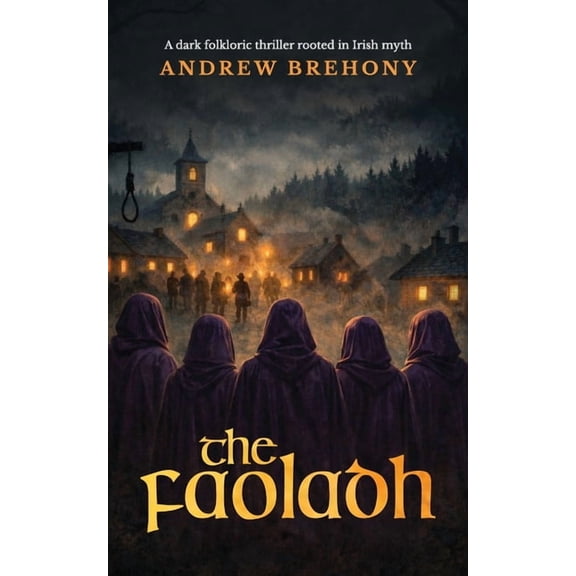 $1599current price $15.99
The Faoladh, (Paperback)
All at Once, (Paperback) $10.95
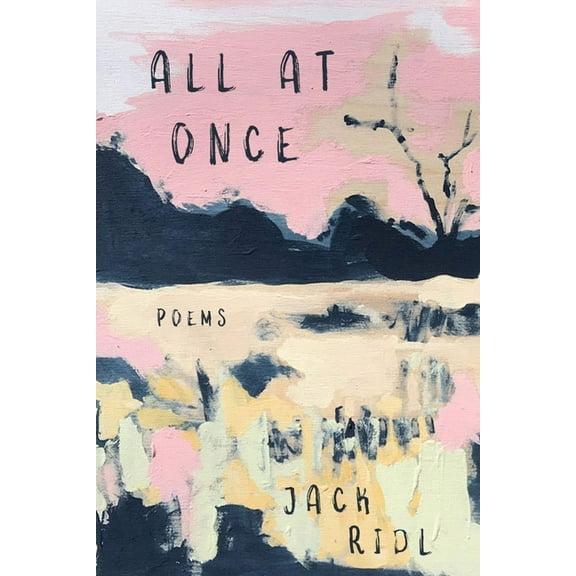 $1095current price $10.95
All at Once, (Paperback)
Metamorphoses, (Paperback) $19.86
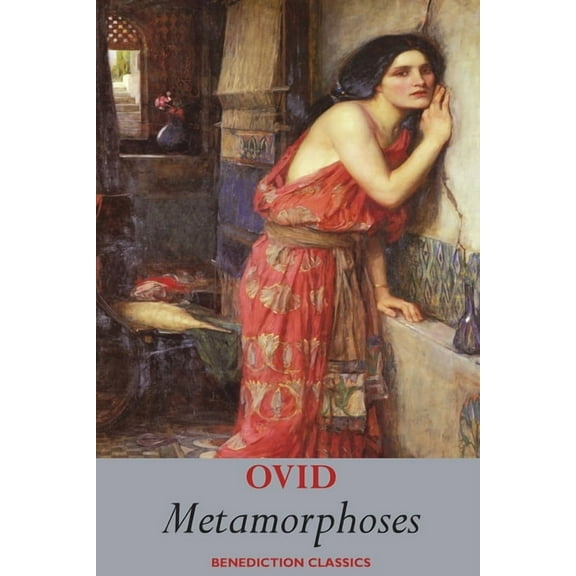 $1986current price $19.86
Metamorphoses, (Paperback)
Poezi, (Paperback) $12.86
 $1286current price $12.86
Poezi, (Paperback)
onWords and upWords, (Paperback) $17.78
 $1778current price $17.78
onWords and upWords, (Paperback)
Antonio Stradivari, (Paperback) $15.95
 $1595current price $15.95
Antonio Stradivari, (Paperback)
Phosphene, (Paperback) $16.31
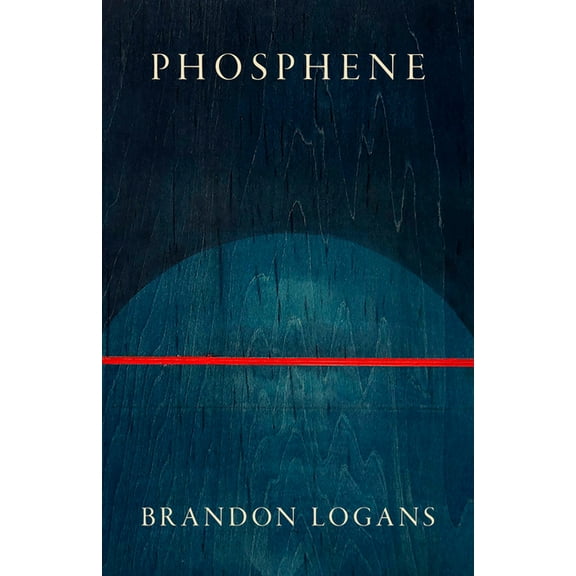 $1631current price $16.31
Phosphene, (Paperback)
Bedfellows, (Paperback) $16.40
 $1640current price $16.40
Bedfellows, (Paperback)
Granta 172: Badlands, (Paperback) $17.99
 $1799current price $17.99
Granta 172: Badlands, (Paperback)
James, (Paperback) $18.20
 $1820current price $18.20
James, (Paperback)
14 out of 5 Stars. 1 reviewsThe Skinwalker, (Paperback) $11.09
 $1109current price $11.09
The Skinwalker, (Paperback)
Annonciade, (Paperback) $14.95
 $1495current price $14.95
Annonciade, (Paperback)
Uncertainly Sure, (Paperback) $14.79
 $1479current price $14.79
Uncertainly Sure, (Paperback)
The Storking, (Paperback) $17.10
 $1710current price $17.10
The Storking, (Paperback)
Don Miguel (Paperback) $13.46
 $1346current price $13.46
Don Miguel (Paperback)
Another Chance, (Paperback) $17.99
 $1799current price $17.99
Another Chance, (Paperback)
Be Kind Anyway (Paperback) $10.00
 $1000current price $10.00
Be Kind Anyway (Paperback)
StonyBrook As Above, So Below, (Paperback) $18.26
 $1826current price $18.26
StonyBrook As Above, So Below, (Paperback)
Sangrando Poemas, (Paperback) $8.56
 $856current price $8.56
Sangrando Poemas, (Paperback)
Customer ratings & reviews
0 ratings|0 reviews
This item does not have any reviews yet

Related pages
- John Idoko
- William Gifford, Ben Jonson, Francis Cunningham
- Tarro
- S Friedmann
- Whittier Daily
- Brillant Meaning
- Rationalism Philosophy Movement Books
- Idealism Philosophy Movement Books
- Pragmatism Philosophy Movement Books
- Jewish Literary Criticism Books
- Utilitarianism Philosophy Movement Books
- Deconstruction Philosophy Movement Books