

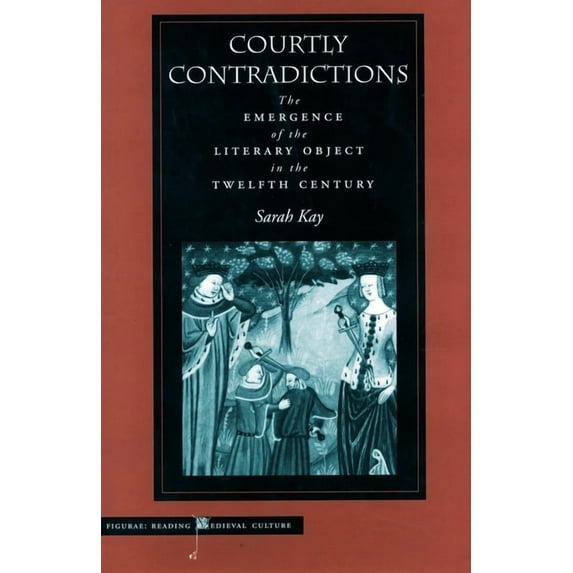
Hero image 0 of Figurae: Reading Medieval Culture: Courtly Contradictions : The Emergence of the Literary Object in the Twelfth Century (Hardcover), 0 of 1
Figurae: Reading Medieval Culture: Courtly Contradictions : The Emergence of the Literary Object in the Twelfth Century (Hardcover)
(No ratings yet)
Key item features
Where does courtly literature come from? What is the meaning of "courtly love"? What is the relation between religious and secular culture in the Middle Ages, and why does it matter? This book addresses these questions, as its title indicates, by way of contradiction. Contradiction is central both to medieval logic and to most modern protocols of reading; it therefore informs both the production and the reception of medieval texts. Yet contradiction itself is rarely analyzed, serving more often as a spur to interpretation than as its object.
This book works between the complex philosophical culture of the twelfth century (principally the traditions of Aristotle and of philosophical Neoplatonism, which diverge significantly in their treatment of contradiction) and the no less complex thought of Lacan (which is just as bound up with contradictoriness). Situating twelfth-century Anglo-Norman, French, and Occitan literature within this philosophical embrace, the author studies the interaction of three major literary genres—hagiography, troubadour lyric, and romance—an interaction that, in the course of the century, generates what we now call "courtly literature."
She shows how preferences for different ways of dealing with contradiction migrate from one genre to another during the twelfth century. She also shows how this movement resulted, by about 1170, in different traditions converging to produce the complex artifacts that canonized literary "courtliness," not only for the Middle Ages but for us as well. Coinciding with this convergence, there is a shift in the locus of contradiction from subject to object. This crucial development not only privileges the object within texts, it also cements the value of texts themselves as object.
In a series of comparisons between religious and courtly texts that draws on the writings of Lacan and Kristeva, the author explores how these objects can be variously described in terms of the psychoanalytical concepts of abjection, sublimation, or perversion. The book concludes by suggesting that the historical importance of courtly literature lies in its capacity to mediate, through the centrality accorded to the contradictory object, this transfer from medieval to modern structures of thought and thereby to shape modern forms of enjoyment.
This book works between the complex philosophical culture of the twelfth century (principally the traditions of Aristotle and of philosophical Neoplatonism, which diverge significantly in their treatment of contradiction) and the no less complex thought of Lacan (which is just as bound up with contradictoriness). Situating twelfth-century Anglo-Norman, French, and Occitan literature within this philosophical embrace, the author studies the interaction of three major literary genres—hagiography, troubadour lyric, and romance—an interaction that, in the course of the century, generates what we now call "courtly literature."
She shows how preferences for different ways of dealing with contradiction migrate from one genre to another during the twelfth century. She also shows how this movement resulted, by about 1170, in different traditions converging to produce the complex artifacts that canonized literary "courtliness," not only for the Middle Ages but for us as well. Coinciding with this convergence, there is a shift in the locus of contradiction from subject to object. This crucial development not only privileges the object within texts, it also cements the value of texts themselves as object.
In a series of comparisons between religious and courtly texts that draws on the writings of Lacan and Kristeva, the author explores how these objects can be variously described in terms of the psychoanalytical concepts of abjection, sublimation, or perversion. The book concludes by suggesting that the historical importance of courtly literature lies in its capacity to mediate, through the centrality accorded to the contradictory object, this transfer from medieval to modern structures of thought and thereby to shape modern forms of enjoyment.
Specs
- Book formatHardcover
- Fiction/nonfictionNon-Fiction
- GenreLiterature & Fiction
- Publication dateOctober, 2002
- Pages400
- Reading levelScholarly & Professional
Current price is USD$86.94
Price when purchased online
- Free shipping
 Free 90-day returns
How do you want your item?
Try 30 days for just $1! Choose a plan at checkout.
Columbus, 43215
Arrives by Sat, May 9
Sold and shipped by Walmart.com

Free 90-day returns

This item is gift eligible
More seller options (3)
Starting from $90.05

Try 30 days of Walmart+ for just $1!
T&C apply. Claim offer now
About this item
Product details
Where does courtly literature come from? What is the meaning of courtly love? What is the relation between religious and secular culture in the Middle Ages, and why does it matter? This book addresses these questions by way of contradiction, which is central both to medieval logic and to most modern protocols of reading.
Where does courtly literature come from? What is the meaning of "courtly love"? What is the relation between religious and secular culture in the Middle Ages, and why does it matter? This book addresses these questions, as its title indicates, by way of contradiction. Contradiction is central both to medieval logic and to most modern protocols of reading; it therefore informs both the production and the reception of medieval texts. Yet contradiction itself is rarely analyzed, serving more often as a spur to interpretation than as its object.
This book works between the complex philosophical culture of the twelfth century (principally the traditions of Aristotle and of philosophical Neoplatonism, which diverge significantly in their treatment of contradiction) and the no less complex thought of Lacan (which is just as bound up with contradictoriness). Situating twelfth-century Anglo-Norman, French, and Occitan literature within this philosophical embrace, the author studies the interaction of three major literary genres—hagiography, troubadour lyric, and romance—an interaction that, in the course of the century, generates what we now call "courtly literature."
She shows how preferences for different ways of dealing with contradiction migrate from one genre to another during the twelfth century. She also shows how this movement resulted, by about 1170, in different traditions converging to produce the complex artifacts that canonized literary "courtliness," not only for the Middle Ages but for us as well. Coinciding with this convergence, there is a shift in the locus of contradiction from subject to object. This crucial development not only privileges the object within texts, it also cements the value of texts themselves as object.
In a series of comparisons between religious and courtly texts that draws on the writings of Lacan and Kristeva, the author explores how these objects can be variously described in terms of the psychoanalytical concepts of abjection, sublimation, or perversion. The book concludes by suggesting that the historical importance of courtly literature lies in its capacity to mediate, through the centrality accorded to the contradictory object, this transfer from medieval to modern structures of thought and thereby to shape modern forms of enjoyment.
This book works between the complex philosophical culture of the twelfth century (principally the traditions of Aristotle and of philosophical Neoplatonism, which diverge significantly in their treatment of contradiction) and the no less complex thought of Lacan (which is just as bound up with contradictoriness). Situating twelfth-century Anglo-Norman, French, and Occitan literature within this philosophical embrace, the author studies the interaction of three major literary genres—hagiography, troubadour lyric, and romance—an interaction that, in the course of the century, generates what we now call "courtly literature."
She shows how preferences for different ways of dealing with contradiction migrate from one genre to another during the twelfth century. She also shows how this movement resulted, by about 1170, in different traditions converging to produce the complex artifacts that canonized literary "courtliness," not only for the Middle Ages but for us as well. Coinciding with this convergence, there is a shift in the locus of contradiction from subject to object. This crucial development not only privileges the object within texts, it also cements the value of texts themselves as object.
In a series of comparisons between religious and courtly texts that draws on the writings of Lacan and Kristeva, the author explores how these objects can be variously described in terms of the psychoanalytical concepts of abjection, sublimation, or perversion. The book concludes by suggesting that the historical importance of courtly literature lies in its capacity to mediate, through the centrality accorded to the contradictory object, this transfer from medieval to modern structures of thought and thereby to shape modern forms of enjoyment.
info:
We aim to show you accurate product information. Manufacturers, suppliers and others provide what you see here, and we have not verified it.
Specifications
Book format
Hardcover
Fiction/nonfiction
Non-Fiction
Genre
Literature & Fiction
Publication date
October, 2002
Warranty
Warranty information
Please be aware that the warranty terms on items offered for sale by third party Marketplace sellers may differ from those displayed in this section (if any). To confirm warranty terms on an item offered for sale by a third party Marketplace seller, please use the 'Contact seller' feature on the third party Marketplace seller's information page and request the item's warranty terms prior to purchase.
Similar items you might like
Based on what customers bought
Middle Ages Under Siege: Perpetual Warfare and Late Medieval English Literature, (Hardcover) $65.00
 $6500current price $65.00
Middle Ages Under Siege: Perpetual Warfare and Late Medieval English Literature, (Hardcover)
Seventeenth-Century English Romance: Allegory, Ethics, and Politics, (Hardcover) $86.91
 $8691current price $86.91
Seventeenth-Century English Romance: Allegory, Ethics, and Politics, (Hardcover)
Transits: Literature, Thought & Culture, Reading Christopher Smart in the Twenty-first Century: "By Succession of Delight", (Hardcover) $82.16
 $8216current price $82.16
Transits: Literature, Thought & Culture, Reading Christopher Smart in the Twenty-first Century: "By Succession of Delight", (Hardcover)
Manchester Medieval Literature and Cultu Enacting the Bible in Medieval and Early Modern Drama, (Hardcover) $91.28
 $9128current price $91.28
Manchester Medieval Literature and Cultu Enacting the Bible in Medieval and Early Modern Drama, (Hardcover)
New Middle Ages Medievalism, Multilingualism, and Chaucer, (Hardcover) $89.54
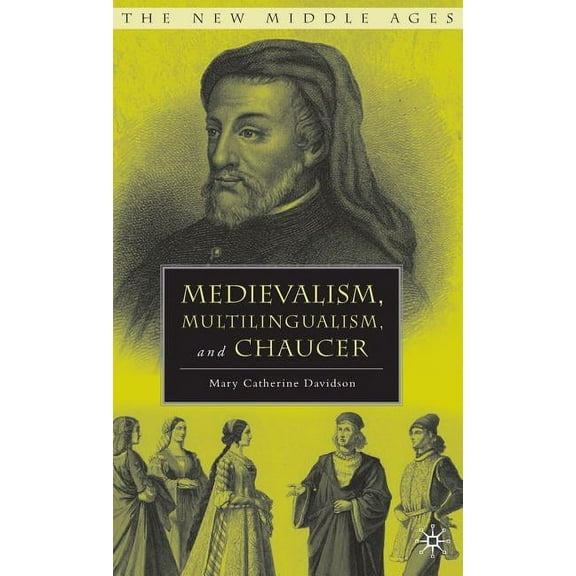 $8954current price $89.54
New Middle Ages Medievalism, Multilingualism, and Chaucer, (Hardcover)
Cambridge Studies in Medieval Literature Artisans and Narrative Craft in Late Medieval England, Book 82, (Paperback) $45.00
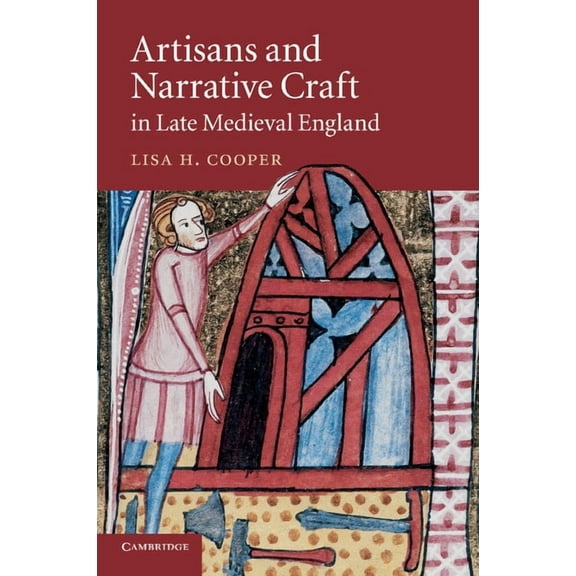 $4500current price $45.00
Cambridge Studies in Medieval Literature Artisans and Narrative Craft in Late Medieval England, Book 82, (Paperback)
Figurae: Reading Medieval Culture Reading Myth: Classical Mythology and Its Interpretations in Medieval French Literature, (Hardcover) $85.00
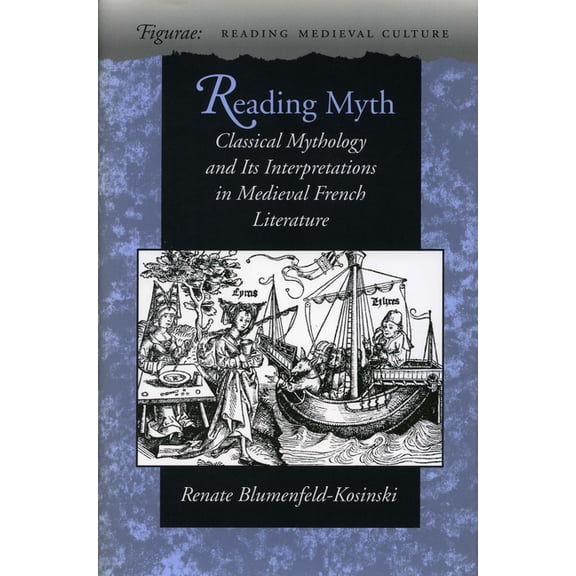 $8500current price $85.00
Figurae: Reading Medieval Culture Reading Myth: Classical Mythology and Its Interpretations in Medieval French Literature, (Hardcover)
Studies in Medieval and Early Modern Cul Authenticity in Medieval and Early Modern Literature, Book 89, (Hardcover) $84.77
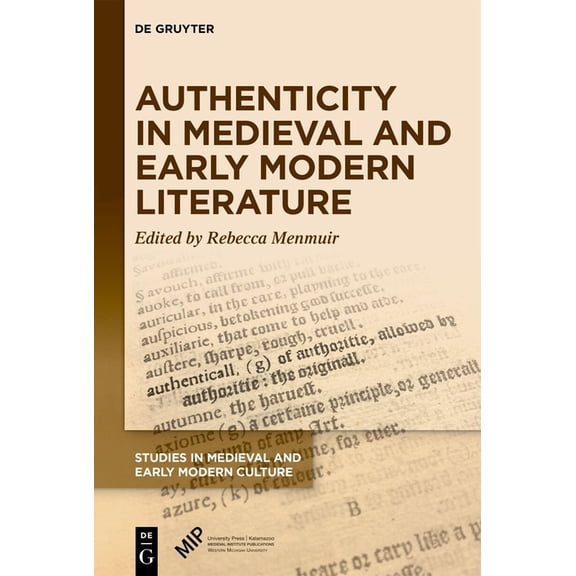 $8477current price $84.77
Studies in Medieval and Early Modern Cul Authenticity in Medieval and Early Modern Literature, Book 89, (Hardcover)
Studies in Medieval Literature Pilosity, Prejudice, and Passion in the Tale of Old Bearded Achbor by Yaakov Ben El'azar of Toledo, (Hardcover) $74.02
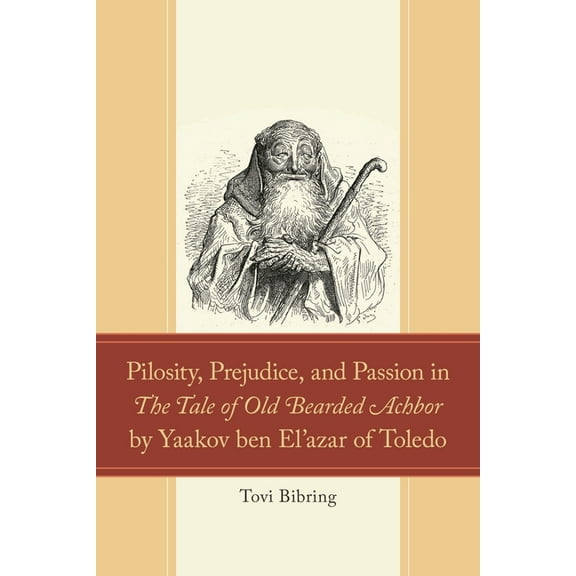 $7402current price $74.02
Studies in Medieval Literature Pilosity, Prejudice, and Passion in the Tale of Old Bearded Achbor by Yaakov Ben El'azar of Toledo, (Hardcover)
New Middle Ages Representations of the Body in Middle English Biblical Drama, (Hardcover) $98.42
 $9842current price $98.42
New Middle Ages Representations of the Body in Middle English Biblical Drama, (Hardcover)
Cambridge Studies in Medieval Literature Middle English Mouths: Late Medieval Medical, Religious and Literary Traditions, Book 105, (Hardcover) $125.82
 $12582current price $125.82
Cambridge Studies in Medieval Literature Middle English Mouths: Late Medieval Medical, Religious and Literary Traditions, Book 105, (Hardcover)
Middle Ages Fallible Authors: Chaucer's Pardoner and Wife of Bath, (Hardcover) $87.64
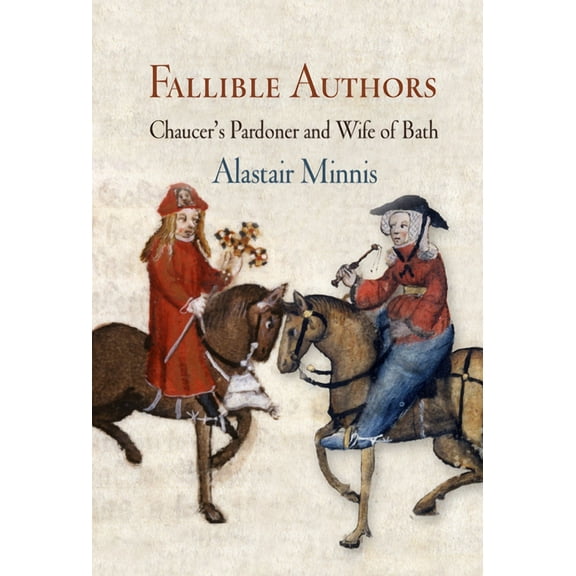 $8764current price $87.64
Middle Ages Fallible Authors: Chaucer's Pardoner and Wife of Bath, (Hardcover)
Figurae: Reading Medieval Culture: Medieval Venuses and Cupids : Sexuality, Hermeneutics, and English Poetry (Hardcover) $68.99
 $6899current price $68.99
Figurae: Reading Medieval Culture: Medieval Venuses and Cupids : Sexuality, Hermeneutics, and English Poetry (Hardcover)
Literary Criticism and Cultural Theory Aesthetic Hysteria: The Great Neurosis in Victorian Melodrama and Contemporary Fiction, (Paperback) $58.39
 $5839current price $58.39
Literary Criticism and Cultural Theory Aesthetic Hysteria: The Great Neurosis in Victorian Melodrama and Contemporary Fiction, (Paperback)
Contesting Earth's History in Transatlantic Literary Culture, 1860-1935: Believers and Visionaries on the Borderlines of, (Hardcover) $61.33 Was $69.59
 $6133current price $61.33, Was $69.59$69.59
Contesting Earth's History in Transatlantic Literary Culture, 1860-1935: Believers and Visionaries on the Borderlines of, (Hardcover)
Dictionary of Modern French Literature: From the Age of Reason Through Realism, (Hardcover) $101.11
 $10111current price $101.11
Dictionary of Modern French Literature: From the Age of Reason Through Realism, (Hardcover)
New Middle Ages Women and Experience in Later Medieval Writing: Reading the Book of Life, (Hardcover) $56.14
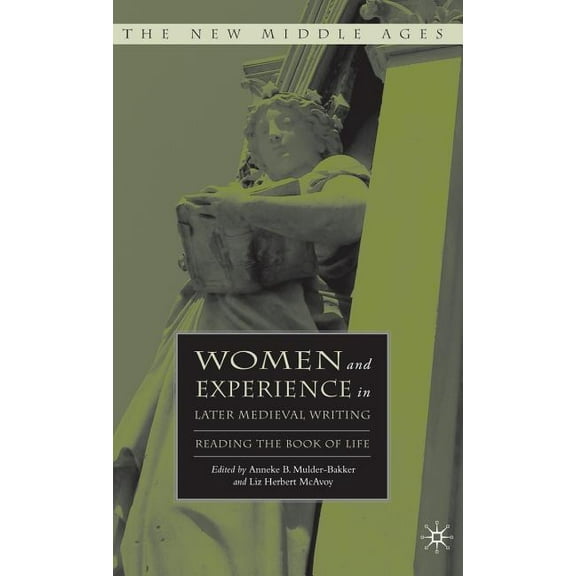 $5614current price $56.14
New Middle Ages Women and Experience in Later Medieval Writing: Reading the Book of Life, (Hardcover)
Rebellion, (Paperback) $13.99
 $1399current price $13.99
Rebellion, (Paperback)
New Antiquity Lucretius and Modernity: Epicurean Encounters Across Time and Disciplines, (Hardcover) $40.41
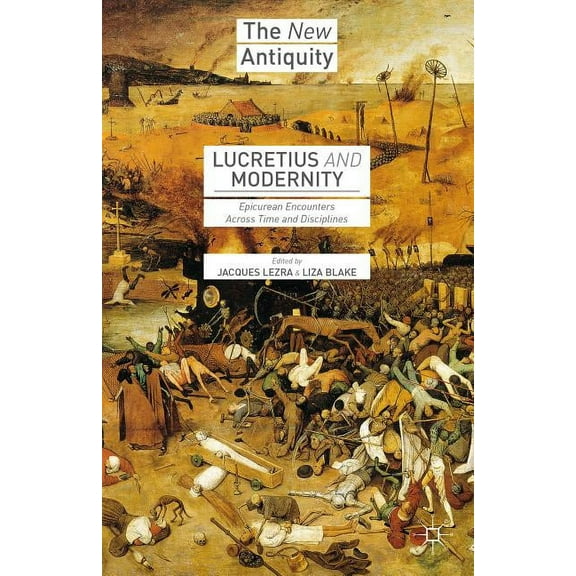 $4041current price $40.41
New Antiquity Lucretius and Modernity: Epicurean Encounters Across Time and Disciplines, (Hardcover)
Palgrave Studies in Nineteenth-Century W Adolescent Girlhood and Literary Culture at the Fin de Siècle: Daughters of Today, (Hardcover) $56.14
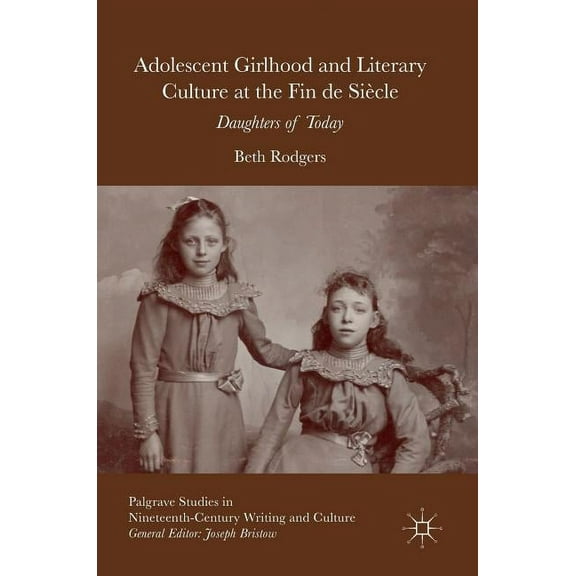 $5614current price $56.14
Palgrave Studies in Nineteenth-Century W Adolescent Girlhood and Literary Culture at the Fin de Siècle: Daughters of Today, (Hardcover)
Customer ratings & reviews
0 ratings|0 reviews
This item does not have any reviews yet
