Okay, here's how it goes:
Stage 1 - Heavy infestation: you set the traps at opposite ends of your house, where moths are most apparent, and they swarm by the hundreds in minutes.
Stage 2 - After the initial swarming, you need to set new traps a few days later, this will cover the next 3 weeks, catching many more moths, and their life cycle will begin to break.
Stage 3 - After the second wave, you will need to buy a 3rd pack of fresh traps - by this time, you should catch very few moths. Leave the 3rd set of traps in place for a few months.
Stage 4: Replace the traps every 3 months to monitor for new activity - you should catch ZERO moths at this point.
So far after my 3rd stage, I caught one single moth in two days. The life cycle is broken, but there may be more eggs waiting to hatch. Stay vigilant!
That said, you MUST inspect ALL pantry items (especially the dry starches, like flour, grains, and pasta) for "worm sign," (webbing, clumping.) If you find infested food, put it directly in your freezer for two days, then throw it away. You MUST find breeding grounds (especially behind and around free-standing stoves/ovens, refrigerators) and treat them safely with insecticide (I used Raid.)
Then, you must place ALL dry grains and legumes in two layers of freezer bags, or single mylar bags, and store in the freezer. The moths can lay eggs that can lie dormant for months, and then you have a new generation of moths. So:
Use four sets of traps, first on day one, second traps on day three, and third set of traps at week three, and fourth set to monitor afterwards. Sequester all dry goods in airtight containers (freezer bags or mylar) and place them in the freezer. Inspect EVERYTHING in your pantry for signs of worm hatching and freeze if found, BEFORE throwing away.
The goal is to have nothing in your pantry accessible to the moths for the next 9 months. Keep checking the traps, and when you stop catching new moths, you can safely assume the infestation is over.
In the future, store your legumes and grains in airtight containers (plastic buckets with Gamma lids) with oxygen absorbers, and don't place unprotected items against an exterior wall.
Maintain the traps. Keep refreshing the moth traps every 3 months to detect signs of new activity. If you detect new activity, treat it as an emergency! Put everything in the freezer and use insecticide in a safe manner.
Clean. Clean everything with meticulous detail. 70% isopropyl alcohol kills eggs on contact, but do not over-apply, and ensure good ventilation. Then vacuum all cracks and crevices.
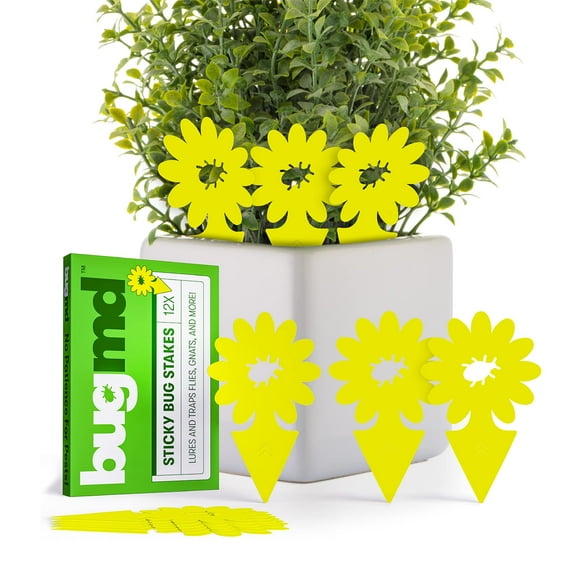
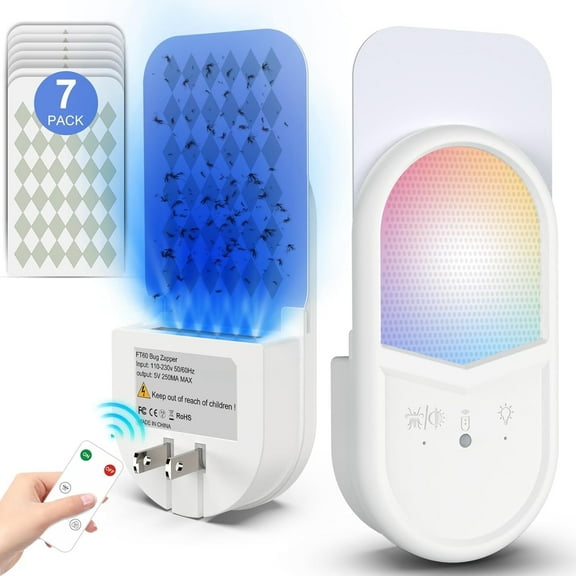
These traps are extraordinarily effective, easy to set, have no odor, and can break the breeding cycle of these pests. Be prepared to stay vigilant for the next 6 months and monitor the traps for any INCREASE of activity.
Cleanliness is next to moth-lessness!






![STEM Light Trap, Attracts and Traps Flying Insects, Emits Soft Blue Light, [Includes Starter Kit with 1 Light Trap and 1 Cartridge]](https://i5.walmartimages.com/asr/f9cb4d45-95f4-497d-9cdb-ea1385e09e93.aeb6083a9a9e935dfe8c7fb82e01f6dc.jpeg?odnHeight=576&odnWidth=576&odnBg=FFFFFF)