


Hero image 0 of Archaeology of the American South: New Directions and Perspectives: Megadrought in the Carolinas : The Archaeology of Mississippian Collapse, Abandonment, and Coalescence (Edition 1) (Hardcover), 0 of 1
Archaeology of the American South: New Directions and Perspectives: Megadrought in the Carolinas : The Archaeology of Mississippian Collapse, Abandonment, and Coalescence (Edition 1) (Hardcover)
(No ratings yet)
Key item features
Considers the Native American abandonment of the South Carolina coast
A prevailing enigma in American archaeology is why vast swaths of land in the Southeast and Southwest were abandoned between AD 1200 and 1500. The most well-known abandonments occurred in the Four Corners and Mimbres areas of the Southwest and the central Mississippi valley in the twelfth and thirteenth centuries and in southern Arizona and the Ohio Valley during the fifteenth century. In Megadrought in the Carolinas: The Archaeology of Mississippian Collapse, Abandonment, and Coalescence, John S. Cable demonstrates through the application of innovative ceramic analysis that yet another fifteenth-century abandonment event took place across an area of some 34.5 million acres centered on the South Carolina coast.
Most would agree that these sweeping changes were at least in part the consequence of prolonged droughts associated with a period of global warming known as the Medieval Climatic Anomaly. Cable strengthens this inference by showing that these events correspond exactly with the timing of two different geographic patterns of megadrought as defined by modern climate models.
Cable extends his study by testing the proposition that the former residents of the coastal zone migrated to surrounding interior regions where the effects of drought were less severe. Abundant support for this expectation is found in the archaeology of these regions, including evidence of accelerated population growth, crowding, and increased regional hostilities. Another important implication of immigration is the eventual coalescence of ethnic and/or culturally different social groups and the ultimate transformation of societies into new cultural syntheses. Evidence for this process is not yet well documented in the Southeast, but Cable draws on his familiarity with the drought-related Puebloan intrusions into the Hohokam Core Area of southern Arizona during the thirteenth and fourteenth centuries to suggest strategies for examining coalescence in the Southeast. The narrative concludes by addressing the broad implications of late prehistoric societal collapse for today’s human-propelled global warming era that portends similar but much more long-lasting consequences.
A prevailing enigma in American archaeology is why vast swaths of land in the Southeast and Southwest were abandoned between AD 1200 and 1500. The most well-known abandonments occurred in the Four Corners and Mimbres areas of the Southwest and the central Mississippi valley in the twelfth and thirteenth centuries and in southern Arizona and the Ohio Valley during the fifteenth century. In Megadrought in the Carolinas: The Archaeology of Mississippian Collapse, Abandonment, and Coalescence, John S. Cable demonstrates through the application of innovative ceramic analysis that yet another fifteenth-century abandonment event took place across an area of some 34.5 million acres centered on the South Carolina coast.
Most would agree that these sweeping changes were at least in part the consequence of prolonged droughts associated with a period of global warming known as the Medieval Climatic Anomaly. Cable strengthens this inference by showing that these events correspond exactly with the timing of two different geographic patterns of megadrought as defined by modern climate models.
Cable extends his study by testing the proposition that the former residents of the coastal zone migrated to surrounding interior regions where the effects of drought were less severe. Abundant support for this expectation is found in the archaeology of these regions, including evidence of accelerated population growth, crowding, and increased regional hostilities. Another important implication of immigration is the eventual coalescence of ethnic and/or culturally different social groups and the ultimate transformation of societies into new cultural syntheses. Evidence for this process is not yet well documented in the Southeast, but Cable draws on his familiarity with the drought-related Puebloan intrusions into the Hohokam Core Area of southern Arizona during the thirteenth and fourteenth centuries to suggest strategies for examining coalescence in the Southeast. The narrative concludes by addressing the broad implications of late prehistoric societal collapse for today’s human-propelled global warming era that portends similar but much more long-lasting consequences.
Specs
- Book formatHardcover
- Fiction/nonfictionNon-Fiction
- GenreHistory
- Publication dateJanuary, 2020
- Pages336
- Number in series1
Current price is USD$69.80
Price when purchased online
- Free shipping
 Free 30-day returns
How do you want your item?
Columbus, 43215
Arrives between May 13 - May 19
|
Sold and shipped by newbookdeals
4.5602910602910605 stars out of 5, based on 1924 seller reviews(4.6)1924 seller reviews

Free 30-day returns
About this item
Product details
Considers the Native American abandonment of the South Carolina coast
Considers the Native American abandonment of the South Carolina coast
A prevailing enigma in American archaeology is why vast swaths of land in the Southeast and Southwest were abandoned between AD 1200 and 1500. The most well-known abandonments occurred in the Four Corners and Mimbres areas of the Southwest and the central Mississippi valley in the twelfth and thirteenth centuries and in southern Arizona and the Ohio Valley during the fifteenth century. In Megadrought in the Carolinas: The Archaeology of Mississippian Collapse, Abandonment, and Coalescence, John S. Cable demonstrates through the application of innovative ceramic analysis that yet another fifteenth-century abandonment event took place across an area of some 34.5 million acres centered on the South Carolina coast.
Most would agree that these sweeping changes were at least in part the consequence of prolonged droughts associated with a period of global warming known as the Medieval Climatic Anomaly. Cable strengthens this inference by showing that these events correspond exactly with the timing of two different geographic patterns of megadrought as defined by modern climate models.
Cable extends his study by testing the proposition that the former residents of the coastal zone migrated to surrounding interior regions where the effects of drought were less severe. Abundant support for this expectation is found in the archaeology of these regions, including evidence of accelerated population growth, crowding, and increased regional hostilities. Another important implication of immigration is the eventual coalescence of ethnic and/or culturally different social groups and the ultimate transformation of societies into new cultural syntheses. Evidence for this process is not yet well documented in the Southeast, but Cable draws on his familiarity with the drought-related Puebloan intrusions into the Hohokam Core Area of southern Arizona during the thirteenth and fourteenth centuries to suggest strategies for examining coalescence in the Southeast. The narrative concludes by addressing the broad implications of late prehistoric societal collapse for today’s human-propelled global warming era that portends similar but much more long-lasting consequences.
A prevailing enigma in American archaeology is why vast swaths of land in the Southeast and Southwest were abandoned between AD 1200 and 1500. The most well-known abandonments occurred in the Four Corners and Mimbres areas of the Southwest and the central Mississippi valley in the twelfth and thirteenth centuries and in southern Arizona and the Ohio Valley during the fifteenth century. In Megadrought in the Carolinas: The Archaeology of Mississippian Collapse, Abandonment, and Coalescence, John S. Cable demonstrates through the application of innovative ceramic analysis that yet another fifteenth-century abandonment event took place across an area of some 34.5 million acres centered on the South Carolina coast.
Most would agree that these sweeping changes were at least in part the consequence of prolonged droughts associated with a period of global warming known as the Medieval Climatic Anomaly. Cable strengthens this inference by showing that these events correspond exactly with the timing of two different geographic patterns of megadrought as defined by modern climate models.
Cable extends his study by testing the proposition that the former residents of the coastal zone migrated to surrounding interior regions where the effects of drought were less severe. Abundant support for this expectation is found in the archaeology of these regions, including evidence of accelerated population growth, crowding, and increased regional hostilities. Another important implication of immigration is the eventual coalescence of ethnic and/or culturally different social groups and the ultimate transformation of societies into new cultural syntheses. Evidence for this process is not yet well documented in the Southeast, but Cable draws on his familiarity with the drought-related Puebloan intrusions into the Hohokam Core Area of southern Arizona during the thirteenth and fourteenth centuries to suggest strategies for examining coalescence in the Southeast. The narrative concludes by addressing the broad implications of late prehistoric societal collapse for today’s human-propelled global warming era that portends similar but much more long-lasting consequences.
info:
We aim to show you accurate product information. Manufacturers, suppliers and others provide what you see here, and we have not verified it.
Specifications
Book format
Hardcover
Fiction/nonfiction
Non-Fiction
Genre
History
Publication date
January, 2020
Warranty
Warranty information
Please be aware that the warranty terms on items offered for sale by third party Marketplace sellers may differ from those displayed in this section (if any). To confirm warranty terms on an item offered for sale by a third party Marketplace seller, please use the 'Contact seller' feature on the third party Marketplace seller's information page and request the item's warranty terms prior to purchase.
Similar items you might like
Based on what customers bought
Colonial Georgia and the Creeks: Anglo-Indian Diplomacy on the Southern Frontier, 1733-1763 (Hardcover) $50.59
 $5059current price $50.59
Colonial Georgia and the Creeks: Anglo-Indian Diplomacy on the Southern Frontier, 1733-1763 (Hardcover)
Archaeology of the American South: New Directions and Perspectives: Reconsidering Mississippian Communities and Households (Edition 1) (Hardcover) $69.80
 $6980current price $69.80
Archaeology of the American South: New Directions and Perspectives: Reconsidering Mississippian Communities and Households (Edition 1) (Hardcover)
Early American Studies Debility and Power: How Climate Knowledge Made the Nineteenth-Century Us South, (Hardcover) $49.95
 $4995current price $49.95
Early American Studies Debility and Power: How Climate Knowledge Made the Nineteenth-Century Us South, (Hardcover)
Tartaria Full Hidden History Unlocked Hardcover Linen edition: We Are Not Supposed to Know What's In This Book!, (Hardcover) $82.88
 $8288current price $82.88
Tartaria Full Hidden History Unlocked Hardcover Linen edition: We Are Not Supposed to Know What's In This Book!, (Hardcover)
The Great Upheaval: War, Migration, and Transformation in Early Modern America, 1675-1725, (Hardcover) $70.00
 $7000current price $70.00
The Great Upheaval: War, Migration, and Transformation in Early Modern America, 1675-1725, (Hardcover)
Eldorado or Fortress? Migration in Southern Europe, (Hardcover) $62.07
 $6207current price $62.07
Eldorado or Fortress? Migration in Southern Europe, (Hardcover)
Archaeology of the American South: New D Life in a Mississippian Warscape: Common Field, Cahokia, and the Effects of Warfare, (Hardcover) $57.48
 $5748current price $57.48
Archaeology of the American South: New D Life in a Mississippian Warscape: Common Field, Cahokia, and the Effects of Warfare, (Hardcover)
Archaeology of the American South: New Directions and Perspectives: Uprooted : Race, Public Housing, and the Archaeology of Four Lost New Orleans Neighborhoods (Edition 1) (Hardcover) $60.05
 $6005current price $60.05
Archaeology of the American South: New Directions and Perspectives: Uprooted : Race, Public Housing, and the Archaeology of Four Lost New Orleans Neighborhoods (Edition 1) (Hardcover)
Archaeology of the American South: New Directions and Perspectives: Garden Creek : The Archaeology of Interaction in Middle Woodland Appalachia (Edition 1) (Hardcover) $65.55
 $6555current price $65.55
Archaeology of the American South: New Directions and Perspectives: Garden Creek : The Archaeology of Interaction in Middle Woodland Appalachia (Edition 1) (Hardcover)
Origins of a Southern Mosaic: Studies of Early Carolina and Georgia, (Paperback) $41.08
 $4108current price $41.08
Origins of a Southern Mosaic: Studies of Early Carolina and Georgia, (Paperback)
Archaeology of the American South: New Directions and Perspectives: Archaeology and Ancient Religion in the American Midcontinent (Edition 1) (Hardcover) $69.80
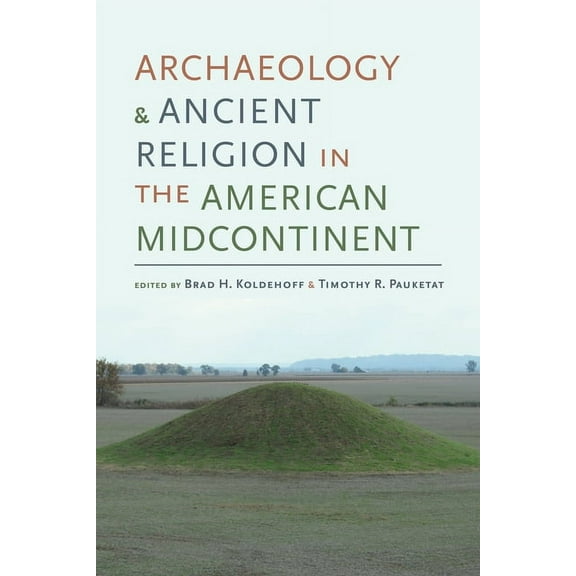 $6980current price $69.80
Archaeology of the American South: New Directions and Perspectives: Archaeology and Ancient Religion in the American Midcontinent (Edition 1) (Hardcover)
American Experience in Archaeological Pe The Archaeology of the North American Fur Trade, (Hardcover) $70.51
 $7051current price $70.51
American Experience in Archaeological Pe The Archaeology of the North American Fur Trade, (Hardcover)
People in a Sea of Grass : Archaeology's Changing Perspective on Indigenous Plains Communities (Hardcover) $64.98
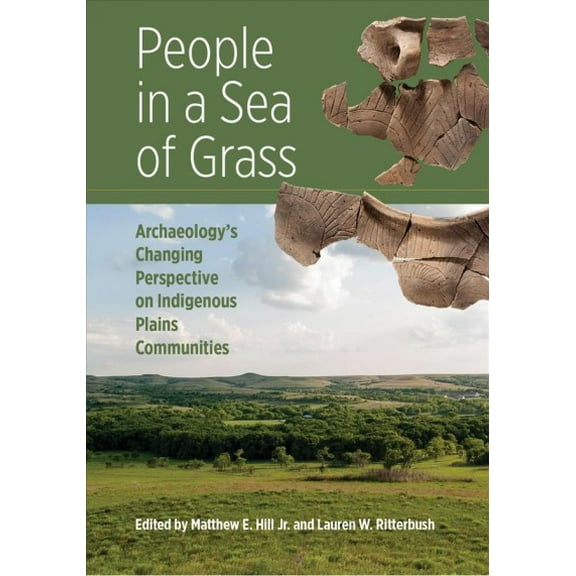 $6498current price $64.98
People in a Sea of Grass : Archaeology's Changing Perspective on Indigenous Plains Communities (Hardcover)
Early Settlers of New York State: Their Ancestors and Descendants; 1-3 (Hardcover) $53.67
 $5367current price $53.67
Early Settlers of New York State: Their Ancestors and Descendants; 1-3 (Hardcover)
Historical Archaeology of the American W Segregation Made Them Neighbors: An Archaeology of Racialization in Boise, Idaho, (Hardcover) $39.50 Was $75.00
 $3950current price $39.50, Was $75.00$75.00
Historical Archaeology of the American W Segregation Made Them Neighbors: An Archaeology of Racialization in Boise, Idaho, (Hardcover)
Critical Studies in the History of Anthr The Meskwaki and Anthropologists: Action Anthropology Reconsidered, (Hardcover) $65.55
 $6555current price $65.55
Critical Studies in the History of Anthr The Meskwaki and Anthropologists: Action Anthropology Reconsidered, (Hardcover)
Critical South The Politics of Time: Imagining African Becomings, (Hardcover) $65.85
 $6585current price $65.85
Critical South The Politics of Time: Imagining African Becomings, (Hardcover)
New Directions in South-South Migration, (Hardcover) $65.61
 $6561current price $65.61
New Directions in South-South Migration, (Hardcover)
Studies in the Anthropology of North Ame Great Plains Ethnohistory: New Interdisciplinary Approaches, (Hardcover) $110.78
 $11078current price $110.78
Studies in the Anthropology of North Ame Great Plains Ethnohistory: New Interdisciplinary Approaches, (Hardcover)
Classics in Southeastern Archaeology: The Cahokia Mounds (Edition 1) (Paperback) $62.31
 $6231current price $62.31
Classics in Southeastern Archaeology: The Cahokia Mounds (Edition 1) (Paperback)
Customer ratings & reviews
0 ratings|0 reviews
This item does not have any reviews yet
