


Missouri Heritage Readers: The Osage in Missouri (Series #1) (Paperback)
Key item features
On November 10, 1808, the American militia and the chiefs from the Little Osage and Big Osage nations celebrated. Fort Osage, built on a Missouri River bluff 250 miles west of St. Louis, was officially opened on that date, and the Osage Indians signed a treaty with the Americans written by Governor Meriwether Lewis.
Fort Osage, intended as a citadel for the opening of the great American West, was also to function as a trading post for the Osage Nation. It was President Jefferson's hope that Fort Osage and other fort-trading posts would not only keep peace on the frontier but would also begin a new era in relations between Native Americans and the United States. For a short time, the fort did provide the Osage with a place to trade their furs. It also offered them limited protection from the many other tribes who were their enemies. However, the Osage chiefs discovered very quickly that the fort was small consolation for the lands they had given up by signing the treaty.
In this well-written and very readable work, Kristie C. Wolferman traces the history of the Osage Nation from its origins to its forced departure from Missouri. She demonstrates the ways in which the Osage culture changed with each new encounter of the Osage with Europeans. The Osage had already experienced many contacts with the white man before Fort Osage came to be. They had encountered French trader-trappers, explorers, missionaries, Spanish administrators, and early settlers. Their lives had been changed by the influx of white disease, by the use of European trade goods and weapons, and by the political control of Spanish, French, and American governments. As a result, the Fort Osage experiment came too late to establish lasting good relations between the white men and the Indians.
The Osage in Missouri suggests that the white men could never understand the Osage way of life, nor the Osage the white men's way. But Osage culture, greatly altered by Europeans and Americans, would never be the same again. The Osage would be forced to sacrifice most of their traditions and beliefs, as well as their homeland, on the way to becoming "civilized."
Specs
- Book formatPaperback
- Fiction/nonfictionNon-Fiction
- GenreHistory
- Publication dateJuly, 1997
- Pages136
- Age range0 - 99 Years
- Free shipping
 Free 30-day returns
How do you want your item?


About this item
Product details
On November 10, 1808, the American militia and the chiefs from the Little Osage and Big Osage nations celebrated. Fort Osage, built on a Missouri River bluff 250 miles west of St. Louis, was officially opened on that date, and the Osage Indians signed a treaty with the Americans written by Governor Meriwether Lewis.
Fort Osage, intended as a citadel for the opening of the great American West, was also to function as a trading post for the Osage Nation. It was President Jefferson's hope that Fort Osage and other fort-trading posts would not only keep peace on the frontier but would also begin a new era in relations between Native Americans and the United States. For a short time, the fort did provide the Osage with a place to trade their furs. It also offered them limited protection from the many other tribes who were their enemies. However, the Osage chiefs discovered very quickly that the fort was small consolation for the lands they had given up by signing the treaty.
In this well-written and very readable work, Kristie C. Wolferman traces the history of the Osage Nation from its origins to its forced departure from Missouri. She demonstrates the ways in which the Osage culture changed with each new encounter of the Osage with Europeans. The Osage had already experienced many contacts with the white man before Fort Osage came to be. They had encountered French trader-trappers, explorers, missionaries, Spanish administrators, and early settlers. Their lives had been changed by the influx of white disease, by the use of European trade goods and weapons, and by the political control of Spanish, French, and American governments. As a result, the Fort Osage experiment came too late to establish lasting good relations between the white men and the Indians.
The Osage in Missouri suggests that the white men could never understand the Osage way of life, nor the Osage the white men's way. But Osage culture, greatly altered by Europeans and Americans, would never be the same again. The Osage would be forced to sacrifice most of their traditions and beliefs, as well as their homeland, on the way to becoming "civilized."
On November 10, 1808, the American militia and the chiefs from the Little Osage and Big Osage nations celebrated. Fort Osage, built on a Missouri River bluff 250 miles west of St. Louis, was officially opened on that date, and the Osage Indians signed a treaty with the Americans written by Governor Meriwether Lewis.
Fort Osage, intended as a citadel for the opening of the great American West, was also to function as a trading post for the Osage Nation. It was President Jefferson's hope that Fort Osage and other fort-trading posts would not only keep peace on the frontier but would also begin a new era in relations between Native Americans and the United States. For a short time, the fort did provide the Osage with a place to trade their furs. It also offered them limited protection from the many other tribes who were their enemies. However, the Osage chiefs discovered very quickly that the fort was small consolation for the lands they had given up by signing the treaty.
In this well-written and very readable work, Kristie C. Wolferman traces the history of the Osage Nation from its origins to its forced departure from Missouri. She demonstrates the ways in which the Osage culture changed with each new encounter of the Osage with Europeans. The Osage had already experienced many contacts with the white man before Fort Osage came to be. They had encountered French trader-trappers, explorers, missionaries, Spanish administrators, and early settlers. Their lives had been changed by the influx of white disease, by the use of European trade goods and weapons, and by the political control of Spanish, French, and American governments. As a result, the Fort Osage experiment came too late to establish lasting good relations between the white men and the Indians.
The Osage in Missouri suggests that the white men could never understand the Osage way of life, nor the Osage the white men's way. But Osage culture, greatly altered by Europeans and Americans, would never be the same again. The Osage would be forced to sacrifice most of their traditions and beliefs, as well as their homeland, on the way to becoming "civilized."
Specifications
Book format
Fiction/nonfiction
Genre
Publication date
Warranty
Warranty information
Similar items you might like
Black Power: (A State of Mind) (Paperback) $16.13
 $1613current price $16.13
Black Power: (A State of Mind) (Paperback)
A Geological Map of the United States,, (Paperback) $19.99
 $1999current price $19.99
A Geological Map of the United States,, (Paperback)
Fulton, Missouri 1820-1920: History in Stories and Photographs (Paperback) $19.99
 $1999current price $19.99
Fulton, Missouri 1820-1920: History in Stories and Photographs (Paperback)
Genealogical History Of The Lee Family Of Virginia And Maryland From A.d. 1300 To A.d. 1866 (Paperback) $19.91
 $1991current price $19.91
Genealogical History Of The Lee Family Of Virginia And Maryland From A.d. 1300 To A.d. 1866 (Paperback)
Best seller Hey, Mama! Tell Me Something I Don't Know, (Paperback) $18.62
Best seller $1862current price $18.62
Hey, Mama! Tell Me Something I Don't Know, (Paperback)
54.2 out of 5 Stars. 5 reviewsMissouri Heritage Readers: Immigrant Women in the Settlement of Missouri (Series #1) (Paperback) $19.88
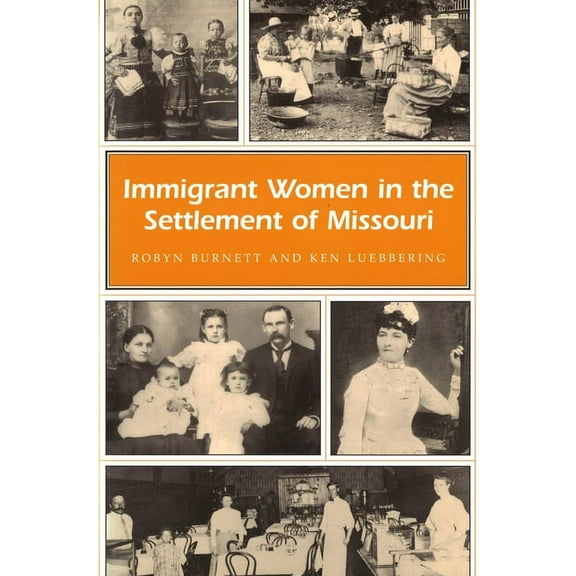 $1988current price $19.88
Missouri Heritage Readers: Immigrant Women in the Settlement of Missouri (Series #1) (Paperback)
Raising Missouri (Paperback) $20.00
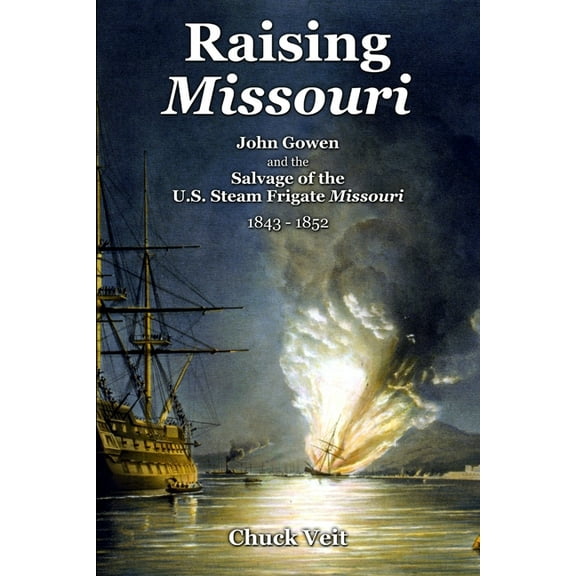 $2000current price $20.00
Raising Missouri (Paperback)
The Māori & English Activity Book, (Paperback) $14.99
 $1499current price $14.99
The Māori & English Activity Book, (Paperback)
History of Missouri in Words of one Syllable (Paperback) $18.95
 $1895current price $18.95
History of Missouri in Words of one Syllable (Paperback)
The Obelisk.; 1956, (Paperback) $23.83
 $2383current price $23.83
The Obelisk.; 1956, (Paperback)
The Obelisk.; 1914, (Paperback) $21.35
 $2135current price $21.35
The Obelisk.; 1914, (Paperback)
The Obelisk.; 1918, (Paperback) $22.04
 $2204current price $22.04
The Obelisk.; 1918, (Paperback)
The Obelisk.; 1944, (Paperback) $22.05
 $2205current price $22.05
The Obelisk.; 1944, (Paperback)
The Obelisk.; 1935, (Paperback) $24.60
 $2460current price $24.60
The Obelisk.; 1935, (Paperback)
Shawnee Books: Growing Up in a Land Called Egypt : A Southern Illinois Family Biography (Paperback) $22.81
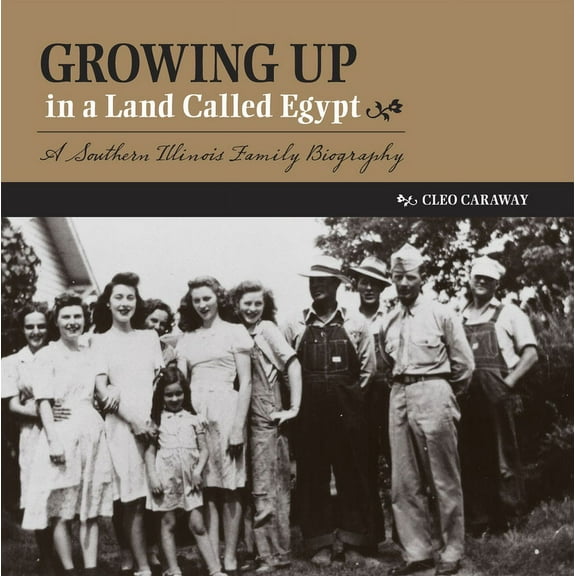 $2281current price $22.81
Shawnee Books: Growing Up in a Land Called Egypt : A Southern Illinois Family Biography (Paperback)
The Obelisk.; 1937, (Paperback) $24.44
 $2444current price $24.44
The Obelisk.; 1937, (Paperback)
Missouri Heritage Readers: Blind Boone : Missouri's Ragtime Pioneer (Series #1) (Paperback) $18.51
 $1851current price $18.51
Missouri Heritage Readers: Blind Boone : Missouri's Ragtime Pioneer (Series #1) (Paperback)
The Obelisk.; 1942, (Paperback) $24.58
 $2458current price $24.58
The Obelisk.; 1942, (Paperback)
Haunted Independence Missouri, (Paperback) $21.66
 $2166current price $21.66
Haunted Independence Missouri, (Paperback)

Customer ratings & reviews

Related pages
- Vermont Catalog
- Columbus Global
- Best Sellers In Vienna Travel Guides
- Pennsylvania Dept Of Agriculture
- Pennsylvania Dept Of Forestry
- North Carolina Dept Of Agriculture
- Australian & New Zealand History Books
- Military Travel Books, Maps & Guides
- General Middle East Travel Books, Maps & Guides
- Western Europe Travel Books
- Western Canadian Provinces Travel Books, Maps & Guides
- Business Travel Books, Maps & Guides