


Cántico Espiritual (Edición Definitiva) / The Spiritual Canticle (Hardcover)
(No ratings yet)
Key item features
UN ACONTECIMIENTO EDITORIAL SIN PRECEDENTES
La edición más completa, libre de la censura católica, del gran poema de la mística castellana
Una cárcel denigrante fue el lugar donde se concibió, en 1578, Cántico espiritual, uno de los mayores poemas de la literatura occidental. Ahí permaneció encerrado fray Juan de la Cruz por querer reformar la orden de los carmelitas. Su carcelero le facilitó papel y tinta para escribir, así como aguja e hilo con los que el descalzo pudo coser mantas y trapos para fugarse, llevándose el cuaderno con las primeras treinta y una estrofas de las «Canciones entre el Alma y el Esposo» que había compuesto de memoria en la noche de su encierro. Mediante una metáfora erótica, el poema describía una profunda experiencia mística que se vinculaba con la tradición sapiencial hebrea, buscando la comunión con Dios a través del encuentro con la esencia de la palabra bíblica, tal y como habían propuesto Casiodoro de Reina, autor de la primera y prohibida traducción completa de la Biblia al castellano, o fray Luis de León, probable maestro de fray Juan en Salamanca.
En esta nueva y reveladora edición, Lola Josa, especialista en el autor, ha fijado el texto a la luz de la mística hebrea sumergida en el poema, enmendando errores seculares de transmisión y proponiendo una revolucionaria interpretación que, libre de dogmas tanto religiosos como filológicos, da una nueva vida al poema y nos descubre un tesoro oculto de referencias, lecturas y desafíos.
ENGLISH DESCRIPTION
AN UNPRECEDENTED LITERARY EVENT.
The most comprehensive edition, free of Catholic censorship, of the great poem of Spanish mysticism.
The spiritual canticle, one of the greatest poems in Western literature, was written in 1578, inside a denigrating prison cell. Friar John of the Cross was imprisoned because he wanted to reform the Carmelite order. His jailer gave him ink and paper to write, same as needle and thread so he could sow blankets and rags together, and escape, taking the first thirty-one stanzas of “The song between the soul and the bridegroom” with him, which he had written by memory the night of his imprisonment. By way of an erotic metaphor, the poem describes a profound mystical experience linked to Jewish sapiential tradition, seeking communion with God while encountering the essence of the biblical word, just as Casiodoro de Reina, author of the first —and banned— complete Spanish translation of the Bible, had suggested. Or Friar Luis de León, likely the teacher of Friar John, in Salamanca.
In this recent and revealing edition, Lola Josa, specialist in Saint John of the Cross, has set the text in the light of the Jewish mysticism immersed in the poem, amending secular transmission errors, and suggesting a revolutionary rendition that, now free of religious and philosophical dogma, gives new life to the poem and opens up a hidden treasure of references, interpretations, and challenges.
La edición más completa, libre de la censura católica, del gran poema de la mística castellana
Una cárcel denigrante fue el lugar donde se concibió, en 1578, Cántico espiritual, uno de los mayores poemas de la literatura occidental. Ahí permaneció encerrado fray Juan de la Cruz por querer reformar la orden de los carmelitas. Su carcelero le facilitó papel y tinta para escribir, así como aguja e hilo con los que el descalzo pudo coser mantas y trapos para fugarse, llevándose el cuaderno con las primeras treinta y una estrofas de las «Canciones entre el Alma y el Esposo» que había compuesto de memoria en la noche de su encierro. Mediante una metáfora erótica, el poema describía una profunda experiencia mística que se vinculaba con la tradición sapiencial hebrea, buscando la comunión con Dios a través del encuentro con la esencia de la palabra bíblica, tal y como habían propuesto Casiodoro de Reina, autor de la primera y prohibida traducción completa de la Biblia al castellano, o fray Luis de León, probable maestro de fray Juan en Salamanca.
En esta nueva y reveladora edición, Lola Josa, especialista en el autor, ha fijado el texto a la luz de la mística hebrea sumergida en el poema, enmendando errores seculares de transmisión y proponiendo una revolucionaria interpretación que, libre de dogmas tanto religiosos como filológicos, da una nueva vida al poema y nos descubre un tesoro oculto de referencias, lecturas y desafíos.
ENGLISH DESCRIPTION
AN UNPRECEDENTED LITERARY EVENT.
The most comprehensive edition, free of Catholic censorship, of the great poem of Spanish mysticism.
The spiritual canticle, one of the greatest poems in Western literature, was written in 1578, inside a denigrating prison cell. Friar John of the Cross was imprisoned because he wanted to reform the Carmelite order. His jailer gave him ink and paper to write, same as needle and thread so he could sow blankets and rags together, and escape, taking the first thirty-one stanzas of “The song between the soul and the bridegroom” with him, which he had written by memory the night of his imprisonment. By way of an erotic metaphor, the poem describes a profound mystical experience linked to Jewish sapiential tradition, seeking communion with God while encountering the essence of the biblical word, just as Casiodoro de Reina, author of the first —and banned— complete Spanish translation of the Bible, had suggested. Or Friar Luis de León, likely the teacher of Friar John, in Salamanca.
In this recent and revealing edition, Lola Josa, specialist in Saint John of the Cross, has set the text in the light of the Jewish mysticism immersed in the poem, amending secular transmission errors, and suggesting a revolutionary rendition that, now free of religious and philosophical dogma, gives new life to the poem and opens up a hidden treasure of references, interpretations, and challenges.
Specs
- Book formatHardcover
- Fiction/nonfictionNon-Fiction
- GenreLiterature & Fiction
- Publication dateJune, 2021
- Pages320
- SubgenrePoetry
Current price is USDNow $17.83
You save $2.12
was $19.95$19.95
You save$2.12
Price when purchased online
Out of stock
How do you want your item?
Out of stock
About this item
Product details
UN ACONTECIMIENTO EDITORIAL SIN PRECEDENTES
La edición más completa, libre de la censura católica, del gran poema de la mística castellana Una cárcel denigrante fue el lugar donde se concibió, en 1578, Cántico espiritual, uno de los mayores poemas de la literatura occidental. Ahí permaneció encerrado fray Juan de la Cruz por querer reformar la orden de los carmelitas. Su carcelero le facilitó papel y tinta para escribir, así como aguja e hilo con los que el descalzo pudo coser mantas y trapos para fugarse, llevándose el cuaderno con las primeras treinta y una estrofas de las «Canciones entre el Alma y el Esposo» que había compuesto de memoria en la noche de su encierro. Mediante una metáfora erótica, el poema describía una profunda experiencia mística que se vinculaba con la tradición sapiencial hebrea, buscando la comunión con Dios a través del encuentro con la esencia de la palabra bíblica, tal y como habían propuesto Casiodoro de Reina, autor de la primera y prohibida traducción completa de la Biblia al castellano, o fray Luis de León, probable maestro de fray Juan en Salamanca. En esta nueva y reveladora edición, Lola Josa, especialista en el autor, ha fijado el texto a la luz de la mística hebrea sumergida en el poema, enmendando errores seculares de transmisión y proponiendo una revolucionaria interpretación que, libre de dogmas tanto religiosos como filológicos, da una nueva vida al poema y nos descubre un tesoro oculto de referencias, lecturas y desafíos. ENGLISH DESCRIPTION AN UNPRECEDENTED LITERARY EVENT.
The most comprehensive edition, free of Catholic censorship, of the great poem of Spanish mysticism. The spiritual canticle, one of the greatest poems in Western literature, was written in 1578, inside a denigrating prison cell. Friar John of the Cross was imprisoned because he wanted to reform the Carmelite order. His jailer gave him ink and paper to write, same as needle and thread so he could sow blankets and rags together, and escape, taking the first thirty-one stanzas of "The song between the soul and the bridegroom" with him, which he had written by memory the night of his imprisonment. By way of an erotic metaphor, the poem describes a profound mystical experience linked to Jewish sapiential tradition, seeking communion with God while encountering the essence of the biblical word, just as Casiodoro de Reina, author of the first --and banned-- complete Spanish translation of the Bible, had suggested. Or Friar Luis de León, likely the teacher of Friar John, in Salamanca. In this recent and revealing edition, Lola Josa, specialist in Saint John of the Cross, has set the text in the light of the Jewish mysticism immersed in the poem, amending secular transmission errors, and suggesting a revolutionary rendition that, now free of religious and philosophical dogma, gives new life to the poem and opens up a hidden treasure of references, interpretations, and challenges.
La edición más completa, libre de la censura católica, del gran poema de la mística castellana Una cárcel denigrante fue el lugar donde se concibió, en 1578, Cántico espiritual, uno de los mayores poemas de la literatura occidental. Ahí permaneció encerrado fray Juan de la Cruz por querer reformar la orden de los carmelitas. Su carcelero le facilitó papel y tinta para escribir, así como aguja e hilo con los que el descalzo pudo coser mantas y trapos para fugarse, llevándose el cuaderno con las primeras treinta y una estrofas de las «Canciones entre el Alma y el Esposo» que había compuesto de memoria en la noche de su encierro. Mediante una metáfora erótica, el poema describía una profunda experiencia mística que se vinculaba con la tradición sapiencial hebrea, buscando la comunión con Dios a través del encuentro con la esencia de la palabra bíblica, tal y como habían propuesto Casiodoro de Reina, autor de la primera y prohibida traducción completa de la Biblia al castellano, o fray Luis de León, probable maestro de fray Juan en Salamanca. En esta nueva y reveladora edición, Lola Josa, especialista en el autor, ha fijado el texto a la luz de la mística hebrea sumergida en el poema, enmendando errores seculares de transmisión y proponiendo una revolucionaria interpretación que, libre de dogmas tanto religiosos como filológicos, da una nueva vida al poema y nos descubre un tesoro oculto de referencias, lecturas y desafíos. ENGLISH DESCRIPTION AN UNPRECEDENTED LITERARY EVENT.
The most comprehensive edition, free of Catholic censorship, of the great poem of Spanish mysticism. The spiritual canticle, one of the greatest poems in Western literature, was written in 1578, inside a denigrating prison cell. Friar John of the Cross was imprisoned because he wanted to reform the Carmelite order. His jailer gave him ink and paper to write, same as needle and thread so he could sow blankets and rags together, and escape, taking the first thirty-one stanzas of "The song between the soul and the bridegroom" with him, which he had written by memory the night of his imprisonment. By way of an erotic metaphor, the poem describes a profound mystical experience linked to Jewish sapiential tradition, seeking communion with God while encountering the essence of the biblical word, just as Casiodoro de Reina, author of the first --and banned-- complete Spanish translation of the Bible, had suggested. Or Friar Luis de León, likely the teacher of Friar John, in Salamanca. In this recent and revealing edition, Lola Josa, specialist in Saint John of the Cross, has set the text in the light of the Jewish mysticism immersed in the poem, amending secular transmission errors, and suggesting a revolutionary rendition that, now free of religious and philosophical dogma, gives new life to the poem and opens up a hidden treasure of references, interpretations, and challenges.
UN ACONTECIMIENTO EDITORIAL SIN PRECEDENTES
La edición más completa, libre de la censura católica, del gran poema de la mística castellana
Una cárcel denigrante fue el lugar donde se concibió, en 1578, Cántico espiritual, uno de los mayores poemas de la literatura occidental. Ahí permaneció encerrado fray Juan de la Cruz por querer reformar la orden de los carmelitas. Su carcelero le facilitó papel y tinta para escribir, así como aguja e hilo con los que el descalzo pudo coser mantas y trapos para fugarse, llevándose el cuaderno con las primeras treinta y una estrofas de las «Canciones entre el Alma y el Esposo» que había compuesto de memoria en la noche de su encierro. Mediante una metáfora erótica, el poema describía una profunda experiencia mística que se vinculaba con la tradición sapiencial hebrea, buscando la comunión con Dios a través del encuentro con la esencia de la palabra bíblica, tal y como habían propuesto Casiodoro de Reina, autor de la primera y prohibida traducción completa de la Biblia al castellano, o fray Luis de León, probable maestro de fray Juan en Salamanca.
En esta nueva y reveladora edición, Lola Josa, especialista en el autor, ha fijado el texto a la luz de la mística hebrea sumergida en el poema, enmendando errores seculares de transmisión y proponiendo una revolucionaria interpretación que, libre de dogmas tanto religiosos como filológicos, da una nueva vida al poema y nos descubre un tesoro oculto de referencias, lecturas y desafíos.
ENGLISH DESCRIPTION
AN UNPRECEDENTED LITERARY EVENT.
The most comprehensive edition, free of Catholic censorship, of the great poem of Spanish mysticism.
The spiritual canticle, one of the greatest poems in Western literature, was written in 1578, inside a denigrating prison cell. Friar John of the Cross was imprisoned because he wanted to reform the Carmelite order. His jailer gave him ink and paper to write, same as needle and thread so he could sow blankets and rags together, and escape, taking the first thirty-one stanzas of “The song between the soul and the bridegroom” with him, which he had written by memory the night of his imprisonment. By way of an erotic metaphor, the poem describes a profound mystical experience linked to Jewish sapiential tradition, seeking communion with God while encountering the essence of the biblical word, just as Casiodoro de Reina, author of the first —and banned— complete Spanish translation of the Bible, had suggested. Or Friar Luis de León, likely the teacher of Friar John, in Salamanca.
In this recent and revealing edition, Lola Josa, specialist in Saint John of the Cross, has set the text in the light of the Jewish mysticism immersed in the poem, amending secular transmission errors, and suggesting a revolutionary rendition that, now free of religious and philosophical dogma, gives new life to the poem and opens up a hidden treasure of references, interpretations, and challenges.
La edición más completa, libre de la censura católica, del gran poema de la mística castellana
Una cárcel denigrante fue el lugar donde se concibió, en 1578, Cántico espiritual, uno de los mayores poemas de la literatura occidental. Ahí permaneció encerrado fray Juan de la Cruz por querer reformar la orden de los carmelitas. Su carcelero le facilitó papel y tinta para escribir, así como aguja e hilo con los que el descalzo pudo coser mantas y trapos para fugarse, llevándose el cuaderno con las primeras treinta y una estrofas de las «Canciones entre el Alma y el Esposo» que había compuesto de memoria en la noche de su encierro. Mediante una metáfora erótica, el poema describía una profunda experiencia mística que se vinculaba con la tradición sapiencial hebrea, buscando la comunión con Dios a través del encuentro con la esencia de la palabra bíblica, tal y como habían propuesto Casiodoro de Reina, autor de la primera y prohibida traducción completa de la Biblia al castellano, o fray Luis de León, probable maestro de fray Juan en Salamanca.
En esta nueva y reveladora edición, Lola Josa, especialista en el autor, ha fijado el texto a la luz de la mística hebrea sumergida en el poema, enmendando errores seculares de transmisión y proponiendo una revolucionaria interpretación que, libre de dogmas tanto religiosos como filológicos, da una nueva vida al poema y nos descubre un tesoro oculto de referencias, lecturas y desafíos.
ENGLISH DESCRIPTION
AN UNPRECEDENTED LITERARY EVENT.
The most comprehensive edition, free of Catholic censorship, of the great poem of Spanish mysticism.
The spiritual canticle, one of the greatest poems in Western literature, was written in 1578, inside a denigrating prison cell. Friar John of the Cross was imprisoned because he wanted to reform the Carmelite order. His jailer gave him ink and paper to write, same as needle and thread so he could sow blankets and rags together, and escape, taking the first thirty-one stanzas of “The song between the soul and the bridegroom” with him, which he had written by memory the night of his imprisonment. By way of an erotic metaphor, the poem describes a profound mystical experience linked to Jewish sapiential tradition, seeking communion with God while encountering the essence of the biblical word, just as Casiodoro de Reina, author of the first —and banned— complete Spanish translation of the Bible, had suggested. Or Friar Luis de León, likely the teacher of Friar John, in Salamanca.
In this recent and revealing edition, Lola Josa, specialist in Saint John of the Cross, has set the text in the light of the Jewish mysticism immersed in the poem, amending secular transmission errors, and suggesting a revolutionary rendition that, now free of religious and philosophical dogma, gives new life to the poem and opens up a hidden treasure of references, interpretations, and challenges.
info:
We aim to show you accurate product information. Manufacturers, suppliers and others provide what you see here, and we have not verified it.
Specifications
Book format
Hardcover
Fiction/nonfiction
Non-Fiction
Genre
Literature & Fiction
Publication date
June, 2021
Warranty
Warranty information
Please be aware that the warranty terms on items offered for sale by third party Marketplace sellers may differ from those displayed in this section (if any). To confirm warranty terms on an item offered for sale by a third party Marketplace seller, please use the 'Contact seller' feature on the third party Marketplace seller's information page and request the item's warranty terms prior to purchase.
Similar items you might like
Based on what customers bought
Best seller The Perfect Divorce (Unabridged edition) (Hardcover) $14.99
Best seller $1499current price $14.99
The Perfect Divorce (Unabridged edition) (Hardcover)
444.7 out of 5 Stars. 44 reviewsBest seller The Widow: A Novel (Hardcover) $22.38
Best seller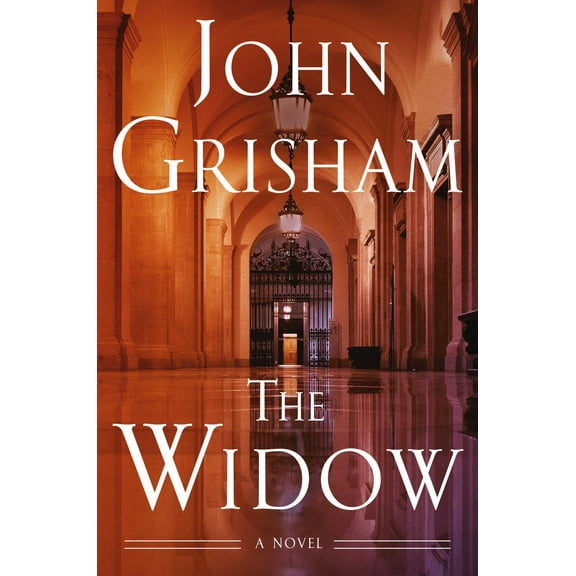 $2238current price $22.38
The Widow: A Novel (Hardcover)
3134.7 out of 5 Stars. 313 reviewsBest seller Alchemised (Hardcover) $24.48
Best seller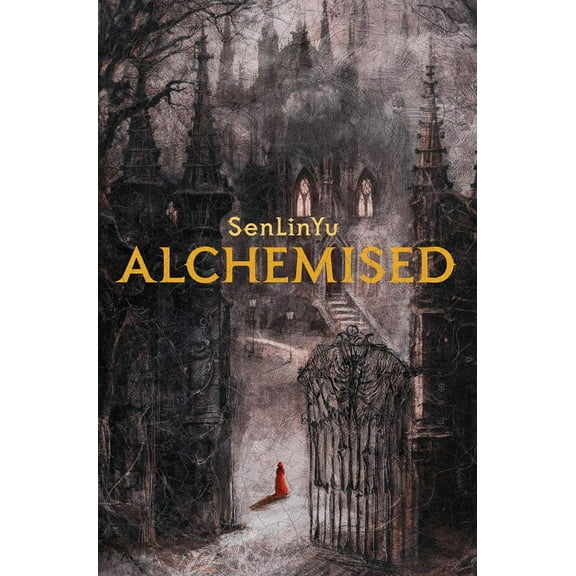 $2448current price $24.48
Alchemised (Hardcover)
1414.6 out of 5 Stars. 141 reviewsBest seller Gone Before Goodbye (Hardcover) $15.25
Best seller $1525current price $15.25
Gone Before Goodbye (Hardcover)
484.6 out of 5 Stars. 48 reviewsBest seller Holy Bible: The New Testament (Hardcover) $1.98
Best seller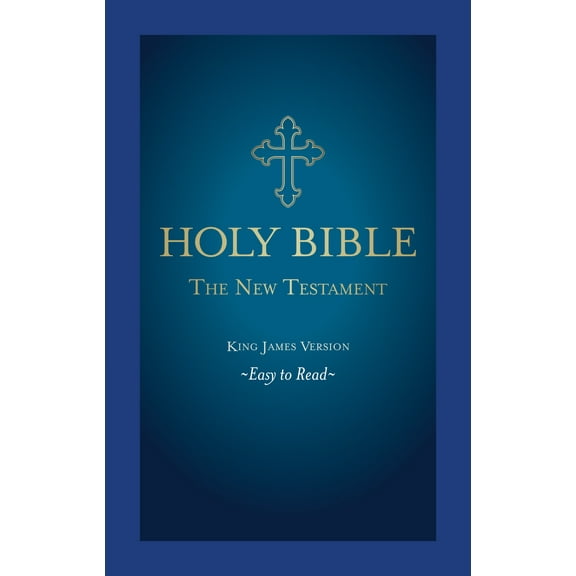 $198current price $1.98
Holy Bible: The New Testament (Hardcover)
1624.3 out of 5 Stars. 162 reviewsHearts on the Fly, (Paperback) $13.71 Was $16.38
 $1371current price $13.71, Was $16.38$16.38
Hearts on the Fly, (Paperback)
Religión Cántico espiritual, Book 14, (Paperback) $21.05
 $2105current price $21.05
Religión Cántico espiritual, Book 14, (Paperback)
The Year That Rocked (Paperback) $16.11
 $1611current price $16.11
The Year That Rocked (Paperback)
Raining Sunshine, (Paperback) $17.24
 $1724current price $17.24
Raining Sunshine, (Paperback)
Staying for La Lluvia, (Paperback) $19.99
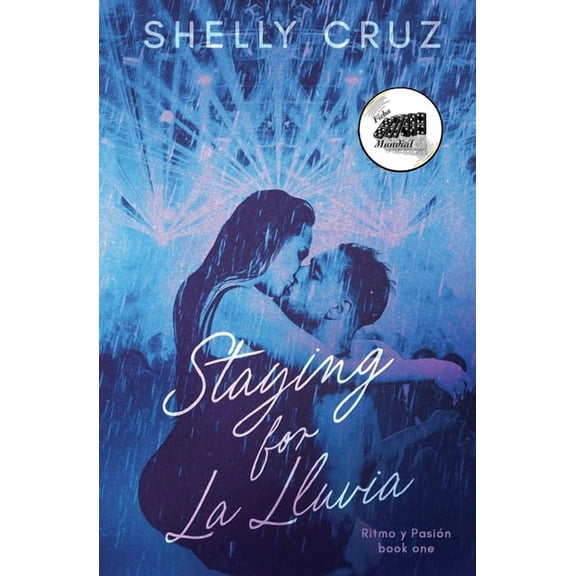 $1999current price $19.99
Staying for La Lluvia, (Paperback)
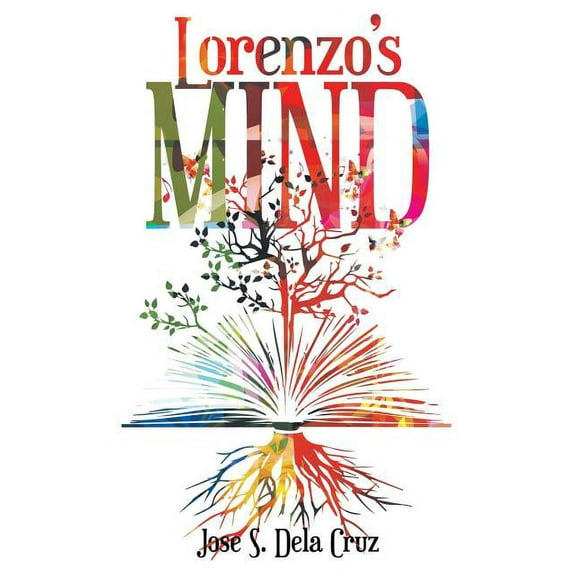
Lorenzo's Mind, (Paperback) $19.85
 $1985current price $19.85
Lorenzo's Mind, (Paperback)
Best seller Good Spirits: A Novel (Paperback) $6.63
Best seller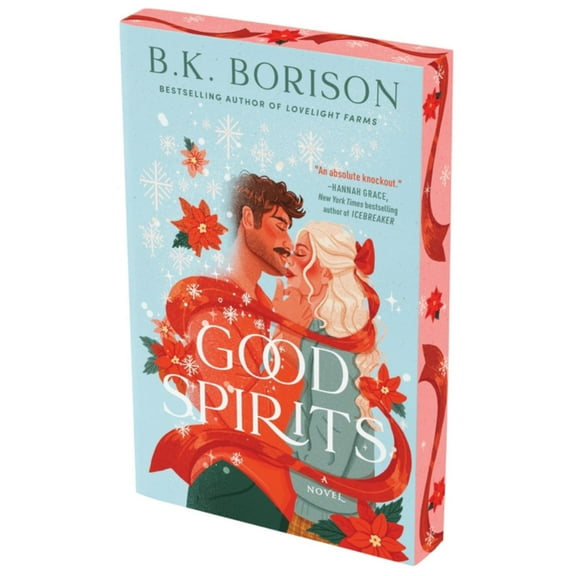 $663current price $6.63
Good Spirits: A Novel (Paperback)
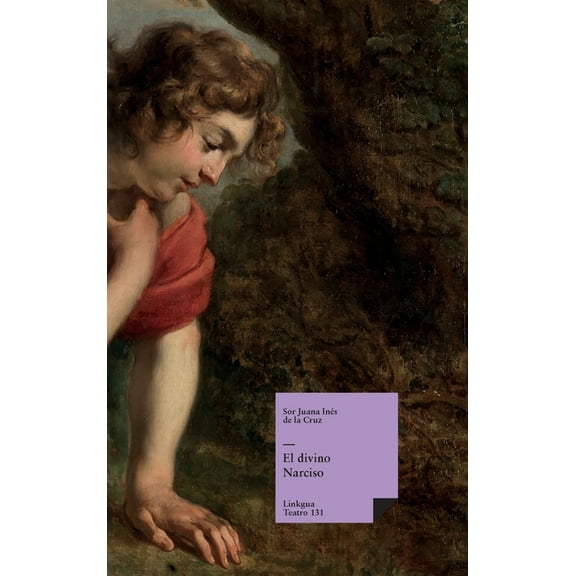
194.5 out of 5 Stars. 19 reviewsTeatro El divino Narciso, Book 131, (Hardcover) $19.44
 $1944current price $19.44
Teatro El divino Narciso, Book 131, (Hardcover)
Best seller Stranger Things Annual 2026 (Hardcover) $11.99
Best seller $1199current price $11.99
Stranger Things Annual 2026 (Hardcover)
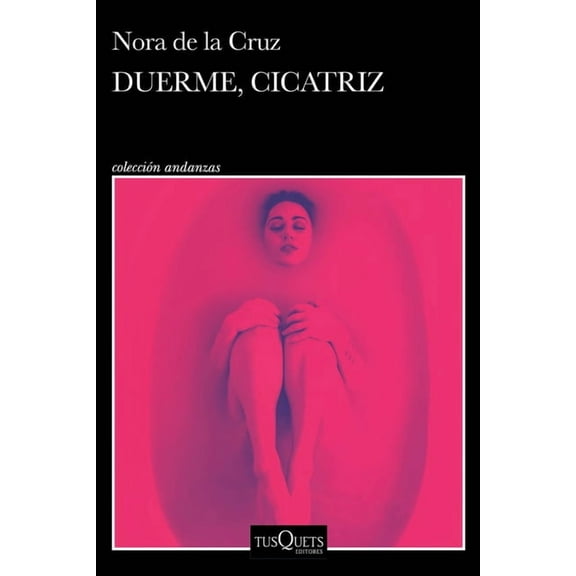
294.6 out of 5 Stars. 29 reviewsDuerme, Cicatriz (Novela) / Sleep, Scar (a Novel), (Paperback) $16.29
 $1629current price $16.29
Duerme, Cicatriz (Novela) / Sleep, Scar (a Novel), (Paperback)
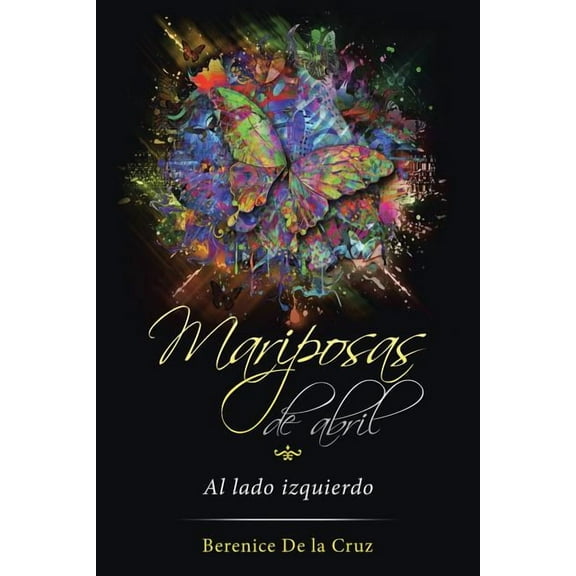
Mariposas de abril : Al lado izquierdo (Paperback) $17.95
 $1795current price $17.95
Mariposas de abril : Al lado izquierdo (Paperback)
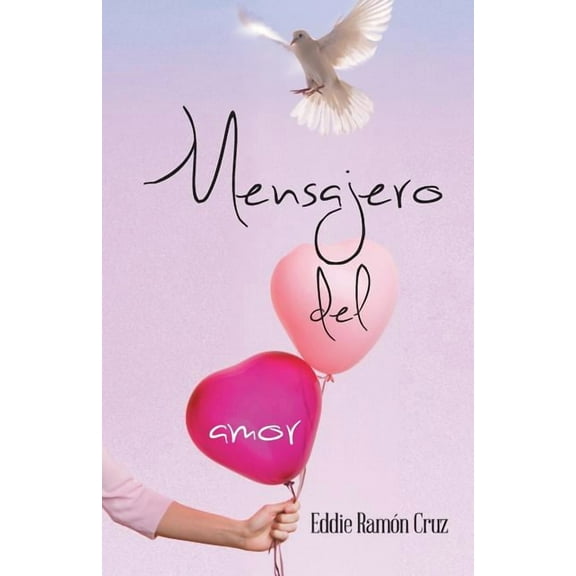
Mensajero del Amor (Paperback) $21.82
 $2182current price $21.82
Mensajero del Amor (Paperback)
Historia Obras, Book 121, (Paperback) $24.97
 $2497current price $24.97
Historia Obras, Book 121, (Paperback)
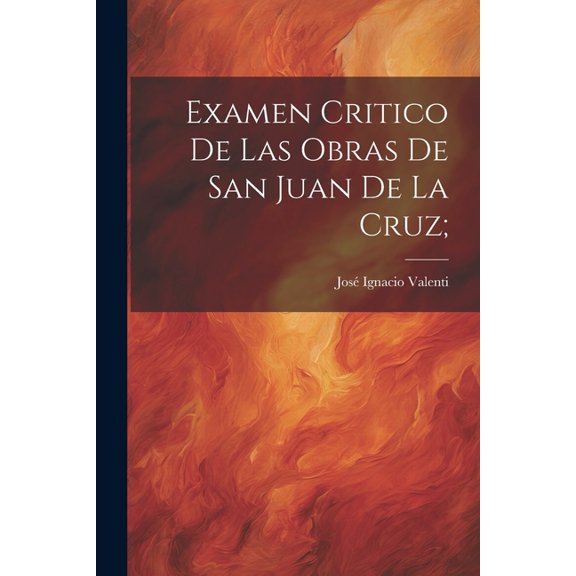
Examen critico de las Obras de San Juan de la Cruz; (Paperback) $17.95
 $1795current price $17.95
Examen critico de las Obras de San Juan de la Cruz; (Paperback)
One Day, (Paperback) $11.22
 $1122current price $11.22
One Day, (Paperback)
Customer ratings & reviews
0 ratings|0 reviews
This item does not have any reviews yet
