

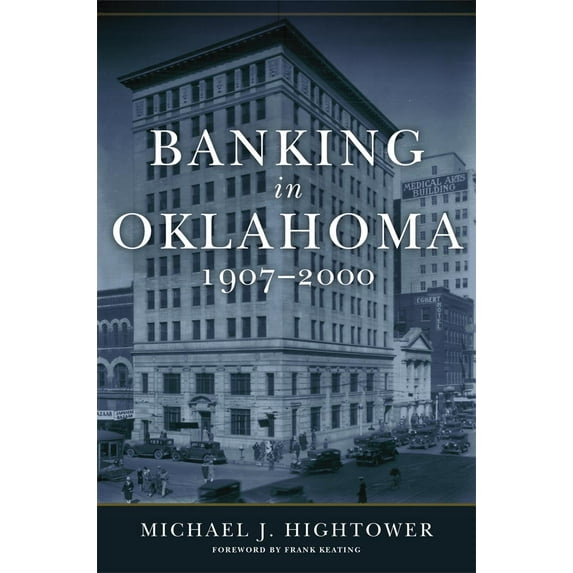
Hero image 0 of Banking in Oklahoma, 1907–2000 (Edition 1) (Hardcover), 0 of 1
Banking in Oklahoma, 1907–2000 (Edition 1) (Hardcover)
(No ratings yet)
Key item features
The story of banking in twentieth-century Oklahoma is also the story of the Sooner State’s first hundred years, as Michael J. Hightower’s new book demonstrates. Oklahoma statehood coincided with the Panic of 1907, and both events signaled seismic shifts in state banking practices. Much as Oklahoma banks shed their frontier persona to become more tightly integrated in the national economy, so too was decentralized banking revealed as an anachronism, utterly unsuited to an increasingly global economy. With creation of the Federal Reserve System in 1913 and subsequent choice of Oklahoma City as the location for a branch bank, frontier banking began yielding to systems commensurate with the needs of the new century.
Through meticulous research and personal interviews with bankers statewide, Hightower has crafted a compelling narrative of Oklahoma banking in the twentieth century. One of the first acts of the new state legislature was to guarantee that depositors in state-chartered banks would never lose a penny. Meanwhile, land and oil speculators and the bankers who funded their dreams were elevating get-rich-quick (and often get-poor-quick) schemes to an art form. In defense of country banks, the Oklahoma Bankers Association dispatched armed vigilantes to stop robbers in their tracks.
Subsequent developments in Oklahoma banking include adaptation to regulations spawned by the Great Depression, the post–World War II boom, the 1980s depression in the oil patch, and changes fostered by rapid-fire advances in technology and communication. The demise of Penn Square Bank offers one of history’s few unambiguous lessons, and it warrants two chapters—one on the rise, and one on the fall. Increasing regulation of the banking industry, the survival of family banks, and the resilience of community banking are consistent themes in a state that is only a few generations removed from the frontier.
Through meticulous research and personal interviews with bankers statewide, Hightower has crafted a compelling narrative of Oklahoma banking in the twentieth century. One of the first acts of the new state legislature was to guarantee that depositors in state-chartered banks would never lose a penny. Meanwhile, land and oil speculators and the bankers who funded their dreams were elevating get-rich-quick (and often get-poor-quick) schemes to an art form. In defense of country banks, the Oklahoma Bankers Association dispatched armed vigilantes to stop robbers in their tracks.
Subsequent developments in Oklahoma banking include adaptation to regulations spawned by the Great Depression, the post–World War II boom, the 1980s depression in the oil patch, and changes fostered by rapid-fire advances in technology and communication. The demise of Penn Square Bank offers one of history’s few unambiguous lessons, and it warrants two chapters—one on the rise, and one on the fall. Increasing regulation of the banking industry, the survival of family banks, and the resilience of community banking are consistent themes in a state that is only a few generations removed from the frontier.
Specs
- Book formatHardcover
- Edition1
- Pages504
- LanguageEnglish
- Pub date20140910
- SubgenreBusiness & Economics
Current price is USD$29.95
Price when purchased online
 Free 90-day returns
How do you want your item?
Try 30 days for just $1! Choose a plan at checkout.
Columbus, 43215
Arrives by Tue, May 12
Sold and shipped by Walmart.com

Free 90-day returns

This item is gift eligible
More seller options (2)
Starting from $36.65

Try 30 days of Walmart+ for just $1!
T&C apply. Claim offer now
About this item
Product details
The story of banking in twentieth-century Oklahoma is also the story of the Sooner State’s first hundred years, as Michael J. Hightower’s new book demonstrates. Oklahoma statehood coincided with the Panic of 1907, and both events signaled seismic shifts in state banking practices. Much as Oklahoma banks shed their frontier persona to become more tightly integrated in the national economy, so, too, was decentralized banking revealed as an anachronism, utterly unsuited to an increasingly global economy.
The story of banking in twentieth-century Oklahoma is also the story of the Sooner State’s first hundred years, as Michael J. Hightower’s new book demonstrates. Oklahoma statehood coincided with the Panic of 1907, and both events signaled seismic shifts in state banking practices. Much as Oklahoma banks shed their frontier persona to become more tightly integrated in the national economy, so too was decentralized banking revealed as an anachronism, utterly unsuited to an increasingly global economy. With creation of the Federal Reserve System in 1913 and subsequent choice of Oklahoma City as the location for a branch bank, frontier banking began yielding to systems commensurate with the needs of the new century.
Through meticulous research and personal interviews with bankers statewide, Hightower has crafted a compelling narrative of Oklahoma banking in the twentieth century. One of the first acts of the new state legislature was to guarantee that depositors in state-chartered banks would never lose a penny. Meanwhile, land and oil speculators and the bankers who funded their dreams were elevating get-rich-quick (and often get-poor-quick) schemes to an art form. In defense of country banks, the Oklahoma Bankers Association dispatched armed vigilantes to stop robbers in their tracks.
Subsequent developments in Oklahoma banking include adaptation to regulations spawned by the Great Depression, the post–World War II boom, the 1980s depression in the oil patch, and changes fostered by rapid-fire advances in technology and communication. The demise of Penn Square Bank offers one of history’s few unambiguous lessons, and it warrants two chapters—one on the rise, and one on the fall. Increasing regulation of the banking industry, the survival of family banks, and the resilience of community banking are consistent themes in a state that is only a few generations removed from the frontier.
Through meticulous research and personal interviews with bankers statewide, Hightower has crafted a compelling narrative of Oklahoma banking in the twentieth century. One of the first acts of the new state legislature was to guarantee that depositors in state-chartered banks would never lose a penny. Meanwhile, land and oil speculators and the bankers who funded their dreams were elevating get-rich-quick (and often get-poor-quick) schemes to an art form. In defense of country banks, the Oklahoma Bankers Association dispatched armed vigilantes to stop robbers in their tracks.
Subsequent developments in Oklahoma banking include adaptation to regulations spawned by the Great Depression, the post–World War II boom, the 1980s depression in the oil patch, and changes fostered by rapid-fire advances in technology and communication. The demise of Penn Square Bank offers one of history’s few unambiguous lessons, and it warrants two chapters—one on the rise, and one on the fall. Increasing regulation of the banking industry, the survival of family banks, and the resilience of community banking are consistent themes in a state that is only a few generations removed from the frontier.
info:
We aim to show you accurate product information. Manufacturers, suppliers and others provide what you see here, and we have not verified it.
Specifications
Book format
Hardcover
Edition
1
Pages
504
Language
English
Warranty
Warranty information
Please be aware that the warranty terms on items offered for sale by third party Marketplace sellers may differ from those displayed in this section (if any). To confirm warranty terms on an item offered for sale by a third party Marketplace seller, please use the 'Contact seller' feature on the third party Marketplace seller's information page and request the item's warranty terms prior to purchase.
Similar items you might like
Based on what customers bought
Why Me? : An Autobiography (Hardcover) $29.52 Was $38.38
 $2952current price $29.52, Was $38.38$38.38
Why Me? : An Autobiography (Hardcover)
The Domestic World (Hardcover) $36.95
 $3695current price $36.95
The Domestic World (Hardcover)
Liberated Time (Hardcover) $23.05
 $2305current price $23.05
Liberated Time (Hardcover)
Godspeed: Riding Out the Recession (Hardcover) $31.34
 $3134current price $31.34
Godspeed: Riding Out the Recession (Hardcover)
Best seller QMG Piano Lesson Book & Note Chart for Beginners, 48 Pages, Color-Coded, Made in USA $14.95
Best seller 2 optionsAvailable in additional 2 options$1495current price $14.95
QMG Piano Lesson Book & Note Chart for Beginners, 48 Pages, Color-Coded, Made in USA
214.5 out of 5 Stars. 21 reviewsThe Making of a Man, (Hardcover) $35.83
 $3583current price $35.83
The Making of a Man, (Hardcover)
Best seller Cognitive Behavior Therapy : Basics and Beyond (Edition 3) (Hardcover) $58.99
Best seller 2 optionsAvailable in additional 2 options$5899current price $58.99
Cognitive Behavior Therapy : Basics and Beyond (Edition 3) (Hardcover)
114.1 out of 5 Stars. 11 reviewsTexas DMV Driver's Handbook, (Paperback) $11.99
 $1199current price $11.99
Texas DMV Driver's Handbook, (Paperback)
194.2 out of 5 Stars. 19 reviewsDo Hard Things: Why We Get Resilience Wrong and the Surprising Science of Real Toughness, (Hardcover) $11.99
 $1199current price $11.99
Do Hard Things: Why We Get Resilience Wrong and the Surprising Science of Real Toughness, (Hardcover)
15 out of 5 Stars. 1 reviewsDer Ausweg (Hardcover) $38.83
 $3883current price $38.83
Der Ausweg (Hardcover)
A New Guide to Lymington, by a Resident (Hardcover) $31.95
 $3195current price $31.95
A New Guide to Lymington, by a Resident (Hardcover)
A Kish of Brogues (Hardcover) $33.14
 $3314current price $33.14
A Kish of Brogues (Hardcover)
Martin Luther und die hochdeutsche Schriftsprache. (Hardcover) $30.95
 $3095current price $30.95
Martin Luther und die hochdeutsche Schriftsprache. (Hardcover)
Time Is Money (Hardcover) $29.36
 $2936current price $29.36
Time Is Money (Hardcover)
Leading the Way: Three Truths from the Top Companies for Leaders, (Hardcover) $27.93
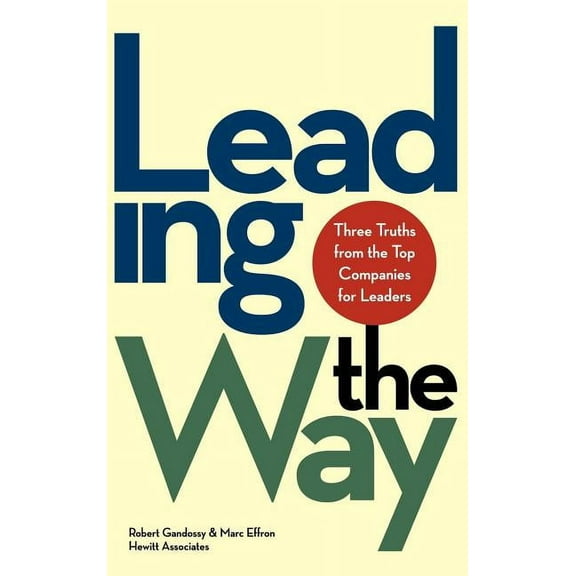 $2793current price $27.93
Leading the Way: Three Truths from the Top Companies for Leaders, (Hardcover)
Red Book A Guide Book of Lincoln Cents, Book 9, (Paperback) $21.41 Was $24.95
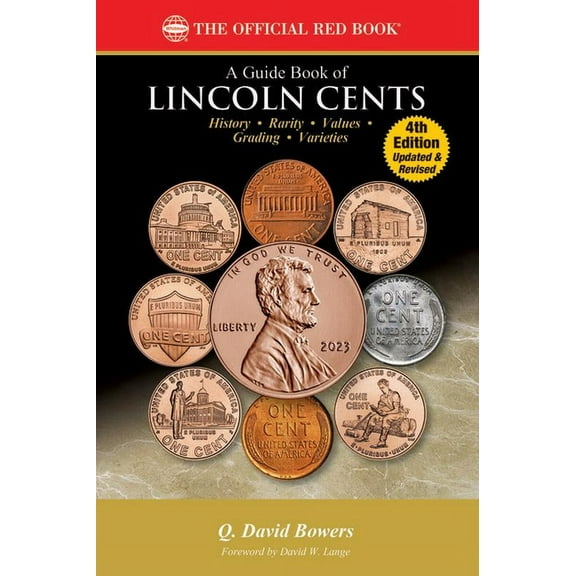 $2141current price $21.41, Was $24.95$24.95
Red Book A Guide Book of Lincoln Cents, Book 9, (Paperback)
34.7 out of 5 Stars. 3 reviewsThe Big Secret for the Small Investor - A New Route to Long-Term Investment Success (Hardcover) $29.08
 $2908current price $29.08
The Big Secret for the Small Investor - A New Route to Long-Term Investment Success (Hardcover)
Commentatio Critica de Platonis Quae Feruntur Epistolis (Hardcover) $33.77
 $3377current price $33.77
Commentatio Critica de Platonis Quae Feruntur Epistolis (Hardcover)
The Human Body: A Beginner's Text-book of Anatomy, Physiology and Hygiene: With Directions for Illustrating Important Fa, (Hardcover) $33.89
 $3389current price $33.89
The Human Body: A Beginner's Text-book of Anatomy, Physiology and Hygiene: With Directions for Illustrating Important Fa, (Hardcover)

Customer ratings & reviews
0 ratings|0 reviews
This item does not have any reviews yet

Related pages
- Montana Office Of The State Auditor
- Us Government Bonds
- North Carolina Office Of Archives & History
- Washington Estate
- Labor Code California
- Law Ohio
- Economic History Books
- Indigenous Peoples Law Books
- Labor & Industrial Relations Political Books
- Globalization Business & Money Books
- Maritime Law Books
- Pre-Confederation Canadian History Books