


Hero image 0 of Gideon Lincecum Nature and Environment Series: The Natural History of Flowers (Edition 1) (Hardcover), 0 of 1
Gideon Lincecum Nature and Environment Series: The Natural History of Flowers (Edition 1) (Hardcover)
(No ratings yet)
Key item features
Flowers have played an important role in human culture and survival for thousands of years. The final products of flowers—fruits and seeds—are vitally important as food. Flowers provide bursts of color to homes and gardens and they symbolize love, sorrow, and renewal. Yet we often overlook their real purpose. Why do flowers exist and why do they have certain colors, shapes, and smells? What function does a flower have in the life and survival of the plants themselves?
In nature, flowers play an essential role in improving a plant’s chances of survival. Some flowers are pollinated by wind or water but most are designed to attract and reward pollinators, such as bees, butterflies, birds, and bats, to carry their pollen from flower to flower. After being pollinated, flowers produce fruits and again take advantage of wind, water, and animals to disperse their seeds, ensuring a new generation of their species.
Pollination and seed dispersal are fine-tuned systems, and their importance in sustaining a healthy environment cannot be overstated. And, as ongoing climate and other environmental changes apply new pressures, flowers must continue to adapt in order to survive.
In this beautifully illustrated book with over 200 stunning photographs, Michael Fogden and Patricia Fogden draw from existing research and their extensive field experiences all over the world to present a detailed but accessible introduction to the natural history of flowers. They discuss a representative sample of flowering and fruiting strategies, illustrating interactions between plants and their pollinators and dispersers, and conclude with descriptions of their favorite tropical flowers.
In nature, flowers play an essential role in improving a plant’s chances of survival. Some flowers are pollinated by wind or water but most are designed to attract and reward pollinators, such as bees, butterflies, birds, and bats, to carry their pollen from flower to flower. After being pollinated, flowers produce fruits and again take advantage of wind, water, and animals to disperse their seeds, ensuring a new generation of their species.
Pollination and seed dispersal are fine-tuned systems, and their importance in sustaining a healthy environment cannot be overstated. And, as ongoing climate and other environmental changes apply new pressures, flowers must continue to adapt in order to survive.
In this beautifully illustrated book with over 200 stunning photographs, Michael Fogden and Patricia Fogden draw from existing research and their extensive field experiences all over the world to present a detailed but accessible introduction to the natural history of flowers. They discuss a representative sample of flowering and fruiting strategies, illustrating interactions between plants and their pollinators and dispersers, and conclude with descriptions of their favorite tropical flowers.
Specs
- Book formatHardcover
- Fiction/nonfictionNon-Fiction
- GenreNonfiction
- Publication dateSeptember, 2018
- Pages232
- Number in series1
Current price is USD$46.51
Price when purchased online
Out of stock
How do you want your item?
Out of stock
About this item
Product details
Flowers have played an important role in human culture and survival for thousands of years. The final products of flowers--fruits and seeds--are vitally important as food. Flowers provide bursts of color to homes and gardens and they symbolize love, sorrow, and renewal. Yet we often overlook their real purpose. Why do flowers exist and why do they have certain colors, shapes, and smells? What function does a flower have in the life and survival of the plants themselves? In nature, flowers play an essential role in improving a plant's chances of survival. Some flowers are pollinated by wind or water but most are designed to attract and reward pollinators, such as bees, butterflies, birds, and bats, to carry their pollen from flower to flower. After being pollinated, flowers produce fruits and again take advantage of wind, water, and animals to disperse their seeds, ensuring a new generation of their species. Pollination and seed dispersal are fine-tuned systems, and their importance in sustaining a healthy environment cannot be overstated. And, as ongoing climate and other environmental changes apply new pressures, flowers must continue to adapt in order to survive. In this beautifully illustrated book with over 200 stunning photographs, Michael Fogden and Patricia Fogden draw from existing research and their extensive field experiences all over the world to present a detailed but accessible introduction to the natural history of flowers. They discuss a representative sample of flowering and fruiting strategies, illustrating interactions between plants and their pollinators and dispersers, and conclude with descriptions of their favorite tropical flowers.
Flowers have played an important role in human culture and survival for thousands of years. The final products of flowers—fruits and seeds—are vitally important as food. Flowers provide bursts of color to homes and gardens and they symbolize love, sorrow, and renewal. Yet we often overlook their real purpose. Why do flowers exist and why do they have certain colors, shapes, and smells? What function does a flower have in the life and survival of the plants themselves?
In nature, flowers play an essential role in improving a plant’s chances of survival. Some flowers are pollinated by wind or water but most are designed to attract and reward pollinators, such as bees, butterflies, birds, and bats, to carry their pollen from flower to flower. After being pollinated, flowers produce fruits and again take advantage of wind, water, and animals to disperse their seeds, ensuring a new generation of their species.
Pollination and seed dispersal are fine-tuned systems, and their importance in sustaining a healthy environment cannot be overstated. And, as ongoing climate and other environmental changes apply new pressures, flowers must continue to adapt in order to survive.
In this beautifully illustrated book with over 200 stunning photographs, Michael Fogden and Patricia Fogden draw from existing research and their extensive field experiences all over the world to present a detailed but accessible introduction to the natural history of flowers. They discuss a representative sample of flowering and fruiting strategies, illustrating interactions between plants and their pollinators and dispersers, and conclude with descriptions of their favorite tropical flowers.
In nature, flowers play an essential role in improving a plant’s chances of survival. Some flowers are pollinated by wind or water but most are designed to attract and reward pollinators, such as bees, butterflies, birds, and bats, to carry their pollen from flower to flower. After being pollinated, flowers produce fruits and again take advantage of wind, water, and animals to disperse their seeds, ensuring a new generation of their species.
Pollination and seed dispersal are fine-tuned systems, and their importance in sustaining a healthy environment cannot be overstated. And, as ongoing climate and other environmental changes apply new pressures, flowers must continue to adapt in order to survive.
In this beautifully illustrated book with over 200 stunning photographs, Michael Fogden and Patricia Fogden draw from existing research and their extensive field experiences all over the world to present a detailed but accessible introduction to the natural history of flowers. They discuss a representative sample of flowering and fruiting strategies, illustrating interactions between plants and their pollinators and dispersers, and conclude with descriptions of their favorite tropical flowers.
info:
We aim to show you accurate product information. Manufacturers, suppliers and others provide what you see here, and we have not verified it.
Specifications
Book format
Hardcover
Fiction/nonfiction
Non-Fiction
Genre
Nonfiction
Publication date
September, 2018
Warranty
Warranty information
Please be aware that the warranty terms on items offered for sale by third party Marketplace sellers may differ from those displayed in this section (if any). To confirm warranty terms on an item offered for sale by a third party Marketplace seller, please use the 'Contact seller' feature on the third party Marketplace seller's information page and request the item's warranty terms prior to purchase.
Similar items you might like
Based on what customers bought
The Nature of Decorating: Interiors Inspired by the Natural World, (Hardcover) $37.25 Was $46.41
 $3725current price $37.25, Was $46.41$46.41
The Nature of Decorating: Interiors Inspired by the Natural World, (Hardcover)
Seeing Chekhov: Life and Art, (Hardcover) $67.78
 $6778current price $67.78
Seeing Chekhov: Life and Art, (Hardcover)
Big Fan: Two Friends, 82,490 Miles, and the Wild, Wonderful Sports We Love, (Hardcover) $32.00
 $3200current price $32.00
Big Fan: Two Friends, 82,490 Miles, and the Wild, Wonderful Sports We Love, (Hardcover)
Nature Of The Beast Continues, (Hardcover) $16.99
 $1699current price $16.99
Nature Of The Beast Continues, (Hardcover)
The Ways Of The Circus (Hardcover) $43.63
 $4363current price $43.63
The Ways Of The Circus (Hardcover)
The Shimmering The Shimmering: Book 1, (Hardcover) $24.71
 $2471current price $24.71
The Shimmering The Shimmering: Book 1, (Hardcover)
Best seller The Book of Bill Limited Collector's Edition (Hardcover) $22.01
Best seller $2201current price $22.01
The Book of Bill Limited Collector's Edition (Hardcover)
784.5 out of 5 Stars. 78 reviewsGideon Lincecum Nature and Environment The Writings of Ferdinand Lindheimer: Texas Botanist, Texas Philosopher, (Hardcover) $45.00
 $4500current price $45.00
Gideon Lincecum Nature and Environment The Writings of Ferdinand Lindheimer: Texas Botanist, Texas Philosopher, (Hardcover)
J. C. Volkamer. the Book of Citrus Fruits. 45th Ed., (Hardcover) $30.00
 $3000current price $30.00
J. C. Volkamer. the Book of Citrus Fruits. 45th Ed., (Hardcover)
Trees : The Nature Library $36.73
 $3673current price $36.73
Trees : The Nature Library
David Smith: The Nature of Sculpture, (Hardcover) $30.15 Was $40.00
 $3015current price $30.15, Was $40.00$40.00
David Smith: The Nature of Sculpture, (Hardcover)
Versed in Living Nature : Wordsworth’s Trees (Hardcover) $43.02
 $4302current price $43.02
Versed in Living Nature : Wordsworth’s Trees (Hardcover)
Early Modern Metaphysical Literature: Nature, Custom and Strange Desires, (Hardcover) $56.14
 $5614current price $56.14
Early Modern Metaphysical Literature: Nature, Custom and Strange Desires, (Hardcover)
Iconic Trees of India: 75 Natural Wonders, (Hardcover) $25.99 Was $29.23
 $2599current price $25.99, Was $29.23$29.23
Iconic Trees of India: 75 Natural Wonders, (Hardcover)
Nature's Paintbox: Colors from the Natural World for the Young Artist (and Those Who Are Young at Heart): Colors from th, (Hardcover) $30.02
 $3002current price $30.02
Nature's Paintbox: Colors from the Natural World for the Young Artist (and Those Who Are Young at Heart): Colors from th, (Hardcover)
San Francisco the Golden Age 1930-1960: Making a Scene, (Hardcover) $36.35
 $3635current price $36.35
San Francisco the Golden Age 1930-1960: Making a Scene, (Hardcover)
The Secret Life of Trees, (Hardcover) $53.71
 $5371current price $53.71
The Secret Life of Trees, (Hardcover)
L'etat Mystique: Sa Nature -... (Hardcover) $33.95
 $3395current price $33.95
L'etat Mystique: Sa Nature -... (Hardcover)
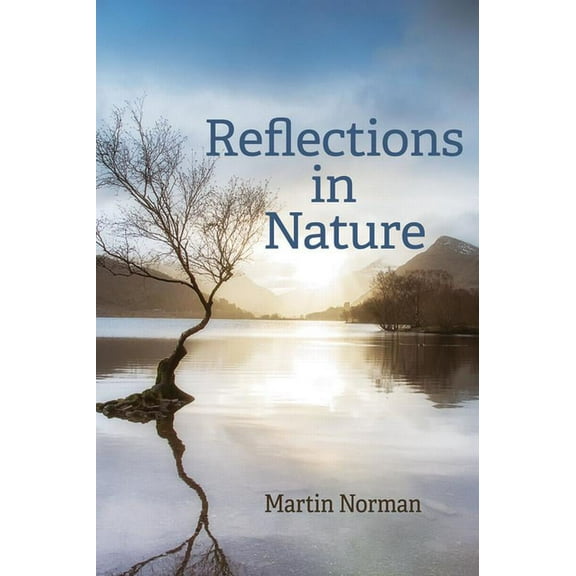
Reflections in Nature (Hardcover) $22.64 Was $25.55
 $2264current price $22.64, Was $25.55$25.55
Reflections in Nature (Hardcover)
Invisible Witness, (Hardcover) $30.14 Was $39.99
 $3014current price $30.14, Was $39.99$39.99
Invisible Witness, (Hardcover)
Customer ratings & reviews
0 ratings|0 reviews
This item does not have any reviews yet
