

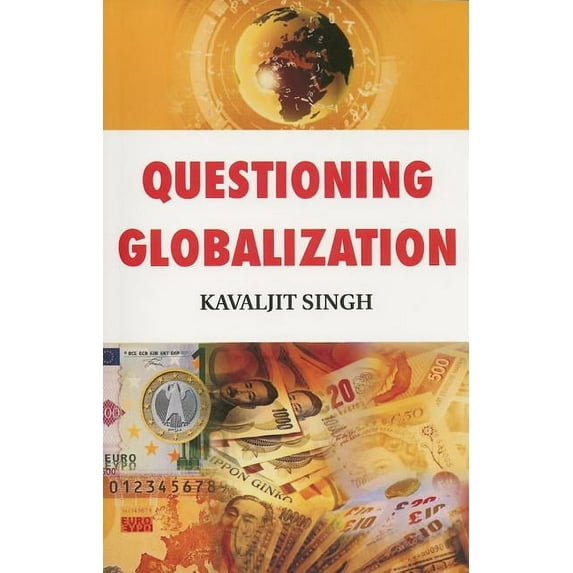
Hero image 0 of Questioning Globalization (Paperback), 0 of 1
Questioning Globalization (Paperback)
(No ratings yet)
Key item features
Globalization has become the cliche of our times. The neo-liberal virus has struck almost everybody including within the ranks of the left. The proponents of neo-liberal globalization claim that it produces 'accelerated, efficient' development along with a deepening of democracy and human rights. However, reality shows the opposite and any rigorous examination of such arguments reveals their shallowness and inconsistency.
Social progress and democracy can only take place in tandem and on condition that we move away from the dogmas of neo-liberalism. This book underscores the point that current economic disasters are not the 'price' we have to pay for a transition towards the promised paradise, but on the contrary are bound to get worse as long as neo-liberal economic policies are pursued.
This book makes a critical analysis of several contemporary debates around globalization. With the help of case studies, statistical data and cogent analysis, the book debunks several myths associated with globalization processes. Written for a non-technical audience readership, the author fundamentally questions the viewpoints held by the 'hyper-globalists'. His book not only contributes to deepening the current debates on globalization but ought to become an indispensable tool of analysis for concerned citizens, students, social and political activists, labour unions, NGOs, and policy makers.
Social progress and democracy can only take place in tandem and on condition that we move away from the dogmas of neo-liberalism. This book underscores the point that current economic disasters are not the 'price' we have to pay for a transition towards the promised paradise, but on the contrary are bound to get worse as long as neo-liberal economic policies are pursued.
This book makes a critical analysis of several contemporary debates around globalization. With the help of case studies, statistical data and cogent analysis, the book debunks several myths associated with globalization processes. Written for a non-technical audience readership, the author fundamentally questions the viewpoints held by the 'hyper-globalists'. His book not only contributes to deepening the current debates on globalization but ought to become an indispensable tool of analysis for concerned citizens, students, social and political activists, labour unions, NGOs, and policy makers.
Specs
- Book formatPaperback
- Fiction/nonfictionNon-Fiction
- Pub date20051001
- Pages192
- PublisherZed Books
- Original languagesEnglish
Current price is USD$47.91
Price when purchased online
Out of stock
How do you want your item?
Out of stock
About this item
Product details
Globalization has become the cliche of our times. The neo-liberal virus has struck almost everybody including within the ranks of the left. The proponents of neo-liberal globalization claim that it produces 'accelerated, efficient' development along with a deepening of democracy and human rights. However, reality shows the opposite and any rigorous examination of such arguments reveals their shallowness and inconsistency.
Social progress and democracy can only take place in tandem and on condition that we move away from the dogmas of neo-liberalism. This book underscores the point that current economic disasters are not the 'price' we have to pay for a transition towards the promised paradise, but on the contrary are bound to get worse as long as neo-liberal economic policies are pursued. This book makes a critical analysis of several contemporary debates around globalization. With the help of case studies, statistical data and cogent analysis, the book debunks several myths associated with globalization processes. Written for a non-technical audience readership, the author fundamentally questions the viewpoints held by the 'hyper-globalists'. His book not only contributes to deepening the current debates on globalization but ought to become an indispensable tool of analysis for concerned citizens, students, social and political activists, labour unions, NGOs, and policy makers. Globalization has become the cliche of our times. The neo-liberal virus has struck almost everybody including within the ranks of the left. The proponents of neo-liberal globalization claim that it produces 'accelerated, efficient' development along with a deepening of democracy and human rights. However, reality shows the opposite and any rigorous examination of such arguments reveals their shallowness and inconsistency.
Social progress and democracy can only take place in tandem and on condition that we move away from the dogmas of neo-liberalism. This book underscores the point that current economic disasters are not the 'price' we have to pay for a transition towards the promised paradise, but on the contrary are bound to get worse as long as neo-liberal economic policies are pursued.
This book makes a critical analysis of several contemporary debates around globalization. With the help of case studies, statistical data and cogent analysis, the book debunks several myths associated with globalization processes. Written for a non-technical audience readership, the author fundamentally questions the viewpoints held by the 'hyper-globalists'. His book not only contributes to deepening the current debates on globalization but ought to become an indispensable tool of analysis for concerned citizens, students, social and political activists, labour unions, NGOs, and policy makers.
Social progress and democracy can only take place in tandem and on condition that we move away from the dogmas of neo-liberalism. This book underscores the point that current economic disasters are not the 'price' we have to pay for a transition towards the promised paradise, but on the contrary are bound to get worse as long as neo-liberal economic policies are pursued.
This book makes a critical analysis of several contemporary debates around globalization. With the help of case studies, statistical data and cogent analysis, the book debunks several myths associated with globalization processes. Written for a non-technical audience readership, the author fundamentally questions the viewpoints held by the 'hyper-globalists'. His book not only contributes to deepening the current debates on globalization but ought to become an indispensable tool of analysis for concerned citizens, students, social and political activists, labour unions, NGOs, and policy makers.
info:
We aim to show you accurate product information. Manufacturers, suppliers and others provide what you see here, and we have not verified it.
Specifications
Book format
Paperback
Fiction/nonfiction
Non-Fiction
Genre
Business & Economics/International - Economics & Trade, Business & Economics/Development - Economic Development
Pub date
20051001
Warranty
Warranty information
Please be aware that the warranty terms on items offered for sale by third party Marketplace sellers may differ from those displayed in this section (if any). To confirm warranty terms on an item offered for sale by a third party Marketplace seller, please use the 'Contact seller' feature on the third party Marketplace seller's information page and request the item's warranty terms prior to purchase.
Customer ratings & reviews
0 ratings|0 reviews
This item does not have any reviews yet
