


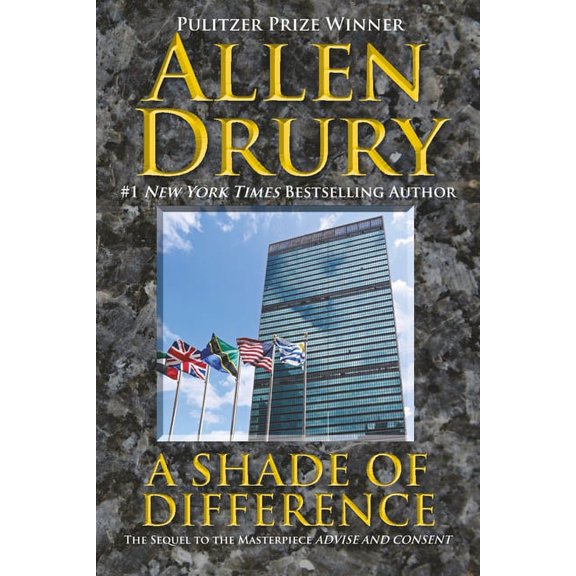
Public Men : A NOVEL (Paperback)
(No ratings yet)
Key item features
“We live in the Republic of Feel-Good in a time when all the scum of America is rising to the top.” So begins Public Men, the final novel of “the University trilogy” in which Pulitzer Prize winner Allen Drury concludes some fifty years in the lives of the members of the World War II generation whose stories he began on the eve of the war in the novel Toward What Bright Glory?
The second novel, Into What Far Harbor?, carries them on through the challenges, triumphs, and tragedies of the war and on to the years when they must worry about their world and the world of their children against the backdrop of the later Vietnam War. Now in Public Men, set in the year 2000, when most are either about to embark upon, or have already entered, their eighties, the fifteen who remain of the original twenty-six meet for a last reunion on the beautiful campus where they shared a fondly remembered fraternity house and the hopes and dreams of youth confronted by history's most chaotic and ominously foreboding century.
Public Men concerns them all, but overshadowing their lives as in the two previous novels is the life of Richard Emmett Wilson—“Willie,” now and for many years a United States Senator from his native California; his legislative triumphs on Capitol Hill; the tragic death of his first wife, Donna; his second and third marriages; his political disagreements with, but ultimate pride in, his older son Latt as Latt follows in his footsteps into the House of Representatives and then into the Senate; and, finally, Willie’s campaign for president, threatened by other personal tragedies, most devastatingly those of his gentle, vulnerable younger son, Amos.
Through it all, Willie, often in alliance with Tim Bates, does battle against what he sees as the “phony liberalism” of his famous fraternity brother Dr. René (Renny) Suratt; and Renny and his powerful friends of academe and the media in turn do battle with what they see as the “reactionary conservatism” of Willie and his friends. Tim, wielder of a savage commentator’s pen, refers to “Renny and his crew” as “the scum” he attacks. Renny responds with equally scathing pen and matching contempt. As with many of the public men in Public Men, these three fraternity brothers sum up what they regard as the major political and social issues of end-of-the-millennium twentieth century. Allen Drury skillfully meshes the public and private lives of his characters against the Washington world that has formed the rich backdrop of many of his twenty-five books.
The second novel, Into What Far Harbor?, carries them on through the challenges, triumphs, and tragedies of the war and on to the years when they must worry about their world and the world of their children against the backdrop of the later Vietnam War. Now in Public Men, set in the year 2000, when most are either about to embark upon, or have already entered, their eighties, the fifteen who remain of the original twenty-six meet for a last reunion on the beautiful campus where they shared a fondly remembered fraternity house and the hopes and dreams of youth confronted by history's most chaotic and ominously foreboding century.
Public Men concerns them all, but overshadowing their lives as in the two previous novels is the life of Richard Emmett Wilson—“Willie,” now and for many years a United States Senator from his native California; his legislative triumphs on Capitol Hill; the tragic death of his first wife, Donna; his second and third marriages; his political disagreements with, but ultimate pride in, his older son Latt as Latt follows in his footsteps into the House of Representatives and then into the Senate; and, finally, Willie’s campaign for president, threatened by other personal tragedies, most devastatingly those of his gentle, vulnerable younger son, Amos.
Through it all, Willie, often in alliance with Tim Bates, does battle against what he sees as the “phony liberalism” of his famous fraternity brother Dr. René (Renny) Suratt; and Renny and his powerful friends of academe and the media in turn do battle with what they see as the “reactionary conservatism” of Willie and his friends. Tim, wielder of a savage commentator’s pen, refers to “Renny and his crew” as “the scum” he attacks. Renny responds with equally scathing pen and matching contempt. As with many of the public men in Public Men, these three fraternity brothers sum up what they regard as the major political and social issues of end-of-the-millennium twentieth century. Allen Drury skillfully meshes the public and private lives of his characters against the Washington world that has formed the rich backdrop of many of his twenty-five books.
Specs
- Book formatPaperback
- Fiction/nonfictionFiction
- GenreMystery & Suspense, Literature & Fiction
- Publication dateFebruary, 2014
- Pages384
- SubgenreFiction
Current price is USD$22.19
Price when purchased online
- Free shipping
 Free 30-day returns
How do you want your item?
Columbus, 43215
Arrives by Tue, May 5
|
Sold and shipped by Alibris Books
4.566297076880784 stars out of 5, based on 10913 seller reviews(4.6)10913 seller reviews

Free 30-day returns
More seller options (3)
Starting from $22.54
About this item
Product details
"We live in the Republic of Feel-Good in a time when all the scum of America is rising to the top." So begins Public Men, the final novel of "the University trilogy" in which Pulitzer Prize winner Allen Drury concludes some fifty years in the lives of the members of the World War II generation whose stories he began on the eve of the war in the novel Toward What Bright Glory? The second novel, Into What Far Harbor?, carries them on through the challenges, triumphs, and tragedies of the war and on to the years when they must worry about their world and the world of their children against the backdrop of the later Vietnam War. Now in Public Men, set in the year 2000, when most are either about to embark upon, or have already entered, their eighties, the fifteen who remain of the original twenty-six meet for a last reunion on the beautiful campus where they shared a fondly remembered fraternity house and the hopes and dreams of youth confronted by history's most chaotic and ominously foreboding century. Public Men concerns them all, but overshadowing their lives as in the two previous novels is the life of Richard Emmett Wilson--"Willie," now and for many years a United States Senator from his native California; his legislative triumphs on Capitol Hill; the tragic death of his first wife, Donna; his second and third marriages; his political disagreements with, but ultimate pride in, his older son Latt as Latt follows in his footsteps into the House of Representatives and then into the Senate; and, finally, Willie's campaign for president, threatened by other personal tragedies, most devastatingly those of his gentle, vulnerable younger son, Amos. Through it all, Willie, often in alliance with Tim Bates, does battle against what he sees as the "phony liberalism" of his famous fraternity brother Dr. René (Renny) Suratt; and Renny and his powerful friends of academe and the media in turn do battle with what they see as the "reactionary conservatism" of Willie and his friends. Tim, wielder of a savage commentator's pen, refers to "Renny and his crew" as "the scum" he attacks. Renny responds with equally scathing pen and matching contempt. As with many of the public men in Public Men, these three fraternity brothers sum up what they regard as the major political and social issues of end-of-the-millennium twentieth century. Allen Drury skillfully meshes the public and private lives of his characters against the Washington world that has formed the rich backdrop of many of his twenty-five books.
“We live in the Republic of Feel-Good in a time when all the scum of America is rising to the top.” So begins Public Men, the final novel of “the University trilogy” in which Pulitzer Prize winner Allen Drury concludes some fifty years in the lives of the members of the World War II generation whose stories he began on the eve of the war in the novel Toward What Bright Glory?
The second novel, Into What Far Harbor?, carries them on through the challenges, triumphs, and tragedies of the war and on to the years when they must worry about their world and the world of their children against the backdrop of the later Vietnam War. Now in Public Men, set in the year 2000, when most are either about to embark upon, or have already entered, their eighties, the fifteen who remain of the original twenty-six meet for a last reunion on the beautiful campus where they shared a fondly remembered fraternity house and the hopes and dreams of youth confronted by history's most chaotic and ominously foreboding century.
Public Men concerns them all, but overshadowing their lives as in the two previous novels is the life of Richard Emmett Wilson—“Willie,” now and for many years a United States Senator from his native California; his legislative triumphs on Capitol Hill; the tragic death of his first wife, Donna; his second and third marriages; his political disagreements with, but ultimate pride in, his older son Latt as Latt follows in his footsteps into the House of Representatives and then into the Senate; and, finally, Willie’s campaign for president, threatened by other personal tragedies, most devastatingly those of his gentle, vulnerable younger son, Amos.
Through it all, Willie, often in alliance with Tim Bates, does battle against what he sees as the “phony liberalism” of his famous fraternity brother Dr. René (Renny) Suratt; and Renny and his powerful friends of academe and the media in turn do battle with what they see as the “reactionary conservatism” of Willie and his friends. Tim, wielder of a savage commentator’s pen, refers to “Renny and his crew” as “the scum” he attacks. Renny responds with equally scathing pen and matching contempt. As with many of the public men in Public Men, these three fraternity brothers sum up what they regard as the major political and social issues of end-of-the-millennium twentieth century. Allen Drury skillfully meshes the public and private lives of his characters against the Washington world that has formed the rich backdrop of many of his twenty-five books.
The second novel, Into What Far Harbor?, carries them on through the challenges, triumphs, and tragedies of the war and on to the years when they must worry about their world and the world of their children against the backdrop of the later Vietnam War. Now in Public Men, set in the year 2000, when most are either about to embark upon, or have already entered, their eighties, the fifteen who remain of the original twenty-six meet for a last reunion on the beautiful campus where they shared a fondly remembered fraternity house and the hopes and dreams of youth confronted by history's most chaotic and ominously foreboding century.
Public Men concerns them all, but overshadowing their lives as in the two previous novels is the life of Richard Emmett Wilson—“Willie,” now and for many years a United States Senator from his native California; his legislative triumphs on Capitol Hill; the tragic death of his first wife, Donna; his second and third marriages; his political disagreements with, but ultimate pride in, his older son Latt as Latt follows in his footsteps into the House of Representatives and then into the Senate; and, finally, Willie’s campaign for president, threatened by other personal tragedies, most devastatingly those of his gentle, vulnerable younger son, Amos.
Through it all, Willie, often in alliance with Tim Bates, does battle against what he sees as the “phony liberalism” of his famous fraternity brother Dr. René (Renny) Suratt; and Renny and his powerful friends of academe and the media in turn do battle with what they see as the “reactionary conservatism” of Willie and his friends. Tim, wielder of a savage commentator’s pen, refers to “Renny and his crew” as “the scum” he attacks. Renny responds with equally scathing pen and matching contempt. As with many of the public men in Public Men, these three fraternity brothers sum up what they regard as the major political and social issues of end-of-the-millennium twentieth century. Allen Drury skillfully meshes the public and private lives of his characters against the Washington world that has formed the rich backdrop of many of his twenty-five books.
info:
We aim to show you accurate product information. Manufacturers, suppliers and others provide what you see here, and we have not verified it.
Specifications
Book format
Paperback
Fiction/nonfiction
Fiction
Genre
Mystery & Suspense, Literature & Fiction
Publication date
February, 2014
Warranty
Warranty information
Please be aware that the warranty terms on items offered for sale by third party Marketplace sellers may differ from those displayed in this section (if any). To confirm warranty terms on an item offered for sale by a third party Marketplace seller, please use the 'Contact seller' feature on the third party Marketplace seller's information page and request the item's warranty terms prior to purchase.
Similar items you might like
Based on what customers bought
Best seller Fahrenheit 451: A Novel (Paperback) $13.71
Best seller $1371current price $13.71
Fahrenheit 451: A Novel (Paperback)
864.8 out of 5 Stars. 86 reviewsSuperannuated Man, (Paperback) $20.46
 $2046current price $20.46
Superannuated Man, (Paperback)
50+ bought since yesterday Theo of Golden: A Novel (Paperback) $14.98
50+ bought since yesterday $1498current price $14.98
Theo of Golden: A Novel (Paperback)
744.7 out of 5 Stars. 74 reviewsBest seller Theo of Golden, (Hardcover) $27.33
Best seller $2733current price $27.33
Theo of Golden, (Hardcover)
74.9 out of 5 Stars. 7 reviewsA Place for People Like Us, (Paperback) $21.07
 $2107current price $21.07
A Place for People Like Us, (Paperback)
Best seller Then She Was Gone: A Novel (Paperback) $8.37
Best seller $837current price $8.37
Then She Was Gone: A Novel (Paperback)
954.7 out of 5 Stars. 95 reviewsBest seller The Great Alone: A Novel (Paperback) $15.23 Was $17.99
Best seller $1523current price $15.23, Was $17.99$17.99
The Great Alone: A Novel (Paperback)
864.8 out of 5 Stars. 86 reviewsPlay, A Novel (Paperback) $16.08
 $1608current price $16.08
Play, A Novel (Paperback)
Tutwiler, (Paperback) $12.77 Was $17.99
 $1277current price $12.77, Was $17.99$17.99
Tutwiler, (Paperback)
25 Days: A Novel (Paperback) $12.04
 $1204current price $12.04
25 Days: A Novel (Paperback)
15 out of 5 Stars. 1 reviewsMoorland Idylls (Paperback) $22.95
 $2295current price $22.95
Moorland Idylls (Paperback)
The man of the World (Paperback) $24.95
 $2495current price $24.95
The man of the World (Paperback)
Among the Carlists (Paperback) $22.95
 $2295current price $22.95
Among the Carlists (Paperback)
A Man and a Mountain, (Paperback) $20.00
 $2000current price $20.00
A Man and a Mountain, (Paperback)
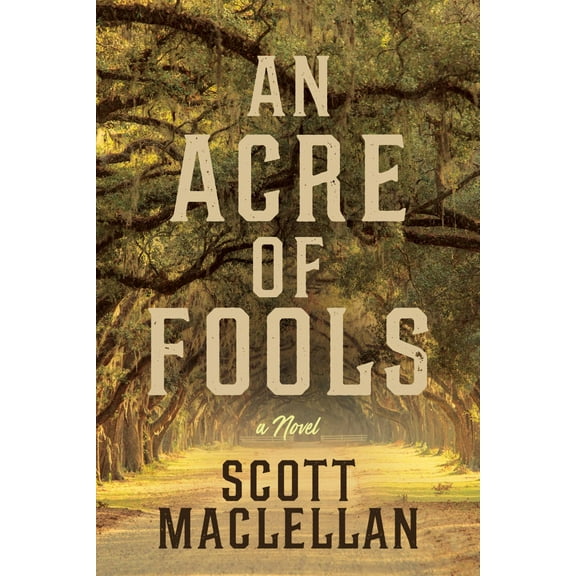
An Acre of Fools: A Novel (Paperback) $17.79
 $1779current price $17.79
An Acre of Fools: A Novel (Paperback)
De Profundis, (Paperback) $28.70
 $2870current price $28.70
De Profundis, (Paperback)
A Crack County: A novel. Part 3, (Paperback) $30.59
 $3059current price $30.59
A Crack County: A novel. Part 3, (Paperback)
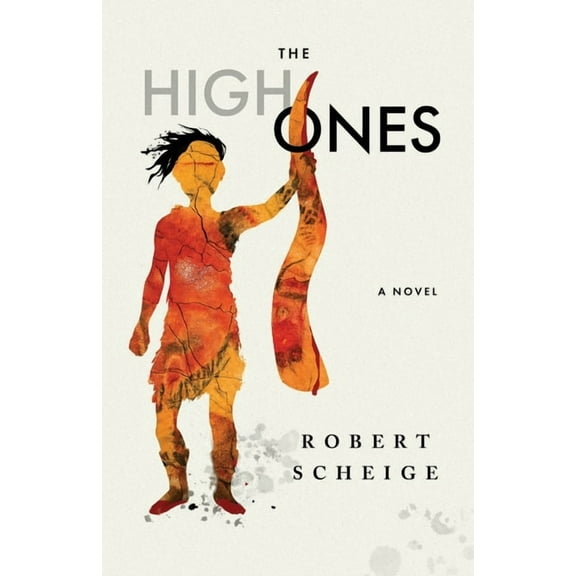
The High Ones (Paperback) $15.73
 $1573current price $15.73
The High Ones (Paperback)
Something Blue, (Paperback) $24.20
 $2420current price $24.20
Something Blue, (Paperback)
Customer ratings & reviews
0 ratings|0 reviews
This item does not have any reviews yet
