


Hero image 0 of The Quest for Jewish Belief and Identity in the Graphic Novel (Edition 1) (Hardcover), 0 of 1
The Quest for Jewish Belief and Identity in the Graphic Novel (Edition 1) (Hardcover)
(No ratings yet)
Key item features
Many Jewish artists and writers contributed to the creation of popular comics and graphic novels, and in The Quest for Jewish Belief and Identity in the Graphic Novel, Stephen E. Tabachnick takes readers on an engaging tour of graphic novels that explore themes of Jewish identity and belief.
The creators of Superman (Jerry Siegel and Joe Shuster), Batman (Bob Kane and Bill Finger), and the Marvel superheroes (Stan Lee and Jack Kirby), were Jewish, as was the founding editor of Mad magazine (Harvey Kurtzman). They often adapted Jewish folktales (like the Golem) or religious stories (such as the origin of Moses) for their comics, depicting characters wrestling with supernatural people and events. Likewise, some of the most significant graphic novels by Jews or about Jewish subject matter deal with questions of religious belief and Jewish identity. Their characters wrestle with belief—or nonbelief—in God, as well as with their own relationship to the Jews, the historical role of the Jewish people, the politics of Israel, and other issues related to Jewish identity.
In The Quest for Jewish Belief and Identity in the Graphic Novel, Stephen E. Tabachnick delves into the vivid kaleidoscope of Jewish beliefs and identities, ranging from Orthodox belief to complete atheism, and a spectrum of feelings about identification with other Jews. He explores graphic novels at the highest echelon of the genre by more than thirty artists and writers, among them Harvey Pekar (American Splendor), Will Eisner (A Contract with God), Joann Sfar (The Rabbi’s Cat), Miriam Katin (We Are On Our Own), Art Spiegelman (Maus), J. T. Waldman (Megillat Esther), Aline Kominsky Crumb (Need More Love), James Sturm (The Golem’s Mighty Swing), Leela Corman (Unterzakhn), Ari Folman and David Polonsky (Waltz with Bashir), David Mairowitz and Robert Crumb’s biography of Kafka, and many more. He also examines the work of a select few non-Jewish artists, such as Robert Crumb and Basil Wolverton, both of whom have created graphic adaptations of parts of the Hebrew Bible.
Among the topics he discusses are graphic novel adaptations of the Bible; the Holocaust graphic novel; graphic novels about the Jews in Eastern and Western Europe and Africa, and the American Jewish immigrant experience; graphic novels about the lives of Jewish women; the Israel-centered graphic novel; and the Orthodox graphic novel. The book concludes with an extensive bibliography.
No study of Jewish literature and art today can be complete without a survey of the graphic novel, and scholars, students, and graphic novel fans alike will delight in Tabachnick’s guide to this world of thought, sensibility, and artfulness.
The creators of Superman (Jerry Siegel and Joe Shuster), Batman (Bob Kane and Bill Finger), and the Marvel superheroes (Stan Lee and Jack Kirby), were Jewish, as was the founding editor of Mad magazine (Harvey Kurtzman). They often adapted Jewish folktales (like the Golem) or religious stories (such as the origin of Moses) for their comics, depicting characters wrestling with supernatural people and events. Likewise, some of the most significant graphic novels by Jews or about Jewish subject matter deal with questions of religious belief and Jewish identity. Their characters wrestle with belief—or nonbelief—in God, as well as with their own relationship to the Jews, the historical role of the Jewish people, the politics of Israel, and other issues related to Jewish identity.
In The Quest for Jewish Belief and Identity in the Graphic Novel, Stephen E. Tabachnick delves into the vivid kaleidoscope of Jewish beliefs and identities, ranging from Orthodox belief to complete atheism, and a spectrum of feelings about identification with other Jews. He explores graphic novels at the highest echelon of the genre by more than thirty artists and writers, among them Harvey Pekar (American Splendor), Will Eisner (A Contract with God), Joann Sfar (The Rabbi’s Cat), Miriam Katin (We Are On Our Own), Art Spiegelman (Maus), J. T. Waldman (Megillat Esther), Aline Kominsky Crumb (Need More Love), James Sturm (The Golem’s Mighty Swing), Leela Corman (Unterzakhn), Ari Folman and David Polonsky (Waltz with Bashir), David Mairowitz and Robert Crumb’s biography of Kafka, and many more. He also examines the work of a select few non-Jewish artists, such as Robert Crumb and Basil Wolverton, both of whom have created graphic adaptations of parts of the Hebrew Bible.
Among the topics he discusses are graphic novel adaptations of the Bible; the Holocaust graphic novel; graphic novels about the Jews in Eastern and Western Europe and Africa, and the American Jewish immigrant experience; graphic novels about the lives of Jewish women; the Israel-centered graphic novel; and the Orthodox graphic novel. The book concludes with an extensive bibliography.
No study of Jewish literature and art today can be complete without a survey of the graphic novel, and scholars, students, and graphic novel fans alike will delight in Tabachnick’s guide to this world of thought, sensibility, and artfulness.
Specs
- Book formatHardcover
- Fiction/nonfictionNon-Fiction
- GenreHistory
- Publication dateJune, 2014
- Pages272
- Number in series1
Current price is USD$44.22
Price when purchased online
Out of stock
How do you want your item?
Out of stock
About this item
Product details
Many Jewish artists and writers contributed to the creation of popular comics and graphic novels, and in The Quest for Jewish Belief and Identity in the Graphic Novel, Stephen E. Tabachnick takes readers on an engaging tour of graphic novels that explore themes of Jewish identity and belief.
Many Jewish artists and writers contributed to the creation of popular comics and graphic novels, and in The Quest for Jewish Belief and Identity in the Graphic Novel, Stephen E. Tabachnick takes readers on an engaging tour of graphic novels that explore themes of Jewish identity and belief.
The creators of Superman (Jerry Siegel and Joe Shuster), Batman (Bob Kane and Bill Finger), and the Marvel superheroes (Stan Lee and Jack Kirby), were Jewish, as was the founding editor of Mad magazine (Harvey Kurtzman). They often adapted Jewish folktales (like the Golem) or religious stories (such as the origin of Moses) for their comics, depicting characters wrestling with supernatural people and events. Likewise, some of the most significant graphic novels by Jews or about Jewish subject matter deal with questions of religious belief and Jewish identity. Their characters wrestle with belief—or nonbelief—in God, as well as with their own relationship to the Jews, the historical role of the Jewish people, the politics of Israel, and other issues related to Jewish identity.
In The Quest for Jewish Belief and Identity in the Graphic Novel, Stephen E. Tabachnick delves into the vivid kaleidoscope of Jewish beliefs and identities, ranging from Orthodox belief to complete atheism, and a spectrum of feelings about identification with other Jews. He explores graphic novels at the highest echelon of the genre by more than thirty artists and writers, among them Harvey Pekar (American Splendor), Will Eisner (A Contract with God), Joann Sfar (The Rabbi’s Cat), Miriam Katin (We Are On Our Own), Art Spiegelman (Maus), J. T. Waldman (Megillat Esther), Aline Kominsky Crumb (Need More Love), James Sturm (The Golem’s Mighty Swing), Leela Corman (Unterzakhn), Ari Folman and David Polonsky (Waltz with Bashir), David Mairowitz and Robert Crumb’s biography of Kafka, and many more. He also examines the work of a select few non-Jewish artists, such as Robert Crumb and Basil Wolverton, both of whom have created graphic adaptations of parts of the Hebrew Bible.
Among the topics he discusses are graphic novel adaptations of the Bible; the Holocaust graphic novel; graphic novels about the Jews in Eastern and Western Europe and Africa, and the American Jewish immigrant experience; graphic novels about the lives of Jewish women; the Israel-centered graphic novel; and the Orthodox graphic novel. The book concludes with an extensive bibliography.
No study of Jewish literature and art today can be complete without a survey of the graphic novel, and scholars, students, and graphic novel fans alike will delight in Tabachnick’s guide to this world of thought, sensibility, and artfulness.
The creators of Superman (Jerry Siegel and Joe Shuster), Batman (Bob Kane and Bill Finger), and the Marvel superheroes (Stan Lee and Jack Kirby), were Jewish, as was the founding editor of Mad magazine (Harvey Kurtzman). They often adapted Jewish folktales (like the Golem) or religious stories (such as the origin of Moses) for their comics, depicting characters wrestling with supernatural people and events. Likewise, some of the most significant graphic novels by Jews or about Jewish subject matter deal with questions of religious belief and Jewish identity. Their characters wrestle with belief—or nonbelief—in God, as well as with their own relationship to the Jews, the historical role of the Jewish people, the politics of Israel, and other issues related to Jewish identity.
In The Quest for Jewish Belief and Identity in the Graphic Novel, Stephen E. Tabachnick delves into the vivid kaleidoscope of Jewish beliefs and identities, ranging from Orthodox belief to complete atheism, and a spectrum of feelings about identification with other Jews. He explores graphic novels at the highest echelon of the genre by more than thirty artists and writers, among them Harvey Pekar (American Splendor), Will Eisner (A Contract with God), Joann Sfar (The Rabbi’s Cat), Miriam Katin (We Are On Our Own), Art Spiegelman (Maus), J. T. Waldman (Megillat Esther), Aline Kominsky Crumb (Need More Love), James Sturm (The Golem’s Mighty Swing), Leela Corman (Unterzakhn), Ari Folman and David Polonsky (Waltz with Bashir), David Mairowitz and Robert Crumb’s biography of Kafka, and many more. He also examines the work of a select few non-Jewish artists, such as Robert Crumb and Basil Wolverton, both of whom have created graphic adaptations of parts of the Hebrew Bible.
Among the topics he discusses are graphic novel adaptations of the Bible; the Holocaust graphic novel; graphic novels about the Jews in Eastern and Western Europe and Africa, and the American Jewish immigrant experience; graphic novels about the lives of Jewish women; the Israel-centered graphic novel; and the Orthodox graphic novel. The book concludes with an extensive bibliography.
No study of Jewish literature and art today can be complete without a survey of the graphic novel, and scholars, students, and graphic novel fans alike will delight in Tabachnick’s guide to this world of thought, sensibility, and artfulness.
info:
We aim to show you accurate product information. Manufacturers, suppliers and others provide what you see here, and we have not verified it.
Specifications
Book format
Hardcover
Fiction/nonfiction
Non-Fiction
Genre
History
Publication date
June, 2014
Warranty
Warranty information
Please be aware that the warranty terms on items offered for sale by third party Marketplace sellers may differ from those displayed in this section (if any). To confirm warranty terms on an item offered for sale by a third party Marketplace seller, please use the 'Contact seller' feature on the third party Marketplace seller's information page and request the item's warranty terms prior to purchase.
Similar items you might like
Based on what customers bought
The Sabra : The Creation of the New Jew (Edition 1) (Hardcover) $64.91
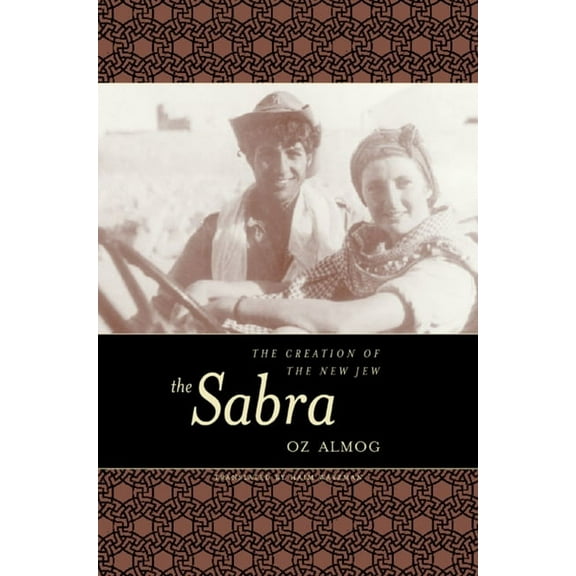 $6491current price $64.91
The Sabra : The Creation of the New Jew (Edition 1) (Hardcover)
Isaac Bashevis Singer: Writings on Yiddish and Yiddishkayt: A Spiritual Reappraisal, 1946-1955 Volume 2, (Hardcover) $18.91 Was $21.46
 $1891current price $18.91, Was $21.46$21.46
Isaac Bashevis Singer: Writings on Yiddish and Yiddishkayt: A Spiritual Reappraisal, 1946-1955 Volume 2, (Hardcover)
The Book Of Isaiah, (Hardcover) $34.95
 $3495current price $34.95
The Book Of Isaiah, (Hardcover)
The Guide for the Perplexed, (Hardcover) $44.29
 $4429current price $44.29
The Guide for the Perplexed, (Hardcover)
Perspectives on Jewish Thought and Mysticism, (Paperback) $31.99
 $3199current price $31.99
Perspectives on Jewish Thought and Mysticism, (Paperback)
Some Aspects of Rabbinic Theology (Hardcover) $51.79
 $5179current price $51.79
Some Aspects of Rabbinic Theology (Hardcover)
The Jewish Apologetic To The Grecian World In The Apocryphal And Pseudepigraphical Literature (1914) (Hardcover) $34.83
 $3483current price $34.83
The Jewish Apologetic To The Grecian World In The Apocryphal And Pseudepigraphical Literature (1914) (Hardcover)
The Chosen: The History of an Idea, the Anatomy of an Obsession, (Hardcover) $22.27
 $2227current price $22.27
The Chosen: The History of an Idea, the Anatomy of an Obsession, (Hardcover)
How to Soul, (Hardcover) $21.33
 $2133current price $21.33
How to Soul, (Hardcover)
New Perspectives in Theology of Judaism, (Paperback) $36.48
 $3648current price $36.48
New Perspectives in Theology of Judaism, (Paperback)
Sefer Milamot ha-shem (Paperback) $26.95
 $2695current price $26.95
Sefer Milamot ha-shem (Paperback)
El Zóhar El Zóhar Volume 1: Prólogo; Bereshit A, (Hardcover) $49.99
 $4999current price $49.99
El Zóhar El Zóhar Volume 1: Prólogo; Bereshit A, (Hardcover)
Why Am I a Jew?: A Contemporary Guide for the Perplexed, (Paperback) $13.39
 $1339current price $13.39
Why Am I a Jew?: A Contemporary Guide for the Perplexed, (Paperback)
The Zohar Volume 5: Vayetze; Vayishlach, (Hardcover) $41.38
 $4138current price $41.38
The Zohar Volume 5: Vayetze; Vayishlach, (Hardcover)
The Kuzari and the Shaping of Jewish Identity, 1167 1900, (Paperback) $61.98
 $6198current price $61.98
The Kuzari and the Shaping of Jewish Identity, 1167 1900, (Paperback)
The Zohar Volume 8: Shemot; Vaera, (Hardcover) $12.56
 $1256current price $12.56
The Zohar Volume 8: Shemot; Vaera, (Hardcover)
The Babylonian Talmud; original text, (Hardcover) $33.89
 $3389current price $33.89
The Babylonian Talmud; original text, (Hardcover)
Jewish Bible - Book of Numbers, (Hardcover) $27.95
 $2795current price $27.95
Jewish Bible - Book of Numbers, (Hardcover)
The Koren Shalem Humash with Rashi and Onkelos, (Hardcover) $45.42
 $4542current price $45.42
The Koren Shalem Humash with Rashi and Onkelos, (Hardcover)
15 out of 5 Stars. 1 reviewsCondition of Jewish Belief, (Paperback) $45.96
 $4596current price $45.96
Condition of Jewish Belief, (Paperback)
Customer ratings & reviews
0 ratings|0 reviews
This item does not have any reviews yet
