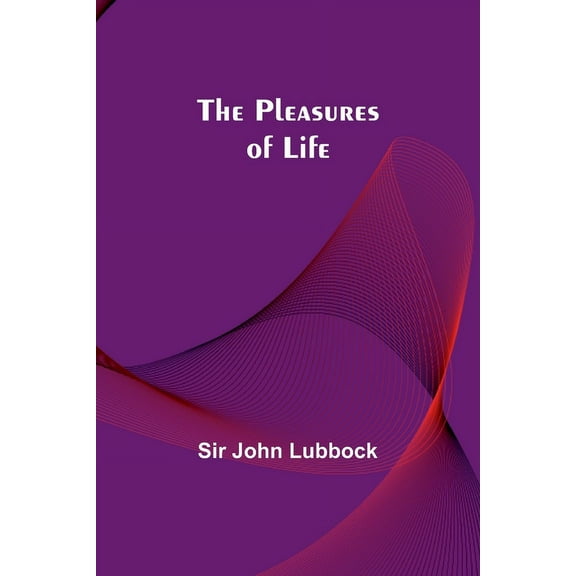
A timeless philosophy of happiness, meaning, and the art of living well. What does it truly mean to live a happy and fulfilling life?
Through reflections on friendship, time, books, nature, work, love, and spiritual balance, this classic meditation reveals how everyday choices shape inner peace and lasting joy.
Blending gentle philosophy with practical wisdom, the text offers a path toward emotional clarity, resilience, and mindful awareness-anticipating many ideas now associated with modern mindfulness and positive psychology.
Far from abstract theory, these pages invite the reader to rediscover the richness of ordinary moments, the value of attention, and the quiet strength of a well-ordered life.
In a world marked by stress, haste, and distraction, this enduring work offers calm, perspective, and hope.
Elegant, humane, and deeply encouraging, it remains a companion for anyone seeking balance, purpose, and genuine happiness.
Excerpt: "
Each day is a little life. All other good gifts depend on time for their value. What are friends, books, or health, the interest of travel or the delights of home, if we have not time for their enjoyment? Time is often said to be money, but it is more-it is life; and yet many who would cling desperately to life, think nothing of wasting time.
Ask of the wise, says Schiller in Lord Sherbrooke's translation,
"
The moments we forego Eternity itself cannot retrieve."
And, in the words of Dante,
"
For who knows most, him loss of time most grieves."
Not that a life of drudgery should be our ideal. Far from it. Time spent in innocent and rational enjoyments, in healthy games, in social and family intercourse, is well and wisely spent. Games not only keep the body in health, but give a command over the muscles and limbs which cannot be overvalued. Moreover, there are temptations which strong exercise best enables us to resist.
It is the idle who complain they cannot find time to do that which they fancy they wish. In truth, people can generally make time for what they choose to do; it is not really the time but the will that is wanting: and the advantage of leisure is mainly that we may have the power of choosing our own work, not certainly that it confers any privilege of idleness."