


The Weight of Words Series: The Importance of Being Poirot (Paperback)
(No ratings yet)
Key item features
Written by the renowned British historian who has been described as both utterly thorough and humanely delicate, Jeremy Black offers a guided tour through the mind of Agatha Christie and life during the Great World Wars. His incomparable treatment of literary craft developing alongside global military engagement nearly overshadows the natural draw of the crime drama that is the subject of his book. Indeed, the “prurience and sensationalism” of crime is not as exciting as Black’s aptitude for drawing the reality from the fiction (and periphery sources), giving Christie a much louder voice than she might ever have dreamed. If Christie is also moralist and mirror to her times, Black here plays his part as the detective and reveals layers of previously unmined truths in her stories.
Hercule Poirot as a character is masterfully imagined, but Black shows us how he is inseparable from Christie’s turbulent and changing world. He also illuminates significant social commentary in Christie’s fiction, and in so doing Black often uses his authority to vindicate Christie’s work from hastily, at times stupidly, applied labels and interpretations. He is especially magnificent in his chapters, “Xenophobia” and “The Sixties.” Black nevertheless gives due recognition to Christie’s critics when they have something relevant and reasonable to say, and hence the reader finds yet another service in Black’s comprehensive review of the reviewers over the expanse of Christie’s writing career.
For all this, Black proves himself to be a worthy history-teller because he can aptly ‘detect’ the meaning of stories that seeks to answer the past and guide the present. His erudition runs much deeper than his ability to navigate the stores of resources available on the subject, and the reader gets a glimpse of this early on when in the introduction he proffers his own defense for writing about the importance of a Hercule Poirot. Black writes, “the notion of crime had a moral component from the outset, and notably so in terms of the struggle between Good and Evil, and in the detection of the latter. Indeed, it is this detection that is the basis of the most powerful strand of detection story, because Evil disguises its purposes. It has to do so in a world and humanity made fundamentally benign and moral by God.” The Golden Age of detective novels represents much more than a triumph of a literary genre. It is in its own right a story of how the challenge to address the problem of evil was accepted. Its convergence with the plot-rich narrative of the twentieth century in the modern age renders Black’s account a thrilling masterpiece, seducing historians to read fiction and crime junkies to read more history.
Hercule Poirot as a character is masterfully imagined, but Black shows us how he is inseparable from Christie’s turbulent and changing world. He also illuminates significant social commentary in Christie’s fiction, and in so doing Black often uses his authority to vindicate Christie’s work from hastily, at times stupidly, applied labels and interpretations. He is especially magnificent in his chapters, “Xenophobia” and “The Sixties.” Black nevertheless gives due recognition to Christie’s critics when they have something relevant and reasonable to say, and hence the reader finds yet another service in Black’s comprehensive review of the reviewers over the expanse of Christie’s writing career.
For all this, Black proves himself to be a worthy history-teller because he can aptly ‘detect’ the meaning of stories that seeks to answer the past and guide the present. His erudition runs much deeper than his ability to navigate the stores of resources available on the subject, and the reader gets a glimpse of this early on when in the introduction he proffers his own defense for writing about the importance of a Hercule Poirot. Black writes, “the notion of crime had a moral component from the outset, and notably so in terms of the struggle between Good and Evil, and in the detection of the latter. Indeed, it is this detection that is the basis of the most powerful strand of detection story, because Evil disguises its purposes. It has to do so in a world and humanity made fundamentally benign and moral by God.” The Golden Age of detective novels represents much more than a triumph of a literary genre. It is in its own right a story of how the challenge to address the problem of evil was accepted. Its convergence with the plot-rich narrative of the twentieth century in the modern age renders Black’s account a thrilling masterpiece, seducing historians to read fiction and crime junkies to read more history.
Specs
- Book formatPaperback
- Fiction/nonfictionNon-Fiction
- GenreHistory
- Publication dateOctober, 2021
- Pages200
- Series titleThe Weight of Words Series
More seller options (2)
Starting from $32.87
About this item
Product details
Jeremy Black examines Agatha Christie's literary craft as it develops alongside global military engagement. Christie, largely with her character Hercule Poirot, heralds the Golden Age of the detective novel and carves out a genre and chapter of European history whose focus is the problem of evil.
Written by the renowned British historian who has been described as both utterly thorough and humanely delicate, Jeremy Black offers a guided tour through the mind of Agatha Christie and life during the Great World Wars. His incomparable treatment of literary craft developing alongside global military engagement nearly overshadows the natural draw of the crime drama that is the subject of his book. Indeed, the “prurience and sensationalism” of crime is not as exciting as Black’s aptitude for drawing the reality from the fiction (and periphery sources), giving Christie a much louder voice than she might ever have dreamed. If Christie is also moralist and mirror to her times, Black here plays his part as the detective and reveals layers of previously unmined truths in her stories.
Hercule Poirot as a character is masterfully imagined, but Black shows us how he is inseparable from Christie’s turbulent and changing world. He also illuminates significant social commentary in Christie’s fiction, and in so doing Black often uses his authority to vindicate Christie’s work from hastily, at times stupidly, applied labels and interpretations. He is especially magnificent in his chapters, “Xenophobia” and “The Sixties.” Black nevertheless gives due recognition to Christie’s critics when they have something relevant and reasonable to say, and hence the reader finds yet another service in Black’s comprehensive review of the reviewers over the expanse of Christie’s writing career.
For all this, Black proves himself to be a worthy history-teller because he can aptly ‘detect’ the meaning of stories that seeks to answer the past and guide the present. His erudition runs much deeper than his ability to navigate the stores of resources available on the subject, and the reader gets a glimpse of this early on when in the introduction he proffers his own defense for writing about the importance of a Hercule Poirot. Black writes, “the notion of crime had a moral component from the outset, and notably so in terms of the struggle between Good and Evil, and in the detection of the latter. Indeed, it is this detection that is the basis of the most powerful strand of detection story, because Evil disguises its purposes. It has to do so in a world and humanity made fundamentally benign and moral by God.” The Golden Age of detective novels represents much more than a triumph of a literary genre. It is in its own right a story of how the challenge to address the problem of evil was accepted. Its convergence with the plot-rich narrative of the twentieth century in the modern age renders Black’s account a thrilling masterpiece, seducing historians to read fiction and crime junkies to read more history.
Hercule Poirot as a character is masterfully imagined, but Black shows us how he is inseparable from Christie’s turbulent and changing world. He also illuminates significant social commentary in Christie’s fiction, and in so doing Black often uses his authority to vindicate Christie’s work from hastily, at times stupidly, applied labels and interpretations. He is especially magnificent in his chapters, “Xenophobia” and “The Sixties.” Black nevertheless gives due recognition to Christie’s critics when they have something relevant and reasonable to say, and hence the reader finds yet another service in Black’s comprehensive review of the reviewers over the expanse of Christie’s writing career.
For all this, Black proves himself to be a worthy history-teller because he can aptly ‘detect’ the meaning of stories that seeks to answer the past and guide the present. His erudition runs much deeper than his ability to navigate the stores of resources available on the subject, and the reader gets a glimpse of this early on when in the introduction he proffers his own defense for writing about the importance of a Hercule Poirot. Black writes, “the notion of crime had a moral component from the outset, and notably so in terms of the struggle between Good and Evil, and in the detection of the latter. Indeed, it is this detection that is the basis of the most powerful strand of detection story, because Evil disguises its purposes. It has to do so in a world and humanity made fundamentally benign and moral by God.” The Golden Age of detective novels represents much more than a triumph of a literary genre. It is in its own right a story of how the challenge to address the problem of evil was accepted. Its convergence with the plot-rich narrative of the twentieth century in the modern age renders Black’s account a thrilling masterpiece, seducing historians to read fiction and crime junkies to read more history.
info:
We aim to show you accurate product information. Manufacturers, suppliers and others provide what you see here, and we have not verified it.
Specifications
Book format
Paperback
Fiction/nonfiction
Non-Fiction
Genre
History
Publication date
October, 2021
Warranty
Warranty information
Please be aware that the warranty terms on items offered for sale by third party Marketplace sellers may differ from those displayed in this section (if any). To confirm warranty terms on an item offered for sale by a third party Marketplace seller, please use the 'Contact seller' feature on the third party Marketplace seller's information page and request the item's warranty terms prior to purchase.
Similar items you might like
Based on what customers bought
Voracious, (Paperback) $17.76
 $1776current price $17.76
Voracious, (Paperback)
Presence and Place, (Paperback) $29.40
 $2940current price $29.40
Presence and Place, (Paperback)
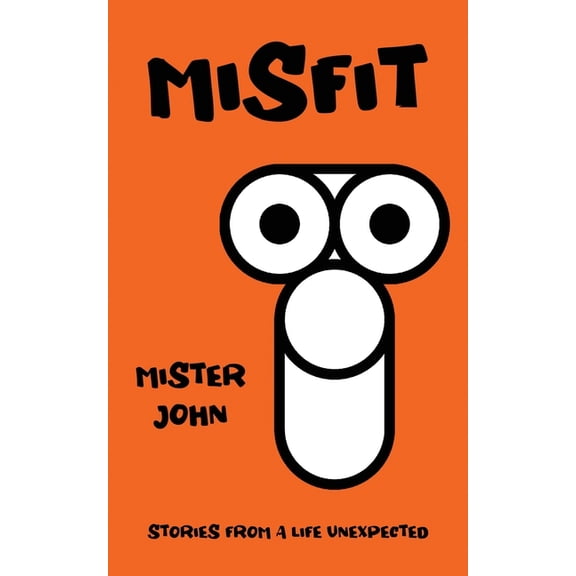
Misfit, (Paperback) $7.17
 $717current price $7.17
Misfit, (Paperback)
Chief Inspector Gamache Mystery Series (6-10) by Louise Penny: 5 Books- Fiction -Paperback $35.99
 $3599current price $35.99
Chief Inspector Gamache Mystery Series (6-10) by Louise Penny: 5 Books- Fiction -Paperback
Stratagems and Spoils (Paperback) $23.95
 $2395current price $23.95
Stratagems and Spoils (Paperback)
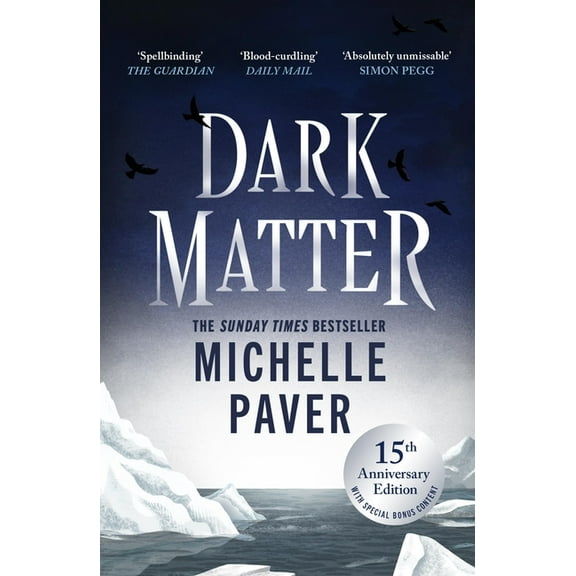
Dark Matter: The Bestselling Richard & Judy Book Club Pick, (Paperback) $17.70
 $1770current price $17.70
Dark Matter: The Bestselling Richard & Judy Book Club Pick, (Paperback)
The Kima Chronicles #1 (Paperback) $20.91
 $2091current price $20.91
The Kima Chronicles #1 (Paperback)
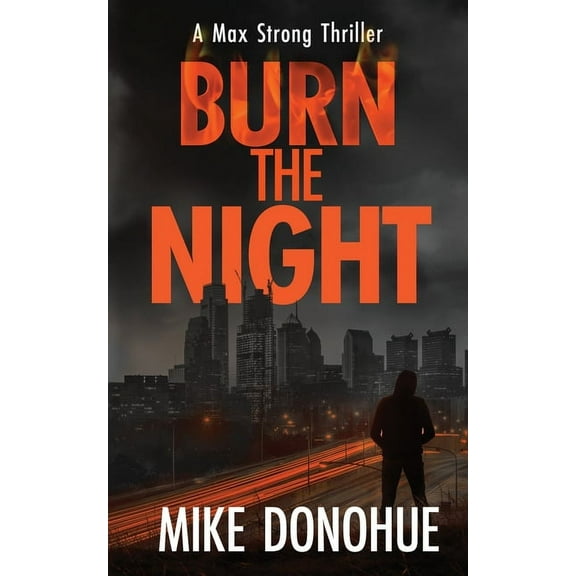
A Max Strong Thriller Burn the Night, Book 5, (Paperback) $13.99
 $1399current price $13.99
A Max Strong Thriller Burn the Night, Book 5, (Paperback)
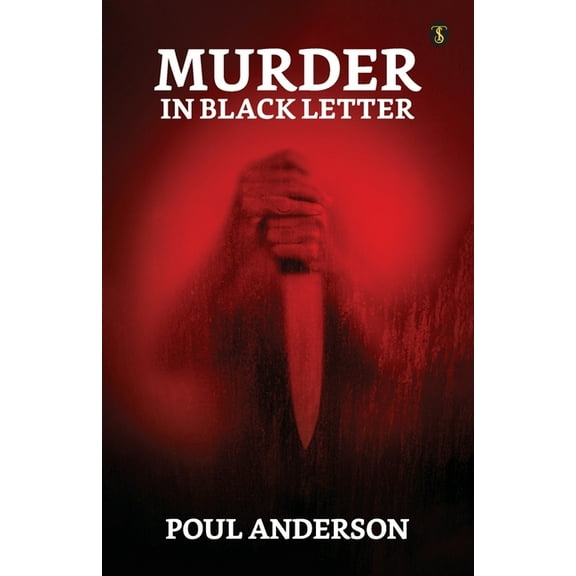
Murder In Black Letter (Paperback) $13.99 Was $19.39
 $1399current price $13.99, Was $19.39$19.39
Murder In Black Letter (Paperback)
The Muzac Man Volume 1, (Paperback) $14.54
 $1454current price $14.54
The Muzac Man Volume 1, (Paperback)
Misfit 2, (Paperback) $6.90
 $690current price $6.90
Misfit 2, (Paperback)
Fourth and Walnut, (Paperback) $17.34
 $1734current price $17.34
Fourth and Walnut, (Paperback)
More Opic Observations (Paperback) $15.95
 $1595current price $15.95
More Opic Observations (Paperback)
The Woman in White, (Paperback) $43.07
 $4307current price $43.07
The Woman in White, (Paperback)
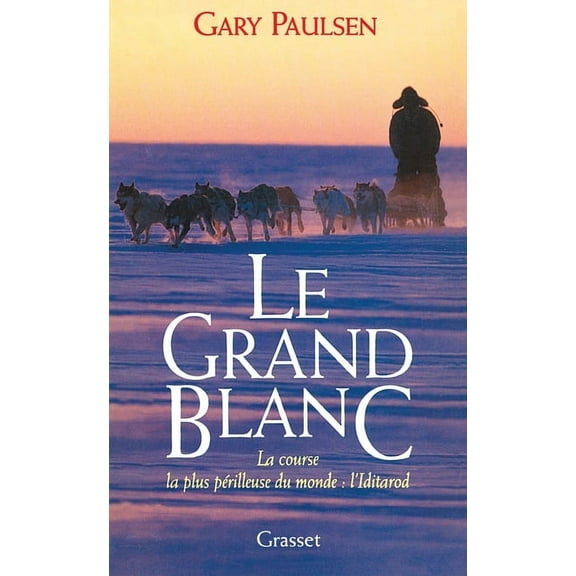
Le Grand Blanc, (Paperback) $29.95
 $2995current price $29.95
Le Grand Blanc, (Paperback)
You can't get inside my head it's already overcrowded, (Paperback) $17.94
 $1794current price $17.94
You can't get inside my head it's already overcrowded, (Paperback)
Orations of British Orators Vol. One, (Paperback) $25.41
 $2541current price $25.41
Orations of British Orators Vol. One, (Paperback)
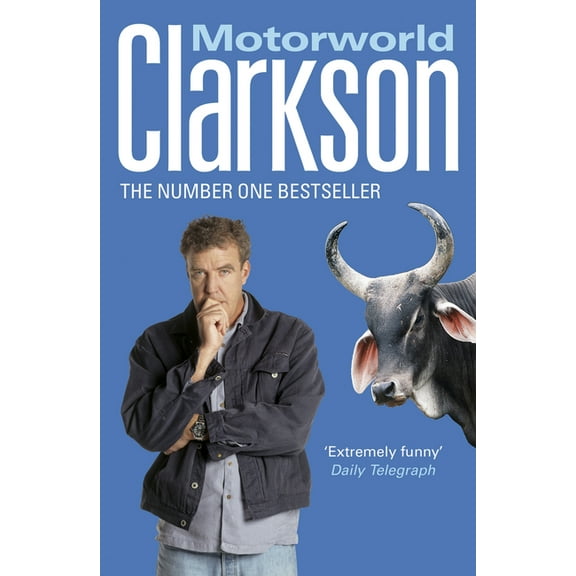
Motorworld (Paperback) $20.96
 $2096current price $20.96
Motorworld (Paperback)
Verdict, (Paperback) $20.40
 $2040current price $20.40
Verdict, (Paperback)
White Lies (Paperback) $22.95
 $2295current price $22.95
White Lies (Paperback)
Customer ratings & reviews
0 ratings|0 reviews
This item does not have any reviews yet

Related pages
- Simon Sinek Start
- L Block
- The Length
- Palindrome Backwards
- Lie Nielson
- Tragedy Rhyme
- Business & Economics Teen & Young Adult Books
- Literary Criticism & Collections Teen & Young Adult Books
- Politics & Government Teen & Young Adult Books
- Exploration & Discovery Historical Teen & Young Adult Books
- Chaotic Behavior in Systems Science Books
- Test Prep Teen & Young Adult Books