


Hero image 0 of Untitled (CD-Audio), 0 of 1
Untitled (CD-Audio)
(No ratings yet)
Key item features
From bestselling authors and journalistic titans, Ezra Klein and Derek Thompson, Abundance is a once-in-a-generation, paradigm-shifting call to rethink big, entrenched problems that seem mired in systemic scarcity: from climate change to housing, education to healthcare.
To trace the global history of the twenty-first century so far is to trace a history of growing unaffordability and shortage. After years of refusing to build sufficient housing, the entire country has a national housing crisis. After years of slashing immigration, we don’t have enough workers. After decades of off-shoring manufacturing, we have a shortage of chips for cars and computers. Despite decades of being warned about the consequences of climate change, we haven’t built anything close to the clean energy infrastructure we need. The crisis that’s clicking into focus now has been building for decades—because we haven’t been building enough.
Abundance explains that our problems today are not the results of yesteryear’s villains. Rather, one generation’s solutions have become the next generation’s problems. Rules and regulations designed to solve the environmental problems of the 1970s often prevent urban density and green energy projects that would help solve the environmental problems of the 2020s. Laws meant to ensure that government considers the consequences of its actions in matters of education and healthcare have made it too difficult for government to act consequentially. In the last few decades, our capacity to see problems has sharpened while our ability to solve them has diminished.
Progress requires the ability to see promise rather than just peril in the creation of new ideas and projects, and an instinct to design systems and institutions that make building possible. In a book exploring how can move from a liberalism that not only protects and preserves but also builds, Klein and Thompson trace the political, economic, and cultural barriers to progress and how we can adopt a mindset directed toward abundance, and not scarcity, to overcome them.
To trace the global history of the twenty-first century so far is to trace a history of growing unaffordability and shortage. After years of refusing to build sufficient housing, the entire country has a national housing crisis. After years of slashing immigration, we don’t have enough workers. After decades of off-shoring manufacturing, we have a shortage of chips for cars and computers. Despite decades of being warned about the consequences of climate change, we haven’t built anything close to the clean energy infrastructure we need. The crisis that’s clicking into focus now has been building for decades—because we haven’t been building enough.
Abundance explains that our problems today are not the results of yesteryear’s villains. Rather, one generation’s solutions have become the next generation’s problems. Rules and regulations designed to solve the environmental problems of the 1970s often prevent urban density and green energy projects that would help solve the environmental problems of the 2020s. Laws meant to ensure that government considers the consequences of its actions in matters of education and healthcare have made it too difficult for government to act consequentially. In the last few decades, our capacity to see problems has sharpened while our ability to solve them has diminished.
Progress requires the ability to see promise rather than just peril in the creation of new ideas and projects, and an instinct to design systems and institutions that make building possible. In a book exploring how can move from a liberalism that not only protects and preserves but also builds, Klein and Thompson trace the political, economic, and cultural barriers to progress and how we can adopt a mindset directed toward abundance, and not scarcity, to overcome them.
Specs
- Fiction/nonfictionNon-Fiction
- GenreNonfiction
- Publication dateJanuary, 2025
- Reading levelKindergarten, Preschool
- EditionUnabridged edition
- PublisherSimon & Schuster Audio
Current price is USD$31.21
Price when purchased online
 Free 90-day returns
How do you want your item?
Try 30 days of Free Shipping with Walmart+! Choose plan at checkout.
Columbus, 43215
Arrives by Tomorrow
.Order within 3 hr 26 min
Sold and shipped by Walmart.com

Free 90-day returns

This item is gift eligible

Get free delivery, shipping and more*
*Restrictions apply Try Walmart+ now
About this item
Product details
From bestselling authors and journalistic titans, Ezra Klein and Derek Thompson, Abundance is a once-in-a-generation, paradigm-shifting call to rethink big, entrenched problems that seem mired in systemic scarcity: from climate change to housing, education to healthcare. To trace the global history of the twenty-first century so far is to trace a history of growing unaffordability and shortage. After years of refusing to build sufficient housing, the entire country has a national housing crisis. After years of slashing immigration, we don't have enough workers. After decades of off-shoring manufacturing, we have a shortage of chips for cars and computers. Despite decades of being warned about the consequences of climate change, we haven't built anything close to the clean energy infrastructure we need. The crisis that's clicking into focus now has been building for decades--because we haven't been building enough. Abundance explains that our problems today are not the results of yesteryear's villains. Rather, one generation's solutions have become the next generation's problems. Rules and regulations designed to solve the environmental problems of the 1970s often prevent urban density and green energy projects that would help solve the environmental problems of the 2020s. Laws meant to ensure that government considers the consequences of its actions in matters of education and healthcare have made it too difficult for government to act consequentially. In the last few decades, our capacity to see problems has sharpened while our ability to solve them has diminished. Progress requires the ability to see promise rather than just peril in the creation of new ideas and projects, and an instinct to design systems and institutions that make building possible. In a book exploring how can move from a liberalism that not only protects and preserves but also builds, Klein and Thompson trace the political, economic, and cultural barriers to progress and how we can adopt a mindset directed toward abundance, and not scarcity, to overcome them.
From bestselling authors and journalistic titans, Ezra Klein and Derek Thompson, Abundance is a once-in-a-generation, paradigm-shifting call to rethink big, entrenched problems that seem mired in systemic scarcity: from climate change to housing, education to healthcare.
To trace the global history of the twenty-first century so far is to trace a history of growing unaffordability and shortage. After years of refusing to build sufficient housing, the entire country has a national housing crisis. After years of slashing immigration, we don’t have enough workers. After decades of off-shoring manufacturing, we have a shortage of chips for cars and computers. Despite decades of being warned about the consequences of climate change, we haven’t built anything close to the clean energy infrastructure we need. The crisis that’s clicking into focus now has been building for decades—because we haven’t been building enough.
Abundance explains that our problems today are not the results of yesteryear’s villains. Rather, one generation’s solutions have become the next generation’s problems. Rules and regulations designed to solve the environmental problems of the 1970s often prevent urban density and green energy projects that would help solve the environmental problems of the 2020s. Laws meant to ensure that government considers the consequences of its actions in matters of education and healthcare have made it too difficult for government to act consequentially. In the last few decades, our capacity to see problems has sharpened while our ability to solve them has diminished.
Progress requires the ability to see promise rather than just peril in the creation of new ideas and projects, and an instinct to design systems and institutions that make building possible. In a book exploring how can move from a liberalism that not only protects and preserves but also builds, Klein and Thompson trace the political, economic, and cultural barriers to progress and how we can adopt a mindset directed toward abundance, and not scarcity, to overcome them.
To trace the global history of the twenty-first century so far is to trace a history of growing unaffordability and shortage. After years of refusing to build sufficient housing, the entire country has a national housing crisis. After years of slashing immigration, we don’t have enough workers. After decades of off-shoring manufacturing, we have a shortage of chips for cars and computers. Despite decades of being warned about the consequences of climate change, we haven’t built anything close to the clean energy infrastructure we need. The crisis that’s clicking into focus now has been building for decades—because we haven’t been building enough.
Abundance explains that our problems today are not the results of yesteryear’s villains. Rather, one generation’s solutions have become the next generation’s problems. Rules and regulations designed to solve the environmental problems of the 1970s often prevent urban density and green energy projects that would help solve the environmental problems of the 2020s. Laws meant to ensure that government considers the consequences of its actions in matters of education and healthcare have made it too difficult for government to act consequentially. In the last few decades, our capacity to see problems has sharpened while our ability to solve them has diminished.
Progress requires the ability to see promise rather than just peril in the creation of new ideas and projects, and an instinct to design systems and institutions that make building possible. In a book exploring how can move from a liberalism that not only protects and preserves but also builds, Klein and Thompson trace the political, economic, and cultural barriers to progress and how we can adopt a mindset directed toward abundance, and not scarcity, to overcome them.
info:
We aim to show you accurate product information. Manufacturers, suppliers and others provide what you see here, and we have not verified it.
Specifications
Fiction/nonfiction
Non-Fiction
Genre
Nonfiction
Publication date
January, 2025
Reading level
Kindergarten, Preschool
Similar items you might like
Based on what customers bought
Martin Seligman 3 Books Collection Set - Non Fiction - Paperback $22.99
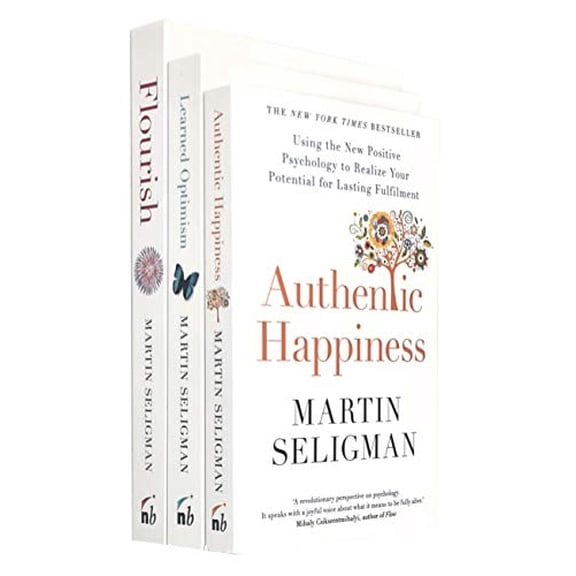 $2299current price $22.99
Martin Seligman 3 Books Collection Set - Non Fiction - Paperback
Pre-Owned Hackers & Painters: Big Ideas from the Computer Age (Paperback) 1449389554 9781449389550 $11.05 Was $13.45
 $1105current price $11.05, Was $13.45$13.45
Pre-Owned Hackers & Painters: Big Ideas from the Computer Age (Paperback) 1449389554 9781449389550
Best seller The Body Keeps the Score: Brain, Mind, and Body in the Healing of Trauma (Paperback) $15.50
Best seller 2 optionsAvailable in additional 2 options$1550current price $15.50
The Body Keeps the Score: Brain, Mind, and Body in the Healing of Trauma (Paperback)
1264.7 out of 5 Stars. 126 reviewsTeaching Character in the Primary Classroom, (Paperback) $35.14
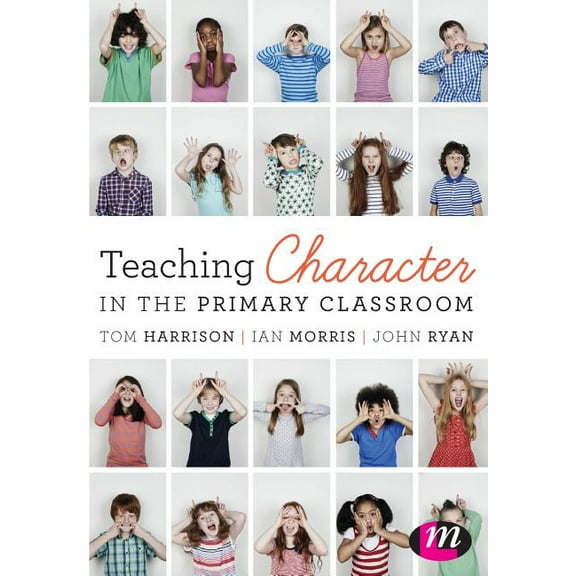 $3514current price $35.14
Teaching Character in the Primary Classroom, (Paperback)
Pre-Owned The World Without Us (Hardcover) 0312347294 9780312347291 $4.41
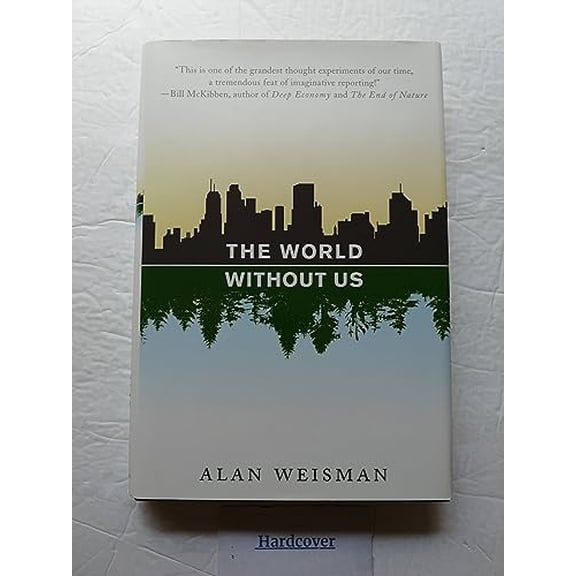 3 optionsAvailable in additional 3 options$441current price $4.41
Pre-Owned The World Without Us (Hardcover) 0312347294 9780312347291
824 out of 5 Stars. 82 reviewsThe Elements of Psychology; A Text-Book (Paperback) $25.95
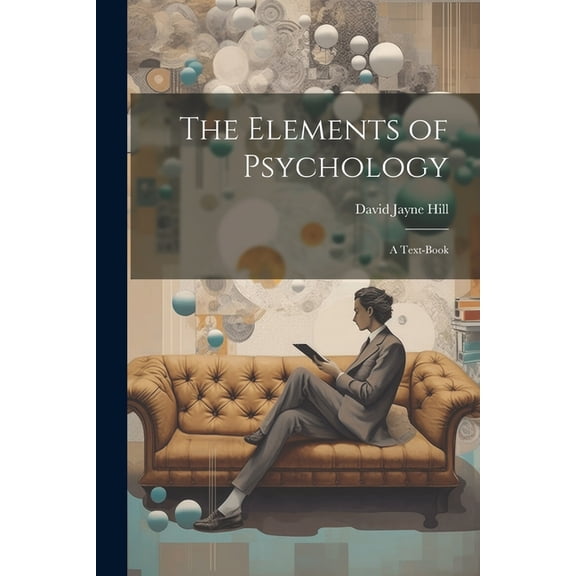 $2595current price $25.95
The Elements of Psychology; A Text-Book (Paperback)
My Emotional Life (Hardcover) $27.84
 $2784current price $27.84
My Emotional Life (Hardcover)
Evan-Moor Daily Math Practice, Grade 3 Teaching Edition $11.00
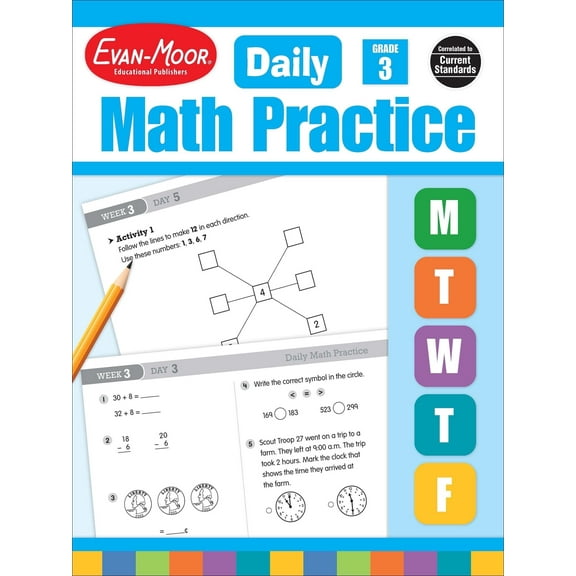 6 optionsAvailable in additional 6 options$1100current price $11.00
Evan-Moor Daily Math Practice, Grade 3 Teaching Edition
704.6 out of 5 Stars. 70 reviewsEuphony The Sound of Life (Paperback) $28.63
 $2863current price $28.63
Euphony The Sound of Life (Paperback)
Essential Guide Generic Skills, (Paperback) $33.54
 $3354current price $33.54
Essential Guide Generic Skills, (Paperback)
Hotch-potch & Kedgeree (Hardcover) $31.95
 $3195current price $31.95
Hotch-potch & Kedgeree (Hardcover)
Pre-Owned A Survey of Mathematics with Applications (10th Edition) - Standalone book $15.91
 2 optionsAvailable in additional 2 options$1591current price $15.91
Pre-Owned A Survey of Mathematics with Applications (10th Edition) - Standalone book
A manual of Greek historical inscriptions, (Paperback) $24.57 Was $30.12
 $2457current price $24.57, Was $30.12$30.12
A manual of Greek historical inscriptions, (Paperback)
Absatzförderung Im Einzelhandel: Leistungssteigerung in Klein- Und Mittelbetrieben, (Paperback) $28.89
 $2889current price $28.89
Absatzförderung Im Einzelhandel: Leistungssteigerung in Klein- Und Mittelbetrieben, (Paperback)
The Watthour Meter (Hardcover) $31.95
 $3195current price $31.95
The Watthour Meter (Hardcover)
The Haigs of Bemersyde (Paperback) $27.95
 $2795current price $27.95
The Haigs of Bemersyde (Paperback)
The Elements of Genetics, (Paperback) $30.48
 $3048current price $30.48
The Elements of Genetics, (Paperback)
Inventional Geometry, (Hardcover) $29.95
 $2995current price $29.95
Inventional Geometry, (Hardcover)
Memoirs of James Hutton (Paperback) $30.95
 $3095current price $30.95
Memoirs of James Hutton (Paperback)
Derek Acorah's Ghost Towns, (Paperback) $15.99
 $1599current price $15.99
Derek Acorah's Ghost Towns, (Paperback)
Customer ratings & reviews
0 ratings|0 reviews
This item does not have any reviews yet
