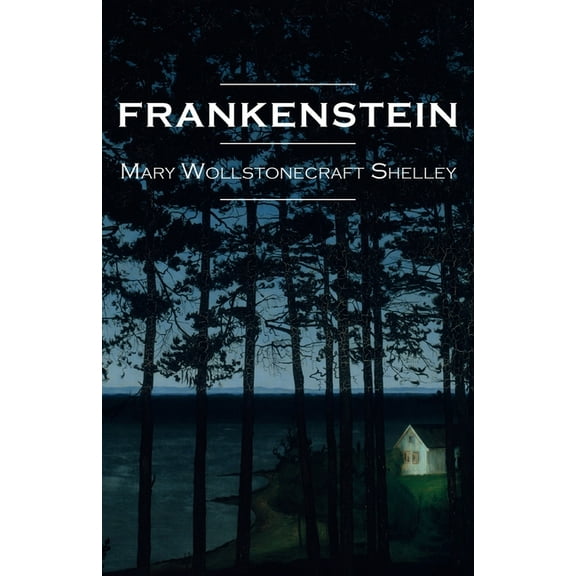
A Gothic Masterpiece That Birthed Science Fiction A stormy night in 1816 gave rise to a novel that would forever change the face of literature. In Frankenstein, Mary Shelley weaves a dark, lyrical, and deeply human tale that has haunted readers for generations. Often misunderstood as a simple horror story, this is, in fact, a profound exploration of the boundaries of science, the nature of humanity, and the perilous costs of unchecked ambition.
Victor Frankenstein, a young scientist driven by an obsessive thirst for knowledge, dares to breathe life into lifeless matter. But the being he creates--intelligent, sensitive, and grotesquely misunderstood--becomes a tragic symbol of loneliness and rejection. As creator and creation spiral toward destruction, the novel questions who the real monster truly is.
Themes Explored - The Ethics of Creation Explore the consequences of defying nature as Victor creates life and faces its haunting aftermath.
- Isolation and Loneliness Delve into the emotional toll of rejection as both creator and creation endure profound solitude.
- Nature vs. Nurture Examine whether the monster is born evil--or shaped by cruelty and neglect.
- Obsession and its Fallout Confront the dangers of unchecked ambition as Victor's pursuit consumes everything he loves.
- Appearance vs. Reality Uncover how a monstrous exterior can hide a deeply human soul.
Perfect For - Classic literature enthusiasts
- Students and scholars of philosophy, ethics, and science
- Readers who enjoy psychologically complex characters and timeless storytelling
- Collectors of iconic novels that shaped literary history