


Hero image 0 of Virtue Is Knowledge : The Moral Foundations of Socratic Political Philosophy (Hardcover), 0 of 1
Virtue Is Knowledge : The Moral Foundations of Socratic Political Philosophy (Hardcover)
(No ratings yet)
Key item features
The relation between virtue and knowledge is at the heart of the Socratic view of human excellence, but it also points to a central puzzle of the Platonic dialogues: Can Socrates be serious in his claims that human excellence is constituted by one virtue, that vice is merely the result of ignorance, and that the correct response to crime is therefore not punishment but education? Or are these assertions mere rhetorical ploys by a notoriously complex thinker?
Lorraine Smith Pangle traces the argument for the primacy of virtue and the power of knowledge throughout the five dialogues that feature them most prominently—the Apology, Gorgias, Protagoras, Meno, and Laws—and reveals the truth at the core of these seemingly strange claims. She argues that Socrates was more aware of the complex causes of human action and of the power of irrational passions than a cursory reading might suggest. Pangle’s perceptive analyses reveal that many of Socrates’s teachings in fact explore the factors that make it difficult for humans to be the rational creatures that he at first seems to claim. Also critical to Pangle’s reading is her emphasis on the political dimensions of the dialogues. Underlying many of the paradoxes, she shows, is a distinction between philosophic and civic virtue that is critical to understanding them.
Ultimately, Pangle offers a radically unconventional way of reading Socrates’s views of human excellence: Virtue is not knowledge in any ordinary sense, but true virtue is nothing other than wisdom.
Lorraine Smith Pangle traces the argument for the primacy of virtue and the power of knowledge throughout the five dialogues that feature them most prominently—the Apology, Gorgias, Protagoras, Meno, and Laws—and reveals the truth at the core of these seemingly strange claims. She argues that Socrates was more aware of the complex causes of human action and of the power of irrational passions than a cursory reading might suggest. Pangle’s perceptive analyses reveal that many of Socrates’s teachings in fact explore the factors that make it difficult for humans to be the rational creatures that he at first seems to claim. Also critical to Pangle’s reading is her emphasis on the political dimensions of the dialogues. Underlying many of the paradoxes, she shows, is a distinction between philosophic and civic virtue that is critical to understanding them.
Ultimately, Pangle offers a radically unconventional way of reading Socrates’s views of human excellence: Virtue is not knowledge in any ordinary sense, but true virtue is nothing other than wisdom.
Specs
- Book formatHardcover
- Fiction/nonfictionNon-Fiction
- Publication dateMay, 2014
- Pages304
- Edition1
- Original languagesEnglish
Current price is USD$45.57
Price when purchased online
- Free shipping
 Free 30-day returns
How do you want your item?
Columbus, 43215
Arrives between May 15 - May 21
|
Sold and shipped by newbookdeals
4.557721908671113 stars out of 5, based on 1949 seller reviews(4.6)1949 seller reviews

Free 30-day returns
More seller options (1)
Starting from $64.25
About this item
Product details
The relation between virtue and knowledge is at the heart of the Socratic view of human excellence, but it also points to a central puzzle of the Platonic dialogues: Can Socrates be serious in his claims that human excellence is constituted by one virtue, that vice is merely the result of ignorance, and that the correct response to crime is therefore not punishment but education? Or are these assertions mere rhetorical ploys by a notoriously complex thinker? Lorraine Smith Pangle traces the argument for the primacy of virtue and the power of knowledge throughout the five dialogues that feature them most prominently--the Apology, Gorgias, Protagoras, Meno, and Laws--and reveals the truth at the core of these seemingly strange claims. She argues that Socrates was more aware of the complex causes of human action and of the power of irrational passions than a cursory reading might suggest. Pangle's perceptive analyses reveal that many of Socrates's teachings in fact explore the factors that make it difficult for humans to be the rational creatures that he at first seems to claim. Also critical to Pangle's reading is her emphasis on the political dimensions of the dialogues. Underlying many of the paradoxes, she shows, is a distinction between philosophic and civic virtue that is critical to understanding them. Ultimately, Pangle offers a radically unconventional way of reading Socrates's views of human excellence: Virtue is not knowledge in any ordinary sense, but true virtue is nothing other than wisdom.
The relation between virtue and knowledge is at the heart of the Socratic view of human excellence, but it also points to a central puzzle of the Platonic dialogues: Can Socrates be serious in his claims that human excellence is constituted by one virtue, that vice is merely the result of ignorance, and that the correct response to crime is therefore not punishment but education? Or are these assertions mere rhetorical ploys by a notoriously complex thinker?
Lorraine Smith Pangle traces the argument for the primacy of virtue and the power of knowledge throughout the five dialogues that feature them most prominently—the Apology, Gorgias, Protagoras, Meno, and Laws—and reveals the truth at the core of these seemingly strange claims. She argues that Socrates was more aware of the complex causes of human action and of the power of irrational passions than a cursory reading might suggest. Pangle’s perceptive analyses reveal that many of Socrates’s teachings in fact explore the factors that make it difficult for humans to be the rational creatures that he at first seems to claim. Also critical to Pangle’s reading is her emphasis on the political dimensions of the dialogues. Underlying many of the paradoxes, she shows, is a distinction between philosophic and civic virtue that is critical to understanding them.
Ultimately, Pangle offers a radically unconventional way of reading Socrates’s views of human excellence: Virtue is not knowledge in any ordinary sense, but true virtue is nothing other than wisdom.
Lorraine Smith Pangle traces the argument for the primacy of virtue and the power of knowledge throughout the five dialogues that feature them most prominently—the Apology, Gorgias, Protagoras, Meno, and Laws—and reveals the truth at the core of these seemingly strange claims. She argues that Socrates was more aware of the complex causes of human action and of the power of irrational passions than a cursory reading might suggest. Pangle’s perceptive analyses reveal that many of Socrates’s teachings in fact explore the factors that make it difficult for humans to be the rational creatures that he at first seems to claim. Also critical to Pangle’s reading is her emphasis on the political dimensions of the dialogues. Underlying many of the paradoxes, she shows, is a distinction between philosophic and civic virtue that is critical to understanding them.
Ultimately, Pangle offers a radically unconventional way of reading Socrates’s views of human excellence: Virtue is not knowledge in any ordinary sense, but true virtue is nothing other than wisdom.
info:
We aim to show you accurate product information. Manufacturers, suppliers and others provide what you see here, and we have not verified it.
Specifications
Book format
Hardcover
Fiction/nonfiction
Non-Fiction
Genre
Political & Social Sciences
Publication date
May, 2014
Warranty
Warranty information
Please be aware that the warranty terms on items offered for sale by third party Marketplace sellers may differ from those displayed in this section (if any). To confirm warranty terms on an item offered for sale by a third party Marketplace seller, please use the 'Contact seller' feature on the third party Marketplace seller's information page and request the item's warranty terms prior to purchase.
Warnings
State Chemical Disclosure
None
Similar items you might like
Based on what customers bought
Aristotle's Political Philosophy: An Inquiry Into the Nicomachean Ethics, Politics, and Rhetoric, (Hardcover) $40.00
 $4000current price $40.00
Aristotle's Political Philosophy: An Inquiry Into the Nicomachean Ethics, Politics, and Rhetoric, (Hardcover)
The Idea of Order; Contributions to a Philosophy of Politics, (Hardcover) $32.94
 $3294current price $32.94
The Idea of Order; Contributions to a Philosophy of Politics, (Hardcover)
What Happened in and to Moral Philosophy in the Twentieth Century?: Philosophical Essays in Honor of Alasdair MacIntyre, (Hardcover) $40.43 Was $46.90
 $4043current price $40.43, Was $46.90$46.90
What Happened in and to Moral Philosophy in the Twentieth Century?: Philosophical Essays in Honor of Alasdair MacIntyre, (Hardcover)
A Dialectic of Morals: Toward the Foundations of Political Philosophy, (Hardcover) $30.95
 $3095current price $30.95
A Dialectic of Morals: Toward the Foundations of Political Philosophy, (Hardcover)
Hackett Classics: Hume: Moral Philosophy (Hardcover) $54.80
 $5480current price $54.80
Hackett Classics: Hume: Moral Philosophy (Hardcover)
Freedom and the End of Reason: On the Moral Foundation of Kant's Critical Philosophy, (Hardcover) $92.33
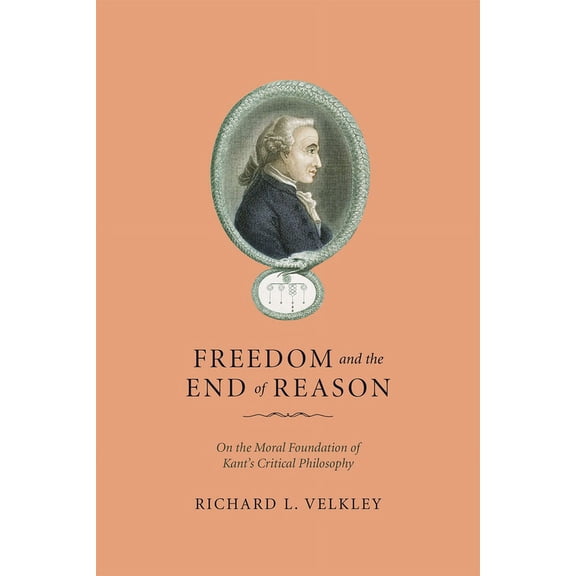 $9233current price $92.33
Freedom and the End of Reason: On the Moral Foundation of Kant's Critical Philosophy, (Hardcover)
Foundations of Black Epistemology: Knowledge Discourse in Africana Philosophy, (Paperback) $34.50
 $3450current price $34.50
Foundations of Black Epistemology: Knowledge Discourse in Africana Philosophy, (Paperback)
Sophistry and Political Philosophy: Protagoras' Challenge to Socrates, (Paperback) $36.70
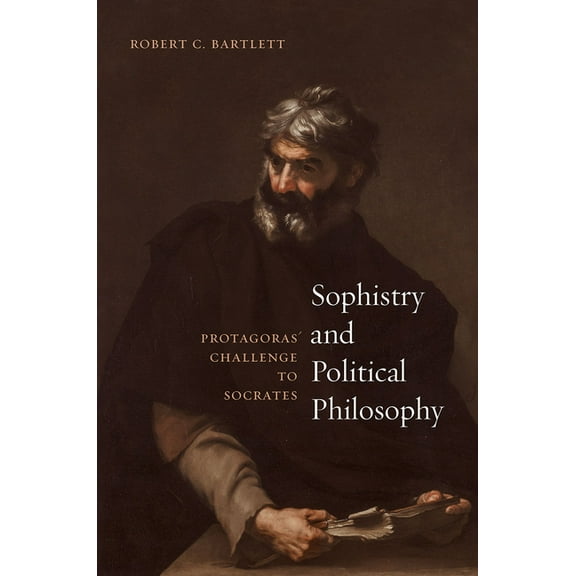 $3670current price $36.70
Sophistry and Political Philosophy: Protagoras' Challenge to Socrates, (Paperback)
Pragmatic Reasons: A Defense of Morality and Epistemology, (Hardcover) $56.14
 $5614current price $56.14
Pragmatic Reasons: A Defense of Morality and Epistemology, (Hardcover)
Making AI Intelligible: Philosophical Foundations, (Hardcover) $48.99
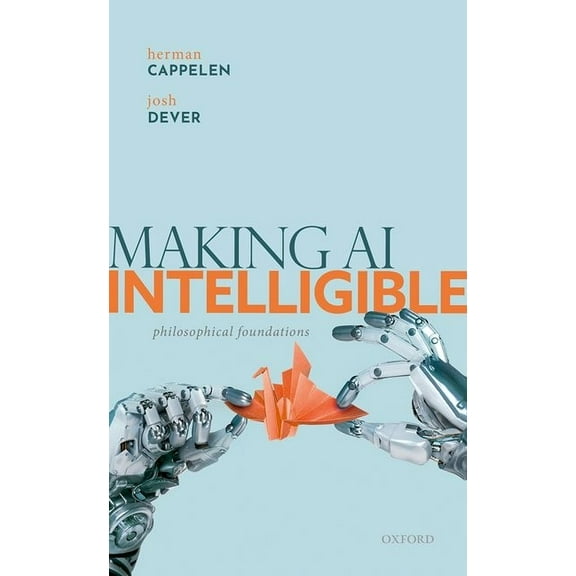 $4899current price $48.99
Making AI Intelligible: Philosophical Foundations, (Hardcover)
Modern European Philosophy Kant's Theory of Virtue: The Value of Autocracy, (Hardcover) $46.57
 $4657current price $46.57
Modern European Philosophy Kant's Theory of Virtue: The Value of Autocracy, (Hardcover)
Moral Philosophy: Including Theoretical and Practical Ethics (Hardcover) $36.73
 $3673current price $36.73
Moral Philosophy: Including Theoretical and Practical Ethics (Hardcover)
Feminism and Emotion: Readings in Moral and Political Philosophy, (Hardcover) $56.14
 $5614current price $56.14
Feminism and Emotion: Readings in Moral and Political Philosophy, (Hardcover)
Lectures on Moral Philosophy, (Hardcover) $31.93
 $3193current price $31.93
Lectures on Moral Philosophy, (Hardcover)
A Dialectic of Morals: Toward the Foundations of Political Philosophy, (Paperback) $19.91
 $1991current price $19.91
A Dialectic of Morals: Toward the Foundations of Political Philosophy, (Paperback)
Foundations of Ethics. A Critical Reader in Moral and Social Philosophy (Paperback) $52.11
 $5211current price $52.11
Foundations of Ethics. A Critical Reader in Moral and Social Philosophy (Paperback)
Social Philosophy and Policy Objectivism, Subjectivism, and Relativism in Ethics: Volume 25, Part 1, (Paperback) $45.00
 $4500current price $45.00
Social Philosophy and Policy Objectivism, Subjectivism, and Relativism in Ethics: Volume 25, Part 1, (Paperback)
Cultural and Social Foundations of Educa Five Paradigms for Education: Foundational Views and Key Issues, (Hardcover) $47.75
 $4775current price $47.75
Cultural and Social Foundations of Educa Five Paradigms for Education: Foundational Views and Key Issues, (Hardcover)
Foundations Of The Philosophy Of ValueAn Examination Of Value And Value Theories (Hardcover) $32.00
 $3200current price $32.00
Foundations Of The Philosophy Of ValueAn Examination Of Value And Value Theories (Hardcover)
Rightness as Fairness: A Moral and Political Theory, (Hardcover) $56.82
 $5682current price $56.82
Rightness as Fairness: A Moral and Political Theory, (Hardcover)
Customer ratings & reviews
0 ratings|0 reviews
This item does not have any reviews yet

Related pages
- Anthony De Jasay; Hartmut Kliemt
- Anthony K Hewson
- Hellenistic Age
- Alva Josiah Noyes
- John P Porec
- Anthroposophical Society
- Idealism Philosophy Movement Books
- Utilitarianism Philosophy Movement Books
- Rationalism Philosophy Movement Books
- Pragmatism Philosophy Movement Books
- Realism Philosophy Movement Books
- Humanism Philosophy Movement Books