


Hero image 0 of Lines of Thought : Discourse, Architectonics, and the Origin of Modern Philosophy (Paperback), 0 of 1
Lines of Thought : Discourse, Architectonics, and the Origin of Modern Philosophy (Paperback)
(No ratings yet)
Key item features
It is considerably easier to say that modern philosophy began with Descartes than it is to define the modernity and philosophy to which Descartes gave rise. In Lines of Thought, Claudia Brodsky Lacour describes the double origin of modern philosophy in Descartes’s Discours de la méthode and Géométrie, works whose interrelation, she argues, reveals the specific nature of the modern in his thought. Her study examines the roles of discourse and writing in Cartesian method and intuition, and the significance of graphic architectonic form in the genealogy of modern philosophy.
While Cartesianism has long served as a synonym for rationalism, the contents of Descartes’s method and cogito have remained infamously resistant to rational analysis. Similarly, although modern phenomenological analyses descend from Descartes’s notion of intuition, the “things” Cartesian intuitions represent bear no resemblance to phenomena. By returning to what Descartes calls the construction of his “foundation” in the Discours, Brodsky Lacour identifies the conceptual problems at the root of Descartes’s literary and aesthetic theory as well as epistemology. If, for Descartes, linear extension and “I” are the only “things” we can know exist, the Cartesian subject of thought, she shows, derives first from the intersection of discourse and drawing, representation and matter. The crux of that intersection, Brodsky Lacour concludes, is and must be the cogito, Descartes’s theoretical extension of thinking into material being. Describable in accordance with the Géométrie as a freely constructed line of thought, the cogito, she argues, extends historically to link philosophy with theories of discursive representation and graphic delineation after Descartes. In conclusion, Brodsky Lacour analyzes such a link in the writings of Claude Perrault, the architectural theorist whose reflections on beauty helped shape the seventeenth-century dispute between “the ancients and the moderns.”
Part of a growing body of literary and interdisciplinary considerations of philosophical texts, Lines of Thought will appeal to theorists and historians of literature, architecture, art, and philosophy, and those concerned with the origin and identity of the modern.
While Cartesianism has long served as a synonym for rationalism, the contents of Descartes’s method and cogito have remained infamously resistant to rational analysis. Similarly, although modern phenomenological analyses descend from Descartes’s notion of intuition, the “things” Cartesian intuitions represent bear no resemblance to phenomena. By returning to what Descartes calls the construction of his “foundation” in the Discours, Brodsky Lacour identifies the conceptual problems at the root of Descartes’s literary and aesthetic theory as well as epistemology. If, for Descartes, linear extension and “I” are the only “things” we can know exist, the Cartesian subject of thought, she shows, derives first from the intersection of discourse and drawing, representation and matter. The crux of that intersection, Brodsky Lacour concludes, is and must be the cogito, Descartes’s theoretical extension of thinking into material being. Describable in accordance with the Géométrie as a freely constructed line of thought, the cogito, she argues, extends historically to link philosophy with theories of discursive representation and graphic delineation after Descartes. In conclusion, Brodsky Lacour analyzes such a link in the writings of Claude Perrault, the architectural theorist whose reflections on beauty helped shape the seventeenth-century dispute between “the ancients and the moderns.”
Part of a growing body of literary and interdisciplinary considerations of philosophical texts, Lines of Thought will appeal to theorists and historians of literature, architecture, art, and philosophy, and those concerned with the origin and identity of the modern.
Specs
- Manual & guide typeInstruction Manual
- Book formatPaperback
- Edition1
- Pages176
- LanguageEnglish
- BrandClaudia Brodsky Lacour
Current price is USD$24.95
Price when purchased online
 Free 90-day returns
How do you want your item?
Try 30 days of Free Shipping with Walmart+! Choose plan at checkout.
Columbus, 43215
Arrives by Tue, May 5
Sold and shipped by Walmart.com

Free 90-day returns

This item is gift eligible
More seller options (3)
Starting from $27.93

Get free delivery, shipping and more*
*Restrictions apply Try Walmart+ now
About this item
Product details
It is considerably easier to say that modern philosophy began with Descartes than it is to define the modernity and philosophy to which Descartes gave rise. In Lines of Thought, Claudia Brodsky Lacour describes the double origin of modern philosophy in Descartes's Discours de la méthode and Géométrie, works whose interrelation, she argues, reveals the specific nature of the modern in his thought. Her study examines the roles of discourse and writing in Cartesian method and intuition, and the significance of graphic architectonic form in the genealogy of modern philosophy.
While Cartesianism has long served as a synonym for rationalism, the contents of Descartes's method and cogito have remained infamously resistant to rational analysis. Similarly, although modern phenomenological analyses descend from Descartes's notion of intuition, the "things" Cartesian intuitions represent bear no resemblance to phenomena. By returning to what Descartes calls the construction of his "foundation" in the Discours, Brodsky Lacour identifies the conceptual problems at the root of Descartes's literary and aesthetic theory as well as epistemology. If, for Descartes, linear extension and "I" are the only "things" we can know exist, the Cartesian subject of thought, she shows, derives first from the intersection of discourse and drawing, representation and matter. The crux of that intersection, Brodsky Lacour concludes, is and must be the cogito, Descartes's theoretical extension of thinking into material being. Describable in accordance with the Géométrie as a freely constructed line of thought, the cogito, she argues, extends historically to link philosophy with theories of discursive representation and graphic delineation after Descartes. In conclusion, Brodsky Lacour analyzes such a link in the writings of Claude Perrault, the architectural theorist whose reflections on beauty helped shape the seventeenth-century dispute between "the ancients and the moderns."
Part of a growing body of literary and interdisciplinary considerations of philosophical texts, Lines of Thought will appeal to theorists and historians of literature, architecture, art, and philosophy, and those concerned with the origin and identity of the modern.
While Cartesianism has long served as a synonym for rationalism, the contents of Descartes's method and cogito have remained infamously resistant to rational analysis. Similarly, although modern phenomenological analyses descend from Descartes's notion of intuition, the "things" Cartesian intuitions represent bear no resemblance to phenomena. By returning to what Descartes calls the construction of his "foundation" in the Discours, Brodsky Lacour identifies the conceptual problems at the root of Descartes's literary and aesthetic theory as well as epistemology. If, for Descartes, linear extension and "I" are the only "things" we can know exist, the Cartesian subject of thought, she shows, derives first from the intersection of discourse and drawing, representation and matter. The crux of that intersection, Brodsky Lacour concludes, is and must be the cogito, Descartes's theoretical extension of thinking into material being. Describable in accordance with the Géométrie as a freely constructed line of thought, the cogito, she argues, extends historically to link philosophy with theories of discursive representation and graphic delineation after Descartes. In conclusion, Brodsky Lacour analyzes such a link in the writings of Claude Perrault, the architectural theorist whose reflections on beauty helped shape the seventeenth-century dispute between "the ancients and the moderns."
Part of a growing body of literary and interdisciplinary considerations of philosophical texts, Lines of Thought will appeal to theorists and historians of literature, architecture, art, and philosophy, and those concerned with the origin and identity of the modern.
It is considerably easier to say that modern philosophy began with Descartes than it is to define the modernity and philosophy to which Descartes gave rise. In Lines of Thought, Claudia Brodsky Lacour describes the double origin of modern philosophy in Descartes’s Discours de la méthode and Géométrie, works whose interrelation, she argues, reveals the specific nature of the modern in his thought. Her study examines the roles of discourse and writing in Cartesian method and intuition, and the significance of graphic architectonic form in the genealogy of modern philosophy.
While Cartesianism has long served as a synonym for rationalism, the contents of Descartes’s method and cogito have remained infamously resistant to rational analysis. Similarly, although modern phenomenological analyses descend from Descartes’s notion of intuition, the “things” Cartesian intuitions represent bear no resemblance to phenomena. By returning to what Descartes calls the construction of his “foundation” in the Discours, Brodsky Lacour identifies the conceptual problems at the root of Descartes’s literary and aesthetic theory as well as epistemology. If, for Descartes, linear extension and “I” are the only “things” we can know exist, the Cartesian subject of thought, she shows, derives first from the intersection of discourse and drawing, representation and matter. The crux of that intersection, Brodsky Lacour concludes, is and must be the cogito, Descartes’s theoretical extension of thinking into material being. Describable in accordance with the Géométrie as a freely constructed line of thought, the cogito, she argues, extends historically to link philosophy with theories of discursive representation and graphic delineation after Descartes. In conclusion, Brodsky Lacour analyzes such a link in the writings of Claude Perrault, the architectural theorist whose reflections on beauty helped shape the seventeenth-century dispute between “the ancients and the moderns.”
Part of a growing body of literary and interdisciplinary considerations of philosophical texts, Lines of Thought will appeal to theorists and historians of literature, architecture, art, and philosophy, and those concerned with the origin and identity of the modern.
While Cartesianism has long served as a synonym for rationalism, the contents of Descartes’s method and cogito have remained infamously resistant to rational analysis. Similarly, although modern phenomenological analyses descend from Descartes’s notion of intuition, the “things” Cartesian intuitions represent bear no resemblance to phenomena. By returning to what Descartes calls the construction of his “foundation” in the Discours, Brodsky Lacour identifies the conceptual problems at the root of Descartes’s literary and aesthetic theory as well as epistemology. If, for Descartes, linear extension and “I” are the only “things” we can know exist, the Cartesian subject of thought, she shows, derives first from the intersection of discourse and drawing, representation and matter. The crux of that intersection, Brodsky Lacour concludes, is and must be the cogito, Descartes’s theoretical extension of thinking into material being. Describable in accordance with the Géométrie as a freely constructed line of thought, the cogito, she argues, extends historically to link philosophy with theories of discursive representation and graphic delineation after Descartes. In conclusion, Brodsky Lacour analyzes such a link in the writings of Claude Perrault, the architectural theorist whose reflections on beauty helped shape the seventeenth-century dispute between “the ancients and the moderns.”
Part of a growing body of literary and interdisciplinary considerations of philosophical texts, Lines of Thought will appeal to theorists and historians of literature, architecture, art, and philosophy, and those concerned with the origin and identity of the modern.
info:
We aim to show you accurate product information. Manufacturers, suppliers and others provide what you see here, and we have not verified it.
Specifications
Manual & guide type
Instruction Manual
Book format
Paperback
Edition
1
Pages
176
Warranty
Warranty information
Please be aware that the warranty terms on items offered for sale by third party Marketplace sellers may differ from those displayed in this section (if any). To confirm warranty terms on an item offered for sale by a third party Marketplace seller, please use the 'Contact seller' feature on the third party Marketplace seller's information page and request the item's warranty terms prior to purchase.
Similar items you might like
Based on what customers bought
The Masterpiece Within (Paperback) $15.96 Was $19.99
 $1596current price $15.96, Was $19.99$19.99
The Masterpiece Within (Paperback)
The Meaning Of Home Science, (Paperback) $16.86
 $1686current price $16.86
The Meaning Of Home Science, (Paperback)
Entre Nous 1943, (Paperback) $17.95
 $1795current price $17.95
Entre Nous 1943, (Paperback)
Erasmus, and Other Essays (Paperback) $24.35
 $2435current price $24.35
Erasmus, and Other Essays (Paperback)
Texas DMV Driver's Handbook, (Paperback) $11.99
 $1199current price $11.99
Texas DMV Driver's Handbook, (Paperback)
194.2 out of 5 Stars. 19 reviewsStudies in Continental Thought Infectious Nietzsche, (Paperback) $27.24
 $2724current price $27.24
Studies in Continental Thought Infectious Nietzsche, (Paperback)
The Evolving World (Paperback) $31.98
 $3198current price $31.98
The Evolving World (Paperback)
Dicken's Dictionary of Paris, 1882. an Unconventional Handbook, (Paperback) $22.95
 $2295current price $22.95
Dicken's Dictionary of Paris, 1882. an Unconventional Handbook, (Paperback)
Day Trading for Dummies, (Paperback) $20.57 Was $29.99
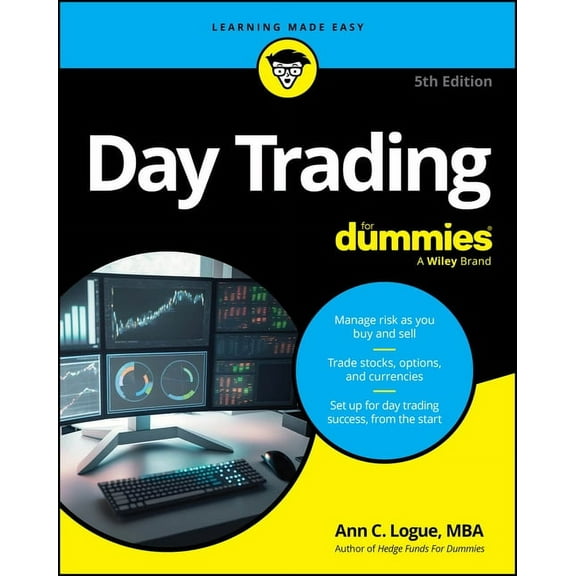 $2057current price $20.57, Was $29.99$29.99
Day Trading for Dummies, (Paperback)
15 out of 5 Stars. 1 reviewsPsychoanalysis and Existential Philosophy, (Paperback) $22.95
 $2295current price $22.95
Psychoanalysis and Existential Philosophy, (Paperback)
The day I woke up, (Paperback) $16.89
 $1689current price $16.89
The day I woke up, (Paperback)
Rationality : An Essay Towards an Analysis (Paperback) $22.27
 $2227current price $22.27
Rationality : An Essay Towards an Analysis (Paperback)
Modern Pig Keeping, (Paperback) $24.27
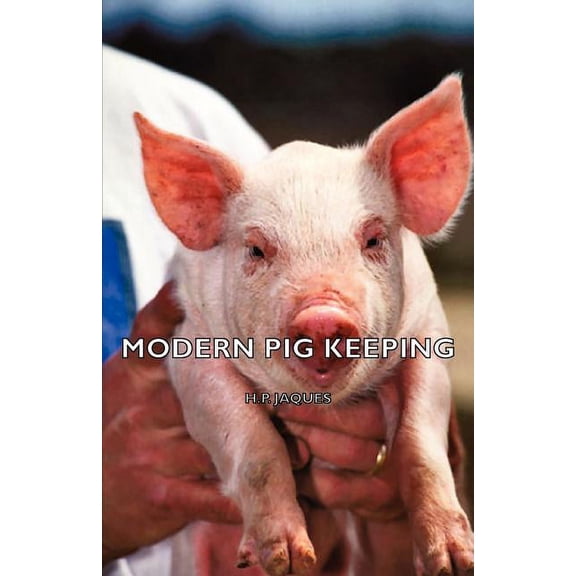 $2427current price $24.27
Modern Pig Keeping, (Paperback)
Medieval Philosophy: An Historical and Philosophical Introduction, (Paperback) $34.79
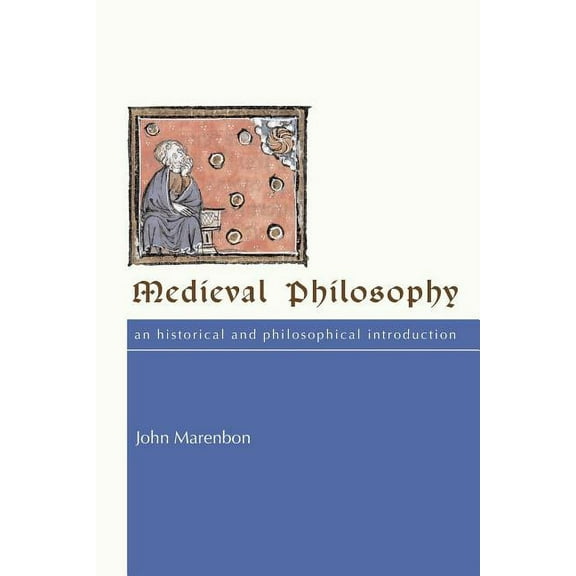 $3479current price $34.79
Medieval Philosophy: An Historical and Philosophical Introduction, (Paperback)
Essential Easwaran Library The Mantram Handbook: A Practical Guide to Choosing Your Mantram and Calming Your Mind, Book 2, (Hardcover) $24.79
 $2479current price $24.79
Essential Easwaran Library The Mantram Handbook: A Practical Guide to Choosing Your Mantram and Calming Your Mind, Book 2, (Hardcover)
Thinking Through Food: A Philosophical Introduction, (Paperback) $39.36
 $3936current price $39.36
Thinking Through Food: A Philosophical Introduction, (Paperback)
Will You Dare? 2nd Edition, (Paperback) $17.46
 $1746current price $17.46
Will You Dare? 2nd Edition, (Paperback)


Customer ratings & reviews
0 ratings|0 reviews
This item does not have any reviews yet

Related pages
- Logic Philosophy Books
- Methodology Philosophy Books
- General Philosophy Books
- Ethics & Moral Philosophy Books
- Philosophy Reference Books
- Deconstruction Philosophy Movement Books
- Intelligent Design Creationism
- Freud Philosophy
- Edgar Markov Precon For Sale
- Intrinsic Value Philosophy
- Lectures On The Philosophy Of World History
- Best Sellers In Philosophy Criticism