U S Grant Papers: The Papers of Ulysses S. Grant, Volume 28 : November 1, 1876 - September 30, 1878 (Series #28) (Hardcover)
Key item features
In his eighth and final annual message to Congress, Ulysses S. Grant reminded the nation that it was his "fortune or misfortune, to be called to the office of Chief Executive without any previous political training." The electoral crisis that dominated Grant’s last months in office left little room for political error. On November 7, 1876, Democrat Samuel J. Tilden won the popular vote, but Republican Rutherford B. Hayes could claim the presidency by a single electoral vote if he captured all disputed electors from Florida, Louisiana, South Carolina, and Oregon. Uncertainty gave way to deadlock as the crisis deepened. Grant’s mail included a steady trickle of anonymous threats. In late January 1877, Grant signed a bill creating an electoral commission to end the dispute. Hayes won all disputed electors and succeeded Grant without incident.
Out of the White House, without a settled home, the Grants spent two months visiting family and friends before embarking on their long-planned European tour. On May 17, Grant left Philadelphia aboard the steamer Indiana. When he arrived at Liverpool, crowds thronged the docks and streets to give him a hero’s welcome, and Londoners welcomed Grant with similar enthusiasm. In July, the Grants crossed to Belgium, traveled through Germany, and summered in the Swiss Alps and the lakes of northern Italy. Back in Great Britain, they toured Scotland and northern England, then visited daughter Ellen Grant Sartoris at Warsash, the Sartoris country home near Southampton.
Grant spent November in Paris, later writing "no American would stay in Paris if he found himself the only one of his countrymen there." The Grants wintered in the Mediterranean, sailing down the Italian coast to Sicily, where they spent Christmas, then to Alexandria, and a long trip up the Nile. The party toured the Holy Land, visited Constantinople and Athens, and spent a month in Italy. After another month in Paris, the Grants were off to Holland, Germany, Scandinavia, Russia, Austria, and Switzerland, exploring the Alps again before returning to Paris in September, 1878, to ponder their next move.
Abroad and out of office, Grant freely talked about the war and his presidency. Several interviews stirred controversy in America and stoked talk of a third term in 1880, despite Grant’s own protestation: "I never wanted to get out of a place as much as I did to get out of the Presidency." The Grants had seen Europe. Now they faced a choice between home and a journey to distant Asia.
Specs
- Book formatHardcover
- Fiction/nonfictionNon-Fiction
- GenreHistory
- Publication dateAugust, 2005
- Pages592
- Series titleU S Grant Papers
How do you want your item?
About this item
Product details
In his eighth and final annual message to Congress, Ulysses S. Grant reminded the nation that it was his "fortune or misfortune, to be called to the office of Chief Executive without any previous political training." The electoral crisis that dominated Grant's last months in office left little room for political error. On November 7, 1876, Democrat Samuel J. Tilden won the popular vote, but Republican Rutherford B. Hayes could claim the presidency by a single electoral vote if he captured all disputed electors from Florida, Louisiana, South Carolina, and Oregon. Uncertainty gave way to deadlock as the crisis deepened. Grant's mail included a steady trickle of anonymous threats. In late January 1877, Grant signed a bill creating an electoral commission to end the dispute. Hayes won all disputed electors and succeeded Grant without incident.
Out of the White House, without a settled home, the Grants spent two months visiting family and friends before embarking on their long-planned European tour. On May 17, Grant left Philadelphia aboard the steamer Indiana. When he arrived at Liverpool, crowds thronged the docks and streets to give him a hero's welcome, and Londoners welcomed Grant with similar enthusiasm. In July, the Grants crossed to Belgium, traveled through Germany, and summered in the Swiss Alps and the lakes of northern Italy. Back in Great Britain, they toured Scotland and northern England, then visited daughter Ellen Grant Sartoris at Warsash, the Sartoris country home near Southampton.
Grant spent November in Paris, later writing "no American would stay in Paris if he found himself the only one of his countrymen there." The Grants wintered in the Mediterranean, sailing down the Italian coast to Sicily, where they spent Christmas, then to Alexandria, and a long trip up the Nile. The party toured the Holy Land, visited Constantinople and Athens, and spent a month in Italy. After another month in Paris, the Grants were off to Holland, Germany, Scandinavia, Russia, Austria, and Switzerland, exploring the Alps again before returning to Paris in September, 1878, to ponder their next move.
Abroad and out of office, Grant freely talked about the war and his presidency. Several interviews stirred controversy in America and stoked talk of a third term in 1880, despite Grant's own protestation: "I never wanted to get out of a place as much as I did to get out of the Presidency." The Grants had seen Europe. Now they faced a choice between home and a journey to distant Asia.
In his eighth and final annual message to Congress, Ulysses S. Grant reminded the nation that it was his "fortune or misfortune, to be called to the office of Chief Executive without any previous political training." The electoral crisis that dominated Grant’s last months in office left little room for political error. On November 7, 1876, Democrat Samuel J. Tilden won the popular vote, but Republican Rutherford B. Hayes could claim the presidency by a single electoral vote if he captured all disputed electors from Florida, Louisiana, South Carolina, and Oregon. Uncertainty gave way to deadlock as the crisis deepened. Grant’s mail included a steady trickle of anonymous threats. In late January 1877, Grant signed a bill creating an electoral commission to end the dispute. Hayes won all disputed electors and succeeded Grant without incident.
Out of the White House, without a settled home, the Grants spent two months visiting family and friends before embarking on their long-planned European tour. On May 17, Grant left Philadelphia aboard the steamer Indiana. When he arrived at Liverpool, crowds thronged the docks and streets to give him a hero’s welcome, and Londoners welcomed Grant with similar enthusiasm. In July, the Grants crossed to Belgium, traveled through Germany, and summered in the Swiss Alps and the lakes of northern Italy. Back in Great Britain, they toured Scotland and northern England, then visited daughter Ellen Grant Sartoris at Warsash, the Sartoris country home near Southampton.
Grant spent November in Paris, later writing "no American would stay in Paris if he found himself the only one of his countrymen there." The Grants wintered in the Mediterranean, sailing down the Italian coast to Sicily, where they spent Christmas, then to Alexandria, and a long trip up the Nile. The party toured the Holy Land, visited Constantinople and Athens, and spent a month in Italy. After another month in Paris, the Grants were off to Holland, Germany, Scandinavia, Russia, Austria, and Switzerland, exploring the Alps again before returning to Paris in September, 1878, to ponder their next move.
Abroad and out of office, Grant freely talked about the war and his presidency. Several interviews stirred controversy in America and stoked talk of a third term in 1880, despite Grant’s own protestation: "I never wanted to get out of a place as much as I did to get out of the Presidency." The Grants had seen Europe. Now they faced a choice between home and a journey to distant Asia.
Specifications
Book format
Fiction/nonfiction
Genre
Publication date
Warranty
Warranty information
Similar items you might like
Based on what customers bought
The Papers of General Nathanael Greene: Vol. VII: 26 December 1780-29 March 1781 $95.75
 $9575current price $95.75
The Papers of General Nathanael Greene: Vol. VII: 26 December 1780-29 March 1781
Tailspin, (Hardcover) $20.69
 $2069current price $20.69
Tailspin, (Hardcover)
25 out of 5 Stars. 2 reviewsThe Civil War In My South Carolina Lowcountry, (Hardcover) $10.99
 $1099current price $10.99
The Civil War In My South Carolina Lowcountry, (Hardcover)
Voices of the Civil War From Huntsville to Appomattox: R. T. Coles's History of 4th Regiment,, (Paperback) $34.95
 $3495current price $34.95
Voices of the Civil War From Huntsville to Appomattox: R. T. Coles's History of 4th Regiment,, (Paperback)
Essential Documents of American History, Volume II: From Reconstruction to the Twenty-First Century, (Paperback) $19.03
 $1903current price $19.03
Essential Documents of American History, Volume II: From Reconstruction to the Twenty-First Century, (Paperback)
Cambridge Studies on the American South Performing Disunion, (Hardcover) $111.39
 $11139current price $111.39
Cambridge Studies on the American South Performing Disunion, (Hardcover)
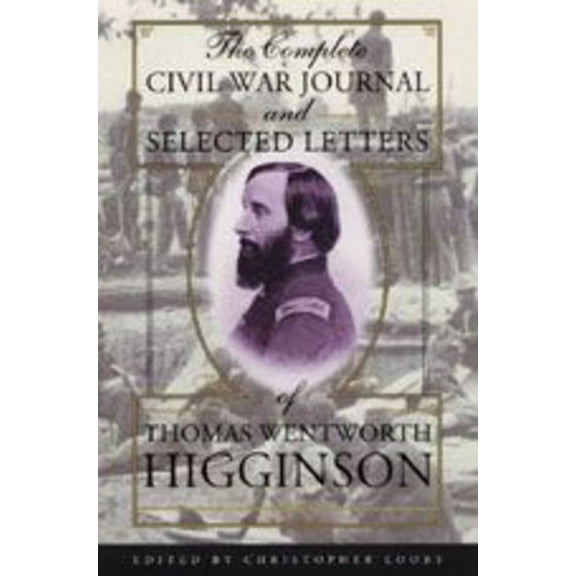
The Complete Civil War Journal and Selected Letters of Thomas Wentworth Higginson (Hardcover) $54.24
 $5424current price $54.24
The Complete Civil War Journal and Selected Letters of Thomas Wentworth Higginson (Hardcover)
History of the Grand Army of the Republic (Hardcover) $44.81
 $4481current price $44.81
History of the Grand Army of the Republic (Hardcover)
Abraham Lincoln: His Life in Print: Books and Ephemera from the David M. Rubenstein Americana Collection, (Hardcover) $47.90
 $4790current price $47.90
Abraham Lincoln: His Life in Print: Books and Ephemera from the David M. Rubenstein Americana Collection, (Hardcover)
Critical Periods of History: American War and Society: The United States, 1941-1945, (Hardcover) $65.00
 $6500current price $65.00
Critical Periods of History: American War and Society: The United States, 1941-1945, (Hardcover)
Pinchback: America's First Black Governor, (Hardcover) $71.72
 $7172current price $71.72
Pinchback: America's First Black Governor, (Hardcover)
Henry Wilson and the Coming of the Civil War, (Paperback) $110.00
 $11000current price $110.00
Henry Wilson and the Coming of the Civil War, (Paperback)
History Of Pennsylvania Volunteers, 1861-5, Volume 5, Part 1 (Hardcover) $44.29
 $4429current price $44.29
History Of Pennsylvania Volunteers, 1861-5, Volume 5, Part 1 (Hardcover)
Chasing Bandits: America's Long War on Terror, (Hardcover) $60.39 Was $84.15
 $6039current price $60.39, Was $84.15$84.15
Chasing Bandits: America's Long War on Terror, (Hardcover)
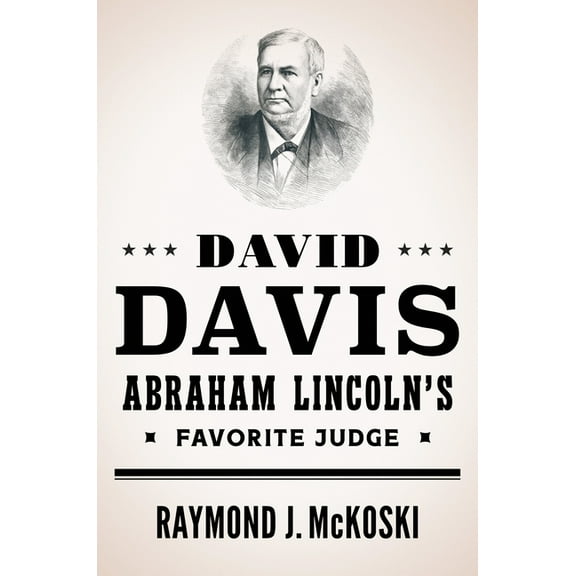
David Davis, Abraham Lincoln's Favorite Judge, (Hardcover) $48.43 Was $55.22
 $4843current price $48.43, Was $55.22$55.22
David Davis, Abraham Lincoln's Favorite Judge, (Hardcover)
Documents Decoded: The Civil War and Reconstruction Eras (Hardcover) $111.85
 $11185current price $111.85
Documents Decoded: The Civil War and Reconstruction Eras (Hardcover)
Lee's Young Artillerist : William R.J. Pegram (Paperback) $26.00
 $2600current price $26.00
Lee's Young Artillerist : William R.J. Pegram (Paperback)
The Language of the Civil War, (Hardcover) $85.71 Was $97.80
 $8571current price $85.71, Was $97.80$97.80
The Language of the Civil War, (Hardcover)
The Journey to the Promised Land: The African American Struggle for Development Since the Civil War, (Hardcover) $120.05
 $12005current price $120.05
The Journey to the Promised Land: The African American Struggle for Development Since the Civil War, (Hardcover)