


Hero image 0 of Maharasa Manjusa : Sacred Poetry of the Divine Dance (Hindu Studies, Vaishnavism) (Hardcover), 0 of 1
Maharasa Manjusa : Sacred Poetry of the Divine Dance (Hindu Studies, Vaishnavism) (Hardcover)
(No ratings yet)
Key item features
An annotated translation of Nandadasa’s poetic rendition of the five chapters of rasa-lila in the Bhagavata, highlighting the text’s musical legacy, devotional worship, and Vedantic foundations.
Maharasa Manjusa: Sacred Poetry of the Divine Dance provides translation and scholarly commentary of Nandadasa’s five chapters of rasa-lila, collectively known as the rasapancadhyayi.
In the Vaisnava tradition propounded by Vallabhacarya, Nandadasa is considered to be one of the eight devotional poets, whose compositions are exquisitely detailed with description of both Krsna’s cosmic form and his divine play. This gradually developed into a distinctive style of performing art, haveli-sangita, which is practiced even today. Maharasa Manjusa: Sacred Poetry of the Divine Dance brings out the poetics, narrative style, and idiosyncrasies of the recitation of devotional poems from the region of Vraja in the 16th Century.
An exquisite specimen of devotional poetics, Nandadasa’s Rasapancadhyayi is a Braja-Bhasa rendition of the Bhagavata’s quintet of Maharasa written in Sanskrit verse. The Bhagavata is one of the most beloved texts of Krsna-devotional traditions and the foundational scripture of Braja Vaisnavism and its five chapters describing the divine dance illustrate the ecstatic fruit of devotion.
Presenting a devotee’s execution of the Maharasa while examining its interpretative themes underpinned in the epistemology of Vallabhacarya, Maharasa Manjusa: Sacred Poetry of the Divine Dance offers an intensive view of the musical legacy, a devotee’s worshipful interactions, and Vedantic foundations of the ecstatic devotion expressed by Nandada¯sa. The introductory chapters provide first compendious study of the theo-aesthetic, epistemic, and liturgical framework of Pustimarga’s orthopraxis that have fuelled this lyrical delivery. Enriched with annotations, the translations are literal while offering nuanced insights into the colloquial intricacies of Braja-Bhasa poetics and the cultural expressions of the Braja region.
EXPERT SCHOLARLY ANALYSIS: Prakriti Goswami is a doctoral candidate at Indiana University who studies the role of poetics, music, and aesthetics within Hinduism. Foreword author David Haberman is a professor of religious studies at Indiana University who has written multiple books on northern Indian religious traditions.
EDUCATION AID: Maharasa Manjusa: Sacred Poetry of the Divine Dance is a rich source of knowledge which can supplement academic coursework or provide guidance for independent study of Hinduism.
FIRST BOOK IN SERIES: This book is the first in a series of academic texts by the Bhaktivedanta Research Center, an academic institute which offers forums, conferences, courses, and other resources on Vaishnavism.
Maharasa Manjusa: Sacred Poetry of the Divine Dance provides translation and scholarly commentary of Nandadasa’s five chapters of rasa-lila, collectively known as the rasapancadhyayi.
In the Vaisnava tradition propounded by Vallabhacarya, Nandadasa is considered to be one of the eight devotional poets, whose compositions are exquisitely detailed with description of both Krsna’s cosmic form and his divine play. This gradually developed into a distinctive style of performing art, haveli-sangita, which is practiced even today. Maharasa Manjusa: Sacred Poetry of the Divine Dance brings out the poetics, narrative style, and idiosyncrasies of the recitation of devotional poems from the region of Vraja in the 16th Century.
An exquisite specimen of devotional poetics, Nandadasa’s Rasapancadhyayi is a Braja-Bhasa rendition of the Bhagavata’s quintet of Maharasa written in Sanskrit verse. The Bhagavata is one of the most beloved texts of Krsna-devotional traditions and the foundational scripture of Braja Vaisnavism and its five chapters describing the divine dance illustrate the ecstatic fruit of devotion.
Presenting a devotee’s execution of the Maharasa while examining its interpretative themes underpinned in the epistemology of Vallabhacarya, Maharasa Manjusa: Sacred Poetry of the Divine Dance offers an intensive view of the musical legacy, a devotee’s worshipful interactions, and Vedantic foundations of the ecstatic devotion expressed by Nandada¯sa. The introductory chapters provide first compendious study of the theo-aesthetic, epistemic, and liturgical framework of Pustimarga’s orthopraxis that have fuelled this lyrical delivery. Enriched with annotations, the translations are literal while offering nuanced insights into the colloquial intricacies of Braja-Bhasa poetics and the cultural expressions of the Braja region.
EXPERT SCHOLARLY ANALYSIS: Prakriti Goswami is a doctoral candidate at Indiana University who studies the role of poetics, music, and aesthetics within Hinduism. Foreword author David Haberman is a professor of religious studies at Indiana University who has written multiple books on northern Indian religious traditions.
EDUCATION AID: Maharasa Manjusa: Sacred Poetry of the Divine Dance is a rich source of knowledge which can supplement academic coursework or provide guidance for independent study of Hinduism.
FIRST BOOK IN SERIES: This book is the first in a series of academic texts by the Bhaktivedanta Research Center, an academic institute which offers forums, conferences, courses, and other resources on Vaishnavism.
Specs
- Book formatHardcover
- Fiction/nonfictionNon-Fiction
- GenreReligion
- Publication dateAugust, 2023
- Pages184
- Reading levelGeneral
Current price is USD$44.51
Price when purchased online
- Free shipping
 Free 30-day returns
How do you want your item?
Ships to
Arrives between May 16 - May 20
|
Sold and shipped by BooksXpress
3.982169839830765 stars out of 5, based on 3309 seller reviews(4.0)3309 seller reviews

Free 30-day returns
More seller options (2)
Starting from $40.80
About this item
Product details
9781647229191. New condition. Hard cover. Language: English. Pages: 184. Sewn binding. Cloth over boards. 184 p. An annotated translation of Nandadasa's poetic rendition of the five chapters of rasa-lila in the Bhagavata, highlighting the text's musical legacy, devotional worship, and Vedantic foundations. Maharasa Manjusa: Sacred Poetry of the Divine Dance provides translation and scholarly commentary of Nandadasa's five chapters of rasa-lila, collectively known as the rasapancadhyayi. In the Vaisnava tradition propounded by Vallabhacarya, Nandadasa is considered to be one of the eight devotional poets, whose compositions are exquisitely detailed with description of both Krsna's cosmic form and his divine play. This gradually developed into a distinctive style of performing art, haveli-sangita, which is practiced even today. Maharasa Manjusa: Sacred Poetry of the Divine Dance brings out the poetics, narrative style, and idiosyncrasies of the recitation of devotional poems from the region of Vraja in the 16th Century. An exquisite specimen of devotional poetics, Nandadasa's Rasapancadhyayi is a Braja-Bhasa rendition of the Bhagavata's quintet of Maharasa written in Sanskrit verse. The Bhagavata is one of the most beloved texts of Krsna-devotional traditions and the foundational scripture of Braja Vaisnavism and its five chapters describing the divine dance illustrate the ecstatic fruit of devotion. Presenting a devotee's execution of the Maharasa while examining its interpretative themes underpinned in the epistemology of Vallabhacarya, Maharasa Manjusa: Sacred Poetry of the Divine Dance offers an intensive view of the musical legacy, a devotee's worshipful interactions, and Vedantic foundations of the ecstatic devotion expressed by Nandada�sa. The introductory chapters provide first compendious study of the theo-aesthetic, epistemic, and liturgical framework of Pustimarga's orthopraxis that have fuelled this lyrical delivery. Enriched with annotations, the translations are literal while offering nuanced insights into the colloquial intricacies of Braja-Bhasa poetics and the cultural expressions of the Braja region. EXPERT SCHOLARLY ANALYSIS: Prakriti Goswami is a doctoral candidate at Indiana University who studies the role of poetics, music, and aesthetics within Hinduism. Foreword author David Haberman is a professor of religious studies at Indiana University who has written multiple books on northern Indian religious traditions. EDUCATION AID: Maharasa Manjusa: Sacred Poetry of the Divine Dance is a rich source of knowledge which can supplement academic coursework or provide guidance for independent study of Hinduism. FIRST BOOK IN SERIES: This book is the first in a series of academic texts by the Bhaktivedanta Research Center, an academic institute which offers forums, conferences, courses, and other resources on Vaishnavism.
An annotated translation of Nandadasa’s poetic rendition of the five chapters of rasa-lila in the Bhagavata, highlighting the text’s musical legacy, devotional worship, and Vedantic foundations.
Maharasa Manjusa: Sacred Poetry of the Divine Dance provides translation and scholarly commentary of Nandadasa’s five chapters of rasa-lila, collectively known as the rasapancadhyayi.
In the Vaisnava tradition propounded by Vallabhacarya, Nandadasa is considered to be one of the eight devotional poets, whose compositions are exquisitely detailed with description of both Krsna’s cosmic form and his divine play. This gradually developed into a distinctive style of performing art, haveli-sangita, which is practiced even today. Maharasa Manjusa: Sacred Poetry of the Divine Dance brings out the poetics, narrative style, and idiosyncrasies of the recitation of devotional poems from the region of Vraja in the 16th Century.
An exquisite specimen of devotional poetics, Nandadasa’s Rasapancadhyayi is a Braja-Bhasa rendition of the Bhagavata’s quintet of Maharasa written in Sanskrit verse. The Bhagavata is one of the most beloved texts of Krsna-devotional traditions and the foundational scripture of Braja Vaisnavism and its five chapters describing the divine dance illustrate the ecstatic fruit of devotion.
Presenting a devotee’s execution of the Maharasa while examining its interpretative themes underpinned in the epistemology of Vallabhacarya, Maharasa Manjusa: Sacred Poetry of the Divine Dance offers an intensive view of the musical legacy, a devotee’s worshipful interactions, and Vedantic foundations of the ecstatic devotion expressed by Nandada¯sa. The introductory chapters provide first compendious study of the theo-aesthetic, epistemic, and liturgical framework of Pustimarga’s orthopraxis that have fuelled this lyrical delivery. Enriched with annotations, the translations are literal while offering nuanced insights into the colloquial intricacies of Braja-Bhasa poetics and the cultural expressions of the Braja region.
EXPERT SCHOLARLY ANALYSIS: Prakriti Goswami is a doctoral candidate at Indiana University who studies the role of poetics, music, and aesthetics within Hinduism. Foreword author David Haberman is a professor of religious studies at Indiana University who has written multiple books on northern Indian religious traditions.
EDUCATION AID: Maharasa Manjusa: Sacred Poetry of the Divine Dance is a rich source of knowledge which can supplement academic coursework or provide guidance for independent study of Hinduism.
FIRST BOOK IN SERIES: This book is the first in a series of academic texts by the Bhaktivedanta Research Center, an academic institute which offers forums, conferences, courses, and other resources on Vaishnavism.
Maharasa Manjusa: Sacred Poetry of the Divine Dance provides translation and scholarly commentary of Nandadasa’s five chapters of rasa-lila, collectively known as the rasapancadhyayi.
In the Vaisnava tradition propounded by Vallabhacarya, Nandadasa is considered to be one of the eight devotional poets, whose compositions are exquisitely detailed with description of both Krsna’s cosmic form and his divine play. This gradually developed into a distinctive style of performing art, haveli-sangita, which is practiced even today. Maharasa Manjusa: Sacred Poetry of the Divine Dance brings out the poetics, narrative style, and idiosyncrasies of the recitation of devotional poems from the region of Vraja in the 16th Century.
An exquisite specimen of devotional poetics, Nandadasa’s Rasapancadhyayi is a Braja-Bhasa rendition of the Bhagavata’s quintet of Maharasa written in Sanskrit verse. The Bhagavata is one of the most beloved texts of Krsna-devotional traditions and the foundational scripture of Braja Vaisnavism and its five chapters describing the divine dance illustrate the ecstatic fruit of devotion.
Presenting a devotee’s execution of the Maharasa while examining its interpretative themes underpinned in the epistemology of Vallabhacarya, Maharasa Manjusa: Sacred Poetry of the Divine Dance offers an intensive view of the musical legacy, a devotee’s worshipful interactions, and Vedantic foundations of the ecstatic devotion expressed by Nandada¯sa. The introductory chapters provide first compendious study of the theo-aesthetic, epistemic, and liturgical framework of Pustimarga’s orthopraxis that have fuelled this lyrical delivery. Enriched with annotations, the translations are literal while offering nuanced insights into the colloquial intricacies of Braja-Bhasa poetics and the cultural expressions of the Braja region.
EXPERT SCHOLARLY ANALYSIS: Prakriti Goswami is a doctoral candidate at Indiana University who studies the role of poetics, music, and aesthetics within Hinduism. Foreword author David Haberman is a professor of religious studies at Indiana University who has written multiple books on northern Indian religious traditions.
EDUCATION AID: Maharasa Manjusa: Sacred Poetry of the Divine Dance is a rich source of knowledge which can supplement academic coursework or provide guidance for independent study of Hinduism.
FIRST BOOK IN SERIES: This book is the first in a series of academic texts by the Bhaktivedanta Research Center, an academic institute which offers forums, conferences, courses, and other resources on Vaishnavism.
info:
We aim to show you accurate product information. Manufacturers, suppliers and others provide what you see here, and we have not verified it.
Specifications
Book format
Hardcover
Fiction/nonfiction
Non-Fiction
Genre
Religion
Publication date
August, 2023
Warranty
Warranty information
Please be aware that the warranty terms on items offered for sale by third party Marketplace sellers may differ from those displayed in this section (if any). To confirm warranty terms on an item offered for sale by a third party Marketplace seller, please use the 'Contact seller' feature on the third party Marketplace seller's information page and request the item's warranty terms prior to purchase.
Similar items you might like
Based on what customers bought
Taittiriya Upanishad : With the Commentaries of Sankaracharya,suresvaracharya and Sayana ( Vidyaranya ) $13.24
 $1324current price $13.24
Taittiriya Upanishad : With the Commentaries of Sankaracharya,suresvaracharya and Sayana ( Vidyaranya )
The Truth About Tantra: Structure. Sadhana. Shakti., (Hardcover) $16.00
 $1600current price $16.00
The Truth About Tantra: Structure. Sadhana. Shakti., (Hardcover)
Pre-Owned Bhagavad Gita As It Is (Marathi) (Hardcover) 938217639X 9789382176398 $15.79
 $1579current price $15.79
Pre-Owned Bhagavad Gita As It Is (Marathi) (Hardcover) 938217639X 9789382176398
null4.8 out of 5 Stars. null reviewsPre-Owned Srimad Bhagavatam, 3rd Cando, Part 1, Chapters 1-8 (Hardcover) 0912776374 9780912776378 $11.31
 $1131current price $11.31
Pre-Owned Srimad Bhagavatam, 3rd Cando, Part 1, Chapters 1-8 (Hardcover) 0912776374 9780912776378
Hanuman Chalisa: in English, (Hardcover) $18.00
 $1800current price $18.00
Hanuman Chalisa: in English, (Hardcover)
Pre-Owned Srimad Bhagavatam: Seventh Canto, 1 (Hardcover) 0912776862 9780912776866 $12.31
 $1231current price $12.31
Pre-Owned Srimad Bhagavatam: Seventh Canto, 1 (Hardcover) 0912776862 9780912776866
Pre-Owned The Bhagavad Gita (Paperback) 1586380192 9781586380199 $5.86
 2 optionsAvailable in additional 2 options$586current price $5.86
Pre-Owned The Bhagavad Gita (Paperback) 1586380192 9781586380199
The Ashtavakra Gita (Paperback) $7.22
 $722current price $7.22
The Ashtavakra Gita (Paperback)
Upanishad: The Basis for Hindu Philosophy, (Hardcover) $13.91
 $1391current price $13.91
Upanishad: The Basis for Hindu Philosophy, (Hardcover)
AutobiografÃa de un Yogui, (Hardcover) $18.99
 $1899current price $18.99
AutobiografÃa de un Yogui, (Hardcover)
Srimadramayanamu (Paperback) $24.53
 $2453current price $24.53
Srimadramayanamu (Paperback)
Krishna: The Divine Strategist, (Paperback) $6.99
 $699current price $6.99
Krishna: The Divine Strategist, (Paperback)
Origins of Gayatri Mantra for Kids, (Hardcover) $16.99
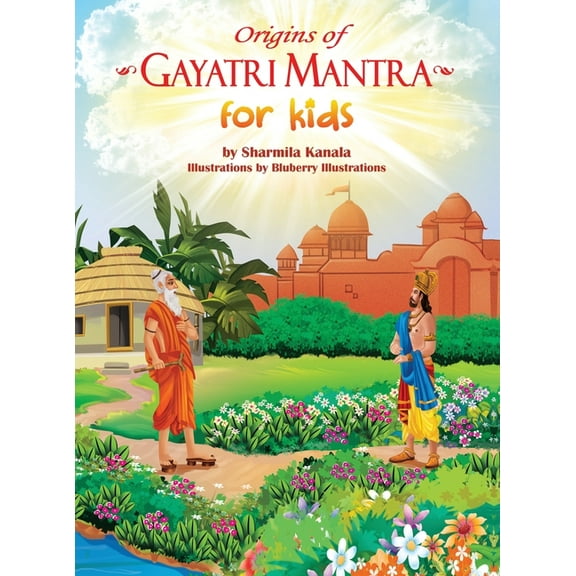 $1699current price $16.99
Origins of Gayatri Mantra for Kids, (Hardcover)
Pre-Owned Bhagavad Gita (Paperback) 0061997307 9780061997303 $6.40 Was $7.58
 $640current price $6.40, Was $7.58$7.58
Pre-Owned Bhagavad Gita (Paperback) 0061997307 9780061997303
The Oxford Centre for Hindu Studies Mand Exploring the Yoga Sutras, (Hardcover) $14.41
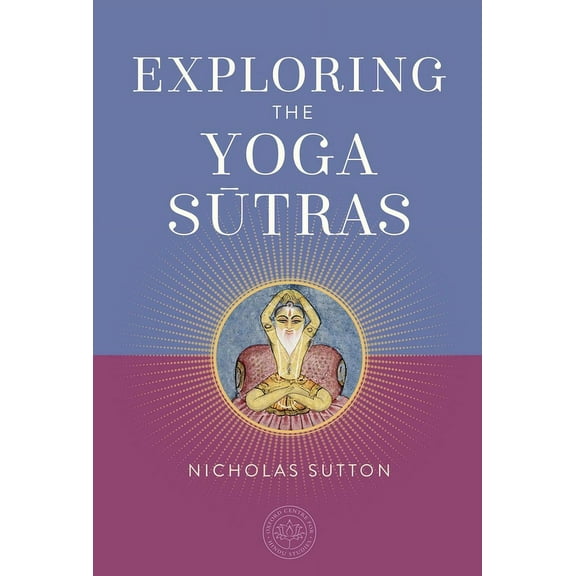 $1441current price $14.41
The Oxford Centre for Hindu Studies Mand Exploring the Yoga Sutras, (Hardcover)
Durga: Flame of the Eternal Shakti, (Paperback) $9.99
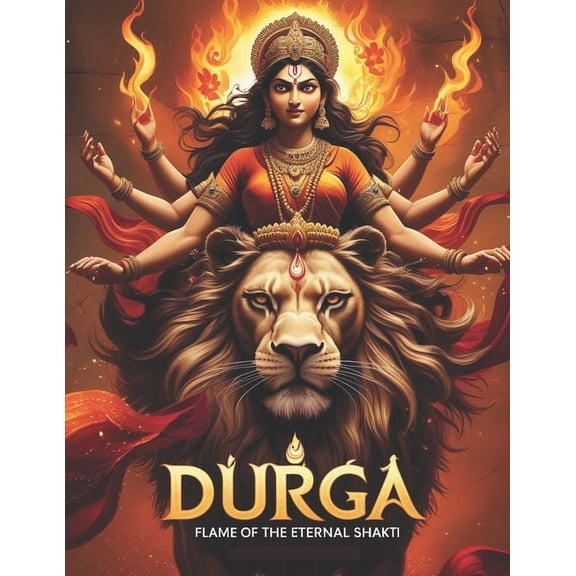 $999current price $9.99
Durga: Flame of the Eternal Shakti, (Paperback)
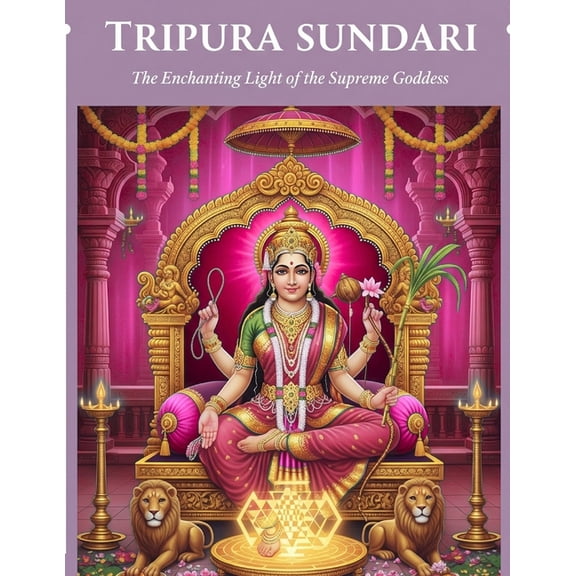
Tripura Sundari: The Enchanting Light of the Supreme Goddess, (Paperback) $15.15
 $1515current price $15.15
Tripura Sundari: The Enchanting Light of the Supreme Goddess, (Paperback)
Indra Sahasra Naama Stotram (Paperback) $24.53
 $2453current price $24.53
Indra Sahasra Naama Stotram (Paperback)
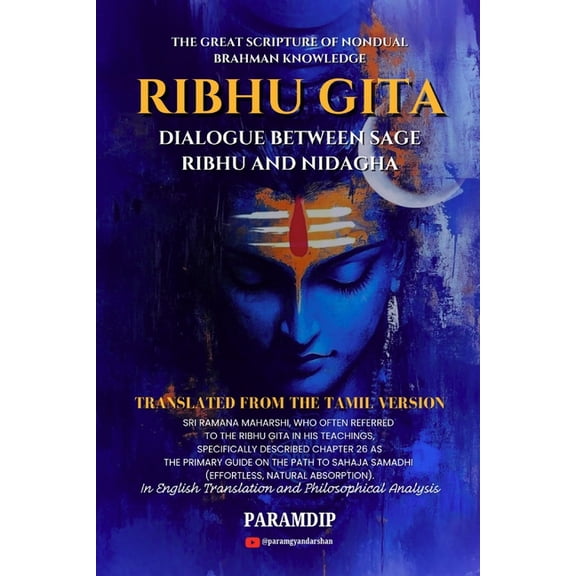
Ribhu Gita - English Edition: The Path of Self-Realization and Non-Dual Consciousness, (Paperback) $12.73
 $1273current price $12.73
Ribhu Gita - English Edition: The Path of Self-Realization and Non-Dual Consciousness, (Paperback)
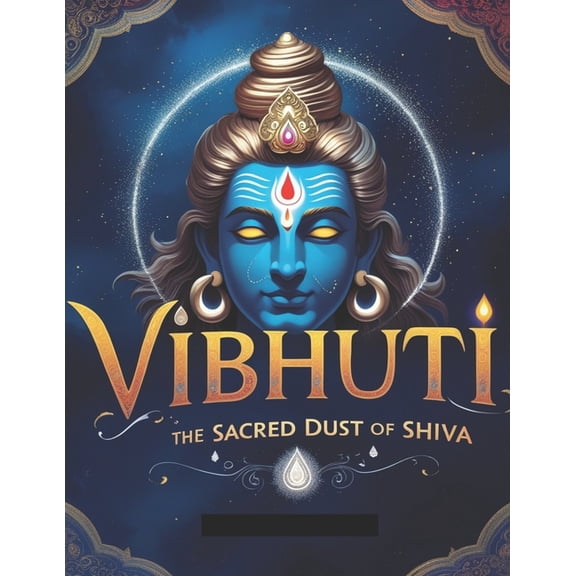
Vibhuti: The Sacred Dust of Shiva, (Paperback) $12.41
 $1241current price $12.41
Vibhuti: The Sacred Dust of Shiva, (Paperback)
Customer ratings & reviews
0 ratings|0 reviews
This item does not have any reviews yet
