


Hero image 0 of McGill-Queen's Rural, Wildland, and Resource Studies Series: Flax Americana : A History of the Fibre and Oil that Covered a Continent (Series #10) (Paperback), 0 of 1
McGill-Queen's Rural, Wildland, and Resource Studies Series: Flax Americana : A History of the Fibre and Oil that Covered a Continent (Series #10) (Paperback)
(No ratings yet)
Key item features
Farmers feed cities, but starting in the nineteenth century they painted them too. Flax from Canada and the northern United States produced fibre for textiles and linseed oil for paint – critical commodities in a century when wars were fought over fibre and when increased urbanization demanded expanded paint markets. Flax Americana re-examines the changing relationships between farmers, urban consumers, and the land through a narrative of Canada's first and most important industrial crop. Initially a specialty crop grown by Mennonites and other communities on contracts for small-town mill complexes, flax became big business in the late nineteenth century as multinational linseed oil companies quickly displaced rural mills. Flax cultivation spread across the northern plains and prairies, particularly along the edges of dryland settlement, and then into similar ecosystems in South America's Pampas. Joshua MacFadyen's detailed examination of archival records reveals the complexity of a global commodity and its impact on the eastern Great Lakes and northern Great Plains. He demonstrates how international networks of scientists, businesses, and regulators attempted to predict and control the crop's frontier geography, how evolving consumer concerns about product quality and safety shaped the market and its regulations, and how the nature of each region encouraged some forms of business and limited others. The northern flax industry emerged because of border-crossing communities. By following the plant across countries and over time Flax Americana sheds new light on the ways that commodities, frontiers, and industrial capitalism shaped the modern world.
Specs
- Book formatPaperback
- Fiction/nonfictionNon-Fiction
- GenreHistory, Business & Investing
- Publication dateOctober, 2018
- Pages368
- Reading levelGrade 1, Grade 10, Grade 11, Grade 12, Grade 2, Grade 3, Grade 4, Grade 5, Grade 6, Grade 7, Grade 8, Grade 9, Kindergarten, Preschool
Current price is USD$39.84
Price when purchased online
Out of stock
How do you want your item?
Out of stock
About this item
Product details
How urban painters and prairie farmers brought a flax and oilseed empire to North America.
Farmers feed cities, but starting in the nineteenth century they painted them too. Flax from Canada and the northern United States produced fibre for textiles and linseed oil for paint – critical commodities in a century when wars were fought over fibre and when increased urbanization demanded expanded paint markets. Flax Americana re-examines the changing relationships between farmers, urban consumers, and the land through a narrative of Canada's first and most important industrial crop. Initially a specialty crop grown by Mennonites and other communities on contracts for small-town mill complexes, flax became big business in the late nineteenth century as multinational linseed oil companies quickly displaced rural mills. Flax cultivation spread across the northern plains and prairies, particularly along the edges of dryland settlement, and then into similar ecosystems in South America's Pampas. Joshua MacFadyen's detailed examination of archival records reveals the complexity of a global commodity and its impact on the eastern Great Lakes and northern Great Plains. He demonstrates how international networks of scientists, businesses, and regulators attempted to predict and control the crop's frontier geography, how evolving consumer concerns about product quality and safety shaped the market and its regulations, and how the nature of each region encouraged some forms of business and limited others. The northern flax industry emerged because of border-crossing communities. By following the plant across countries and over time Flax Americana sheds new light on the ways that commodities, frontiers, and industrial capitalism shaped the modern world.
info:
We aim to show you accurate product information. Manufacturers, suppliers and others provide what you see here, and we have not verified it.
Specifications
Book format
Paperback
Fiction/nonfiction
Non-Fiction
Genre
History, Business & Investing
Publication date
October, 2018
Warranty
Warranty information
Please be aware that the warranty terms on items offered for sale by third party Marketplace sellers may differ from those displayed in this section (if any). To confirm warranty terms on an item offered for sale by a third party Marketplace seller, please use the 'Contact seller' feature on the third party Marketplace seller's information page and request the item's warranty terms prior to purchase.
Similar items you might like
Based on what customers bought
The Rambler in North America (Paperback) $32.95
 $3295current price $32.95
The Rambler in North America (Paperback)
School for Advanced Research Advanced Se Linking the Histories of Slavery: North America and Its Borderlands, (Paperback) $40.33
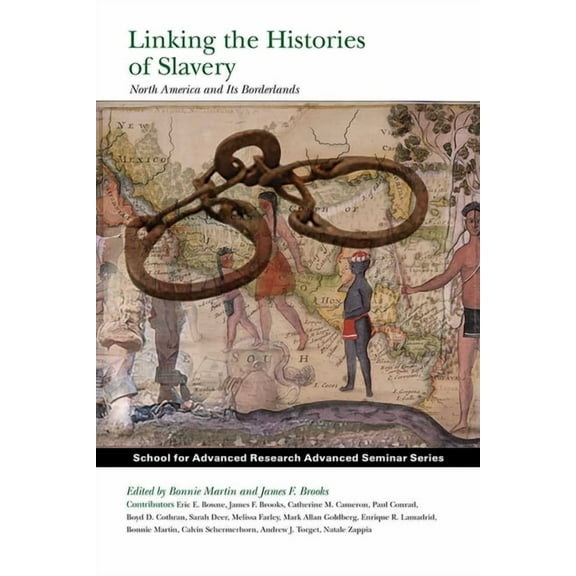 $4033current price $40.33
School for Advanced Research Advanced Se Linking the Histories of Slavery: North America and Its Borderlands, (Paperback)
Meat Then and Now: A historical overview of the importance of meat, livestock and railroads in the westward expansion of, (Paperback) $19.90
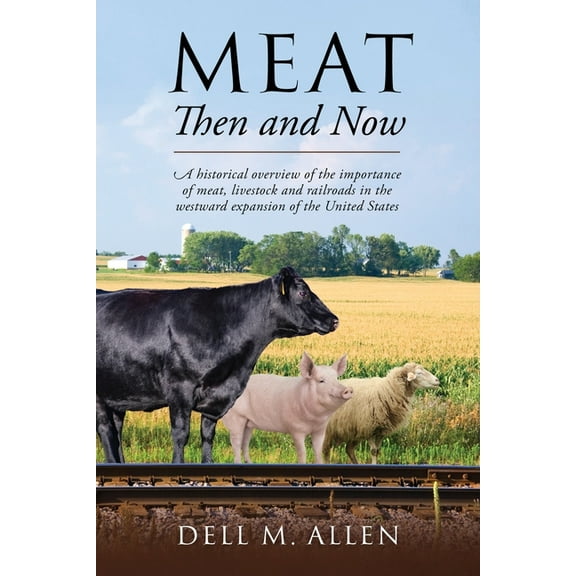 $1990current price $19.90
Meat Then and Now: A historical overview of the importance of meat, livestock and railroads in the westward expansion of, (Paperback)
History of the Pacific States of North America. (Paperback) $36.73
 $3673current price $36.73
History of the Pacific States of North America. (Paperback)
Portage and Main: How an Iconic Intersection Shaped Winnipeg's History, Politics, and Urban Life, (Paperback) $23.91
 $2391current price $23.91
Portage and Main: How an Iconic Intersection Shaped Winnipeg's History, Politics, and Urban Life, (Paperback)
School for Advanced Research Advanced Se Ideology and Pre-Columbian: Civilizations, (Paperback) $33.92
 $3392current price $33.92
School for Advanced Research Advanced Se Ideology and Pre-Columbian: Civilizations, (Paperback)
The Indigenous Paleolithic of the Western Hemisphere, (Hardcover) $42.49
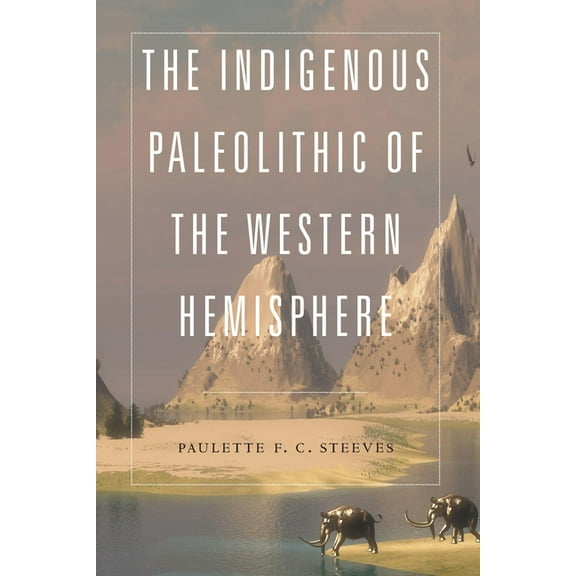 $4249current price $42.49
The Indigenous Paleolithic of the Western Hemisphere, (Hardcover)
15 out of 5 Stars. 1 reviewsHistory of the United States, prepared especially for schools. Illustrated with charts, maps, etc. (Paperback) $28.21
 $2821current price $28.21
History of the United States, prepared especially for schools. Illustrated with charts, maps, etc. (Paperback)
Sumner County, Tennessee Probate Data 1787-1808, (Paperback) $22.14
 $2214current price $22.14
Sumner County, Tennessee Probate Data 1787-1808, (Paperback)
Pre-Owned White Pine: American History and the Tree that Made a Nation (Paperback) 1493009079 9781493009077 $15.61
 $1561current price $15.61
Pre-Owned White Pine: American History and the Tree that Made a Nation (Paperback) 1493009079 9781493009077
Icelandic Heritage in North America, (Paperback) $12.76
 $1276current price $12.76
Icelandic Heritage in North America, (Paperback)
Paddle and portage, from Moosehead lake to the Aroostook river, (Paperback) $24.50
 $2450current price $24.50
Paddle and portage, from Moosehead lake to the Aroostook river, (Paperback)
Upon the Resources of the Great Appalachian Basin. a Paper, Etc. (Paperback) $16.67
 $1667current price $16.67
Upon the Resources of the Great Appalachian Basin. a Paper, Etc. (Paperback)
Folk-Lore of the Sea Islands - South Carolina, (Paperback) $32.82
 $3282current price $32.82
Folk-Lore of the Sea Islands - South Carolina, (Paperback)
Lands of our Ancestors Combined Teacher's Guide, (Paperback) $15.78
 $1578current price $15.78
Lands of our Ancestors Combined Teacher's Guide, (Paperback)
Catalogue of the Principal Officers of Vermont, as Connected with Its Political History, from 1778 to 1851, with Some Biographical Notices, Andc. (Paperback) $22.59
 $2259current price $22.59
Catalogue of the Principal Officers of Vermont, as Connected with Its Political History, from 1778 to 1851, with Some Biographical Notices, Andc. (Paperback)
Only Yesterday: An Informal History of the 1920s, (Paperback) $11.95
 $1195current price $11.95
Only Yesterday: An Informal History of the 1920s, (Paperback)
Tauris Historical Geographical The First Mapping of America: The General Survey of British North America, (Paperback) $46.95
 $4695current price $46.95
Tauris Historical Geographical The First Mapping of America: The General Survey of British North America, (Paperback)
Dominion: The Railway and the Rise of Canada, (Paperback) $17.41
 $1741current price $17.41
Dominion: The Railway and the Rise of Canada, (Paperback)
Pre-Owned The Travels of Jedediah Smith: A Documentary Outline Including the Journal of the Great American Pathfinder (Paperback) 0803292066 9780803292062 $30.48
 $3048current price $30.48
Pre-Owned The Travels of Jedediah Smith: A Documentary Outline Including the Journal of the Great American Pathfinder (Paperback) 0803292066 9780803292062
Customer ratings & reviews
0 ratings|0 reviews
This item does not have any reviews yet

Related pages
- Sager Group Llc
- Bazaar Trader
- Asian Connection
- Wiley & Sons Inc; Paul Larson; Paul Larson
- Market Global
- Algo Trade
- General Middle Eastern History Books
- Middle Eastern Poetry Books
- Iraq Middle Eastern History Books
- Iran History Books
- Middle Eastern Political Books
- Caribbean & Latin American Literary Criticism Books