


Hero image 0 of Music of the African Diaspora: What Is This Thing Called Jazz? : African American Musicians as Artists, Critics, and Activists (Series #6) (Edition 1) (Paperback), 0 of 1
Music of the African Diaspora: What Is This Thing Called Jazz? : African American Musicians as Artists, Critics, and Activists (Series #6) (Edition 1) (Paperback)
(No ratings yet)
Key item features
Despite the plethora of writing about jazz, little attention has been paid to what musicians themselves wrote and said about their practice. An implicit division of labor has emerged where, for the most part, black artists invent and play music while white writers provide the commentary. Eric Porter overturns this tendency in his creative intellectual history of African American musicians. He foregrounds the often-ignored ideas of these artists, analyzing them in the context of meanings circulating around jazz, as well as in relationship to broader currents in African American thought.
Porter examines several crucial moments in the history of jazz: the formative years of the 1920s and 1930s; the emergence of bebop; the political and experimental projects of the 1950s, 1960s and 1970s; and the debates surrounding Jazz at Lincoln Center under the direction of Wynton Marsalis. Louis Armstrong, Anthony Braxton, Marion Brown, Duke Ellington, W.C. Handy, Yusef Lateef, Abbey Lincoln, Charles Mingus, Archie Shepp, Wadada Leo Smith, Mary Lou Williams, and Reggie Workman also feature prominently in this book. The wealth of information Porter uncovers shows how these musicians have expressed themselves in print; actively shaped the institutional structures through which the music is created, distributed, and consumed, and how they aligned themselves with other artists and activists, and how they were influenced by forces of class and gender.
What Is This Thing Called Jazz? challenges interpretive orthodoxies by showing how much black jazz musicians have struggled against both the racism of the dominant culture and the prescriptive definitions of racial authenticity propagated by the music's supporters, both white and black.
Porter examines several crucial moments in the history of jazz: the formative years of the 1920s and 1930s; the emergence of bebop; the political and experimental projects of the 1950s, 1960s and 1970s; and the debates surrounding Jazz at Lincoln Center under the direction of Wynton Marsalis. Louis Armstrong, Anthony Braxton, Marion Brown, Duke Ellington, W.C. Handy, Yusef Lateef, Abbey Lincoln, Charles Mingus, Archie Shepp, Wadada Leo Smith, Mary Lou Williams, and Reggie Workman also feature prominently in this book. The wealth of information Porter uncovers shows how these musicians have expressed themselves in print; actively shaped the institutional structures through which the music is created, distributed, and consumed, and how they aligned themselves with other artists and activists, and how they were influenced by forces of class and gender.
What Is This Thing Called Jazz? challenges interpretive orthodoxies by showing how much black jazz musicians have struggled against both the racism of the dominant culture and the prescriptive definitions of racial authenticity propagated by the music's supporters, both white and black.
Specs
- Book formatPaperback
- Fiction/nonfictionNon-Fiction
- Publication dateJanuary, 2002
- Pages425
- Reading levelGeneral Adult
- SubgenreGenres & Styles
Current price is USD$26.58
Price when purchased online
 Free 90-day returns
How do you want your item?
Try 30 days for just $1! Choose a plan at checkout.
Ships to
Arrives by Sat, May 16
Sold and shipped by Walmart.com

Free 90-day returns

This item is gift eligible

Try 30 days of Walmart+ for just $1!
T&C apply. Claim offer now
About this item
Product details
Despite the plethora of writing about jazz, little attention has been paid to what musicians themselves wrote and said about their practice. An implicit division of labor has emerged where, for the most part, black artists invent and play music while white writers provide the commentary. Eric Porter overturns this tendency in his creative intellectual history of African American musicians. He foregrounds the often-ignored ideas of these artists, analyzing them in the context of meanings circulating around jazz, as well as in relationship to broader currents in African American thought.
Porter examines several crucial moments in the history of jazz: the formative years of the 1920s and 1930s; the emergence of bebop; the political and experimental projects of the 1950s, 1960s and 1970s; and the debates surrounding Jazz at Lincoln Center under the direction of Wynton Marsalis. Louis Armstrong, Anthony Braxton, Marion Brown, Duke Ellington, W.C. Handy, Yusef Lateef, Abbey Lincoln, Charles Mingus, Archie Shepp, Wadada Leo Smith, Mary Lou Williams, and Reggie Workman also feature prominently in this book. The wealth of information Porter uncovers shows how these musicians have expressed themselves in print; actively shaped the institutional structures through which the music is created, distributed, and consumed, and how they aligned themselves with other artists and activists, and how they were influenced by forces of class and gender.
What Is This Thing Called Jazz? challenges interpretive orthodoxies by showing how much black jazz musicians have struggled against both the racism of the dominant culture and the prescriptive definitions of racial authenticity propagated by the music's supporters, both white and black.
Porter examines several crucial moments in the history of jazz: the formative years of the 1920s and 1930s; the emergence of bebop; the political and experimental projects of the 1950s, 1960s and 1970s; and the debates surrounding Jazz at Lincoln Center under the direction of Wynton Marsalis. Louis Armstrong, Anthony Braxton, Marion Brown, Duke Ellington, W.C. Handy, Yusef Lateef, Abbey Lincoln, Charles Mingus, Archie Shepp, Wadada Leo Smith, Mary Lou Williams, and Reggie Workman also feature prominently in this book. The wealth of information Porter uncovers shows how these musicians have expressed themselves in print; actively shaped the institutional structures through which the music is created, distributed, and consumed, and how they aligned themselves with other artists and activists, and how they were influenced by forces of class and gender.
What Is This Thing Called Jazz? challenges interpretive orthodoxies by showing how much black jazz musicians have struggled against both the racism of the dominant culture and the prescriptive definitions of racial authenticity propagated by the music's supporters, both white and black.
Despite the plethora of writing about jazz, little attention has been paid to what musicians themselves wrote and said about their practice. An implicit division of labor has emerged where, for the most part, black artists invent and play music while white writers provide the commentary. Eric Porter overturns this tendency in his creative intellectual history of African American musicians. He foregrounds the often-ignored ideas of these artists, analyzing them in the context of meanings circulating around jazz, as well as in relationship to broader currents in African American thought.
Porter examines several crucial moments in the history of jazz: the formative years of the 1920s and 1930s; the emergence of bebop; the political and experimental projects of the 1950s, 1960s and 1970s; and the debates surrounding Jazz at Lincoln Center under the direction of Wynton Marsalis. Louis Armstrong, Anthony Braxton, Marion Brown, Duke Ellington, W.C. Handy, Yusef Lateef, Abbey Lincoln, Charles Mingus, Archie Shepp, Wadada Leo Smith, Mary Lou Williams, and Reggie Workman also feature prominently in this book. The wealth of information Porter uncovers shows how these musicians have expressed themselves in print; actively shaped the institutional structures through which the music is created, distributed, and consumed, and how they aligned themselves with other artists and activists, and how they were influenced by forces of class and gender.
What Is This Thing Called Jazz? challenges interpretive orthodoxies by showing how much black jazz musicians have struggled against both the racism of the dominant culture and the prescriptive definitions of racial authenticity propagated by the music's supporters, both white and black.
Porter examines several crucial moments in the history of jazz: the formative years of the 1920s and 1930s; the emergence of bebop; the political and experimental projects of the 1950s, 1960s and 1970s; and the debates surrounding Jazz at Lincoln Center under the direction of Wynton Marsalis. Louis Armstrong, Anthony Braxton, Marion Brown, Duke Ellington, W.C. Handy, Yusef Lateef, Abbey Lincoln, Charles Mingus, Archie Shepp, Wadada Leo Smith, Mary Lou Williams, and Reggie Workman also feature prominently in this book. The wealth of information Porter uncovers shows how these musicians have expressed themselves in print; actively shaped the institutional structures through which the music is created, distributed, and consumed, and how they aligned themselves with other artists and activists, and how they were influenced by forces of class and gender.
What Is This Thing Called Jazz? challenges interpretive orthodoxies by showing how much black jazz musicians have struggled against both the racism of the dominant culture and the prescriptive definitions of racial authenticity propagated by the music's supporters, both white and black.
info:
We aim to show you accurate product information. Manufacturers, suppliers and others provide what you see here, and we have not verified it.
Specifications
Book format
Paperback
Fiction/nonfiction
Non-Fiction
Genre
Art, Music, and Photography
Publication date
January, 2002
Similar items you might like
Based on what customers bought
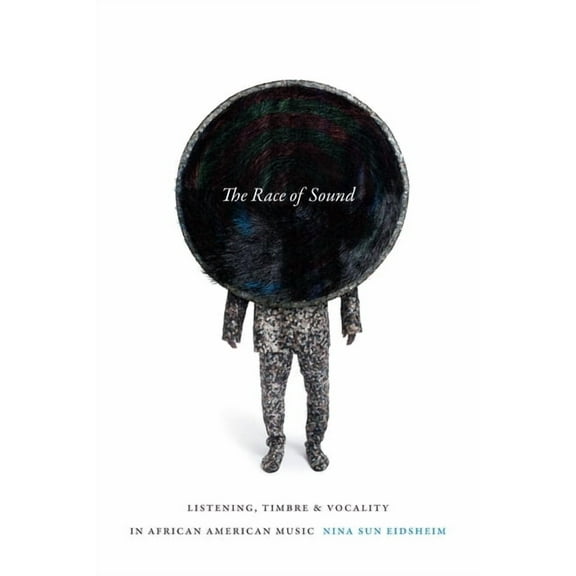
Refiguring American Music The Race of Sound: Listening, Timbre, and Vocality in African American Music, (Paperback) $27.95
 $2795current price $27.95
Refiguring American Music The Race of Sound: Listening, Timbre, and Vocality in African American Music, (Paperback)
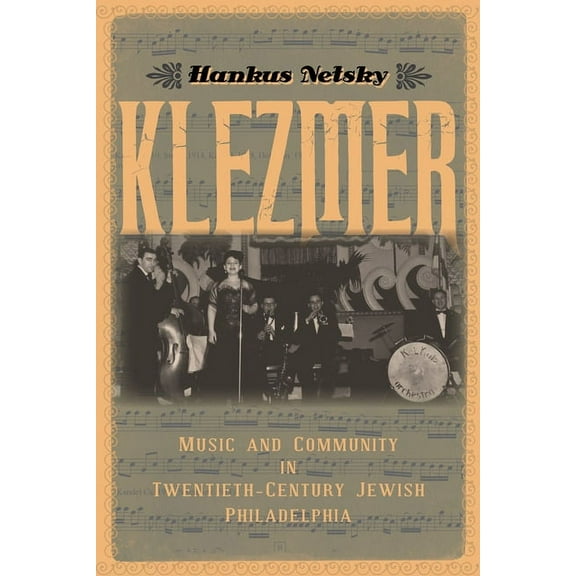
Klezmer : Music and Community in Twentieth-Century Jewish Philadelphia (Paperback) $27.95
 $2795current price $27.95
Klezmer : Music and Community in Twentieth-Century Jewish Philadelphia (Paperback)
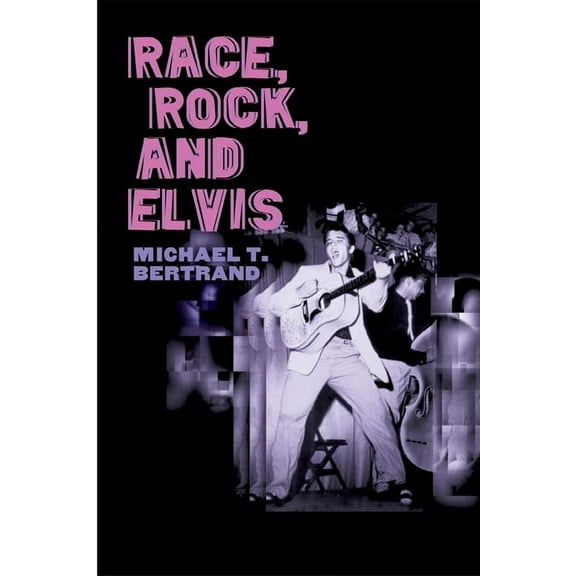
Music in American Life Race, Rock, and Elvis, (Paperback) $27.47
 $2747current price $27.47
Music in American Life Race, Rock, and Elvis, (Paperback)
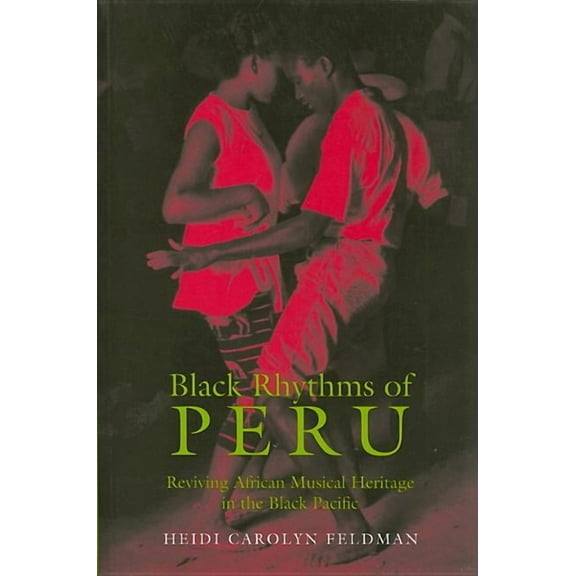
Music / Culture: Black Rhythms of Peru: Reviving African Musical Heritage in the Black Pacific (Paperback) $22.50
 $2250current price $22.50
Music / Culture: Black Rhythms of Peru: Reviving African Musical Heritage in the Black Pacific (Paperback)
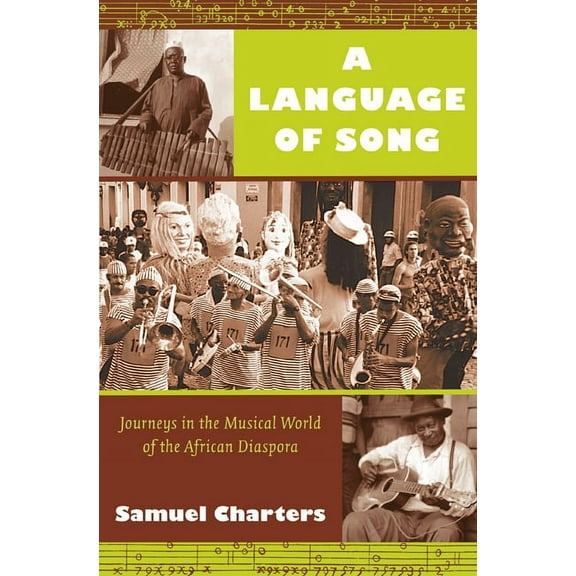
A Language of Song: Journeys in the Musical World of the African Diaspora, (Paperback) $42.02
 $4202current price $42.02
A Language of Song: Journeys in the Musical World of the African Diaspora, (Paperback)
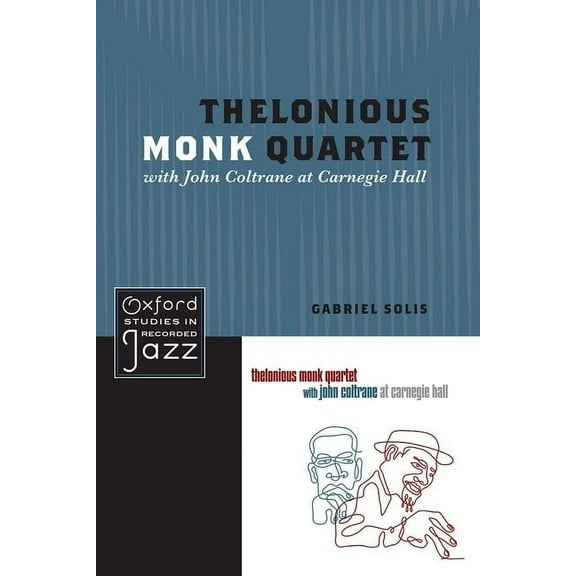
Oxford Studies in Recorded Jazz Thelonious Monk Quartet Featuring John Coltrane at Carnegie Hall, (Paperback) $25.50
 $2550current price $25.50
Oxford Studies in Recorded Jazz Thelonious Monk Quartet Featuring John Coltrane at Carnegie Hall, (Paperback)
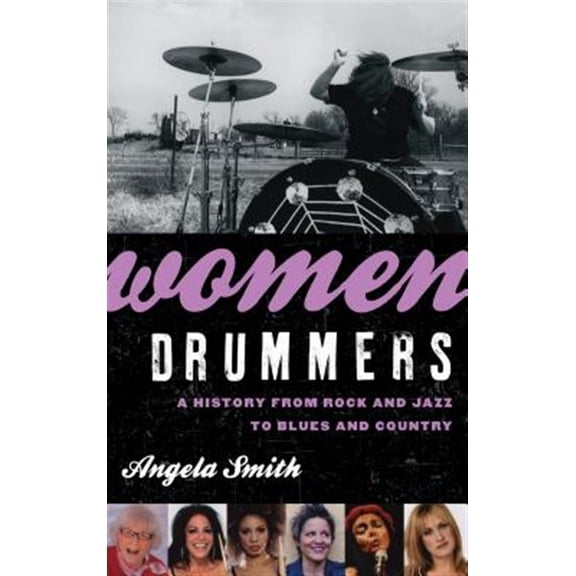
Pre-Owned Women Drummers: A History from Rock and Jazz to Blues and Country (Paperback) 0810895587 9780810895584 $49.60
 $4960current price $49.60
Pre-Owned Women Drummers: A History from Rock and Jazz to Blues and Country (Paperback) 0810895587 9780810895584
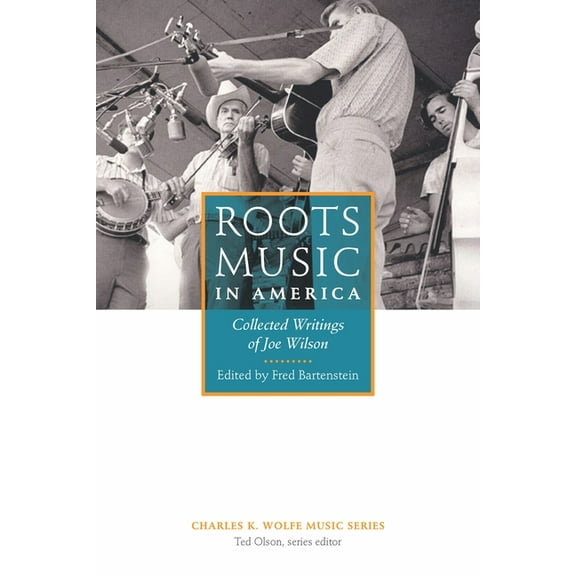
Charles K. Wolfe Music Roots Music in America: Collected Writings of Joe Wilson, (Paperback) $19.49
 $1949current price $19.49
Charles K. Wolfe Music Roots Music in America: Collected Writings of Joe Wilson, (Paperback)
Singing in My Soul: Black Gospel Music in a Secular Age, (Paperback) $26.11
 $2611current price $26.11
Singing in My Soul: Black Gospel Music in a Secular Age, (Paperback)
Jazz and Justice: Racism and the Political Economy of the Music (Paperback) $23.93
 $2393current price $23.93
Jazz and Justice: Racism and the Political Economy of the Music (Paperback)
Country Soul: Making Music and Making Race in the American South, (Paperback) $25.10
 $2510current price $25.10
Country Soul: Making Music and Making Race in the American South, (Paperback)
Music / Culture: Roots in Reverse: Senegalese Afro-Cuban Music and Tropical Cosmopolitanism (Paperback) $24.92
 $2492current price $24.92
Music / Culture: Roots in Reverse: Senegalese Afro-Cuban Music and Tropical Cosmopolitanism (Paperback)
The Jazz Bubble : Neoclassical Jazz in Neoliberal Culture (Edition 1) (Paperback) $29.50
 2 optionsAvailable in additional 2 options$2950current price $29.50
The Jazz Bubble : Neoclassical Jazz in Neoliberal Culture (Edition 1) (Paperback)
As Serious as Your Life: Black Music and the Free Jazz Revolution, 1957-1977 (Paperback) $16.01
 $1601current price $16.01
As Serious as Your Life: Black Music and the Free Jazz Revolution, 1957-1977 (Paperback)
American Musicspheres Resounding Afro Asia: Interracial Music and the Politics of Collaboration, (Paperback) $34.84
 $3484current price $34.84
American Musicspheres Resounding Afro Asia: Interracial Music and the Politics of Collaboration, (Paperback)
African Amer Music in Global Perspective From Jim Crow to Jay-Z: Race, Rap, and the Performance of Masculinity, (Paperback) $6.47
 $647current price $6.47
African Amer Music in Global Perspective From Jim Crow to Jay-Z: Race, Rap, and the Performance of Masculinity, (Paperback)
Customer ratings & reviews
0 ratings|0 reviews
This item does not have any reviews yet

Related pages
- Black Gold Lyrics
- Become Famous Singer
- African Drummers
- African Choral
- Music Performing Arts Teen & Young Adult Books
- African Rhythms
- Best Sellers In Theater Direction Production
- Music History Teen & Young Adult Books
- Theater Direction & Production Books
- Dance Music Books
- Pop Vocal Music Books
- Musicals Music Books