



Mens Clothing






































About Mens Clothing - Walmart.com
Men's clothing helps you build outfits for work, weekends, workouts, and events without guessing through fit, fabric, or occasion. You'll find everyday staples, office-ready pieces, activewear, and big and tall clothing in one place, so your search stays focused.
When you shop a broad clothing department, you can compare shirts, pants, outerwear, suits, and men's shoes around the same routine. You'll spend less time piecing together basics because your wardrobe categories stay connected.
How to choose men's clothing by clothing type
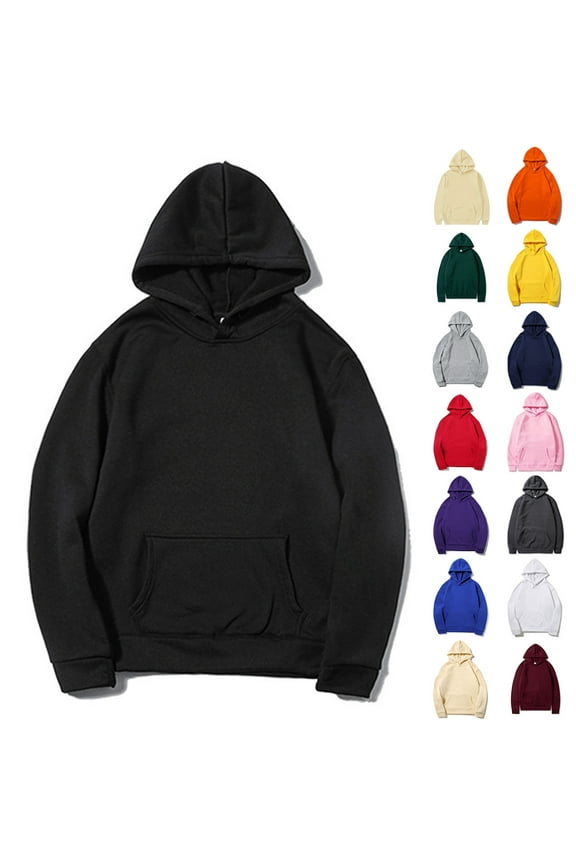
Start with clothing type because your daily plans usually decide what belongs in your cart first. You'll likely want shirts and pants for regular wear, activewear for movement, outerwear for layering, and suits for formal settings.
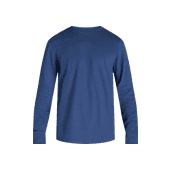
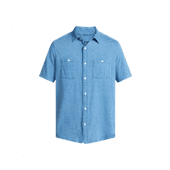
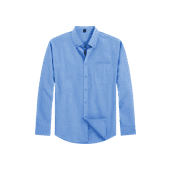
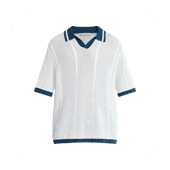
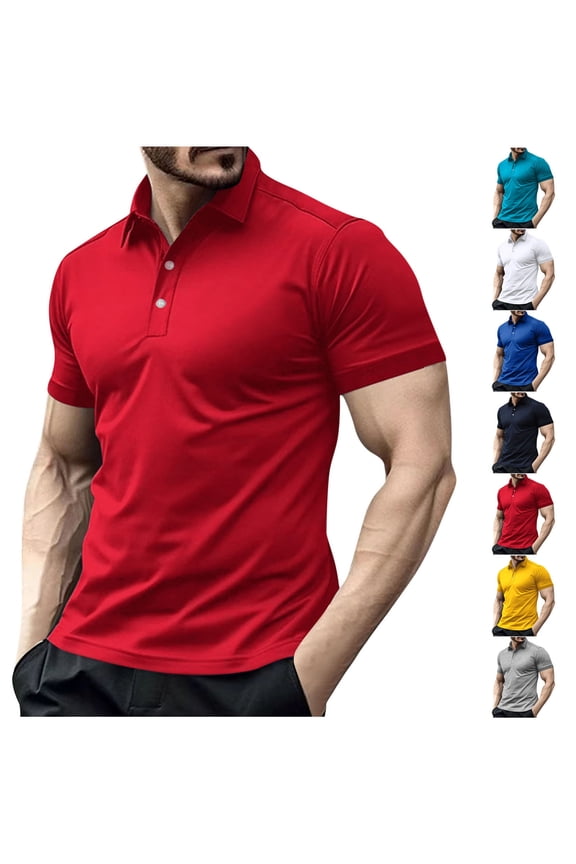
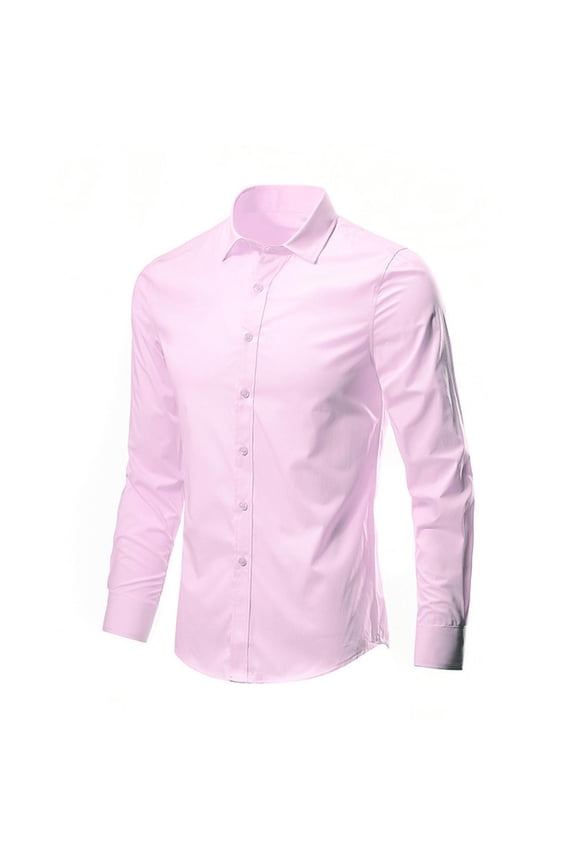
Shirts can help you cover casual, business casual, and formal outfits with fewer gaps in your closet. You'll notice that men's shirts range from simple tees to button-down styles that pair easily with denim or dress pants.
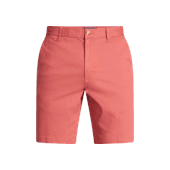
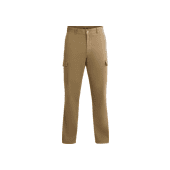
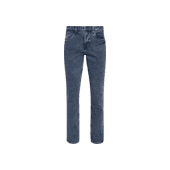
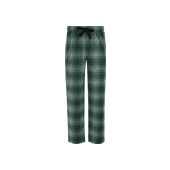
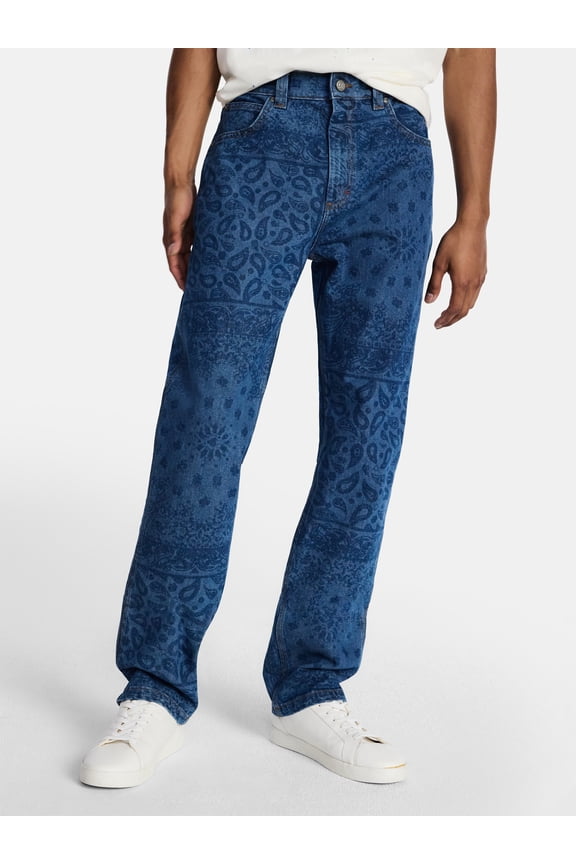
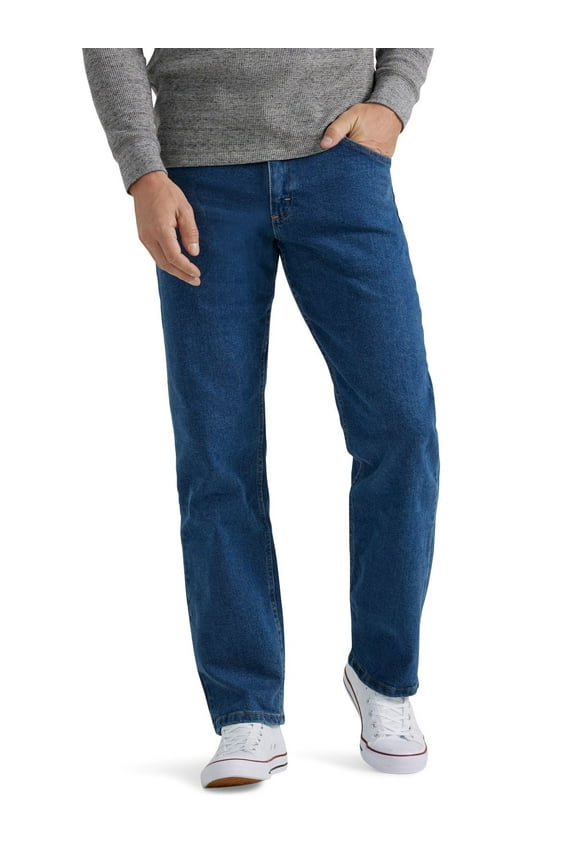
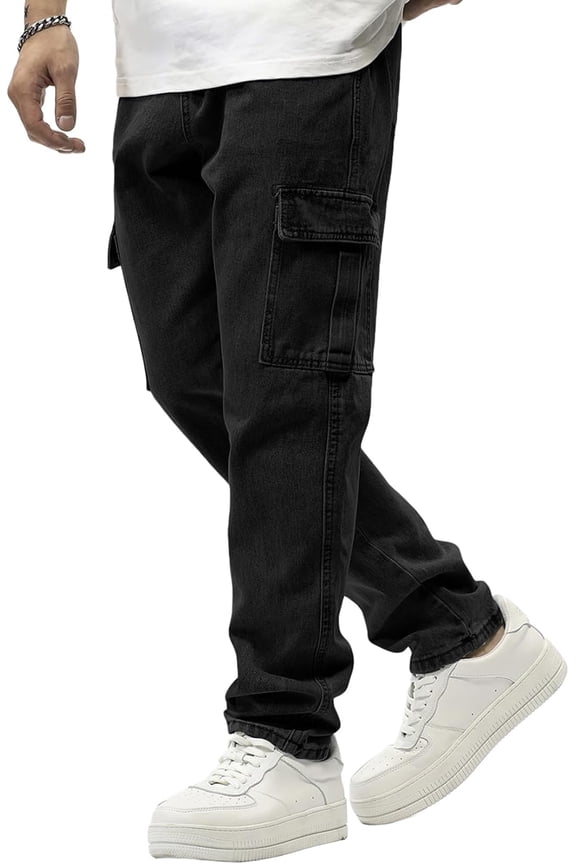
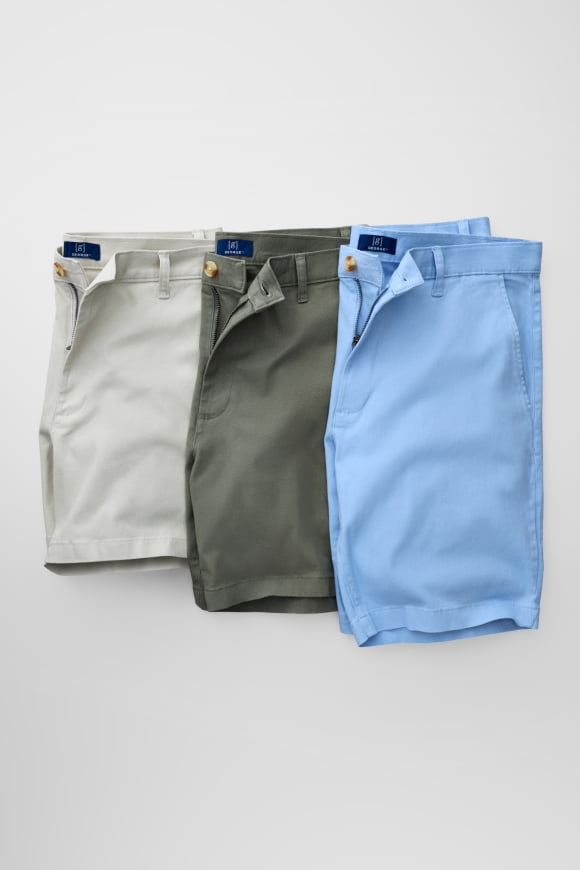
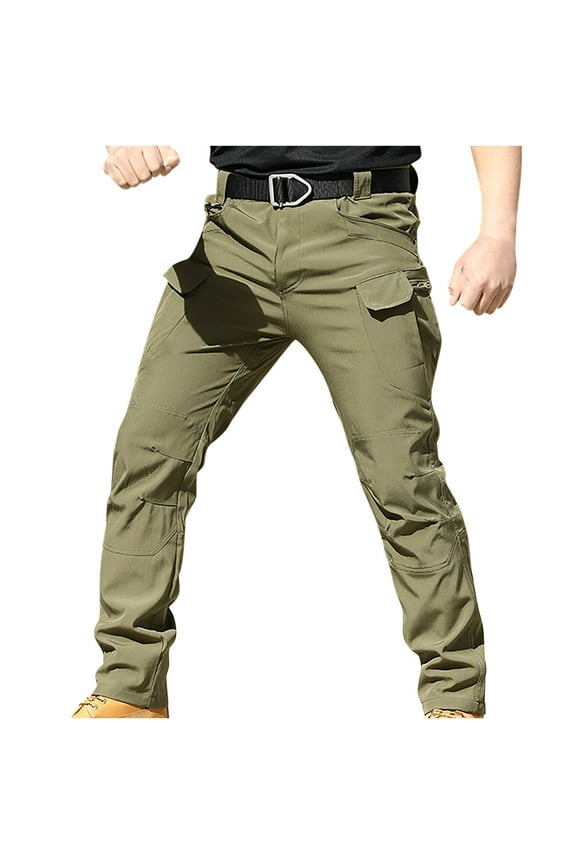
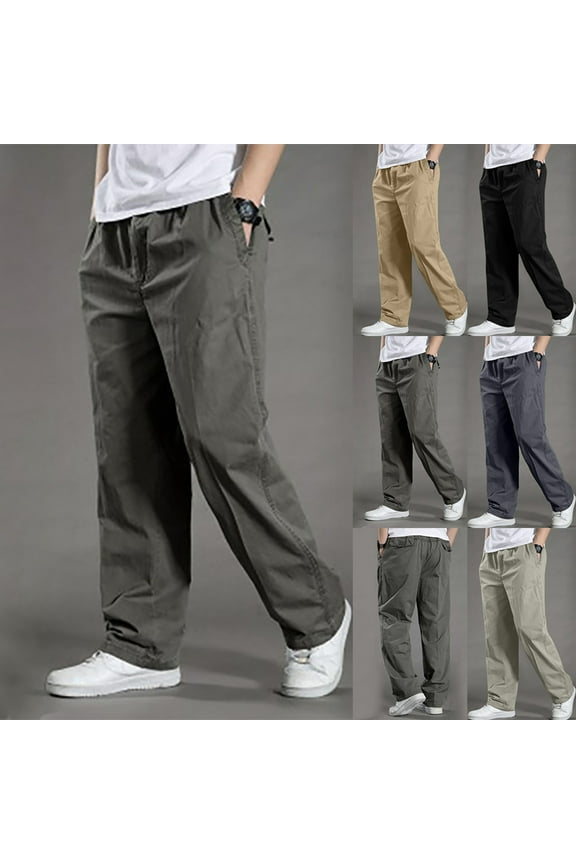
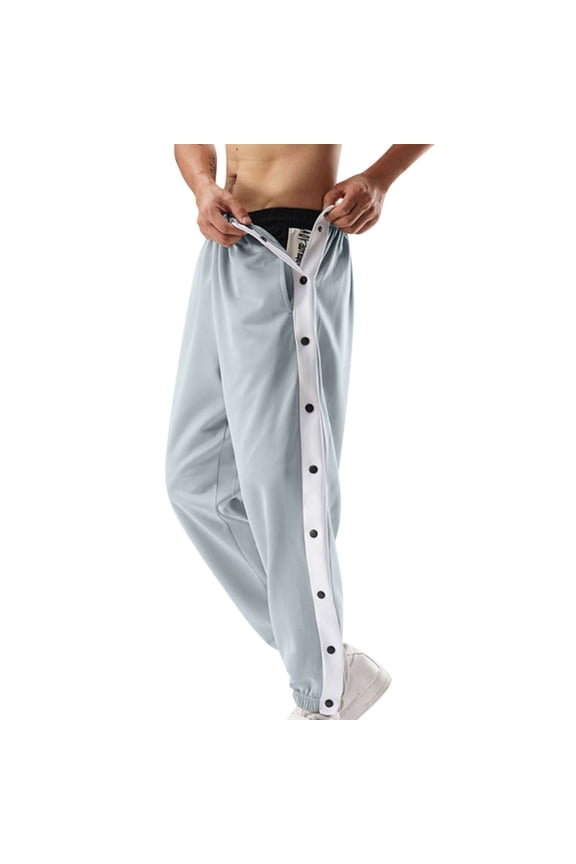
Pants shape comfort and polish in ways many shoppers do not expect during a long day. You'll want to compare jeans, chinos, joggers, and dress pants based on inseam length, fabric feel, and how often you plan to wear them.
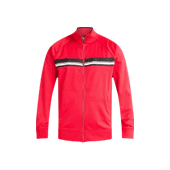
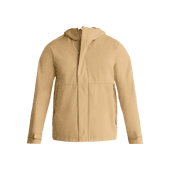
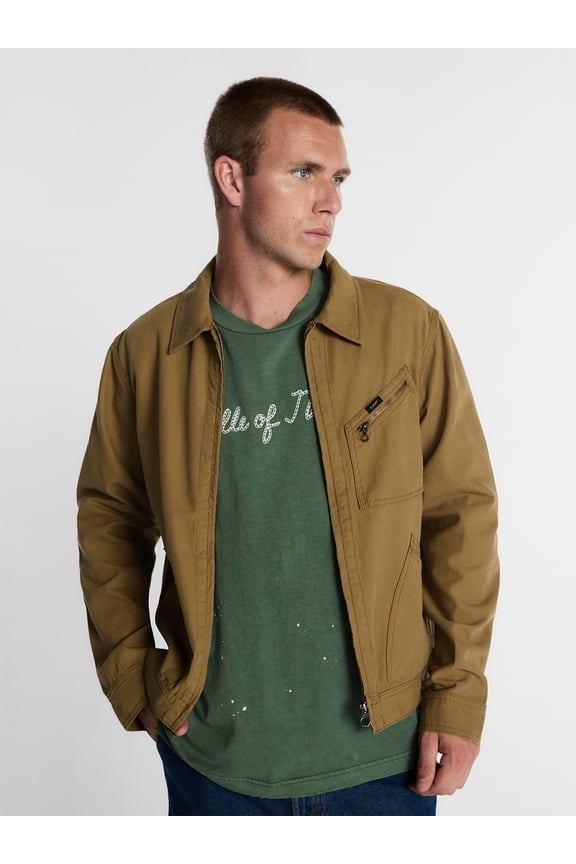
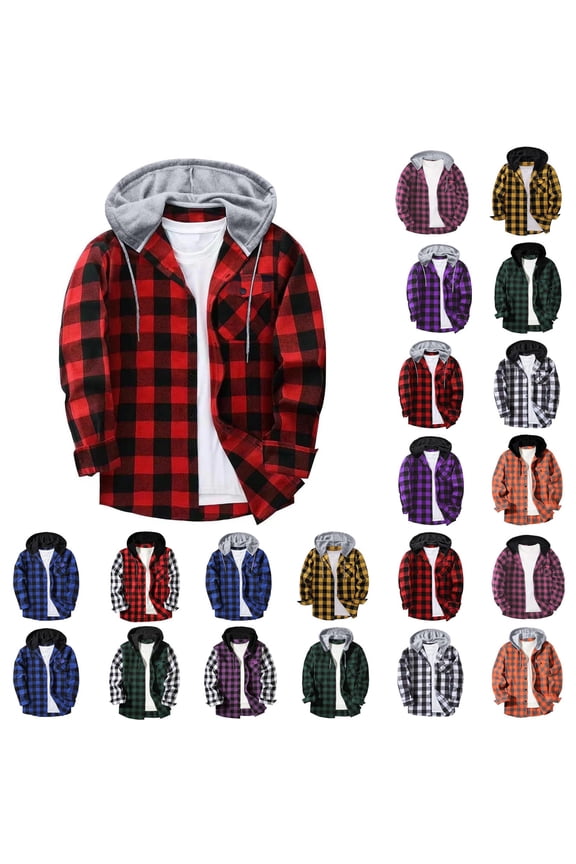
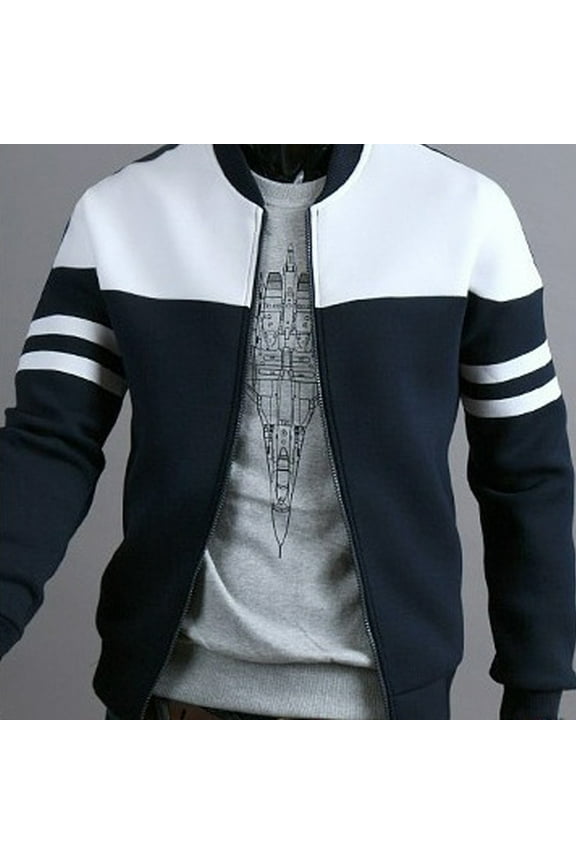
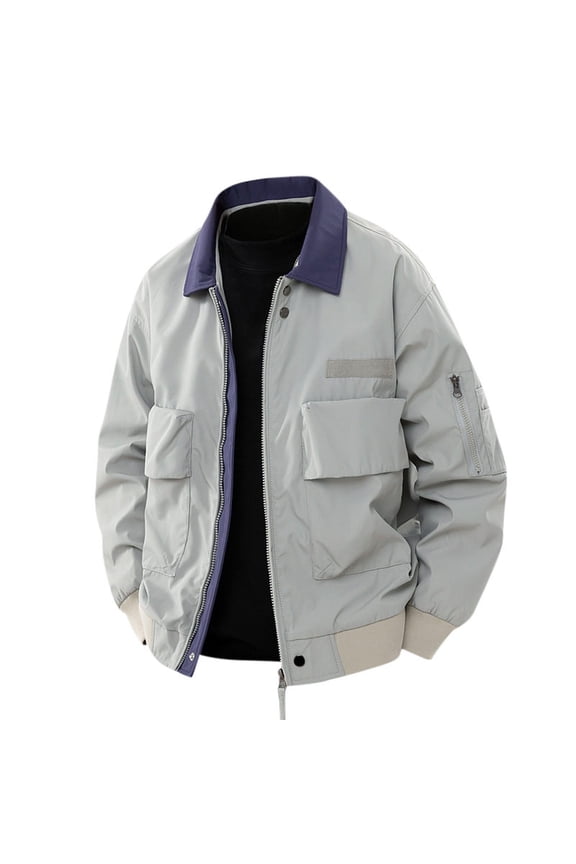
Outerwear matters when you need an extra layer that still works with your routine. You'll want lighter jackets for changing weather and heavier options when your commute or outdoor time calls for more coverage.
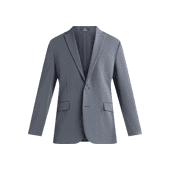
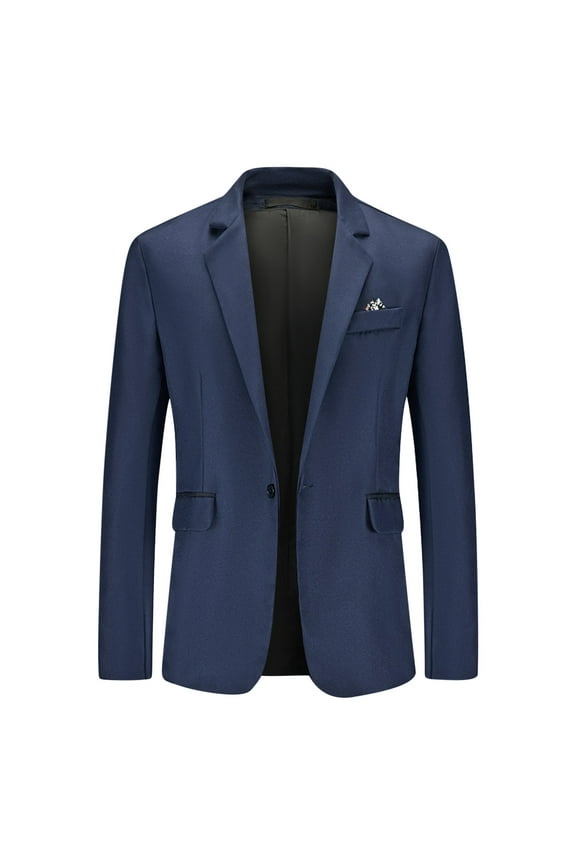
Suits serve occasions that need a sharper look and more structure through the shoulders and legs. You'll want to check jacket sizing, trouser measurements, and fabric weight so your formal outfit feels balanced.
Choosing fit in men's apparel
Fit can change how your men's apparel looks and feels from morning to night. You'll get a cleaner result when you compare slim fit, regular fit, relaxed fit, and athletic fit before choosing colors.
Slim fit usually sits closer through your chest, waist, and legs for a trimmer shape. You'll want this option when your style leans modern and you prefer less extra fabric.
Regular fit gives you balanced room without looking too narrow or too loose. You'll often choose it for everyday shirts, casual wear, and office looks that need comfort across long hours.
Relaxed fit gives you extra ease through key areas like the seat, thigh, and torso. You'll appreciate that added room when your day includes sitting, commuting, or repeated movement.
Athletic fit can work well when your shoulders or thighs need more space without oversized proportions. You'll want to compare chest measurements, waist measurements, and inseam lengths because numbers often guide fit rather than standard labels.
- You'll get more accurate sizing when you measure your chest where your shirt sits naturally.
- You'll narrow pant options faster when you know your waist and inseam before comparing styles.
- You'll reduce guesswork when you match your preferred fit to your usual daily activities.
- You'll cover more needs when you mix standard sizes with big and tall clothing options where needed.
What to look for in size range and big and tall clothing
Size range matters because your comfort starts with proportions, not just the tag number. You'll want standard, big and tall, or plus size options that align with your height, build, and preferred ease.
Big and tall clothing can give you added torso length, sleeve length, rise, and leg room where standard sizing may fall short. You'll notice these differences particularly in dress shirts, tees, jackets, and pants.
If your frame needs extra length, you should compare garment measurements before focusing on color or pattern. You'll avoid short hems and tight sleeves when you check those details early.
Standard sizing can still work well when your build matches typical chest, waist, and inseam ranges. You'll benefit from comparing fit type alongside size range because a relaxed fit may solve comfort needs within standard sizing.
Comparing fabrics in men's fashion
Fabric affects comfort, care, and how your men's fashion performs during real routines. You'll want cotton, polyester, linen, wool, and denim based on weather, activity level, and how much upkeep fits your schedule.
Cotton often feels soft and familiar for tees, casual shirts, and many everyday basics. You'll like it when you want breathable comfort and easy wear across errands, commuting, or time at home.
Polyester can make sense when you want lighter care and quick wash-and-wear convenience. You'll often see it in men's activewear and blended pieces where stretch and shape retention matter.
Linen works well when warm weather calls for a lighter feel and an airy look. You'll usually choose it for casual men's wear, vacation outfits, or business casual settings with a relaxed finish.
Wool can suit cooler seasons and structured pieces like trousers, coats, and suits. You'll appreciate how it supports a polished appearance when your calendar includes office days or formal events.
Denim gives you sturdy texture and dependable everyday styling in jeans, jackets, and shirts. You'll find it useful when your wardrobe leans casual and you want pieces that pair easily with sneakers or boots.
Matching men's activewear and casual men's wear to the occasion
Occasion should guide your choices so your closet works harder across the week. You'll want casual, formal, business casual, and workwear options that match where you're going and how long you'll be there.
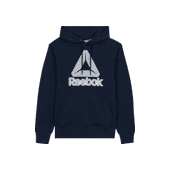
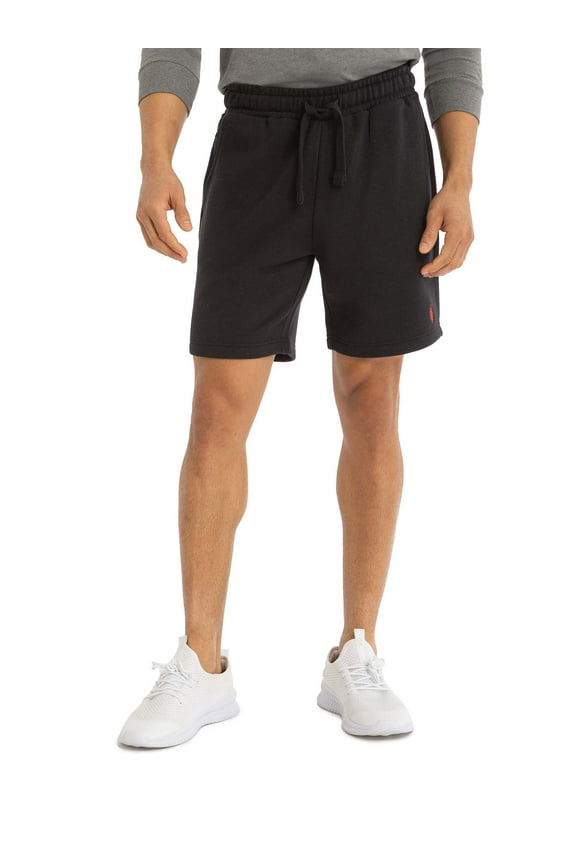
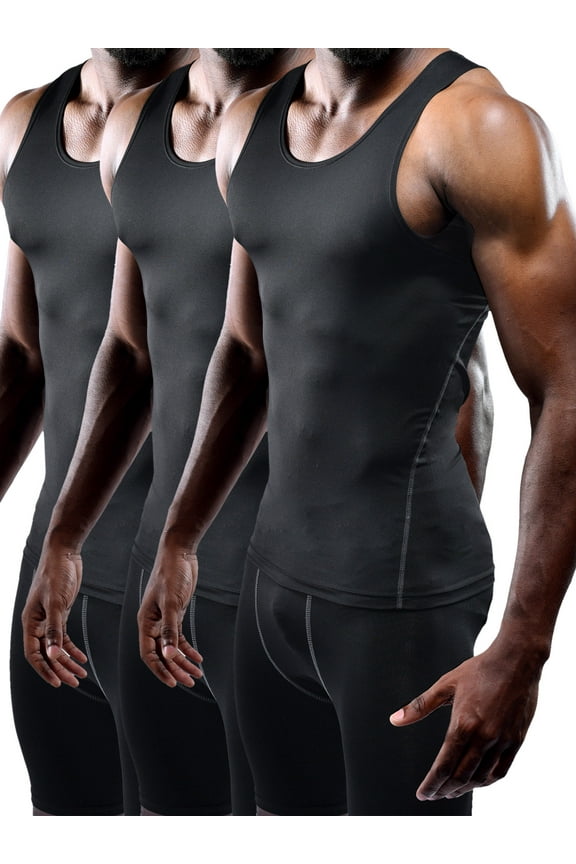
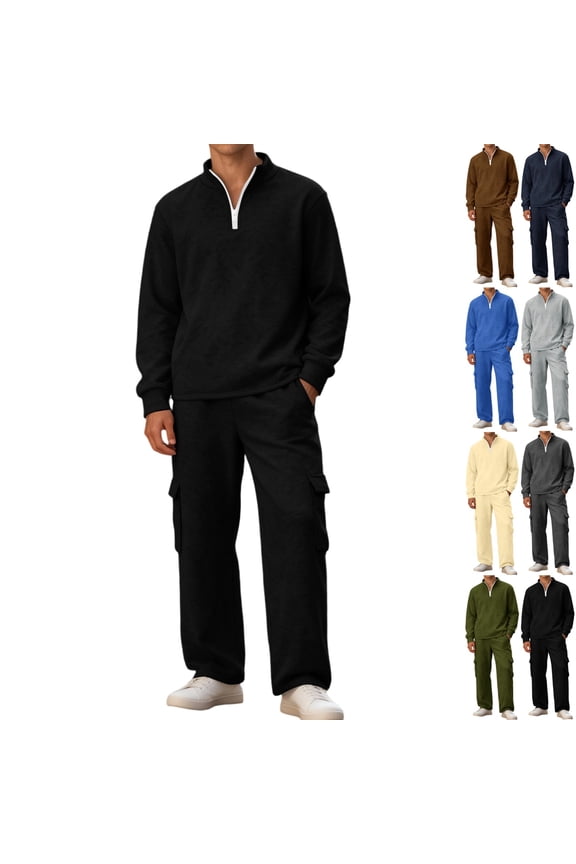
Men's activewear fits gym sessions, walks, and travel days where movement and easy layering matter. You'll likely look for stretch, lighter fabrics, and straightforward care when your schedule stays active.
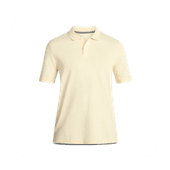
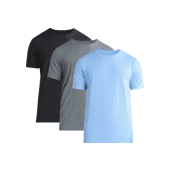
Men's casual wear covers tees, polos, jeans, joggers, and lightweight layers for everyday plans. You'll get more outfit flexibility when you choose neutral colors and simple textures that mix across seasons.
Business casual usually calls for button-down shirts, chinos, polos, and clean layering pieces. You'll create an easy office rotation when you pair regular fit shirts with pants that match your usual inseam.
Formal occasions often need suits, dress shirts, and trousers with a sharper line. You'll want fabric and fit to work together so your outfit feels put together during dinners, ceremonies, or presentations.
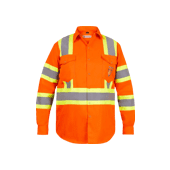
Workwear depends on your setting, but durability and repeat wear are often key priorities. You'll want tougher fabrics, practical layers, and fits that stay comfortable through movement, commuting, and longer shifts.
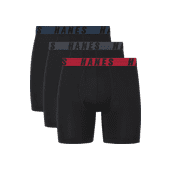
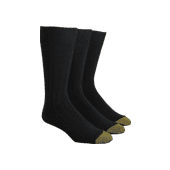
Pack size can matter too when you're replacing basics or building a weekly rotation. You'll often choose multi-packs for socks, undershirts, or tees, while individual items make sense for standout shirts or occasion pieces.
With men's clothing organized around type, fit, size range, fabric, and occasion, you can compare what matters before you commit. You'll build a wardrobe that feels consistent, fits your routine, and makes getting dressed simpler.