

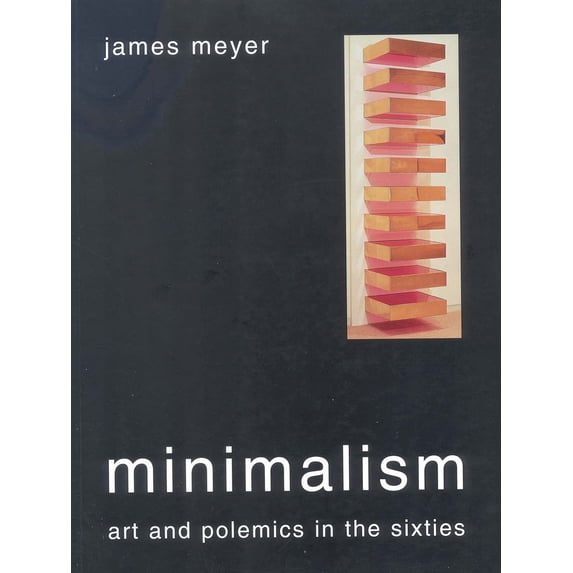
Hero image 0 of Minimalism : Art and Polemics in the Sixties (Paperback), 0 of 1
Minimalism : Art and Polemics in the Sixties (Paperback)
(No ratings yet)
Key item features
What is minimalism? The answer to this simple question has defied simple answers. In this highly readable history of minimalist art James Meyer argues that "minimalism" was not a coherent movement but a field of overlapping and sometimes opposed practices. He traces in comprehensive detail the emergence of six figures associated with the development—Carl Andre, Dan Flavin, Donald Judd, Sol LeWitt, Robert Morris, and Anne Truitt—and how the notion of minimalism came to be constructed around their art in the 1960s. Despite distinctive differences in method and points of view, Meyer shows, these artists became equated in a series of important exhibitions and texts that led to their designation as minimalists.
Beginning with the first reviews of minimalist shows, the book tracks the development of an art that critics dubbed Cool Art, ABC Art, and Primary Structures before settling on the deprecating label "minimal art.” Suggesting that such work was overly reduced in form and facture, this term implied that the new abstraction was barely legible as fine art to some viewers. Meyer describes the heated polemic that unfolded in response to these practices, the differing claims of the artists, and the sometimes intense rivalries that developed within a highly competitive, fashion-minded New York art scene. The book culminates with an analysis of minimalism’s canonization in the late sixties, its reception in Europe, and its discrediting by leftist viewers who associated the new art with American capitalist-imperialism of the Vietnam War.
Beginning with the first reviews of minimalist shows, the book tracks the development of an art that critics dubbed Cool Art, ABC Art, and Primary Structures before settling on the deprecating label "minimal art.” Suggesting that such work was overly reduced in form and facture, this term implied that the new abstraction was barely legible as fine art to some viewers. Meyer describes the heated polemic that unfolded in response to these practices, the differing claims of the artists, and the sometimes intense rivalries that developed within a highly competitive, fashion-minded New York art scene. The book culminates with an analysis of minimalism’s canonization in the late sixties, its reception in Europe, and its discrediting by leftist viewers who associated the new art with American capitalist-imperialism of the Vietnam War.
Specs
- Book formatPaperback
- Fiction/nonfictionNon-Fiction
- Publication dateAugust, 2004
- Pages348
- PublisherYale University Press
- Original languagesEnglish
Current price is USD$47.77
Price when purchased online
Out of stock
How do you want your item?
Out of stock
About this item
Product details
What is minimalism? The answer to this simple question has defied simple answers. In this highly readable history of minimalist art James Meyer argues that "minimalism" was not a coherent movement but a field of overlapping and sometimes opposed practices. He traces in comprehensive detail the emergence of six figures associated with the development--Carl Andre, Dan Flavin, Donald Judd, Sol LeWitt, Robert Morris, and Anne Truitt--and how the notion of minimalism came to be constructed around their art in the 1960s. Despite distinctive differences in method and points of view, Meyer shows, these artists became equated in a series of important exhibitions and texts that led to their designation as minimalists. Beginning with the first reviews of minimalist shows, the book tracks the development of an art that critics dubbed Cool Art, ABC Art, and Primary Structures before settling on the deprecating label "minimal art." Suggesting that such work was overly reduced in form and facture, this term implied that the new abstraction was barely legible as fine art to some viewers. Meyer describes the heated polemic that unfolded in response to these practices, the differing claims of the artists, and the sometimes intense rivalries that developed within a highly competitive, fashion-minded New York art scene. The book culminates with an analysis of minimalism's canonization in the late sixties, its reception in Europe, and its discrediting by leftist viewers who associated the new art with American capitalist-imperialism of the Vietnam War.
What is minimalism? The answer to this simple question has defied simple answers. In this highly readable history of minimalist art James Meyer argues that "minimalism" was not a coherent movement but a field of overlapping and sometimes opposed practices. He traces in comprehensive detail the emergence of six figures associated with the development—Carl Andre, Dan Flavin, Donald Judd, Sol LeWitt, Robert Morris, and Anne Truitt—and how the notion of minimalism came to be constructed around their art in the 1960s. Despite distinctive differences in method and points of view, Meyer shows, these artists became equated in a series of important exhibitions and texts that led to their designation as minimalists.
Beginning with the first reviews of minimalist shows, the book tracks the development of an art that critics dubbed Cool Art, ABC Art, and Primary Structures before settling on the deprecating label "minimal art.” Suggesting that such work was overly reduced in form and facture, this term implied that the new abstraction was barely legible as fine art to some viewers. Meyer describes the heated polemic that unfolded in response to these practices, the differing claims of the artists, and the sometimes intense rivalries that developed within a highly competitive, fashion-minded New York art scene. The book culminates with an analysis of minimalism’s canonization in the late sixties, its reception in Europe, and its discrediting by leftist viewers who associated the new art with American capitalist-imperialism of the Vietnam War.
Beginning with the first reviews of minimalist shows, the book tracks the development of an art that critics dubbed Cool Art, ABC Art, and Primary Structures before settling on the deprecating label "minimal art.” Suggesting that such work was overly reduced in form and facture, this term implied that the new abstraction was barely legible as fine art to some viewers. Meyer describes the heated polemic that unfolded in response to these practices, the differing claims of the artists, and the sometimes intense rivalries that developed within a highly competitive, fashion-minded New York art scene. The book culminates with an analysis of minimalism’s canonization in the late sixties, its reception in Europe, and its discrediting by leftist viewers who associated the new art with American capitalist-imperialism of the Vietnam War.
info:
We aim to show you accurate product information. Manufacturers, suppliers and others provide what you see here, and we have not verified it.
Specifications
Book format
Paperback
Fiction/nonfiction
Non-Fiction
Genre
Art/History - Contemporary (1945- )
Publication date
August, 2004
Warranty
Warranty information
Please be aware that the warranty terms on items offered for sale by third party Marketplace sellers may differ from those displayed in this section (if any). To confirm warranty terms on an item offered for sale by a third party Marketplace seller, please use the 'Contact seller' feature on the third party Marketplace seller's information page and request the item's warranty terms prior to purchase.
Customer ratings & reviews
0 ratings|0 reviews
This item does not have any reviews yet
