


Hero image 0 of West Coast Jazz : Modern Jazz in California, 1945-1960 (Edition 1) (Paperback), 0 of 1
West Coast Jazz : Modern Jazz in California, 1945-1960 (Edition 1) (Paperback)
(No ratings yet)
Key item features
From the Preface by Ted Gioia:
All of these musicians fought their way back over the next decade, and their success in re-establishing themselves as important artists was perhaps the first signal, initially unrecognized as such, that a re-evaluation of the earlier West Coast scene was under way. Less fortunate than these few were West Coasters such as Sonny Criss, Harold Land, Curtis Counce, Carl Perkins, Lennie Niehaus, Roy Porter, Teddy Edwards, Gerald Wilson, and those others whose careers languished without achieving either a later revival or even an early brief taste of fame. Certainly some West Coast jazz players have been awarded a central place in jazz history, but invariably they have been those who, like Charles Mingus or Eric Dolphy, left California for Manhattan. Those who stayed behind were, for the most part, left behind.
The time has come for a critical re-evaluation of this body of work. With more than forty years of perspective--since modern jazz came to California-we can perhaps now begin to make sense of the rich array of music presented there during those glory years. But to do so, we need to start almost from scratch. We need to throw away the stereotypes of West Coast jazz, reject the simplifications, catchphrases, and pigeonholings that have only confused the issue. So many discussions of the music have begun by asking, "What was West Coast jazz?"--as if some simple definition would answer all our questions. And when no simple answer emerged--how could it when the same critics asking the question could hardly agree on a definition of jazz itself?--this failure was brandished as grounds for dismissing the whole subject.
My approach is different. I start with the music itself, the musicians themselves, the geography and social situation, the clubs and the culture. I tried to learn what they have to tell us, rather than regurgitate the dubious critical consensus of the last generation. Was West Coast jazz the last regional style or merely a marketing fad? Was there really ever any such thing as West Coast jazz? If so, was it better or worse than East Coast jazz? Such questions are not without merit, but they provide a poor start for a serious historical inquiry.
I ask readers hoping for quick and easy answers to approach this work with an open mind and a modicum of patience. Generalizations will emerge; broader considerations will become increasingly clear; but only as we approach the close of this complex story, after we have let the music emerge in all its richness and diversity. By starting with some theory of West Coast jazz, we run the risk of seeing only what fits into our theory. Too many accounts of the music have fallen into just this trap. Instead, we need to see things with fresh eyes, hear the music again with fresh ears.
Specs
- Book formatPaperback
- Fiction/nonfictionNon-Fiction
- Publication dateOctober, 1998
- Pages428
- SubgenreGenres & Styles
- Series titleNo Series
Current price is USD$31.95
Price when purchased online
 Free 90-day returns
How do you want your item?
Try 30 days of Free Shipping with Walmart+! Choose plan at checkout.
Columbus, 43215
Arrives by Tue, May 5
Sold and shipped by Walmart.com

Free 90-day returns

This item is gift eligible
More seller options (5)
Starting from $38.80

Get free delivery, shipping and more*
*Restrictions apply Try Walmart+ now
About this item
Product details
From the Preface by Ted Gioia: All of these musicians fought their way back over the next decade, and their success in re-establishing themselves as important artists was perhaps the first signal, initially unrecognized as such, that a re-evaluation of the earlier West Coast scene was under way. Less fortunate than these few were West Coasters such as Sonny Criss, Harold Land, Curtis Counce, Carl Perkins, Lennie Niehaus, Roy Porter, Teddy Edwards, Gerald Wilson, and those others whose careers languished without achieving either a later revival or even an early brief taste of fame. Certainly some West Coast jazz players have been awarded a central place in jazz history, but invariably they have been those who, like Charles Mingus or Eric Dolphy, left California for Manhattan. Those who stayed behind were, for the most part, left behind. The time has come for a critical re-evaluation of this body of work. With more than forty years of perspective--since modern jazz came to California-we can perhaps now begin to make sense of the rich array of music presented there during those glory years. But to do so, we need to start almost from scratch. We need to throw away the stereotypes of West Coast jazz, reject the simplifications, catchphrases, and pigeonholings that have only confused the issue. So many discussions of the music have begun by asking, "What was West Coast jazz?"--as if some simple definition would answer all our questions. And when no simple answer emerged--how could it when the same critics asking the question could hardly agree on a definition of jazz itself?--this failure was brandished as grounds for dismissing the whole subject. My approach is different. I start with the music itself, the musicians themselves, the geography and social situation, the clubs and the culture. I tried to learn what they have to tell us, rather than regurgitate the dubious critical consensus of the last generation. Was West Coast jazz the last regional style or merely a marketing fad? Was there really ever any such thing as West Coast jazz? If so, was it better or worse than East Coast jazz? Such questions are not without merit, but they provide a poor start for a serious historical inquiry. I ask readers hoping for quick and easy answers to approach this work with an open mind and a modicum of patience. Generalizations will emerge; broader considerations will become increasingly clear; but only as we approach the close of this complex story, after we have let the music emerge in all its richness and diversity. By starting with some theory of West Coast jazz, we run the risk of seeing only what fits into our theory. Too many accounts of the music have fallen into just this trap. Instead, we need to see things with fresh eyes, hear the music again with fresh ears.
From the Preface by Ted Gioia:
All of these musicians fought their way back over the next decade, and their success in re-establishing themselves as important artists was perhaps the first signal, initially unrecognized as such, that a re-evaluation of the earlier West Coast scene was under way. Less fortunate than these few were West Coasters such as Sonny Criss, Harold Land, Curtis Counce, Carl Perkins, Lennie Niehaus, Roy Porter, Teddy Edwards, Gerald Wilson, and those others whose careers languished without achieving either a later revival or even an early brief taste of fame. Certainly some West Coast jazz players have been awarded a central place in jazz history, but invariably they have been those who, like Charles Mingus or Eric Dolphy, left California for Manhattan. Those who stayed behind were, for the most part, left behind.
The time has come for a critical re-evaluation of this body of work. With more than forty years of perspective--since modern jazz came to California-we can perhaps now begin to make sense of the rich array of music presented there during those glory years. But to do so, we need to start almost from scratch. We need to throw away the stereotypes of West Coast jazz, reject the simplifications, catchphrases, and pigeonholings that have only confused the issue. So many discussions of the music have begun by asking, "What was West Coast jazz?"--as if some simple definition would answer all our questions. And when no simple answer emerged--how could it when the same critics asking the question could hardly agree on a definition of jazz itself?--this failure was brandished as grounds for dismissing the whole subject.
My approach is different. I start with the music itself, the musicians themselves, the geography and social situation, the clubs and the culture. I tried to learn what they have to tell us, rather than regurgitate the dubious critical consensus of the last generation. Was West Coast jazz the last regional style or merely a marketing fad? Was there really ever any such thing as West Coast jazz? If so, was it better or worse than East Coast jazz? Such questions are not without merit, but they provide a poor start for a serious historical inquiry.
I ask readers hoping for quick and easy answers to approach this work with an open mind and a modicum of patience. Generalizations will emerge; broader considerations will become increasingly clear; but only as we approach the close of this complex story, after we have let the music emerge in all its richness and diversity. By starting with some theory of West Coast jazz, we run the risk of seeing only what fits into our theory. Too many accounts of the music have fallen into just this trap. Instead, we need to see things with fresh eyes, hear the music again with fresh ears.
info:
We aim to show you accurate product information. Manufacturers, suppliers and others provide what you see here, and we have not verified it.
Specifications
Book format
Paperback
Fiction/nonfiction
Non-Fiction
Genre
Art, Music, and Photography
Publication date
October, 1998
Warranty
Warranty information
Please be aware that the warranty terms on items offered for sale by third party Marketplace sellers may differ from those displayed in this section (if any). To confirm warranty terms on an item offered for sale by a third party Marketplace seller, please use the 'Contact seller' feature on the third party Marketplace seller's information page and request the item's warranty terms prior to purchase.
Similar items you might like
Based on what customers bought
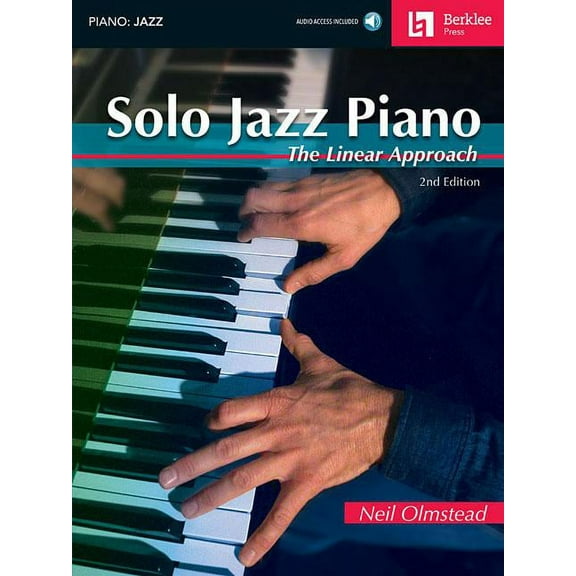
Solo Jazz Piano - 2nd Edition the Linear Approach Book/Online Audio, (Paperback) $36.98
 $3698current price $36.98
Solo Jazz Piano - 2nd Edition the Linear Approach Book/Online Audio, (Paperback)
Loft Jazz : Improvising New York in the 1970s (Edition 1) (Paperback) $29.95
 $2995current price $29.95
Loft Jazz : Improvising New York in the 1970s (Edition 1) (Paperback)
The Jazz Standards: A Guide to the Repertoire, (Hardcover) $30.37
 $3037current price $30.37
The Jazz Standards: A Guide to the Repertoire, (Hardcover)
Music in American Life Leonard Bernstein and the Language of Jazz, (Paperback) $24.98
 $2498current price $24.98
Music in American Life Leonard Bernstein and the Language of Jazz, (Paperback)
Civic Jazz : American Music and Kenneth Burke on the Art of Getting Along (Paperback) $33.06
 $3306current price $33.06
Civic Jazz : American Music and Kenneth Burke on the Art of Getting Along (Paperback)
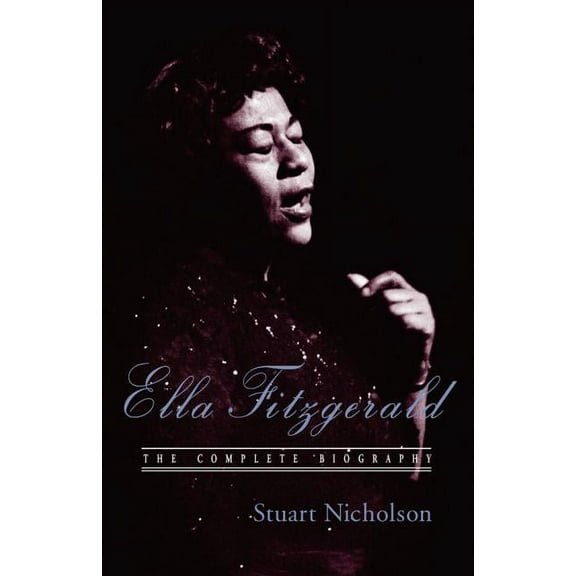
Ella Fitzgerald: A Biography of the First Lady of Jazz, Updated Edition, (Paperback) $45.99
 $4599current price $45.99
Ella Fitzgerald: A Biography of the First Lady of Jazz, Updated Edition, (Paperback)
Jazz - Pat Martino - Book/Online Audio, (Paperback) $19.29
 $1929current price $19.29
Jazz - Pat Martino - Book/Online Audio, (Paperback)
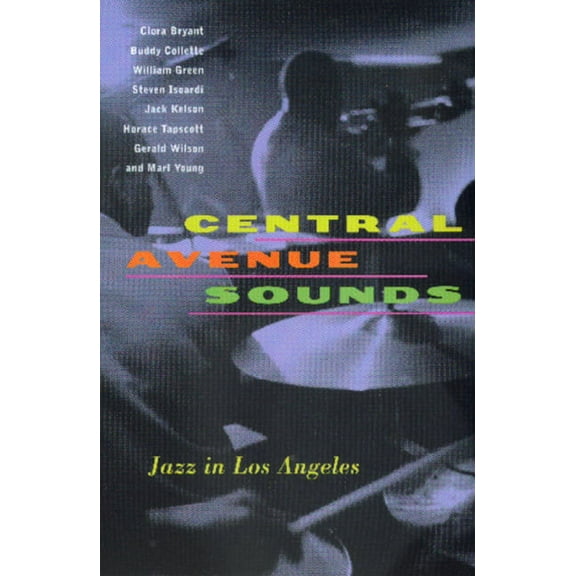
Central Avenue Sounds : Jazz in Los Angeles (Edition 1) (Paperback) $26.21
 $2621current price $26.21
Central Avenue Sounds : Jazz in Los Angeles (Edition 1) (Paperback)
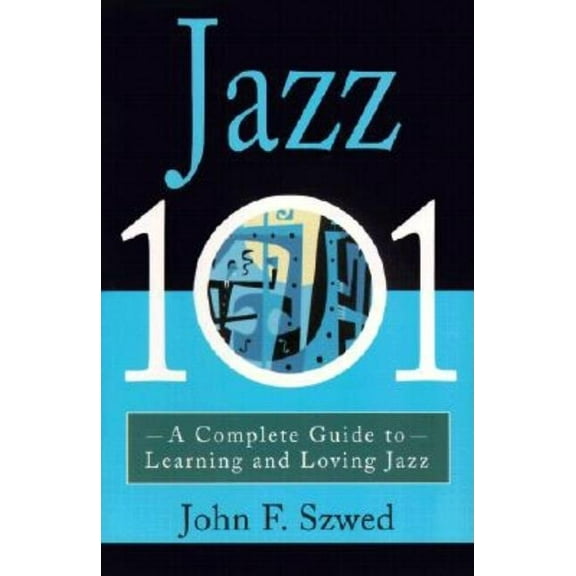
Jazz 101: A Complete Guide to Learning and Loving Jazz, (Paperback) $15.86 Was $17.99
 $1586current price $15.86, Was $17.99$17.99
Jazz 101: A Complete Guide to Learning and Loving Jazz, (Paperback)
Fantasies of Improvisation: Free Playing in Nineteenth-Century Music, (Hardcover) $36.63
 $3663current price $36.63
Fantasies of Improvisation: Free Playing in Nineteenth-Century Music, (Hardcover)
Hi-De-Ho: The Life of Cab Calloway, (Paperback) $45.34
 $4534current price $45.34
Hi-De-Ho: The Life of Cab Calloway, (Paperback)
Berklee Jazz Keyboard Harmony - 2nd Edition Book/Online Audio, (Paperback) $21.89
 $2189current price $21.89
Berklee Jazz Keyboard Harmony - 2nd Edition Book/Online Audio, (Paperback)
At the Jazz Band Ball : Sixty Years on the Jazz Scene (Edition 1) (Paperback) $36.65
 $3665current price $36.65
At the Jazz Band Ball : Sixty Years on the Jazz Scene (Edition 1) (Paperback)
Essential Jazz Lines: In the Style of John Coltrane/Guitar EDT., (Paperback) $32.45
 $3245current price $32.45
Essential Jazz Lines: In the Style of John Coltrane/Guitar EDT., (Paperback)
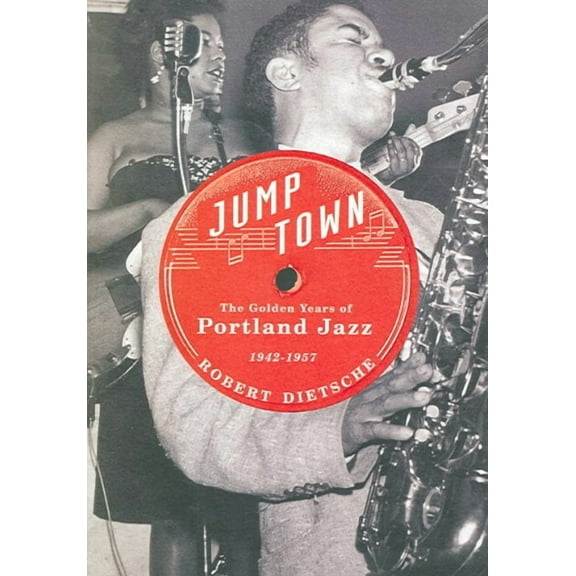
Jumptown : The Golden Years of Portland Jazz, 1942-1957 (Paperback) $24.92
 $2492current price $24.92
Jumptown : The Golden Years of Portland Jazz, 1942-1957 (Paperback)
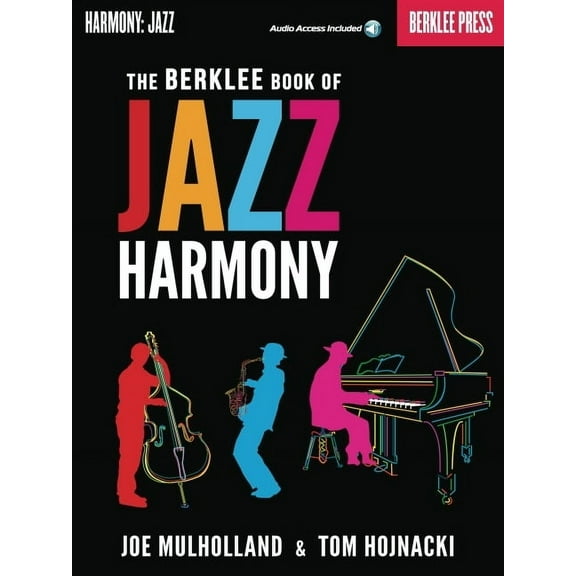
The Berklee Book of Jazz Harmony - Book/Online Audio, (Paperback) $26.83 Was $29.99
 $2683current price $26.83, Was $29.99$29.99
The Berklee Book of Jazz Harmony - Book/Online Audio, (Paperback)
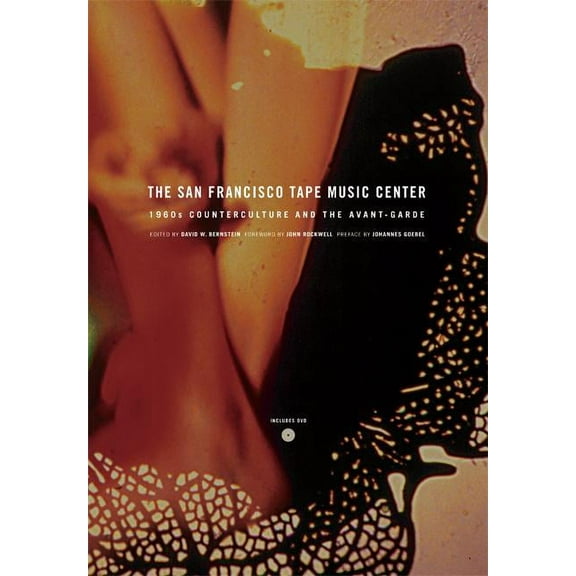
The San Francisco Tape Music Center : 1960s Counterculture and the Avant-Garde (Edition 1) (Paperback) $26.62
 $2662current price $26.62
The San Francisco Tape Music Center : 1960s Counterculture and the Avant-Garde (Edition 1) (Paperback)

Customer ratings & reviews
0 ratings|0 reviews
This item does not have any reviews yet
