


Hero image 0 of Figurae: Reading Medieval Culture: Allegorical Play in the Old French Motet : The Sacred and the Profane in Thirteenth-Century Polyphony (Hardcover), 0 of 1
Figurae: Reading Medieval Culture: Allegorical Play in the Old French Motet : The Sacred and the Profane in Thirteenth-Century Polyphony (Hardcover)
(No ratings yet)
Key item features
The motet began as a form of sacred vocal music in several parts; a cantus firmus or tenor, drawn from sacred Latin chant, served as a foundation for one or more upper voices. The French motet was a well-established form by the middle of the thirteenth century, as were bilingual motets that combined at least one French and one Latin text among the upper voices.
Though some attention is paid to melodic structure and the relationship between text and music, this book focuses on the literary artistry of the texts of French and bilingual motets, notably the special feature of motets that distinguished them from other medieval lyric forms: the phenomenon of polytextuality. The author analyzes both the interaction of the texts within a motet (when there is more than one texted voice) and the relationship between the texted voice(s) and the tenor.
Although some French motets employ vernacular refrains as tenors, the vast majority use Latin tenors, thus maintaining an explicit tie to the liturgical origins of the genre. This presence of sacred and profane elements within a single motet presents an interpretive dilemma that the author suggests can be resolved through an allegorical or parodic reading; indeed, she argues that the tension between allegory and parody is an essential feature of the French motet.
The book examines the creative juxtaposition of sacred tenors and vernacular lyric motifs, and the resulting interplay of allegorical and parodic meanings, focusing in particular on the female persona as object of desire and as desiring subject, and on the motives of the separation and reunion of lovers. The author's analysis also discusses the links between the French motet and the secular lyric, the allegorization of love poetry in sermons and mystical texts, sacred parody, and the playful use of liturgical and biblical citations in erotic poetry.
Though some attention is paid to melodic structure and the relationship between text and music, this book focuses on the literary artistry of the texts of French and bilingual motets, notably the special feature of motets that distinguished them from other medieval lyric forms: the phenomenon of polytextuality. The author analyzes both the interaction of the texts within a motet (when there is more than one texted voice) and the relationship between the texted voice(s) and the tenor.
Although some French motets employ vernacular refrains as tenors, the vast majority use Latin tenors, thus maintaining an explicit tie to the liturgical origins of the genre. This presence of sacred and profane elements within a single motet presents an interpretive dilemma that the author suggests can be resolved through an allegorical or parodic reading; indeed, she argues that the tension between allegory and parody is an essential feature of the French motet.
The book examines the creative juxtaposition of sacred tenors and vernacular lyric motifs, and the resulting interplay of allegorical and parodic meanings, focusing in particular on the female persona as object of desire and as desiring subject, and on the motives of the separation and reunion of lovers. The author's analysis also discusses the links between the French motet and the secular lyric, the allegorization of love poetry in sermons and mystical texts, sacred parody, and the playful use of liturgical and biblical citations in erotic poetry.
Specs
- Book formatHardcover
- Fiction/nonfictionNon-Fiction
- Publication dateMay, 1997
- Pages248
- Reading levelScholarly & Professional
- SubgenreLiterary Criticism
Current price is USD$70.00
Price when purchased online
- Free shipping
 Free 90-day returns
How do you want your item?
Try 30 days for just $1! Choose a plan at checkout.
Ships to
Arrives by Tomorrow
.Order within 2 hr 22 min
Sold and shipped by Walmart.com

Free 90-day returns

This item is gift eligible
More seller options (3)
Starting from $74.94

Try 30 days of Walmart+ for just $1!
T&C apply. Claim offer now
About this item
Product details
This book focuses on the literary artistry of the texts of Old French and bilingual motets, notably the special feature of motets that distinguished them from other medieval lyric forms: the phenomenon of polytextuality.
The motet began as a form of sacred vocal music in several parts; a cantus firmus or tenor, drawn from sacred Latin chant, served as a foundation for one or more upper voices. The French motet was a well-established form by the middle of the thirteenth century, as were bilingual motets that combined at least one French and one Latin text among the upper voices.
Though some attention is paid to melodic structure and the relationship between text and music, this book focuses on the literary artistry of the texts of French and bilingual motets, notably the special feature of motets that distinguished them from other medieval lyric forms: the phenomenon of polytextuality. The author analyzes both the interaction of the texts within a motet (when there is more than one texted voice) and the relationship between the texted voice(s) and the tenor.
Although some French motets employ vernacular refrains as tenors, the vast majority use Latin tenors, thus maintaining an explicit tie to the liturgical origins of the genre. This presence of sacred and profane elements within a single motet presents an interpretive dilemma that the author suggests can be resolved through an allegorical or parodic reading; indeed, she argues that the tension between allegory and parody is an essential feature of the French motet.
The book examines the creative juxtaposition of sacred tenors and vernacular lyric motifs, and the resulting interplay of allegorical and parodic meanings, focusing in particular on the female persona as object of desire and as desiring subject, and on the motives of the separation and reunion of lovers. The author's analysis also discusses the links between the French motet and the secular lyric, the allegorization of love poetry in sermons and mystical texts, sacred parody, and the playful use of liturgical and biblical citations in erotic poetry.
Though some attention is paid to melodic structure and the relationship between text and music, this book focuses on the literary artistry of the texts of French and bilingual motets, notably the special feature of motets that distinguished them from other medieval lyric forms: the phenomenon of polytextuality. The author analyzes both the interaction of the texts within a motet (when there is more than one texted voice) and the relationship between the texted voice(s) and the tenor.
Although some French motets employ vernacular refrains as tenors, the vast majority use Latin tenors, thus maintaining an explicit tie to the liturgical origins of the genre. This presence of sacred and profane elements within a single motet presents an interpretive dilemma that the author suggests can be resolved through an allegorical or parodic reading; indeed, she argues that the tension between allegory and parody is an essential feature of the French motet.
The book examines the creative juxtaposition of sacred tenors and vernacular lyric motifs, and the resulting interplay of allegorical and parodic meanings, focusing in particular on the female persona as object of desire and as desiring subject, and on the motives of the separation and reunion of lovers. The author's analysis also discusses the links between the French motet and the secular lyric, the allegorization of love poetry in sermons and mystical texts, sacred parody, and the playful use of liturgical and biblical citations in erotic poetry.
info:
We aim to show you accurate product information. Manufacturers, suppliers and others provide what you see here, and we have not verified it.
Specifications
Book format
Hardcover
Fiction/nonfiction
Non-Fiction
Publication date
May, 1997
Pages
248
Warranty
Warranty information
Please be aware that the warranty terms on items offered for sale by third party Marketplace sellers may differ from those displayed in this section (if any). To confirm warranty terms on an item offered for sale by a third party Marketplace seller, please use the 'Contact seller' feature on the third party Marketplace seller's information page and request the item's warranty terms prior to purchase.
Similar items you might like
Based on what customers bought
New Middle Ages Chaucerian Ecopoetics: Deconstructing Anthropocentrism in the Canterbury Tales, (Hardcover) $71.05
 $7105current price $71.05
New Middle Ages Chaucerian Ecopoetics: Deconstructing Anthropocentrism in the Canterbury Tales, (Hardcover)
Conway Lectures in Medieval Studies Outsiders: The Humanity and Inhumanity of Giants in Medieval French Prose Romance, (Paperback) $25.19
 $2519current price $25.19
Conway Lectures in Medieval Studies Outsiders: The Humanity and Inhumanity of Giants in Medieval French Prose Romance, (Paperback)
Middle Ages Medieval Boundaries: Rethinking Difference in Old French Literature, (Hardcover) $41.66
 $4166current price $41.66
Middle Ages Medieval Boundaries: Rethinking Difference in Old French Literature, (Hardcover)
Studies in English Medieval Language and The Mirror of Desire Unbidden: Retrieving the Imago Dei in Tolkien and Late Medieval English Literature, Book 65, (Hardcover) $78.95
 $7895current price $78.95
Studies in English Medieval Language and The Mirror of Desire Unbidden: Retrieving the Imago Dei in Tolkien and Late Medieval English Literature, Book 65, (Hardcover)
Studies in Medieval History and Culture Christian, Saracen and Genre in Medieval French Literature, (Paperback) $62.39 Was $72.99
 $6239current price $62.39, Was $72.99$72.99
Studies in Medieval History and Culture Christian, Saracen and Genre in Medieval French Literature, (Paperback)
New Middle Ages Language as the Site of Revolt in Medieval and Early Modern England: Speaking as a Woman, (Paperback) $66.13
 $6613current price $66.13
New Middle Ages Language as the Site of Revolt in Medieval and Early Modern England: Speaking as a Woman, (Paperback)
Arthurian and Courtly Cultures Medieval Literacy and Textuality in Middle High German: Reading and Writing in Albrecht's Jüngerer Titurel, (Hardcover) $56.14
 $5614current price $56.14
Arthurian and Courtly Cultures Medieval Literacy and Textuality in Middle High German: Reading and Writing in Albrecht's Jüngerer Titurel, (Hardcover)
New Middle Ages Chaucerotics: Uncloaking the Language of Sex in the Canterbury Tales and Troilus and Criseyde, (Paperback) $62.08
 $6208current price $62.08
New Middle Ages Chaucerotics: Uncloaking the Language of Sex in the Canterbury Tales and Troilus and Criseyde, (Paperback)
Figurae: Reading Medieval Culture The Unholy Grail: A Social Reading of Chrétien de Troyes's 'Conte Du Graal', (Hardcover) $64.63
 $6463current price $64.63
Figurae: Reading Medieval Culture The Unholy Grail: A Social Reading of Chrétien de Troyes's 'Conte Du Graal', (Hardcover)
New Middle Ages Language as the Site of Revolt in Medieval and Early Modern England: Speaking as a Woman, (Hardcover) $50.72
 $5072current price $50.72
New Middle Ages Language as the Site of Revolt in Medieval and Early Modern England: Speaking as a Woman, (Hardcover)
Studies in Medieval History and Culture The Epistemology of the Monstrous in the Middle Ages, (Paperback) $77.75
 $7775current price $77.75
Studies in Medieval History and Culture The Epistemology of the Monstrous in the Middle Ages, (Paperback)
Medieval and Renaissance Texts and Studies: Ogier's Youth (Les Enfances Ogier) : A Thirteenth-Century Epic by Adenet le Roi (Series #549) (Paperback) $76.14
 $7614current price $76.14
Medieval and Renaissance Texts and Studies: Ogier's Youth (Les Enfances Ogier) : A Thirteenth-Century Epic by Adenet le Roi (Series #549) (Paperback)
Routledge Studies in Medieval Literature Erotic Medievalisms: Medieval Pleasures Empowering Marginalized People, (Paperback) $57.99
 $5799current price $57.99
Routledge Studies in Medieval Literature Erotic Medievalisms: Medieval Pleasures Empowering Marginalized People, (Paperback)
Middle Ages Shaping Romance: Interpretation, Truth, and Closure in Twelfth-Century French Fictions, (Hardcover) $69.87
 $6987current price $69.87
Middle Ages Shaping Romance: Interpretation, Truth, and Closure in Twelfth-Century French Fictions, (Hardcover)
New Middle Ages Samson and Delilah in Medieval Insular French: Translation and Adaptation, (Hardcover) $56.14
 $5614current price $56.14
New Middle Ages Samson and Delilah in Medieval Insular French: Translation and Adaptation, (Hardcover)
Garland Library of Medieval Literature The Novellino or One Hundred Ancient Tales: An Edition and Translation based on the 1525 Gualteruzzi editio princeps, (Paperback) $68.99
 $6899current price $68.99
Garland Library of Medieval Literature The Novellino or One Hundred Ancient Tales: An Edition and Translation based on the 1525 Gualteruzzi editio princeps, (Paperback)
Reformations: Medieval and Early Modern Chaucer and Religious Controversies in the Medieval and Early Modern Eras, (Paperback) $52.80
 $5280current price $52.80
Reformations: Medieval and Early Modern Chaucer and Religious Controversies in the Medieval and Early Modern Eras, (Paperback)
Bollingen Literary Language & Its Public in Late Latin Antiquity and in the Middle Ages, Book 131, (Paperback) $68.45
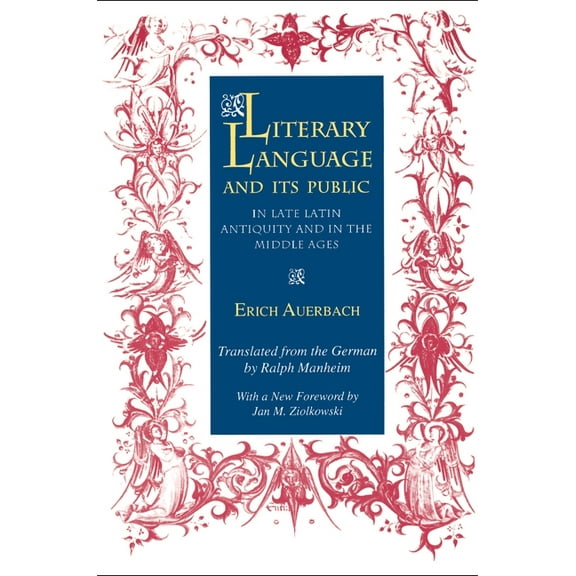 $6845current price $68.45
Bollingen Literary Language & Its Public in Late Latin Antiquity and in the Middle Ages, Book 131, (Paperback)
New Middle Ages Reading Memory and Identity in the Texts of Medieval European Holy Women, (Hardcover) $56.14
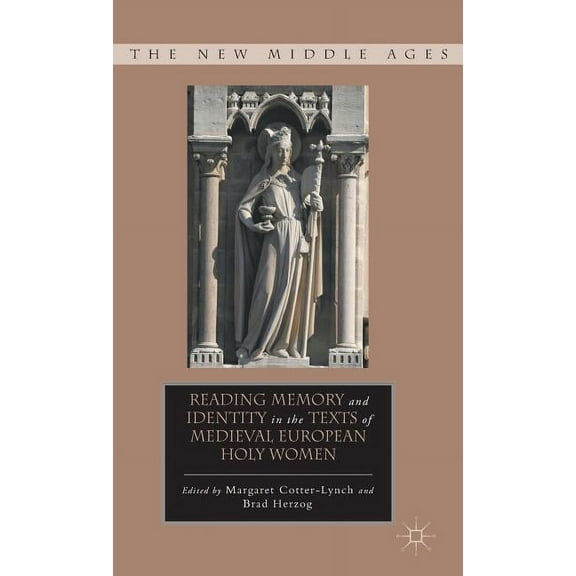 $5614current price $56.14
New Middle Ages Reading Memory and Identity in the Texts of Medieval European Holy Women, (Hardcover)

Customer ratings & reviews
0 ratings|0 reviews
This item does not have any reviews yet
