


Shattering : Food, Politics, and the Loss of Genetic Diversity (Paperback)
(No ratings yet)
Key item features
It was through control of the shattering of wild seeds that humans first domesticated plants. Now control over those very plants threatens to shatter the world's food supply, as loss of genetic diversity sets the stage for widespread hunger.
Large-scale agriculture has come to favor uniformity in food crops. More than 7,000 U.S. apple varieties once grew in American orchards; 6,000 of them are no longer available. Every broccoli variety offered through seed catalogs in 1900 has now disappeared. As the international genetics supply industry absorbs seed companies—with nearly one thousand takeovers since 1970—this trend toward uniformity seems likely to continue; and as third world agriculture is brought in line with international business interests, the gene pools of humanity's most basic foods are threatened.
The consequences are more than culinary. Without the genetic diversity from which farmers traditionally breed for resistance to diseases, crops are more susceptible to the spread of pestilence. Tragedies like the Irish Potato Famine may be thought of today as ancient history; yet the U.S. corn blight of 1970 shows that technologically based agribusiness is a breeding ground for disaster.
Shattering reviews the development of genetic diversity over 10,000 years of human agriculture, then exposes its loss in our lifetime at the hands of political and economic forces. The possibility of crisis is real; this book shows that it may not be too late to avert it.
Large-scale agriculture has come to favor uniformity in food crops. More than 7,000 U.S. apple varieties once grew in American orchards; 6,000 of them are no longer available. Every broccoli variety offered through seed catalogs in 1900 has now disappeared. As the international genetics supply industry absorbs seed companies—with nearly one thousand takeovers since 1970—this trend toward uniformity seems likely to continue; and as third world agriculture is brought in line with international business interests, the gene pools of humanity's most basic foods are threatened.
The consequences are more than culinary. Without the genetic diversity from which farmers traditionally breed for resistance to diseases, crops are more susceptible to the spread of pestilence. Tragedies like the Irish Potato Famine may be thought of today as ancient history; yet the U.S. corn blight of 1970 shows that technologically based agribusiness is a breeding ground for disaster.
Shattering reviews the development of genetic diversity over 10,000 years of human agriculture, then exposes its loss in our lifetime at the hands of political and economic forces. The possibility of crisis is real; this book shows that it may not be too late to avert it.
Specs
- Book formatPaperback
- Fiction/nonfictionNon-Fiction
- Publication dateJune, 1990
- Pages296
- Edition1
- Original languagesEnglish
Current price is USD$28.16
Price when purchased online
Out of stock
How do you want your item?
Out of stock
About this item
Product details
It was through control of the shattering of wild seeds that humans first domesticated plants. Now control over those very plants threatens to shatter the world's food supply, as loss of genetic diversity sets the stage for widespread hunger. Large-scale agriculture has come to favor uniformity in food crops. More than 7,000 U.S. apple varieties once grew in American orchards; 6,000 of them are no longer available. Every broccoli variety offered through seed catalogs in 1900 has now disappeared. As the international genetics supply industry absorbs seed companies--with nearly one thousand takeovers since 1970--this trend toward uniformity seems likely to continue; and as third world agriculture is brought in line with international business interests, the gene pools of humanity's most basic foods are threatened. The consequences are more than culinary. Without the genetic diversity from which farmers traditionally breed for resistance to diseases, crops are more susceptible to the spread of pestilence. Tragedies like the Irish Potato Famine may be thought of today as ancient history; yet the U.S. corn blight of 1970 shows that technologically based agribusiness is a breeding ground for disaster. Shattering reviews the development of genetic diversity over 10,000 years of human agriculture, then exposes its loss in our lifetime at the hands of political and economic forces. The possibility of crisis is real; this book shows that it may not be too late to avert it.
It was through control of the shattering of wild seeds that humans first domesticated plants. Now control over those very plants threatens to shatter the world's food supply, as loss of genetic diversity sets the stage for widespread hunger.
Large-scale agriculture has come to favor uniformity in food crops. More than 7,000 U.S. apple varieties once grew in American orchards; 6,000 of them are no longer available. Every broccoli variety offered through seed catalogs in 1900 has now disappeared. As the international genetics supply industry absorbs seed companies—with nearly one thousand takeovers since 1970—this trend toward uniformity seems likely to continue; and as third world agriculture is brought in line with international business interests, the gene pools of humanity's most basic foods are threatened.
The consequences are more than culinary. Without the genetic diversity from which farmers traditionally breed for resistance to diseases, crops are more susceptible to the spread of pestilence. Tragedies like the Irish Potato Famine may be thought of today as ancient history; yet the U.S. corn blight of 1970 shows that technologically based agribusiness is a breeding ground for disaster.
Shattering reviews the development of genetic diversity over 10,000 years of human agriculture, then exposes its loss in our lifetime at the hands of political and economic forces. The possibility of crisis is real; this book shows that it may not be too late to avert it.
Large-scale agriculture has come to favor uniformity in food crops. More than 7,000 U.S. apple varieties once grew in American orchards; 6,000 of them are no longer available. Every broccoli variety offered through seed catalogs in 1900 has now disappeared. As the international genetics supply industry absorbs seed companies—with nearly one thousand takeovers since 1970—this trend toward uniformity seems likely to continue; and as third world agriculture is brought in line with international business interests, the gene pools of humanity's most basic foods are threatened.
The consequences are more than culinary. Without the genetic diversity from which farmers traditionally breed for resistance to diseases, crops are more susceptible to the spread of pestilence. Tragedies like the Irish Potato Famine may be thought of today as ancient history; yet the U.S. corn blight of 1970 shows that technologically based agribusiness is a breeding ground for disaster.
Shattering reviews the development of genetic diversity over 10,000 years of human agriculture, then exposes its loss in our lifetime at the hands of political and economic forces. The possibility of crisis is real; this book shows that it may not be too late to avert it.
info:
We aim to show you accurate product information. Manufacturers, suppliers and others provide what you see here, and we have not verified it.
Specifications
Book format
Paperback
Fiction/nonfiction
Non-Fiction
Genre
Business & Economics/Industries - General, Science/Life Sciences - Ecology, Science/Environmental Science (see also Chemistry - Environmental)
Publication date
June, 1990
Warranty
Warranty information
Please be aware that the warranty terms on items offered for sale by third party Marketplace sellers may differ from those displayed in this section (if any). To confirm warranty terms on an item offered for sale by a third party Marketplace seller, please use the 'Contact seller' feature on the third party Marketplace seller's information page and request the item's warranty terms prior to purchase.
Similar items you might like
Based on what customers bought
Chasing the Red Queen: The Evolutionary Race Between Agricultural Pests and Poisons, (Paperback) $47.66
 $4766current price $47.66
Chasing the Red Queen: The Evolutionary Race Between Agricultural Pests and Poisons, (Paperback)
Teaching Diversity Relationally: Engaging Emotions and Embracing Possibilities, (Paperback) $49.57
 $4957current price $49.57
Teaching Diversity Relationally: Engaging Emotions and Embracing Possibilities, (Paperback)
Unnatural Selection: Technology, Politics, and Plant Evolution, (Paperback) $25.00
 $2500current price $25.00
Unnatural Selection: Technology, Politics, and Plant Evolution, (Paperback)
Diversity's Child: People of Color and the Politics of Identity, (Paperback) $32.23
 $3223current price $32.23
Diversity's Child: People of Color and the Politics of Identity, (Paperback)
Nonadaptive Selection: An Evolutionary Source of Ecological Laws, (Paperback) $34.97
 $3497current price $34.97
Nonadaptive Selection: An Evolutionary Source of Ecological Laws, (Paperback)
Lady Diversity Power: Why Diversity is the New Way to do Business, (Paperback) $21.66
 $2166current price $21.66
Lady Diversity Power: Why Diversity is the New Way to do Business, (Paperback)
Liberalism, Diversity and Domination, (Paperback) $45.00
 $4500current price $45.00
Liberalism, Diversity and Domination, (Paperback)
Critical Food Studies Geographies of Meat: Politics, Economy and Culture, (Paperback) $65.99
 $6599current price $65.99
Critical Food Studies Geographies of Meat: Politics, Economy and Culture, (Paperback)
Off the Fence: Morality, Politics and So The Other Enlightenment: Self-Estrangement, Race, and Gender, (Paperback) $38.58
 $3858current price $38.58
Off the Fence: Morality, Politics and So The Other Enlightenment: Self-Estrangement, Race, and Gender, (Paperback)
The Repoliticization of the Welfare State, (Paperback) $33.95
 $3395current price $33.95
The Repoliticization of the Welfare State, (Paperback)
Party Mobilization, Class, and Ethnicity: The Case of Hawaii, 1930 to 1964, (Paperback) $38.80
 $3880current price $38.80
Party Mobilization, Class, and Ethnicity: The Case of Hawaii, 1930 to 1964, (Paperback)
Growing Diversity: Genetic Resources and Local Food Security (Paperback) $29.83
 $2983current price $29.83
Growing Diversity: Genetic Resources and Local Food Security (Paperback)
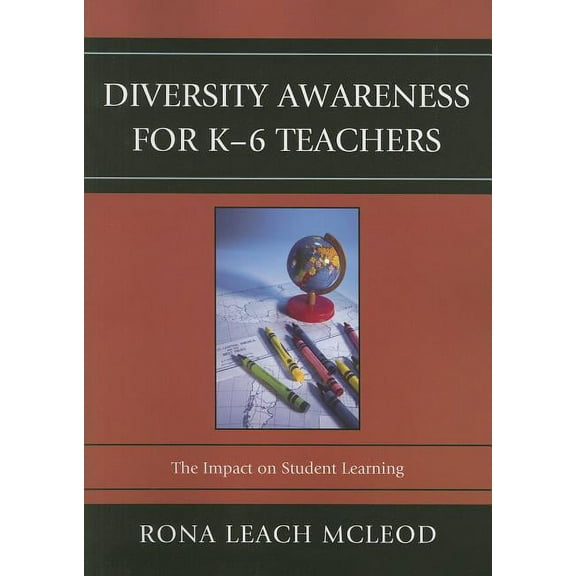
Diversity Awareness for K-6 Teachers: The Impact on Student Learning, (Paperback) $48.46
 $4846current price $48.46
Diversity Awareness for K-6 Teachers: The Impact on Student Learning, (Paperback)
Despotism, Social Evolution, and Differential Reproduction, (Paperback) $68.99
 $6899current price $68.99
Despotism, Social Evolution, and Differential Reproduction, (Paperback)
Black Mosaic: The Politics of Black Pan-Ethnic Diversity, (Paperback) $37.99
 $3799current price $37.99
Black Mosaic: The Politics of Black Pan-Ethnic Diversity, (Paperback)
The New Health Economy (Paperback) $32.19
 $3219current price $32.19
The New Health Economy (Paperback)
Deep Democracy: Community, Diversity, and Transformation, (Paperback) $57.21
 $5721current price $57.21
Deep Democracy: Community, Diversity, and Transformation, (Paperback)
A Guide to Eric Voegelin's Political Reality (Paperback) $26.32
 $2632current price $26.32
A Guide to Eric Voegelin's Political Reality (Paperback)
Palgrave Politics of Identity and Citize The Politics of Ethnic Diversity in the British Isles, (Paperback) $58.92
 $5892current price $58.92
Palgrave Politics of Identity and Citize The Politics of Ethnic Diversity in the British Isles, (Paperback)
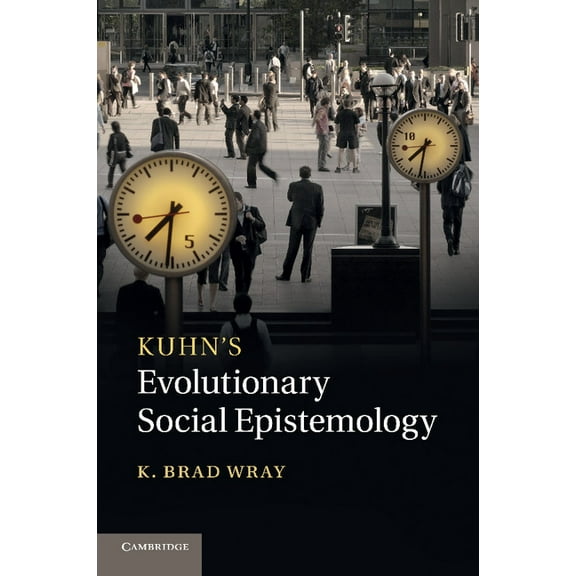
Kuhn's Evolutionary Social Epistemology, (Paperback) $53.00
 $5300current price $53.00
Kuhn's Evolutionary Social Epistemology, (Paperback)
Customer ratings & reviews
0 ratings|0 reviews
This item does not have any reviews yet
