


Chasing the Rising Sun : The Journey of an American Song (Paperback)
(No ratings yet)
Key item features
Chasing the Rising Sun is the story of an American musical journey told by a prize-winning writer who traced one song in its many incarnations as it was carried across the world by some of the most famous singers of the twentieth century.
Most people know the song "House of the Rising Sun" as 1960s rock by the British Invasion group the Animals, a ballad about a place in New Orleans -- a whorehouse or a prison or gambling joint that's been the ruin of many poor girls or boys. Bob Dylan did a version and Frijid Pink cut a hard-rocking rendition. But that barely scratches the surface; few songs have traveled a journey as intricate as "House of the Rising Sun."
The rise of the song in this country and the launch of its world travels can be traced to Georgia Turner, a poor, sixteen-year-old daughter of a miner living in Middlesboro, Kentucky, in 1937 when the young folk-music collector Alan Lomax, on a trip collecting field recordings, captured her voice singing "The Rising Sun Blues." Lomax deposited the song in the Library of Congress and included it in the 1941 book Our Singing Country. In short order, Woody Guthrie, Pete Seeger, Lead Belly, and Josh White learned the song and each recorded it. From there it began to move to the planet's farthest corners. Today, hundreds of artists have recorded "House of the Rising Sun," and it can be heard in the most diverse of places -- Chinese karaoke bars, Gatorade ads, and as a ring tone on cell phones.
Anthony began his search in New Orleans, where he met Eric Burdon of the Animals. He traveled to the Appalachians -- to eastern Kentucky, eastern Tennessee, and western North Carolina -- to scour the mountains for the song's beginnings. He found Homer Callahan, who learned it in the mountains during a corn shucking; he discovered connections to Clarence "Tom" Ashley, who traveled as a performer in a 1920s medicine show. He went to Daisy, Kentucky, to visit the family of the late high-lonesome singer Roscoe Holcomb, and finally back to Bourbon Street to see if there really was a House of the Rising Sun. He interviewed scores of singers who performed the song. Through his own journey he discovered how American traditions survived and prospered -- and how a piece of culture moves through the modern world, propelled by technology and globalization and recorded sound.
Most people know the song "House of the Rising Sun" as 1960s rock by the British Invasion group the Animals, a ballad about a place in New Orleans -- a whorehouse or a prison or gambling joint that's been the ruin of many poor girls or boys. Bob Dylan did a version and Frijid Pink cut a hard-rocking rendition. But that barely scratches the surface; few songs have traveled a journey as intricate as "House of the Rising Sun."
The rise of the song in this country and the launch of its world travels can be traced to Georgia Turner, a poor, sixteen-year-old daughter of a miner living in Middlesboro, Kentucky, in 1937 when the young folk-music collector Alan Lomax, on a trip collecting field recordings, captured her voice singing "The Rising Sun Blues." Lomax deposited the song in the Library of Congress and included it in the 1941 book Our Singing Country. In short order, Woody Guthrie, Pete Seeger, Lead Belly, and Josh White learned the song and each recorded it. From there it began to move to the planet's farthest corners. Today, hundreds of artists have recorded "House of the Rising Sun," and it can be heard in the most diverse of places -- Chinese karaoke bars, Gatorade ads, and as a ring tone on cell phones.
Anthony began his search in New Orleans, where he met Eric Burdon of the Animals. He traveled to the Appalachians -- to eastern Kentucky, eastern Tennessee, and western North Carolina -- to scour the mountains for the song's beginnings. He found Homer Callahan, who learned it in the mountains during a corn shucking; he discovered connections to Clarence "Tom" Ashley, who traveled as a performer in a 1920s medicine show. He went to Daisy, Kentucky, to visit the family of the late high-lonesome singer Roscoe Holcomb, and finally back to Bourbon Street to see if there really was a House of the Rising Sun. He interviewed scores of singers who performed the song. Through his own journey he discovered how American traditions survived and prospered -- and how a piece of culture moves through the modern world, propelled by technology and globalization and recorded sound.
Specs
- Book formatPaperback
- Fiction/nonfictionNon-Fiction
- Pub date2013-05-04
- Pages328
- Reading levelGeneral
- SubgenreSocial Science
Current price is USD$18.99
Price when purchased online
 Free 90-day returns
How do you want your item?
Try 30 days of Free Shipping with Walmart+! Choose plan at checkout.
Columbus, 43215
Arrives by Sat, Apr 25
Sold and shipped by Walmart.com

Free 90-day returns

This item is gift eligible
More seller options (3)
Starting from $18.99

Get free delivery, shipping and more*
*Restrictions apply Try Walmart+ now
About this item
Product details
Chasing the Rising Sun is the story of an American musical journey told by a prize-winning writer who traced one song in its many incarnations as it was carried across the world by some of the most famous singers of the twentieth century. Most people know the song "House of the Rising Sun" as 1960s rock by the British Invasion group the Animals, a ballad about a place in New Orleans -- a whorehouse or a prison or gambling joint that's been the ruin of many poor girls or boys. Bob Dylan did a version and Frijid Pink cut a hard-rocking rendition. But that barely scratches the surface; few songs have traveled a journey as intricate as "House of the Rising Sun." The rise of the song in this country and the launch of its world travels can be traced to Georgia Turner, a poor, sixteen-year-old daughter of a miner living in Middlesboro, Kentucky, in 1937 when the young folk-music collector Alan Lomax, on a trip collecting field recordings, captured her voice singing "The Rising Sun Blues." Lomax deposited the song in the Library of Congress and included it in the 1941 book Our Singing Country. In short order, Woody Guthrie, Pete Seeger, Lead Belly, and Josh White learned the song and each recorded it. From there it began to move to the planet's farthest corners. Today, hundreds of artists have recorded "House of the Rising Sun," and it can be heard in the most diverse of places -- Chinese karaoke bars, Gatorade ads, and as a ring tone on cell phones. Anthony began his search in New Orleans, where he met Eric Burdon of the Animals. He traveled to the Appalachians -- to eastern Kentucky, eastern Tennessee, and western North Carolina -- to scour the mountains for the song's beginnings. He found Homer Callahan, who learned it in the mountains during a corn shucking; he discovered connections to Clarence "Tom" Ashley, who traveled as a performer in a 1920s medicine show. He went to Daisy, Kentucky, to visit the family of the late high-lonesome singer Roscoe Holcomb, and finally back to Bourbon Street to see if there really was a House of the Rising Sun. He interviewed scores of singers who performed the song. Through his own journey he discovered how American traditions survived and prospered -- and how a piece of culture moves through the modern world, propelled by technology and globalization and recorded sound.
Chasing the Rising Sun is the story of an American musical journey told by a prize-winning writer who traced one song in its many incarnations as it was carried across the world by some of the most famous singers of the twentieth century.
Most people know the song "House of the Rising Sun" as 1960s rock by the British Invasion group the Animals, a ballad about a place in New Orleans -- a whorehouse or a prison or gambling joint that's been the ruin of many poor girls or boys. Bob Dylan did a version and Frijid Pink cut a hard-rocking rendition. But that barely scratches the surface; few songs have traveled a journey as intricate as "House of the Rising Sun."
The rise of the song in this country and the launch of its world travels can be traced to Georgia Turner, a poor, sixteen-year-old daughter of a miner living in Middlesboro, Kentucky, in 1937 when the young folk-music collector Alan Lomax, on a trip collecting field recordings, captured her voice singing "The Rising Sun Blues." Lomax deposited the song in the Library of Congress and included it in the 1941 book Our Singing Country. In short order, Woody Guthrie, Pete Seeger, Lead Belly, and Josh White learned the song and each recorded it. From there it began to move to the planet's farthest corners. Today, hundreds of artists have recorded "House of the Rising Sun," and it can be heard in the most diverse of places -- Chinese karaoke bars, Gatorade ads, and as a ring tone on cell phones.
Anthony began his search in New Orleans, where he met Eric Burdon of the Animals. He traveled to the Appalachians -- to eastern Kentucky, eastern Tennessee, and western North Carolina -- to scour the mountains for the song's beginnings. He found Homer Callahan, who learned it in the mountains during a corn shucking; he discovered connections to Clarence "Tom" Ashley, who traveled as a performer in a 1920s medicine show. He went to Daisy, Kentucky, to visit the family of the late high-lonesome singer Roscoe Holcomb, and finally back to Bourbon Street to see if there really was a House of the Rising Sun. He interviewed scores of singers who performed the song. Through his own journey he discovered how American traditions survived and prospered -- and how a piece of culture moves through the modern world, propelled by technology and globalization and recorded sound.
Most people know the song "House of the Rising Sun" as 1960s rock by the British Invasion group the Animals, a ballad about a place in New Orleans -- a whorehouse or a prison or gambling joint that's been the ruin of many poor girls or boys. Bob Dylan did a version and Frijid Pink cut a hard-rocking rendition. But that barely scratches the surface; few songs have traveled a journey as intricate as "House of the Rising Sun."
The rise of the song in this country and the launch of its world travels can be traced to Georgia Turner, a poor, sixteen-year-old daughter of a miner living in Middlesboro, Kentucky, in 1937 when the young folk-music collector Alan Lomax, on a trip collecting field recordings, captured her voice singing "The Rising Sun Blues." Lomax deposited the song in the Library of Congress and included it in the 1941 book Our Singing Country. In short order, Woody Guthrie, Pete Seeger, Lead Belly, and Josh White learned the song and each recorded it. From there it began to move to the planet's farthest corners. Today, hundreds of artists have recorded "House of the Rising Sun," and it can be heard in the most diverse of places -- Chinese karaoke bars, Gatorade ads, and as a ring tone on cell phones.
Anthony began his search in New Orleans, where he met Eric Burdon of the Animals. He traveled to the Appalachians -- to eastern Kentucky, eastern Tennessee, and western North Carolina -- to scour the mountains for the song's beginnings. He found Homer Callahan, who learned it in the mountains during a corn shucking; he discovered connections to Clarence "Tom" Ashley, who traveled as a performer in a 1920s medicine show. He went to Daisy, Kentucky, to visit the family of the late high-lonesome singer Roscoe Holcomb, and finally back to Bourbon Street to see if there really was a House of the Rising Sun. He interviewed scores of singers who performed the song. Through his own journey he discovered how American traditions survived and prospered -- and how a piece of culture moves through the modern world, propelled by technology and globalization and recorded sound.
info:
We aim to show you accurate product information. Manufacturers, suppliers and others provide what you see here, and we have not verified it.
Specifications
Book format
Paperback
Fiction/nonfiction
Non-Fiction
Genre
Art, Music, and Photography, Political & Social Sciences
Pub date
2013-05-04
Warranty
Warranty information
Please be aware that the warranty terms on items offered for sale by third party Marketplace sellers may differ from those displayed in this section (if any). To confirm warranty terms on an item offered for sale by a third party Marketplace seller, please use the 'Contact seller' feature on the third party Marketplace seller's information page and request the item's warranty terms prior to purchase.
Similar items you might like
Based on what customers bought
Voice in the American West The Hell-Bound Train: A Cowboy Songbook, Second Edition, (Paperback) $10.07
 $1007current price $10.07
Voice in the American West The Hell-Bound Train: A Cowboy Songbook, Second Edition, (Paperback)
Absolute Beginners Ukulele, (Paperback) $18.70
 $1870current price $18.70
Absolute Beginners Ukulele, (Paperback)
33 1/3: Can's Tago Mago (Paperback) $14.95
 $1495current price $14.95
33 1/3: Can's Tago Mago (Paperback)
24.5 out of 5 Stars. 2 reviewsOld American Songs: Horn and Piano (Paperback) $19.50
 $1950current price $19.50
Old American Songs: Horn and Piano (Paperback)
Pre-Owned 33 1/3: American Recordings (Paperback) $13.72
 $1372current price $13.72
Pre-Owned 33 1/3: American Recordings (Paperback)
Old American Songs Complete: Medium Voice (Original Keys), (Paperback) $17.31
 $1731current price $17.31
Old American Songs Complete: Medium Voice (Original Keys), (Paperback)
Mwalimu Wa Kwaya (Paperback) $13.32
 $1332current price $13.32
Mwalimu Wa Kwaya (Paperback)
Get America Singing...Again!, Vol. 1: P/V/G, (Paperback) $22.12
 $2212current price $22.12
Get America Singing...Again!, Vol. 1: P/V/G, (Paperback)
How to Play the Guitar (Paperback) $28.69
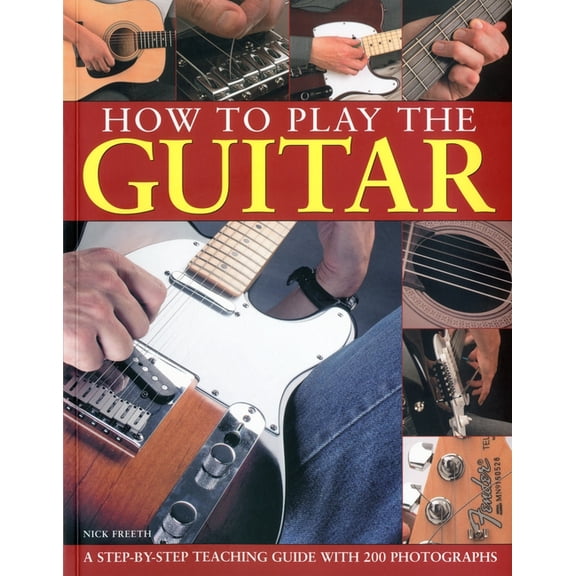 $2869current price $28.69
How to Play the Guitar (Paperback)
Adult Piano Adventures: All-In-One Lesson, Book 1, (Paperback) $19.99
 $1999current price $19.99
Adult Piano Adventures: All-In-One Lesson, Book 1, (Paperback)
144.6 out of 5 Stars. 14 reviewsJerry Lee Lewis: Lost and Found, (Paperback) $32.35
 $3235current price $32.35
Jerry Lee Lewis: Lost and Found, (Paperback)
Getting Into Jazz Mandolin, (Paperback) $19.99
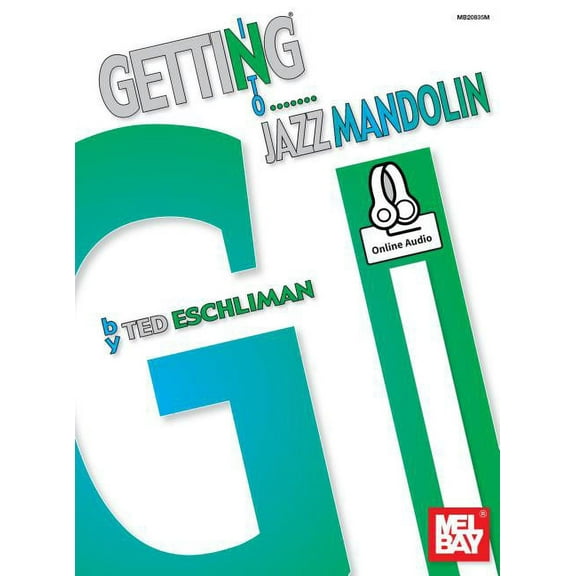 $1999current price $19.99
Getting Into Jazz Mandolin, (Paperback)
Songs from a Star Is Born, La La Land, the Greatest Showman, and More Movie Musicals, (Paperback) $19.29
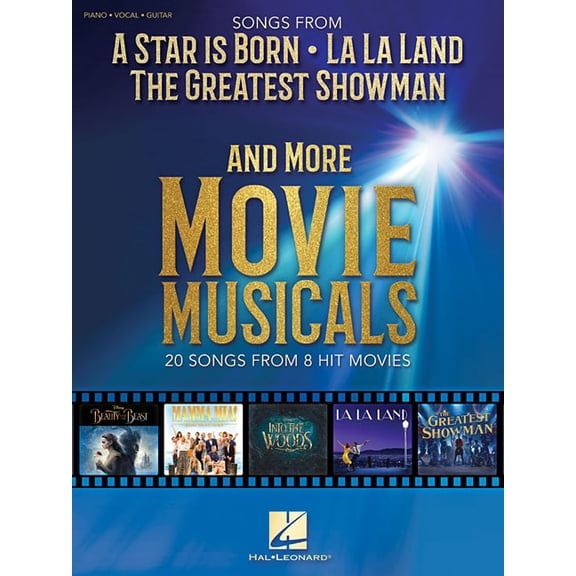 $1929current price $19.29
Songs from a Star Is Born, La La Land, the Greatest Showman, and More Movie Musicals, (Paperback)
Off the Books : A Jazz Life (Paperback) $20.00
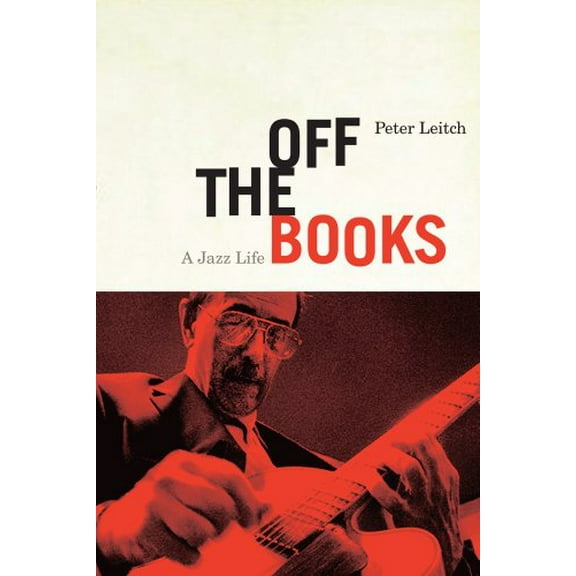 $2000current price $20.00
Off the Books : A Jazz Life (Paperback)



Customer ratings & reviews
0 ratings|0 reviews
This item does not have any reviews yet

Related pages
- Europe Highland Band International Music
- Haydn Thomas
- Professor Of Musicology John Richardson
- Sousa Marches
- Professor Of Music Robert Gillespie
- Music Conservatory Boston
- History & Criticism Music Books
- Woodwinds Printed Music Books
- Composers & Musicians Biographies & Memoirs
- Opera Music Books
- Folk & Traditional Music Books
- Christian Music Books