


Hero image 0 of American Politics and Political Economy Series: Parties and Leaders in the Postreform House (Paperback), 0 of 1
American Politics and Political Economy Series: Parties and Leaders in the Postreform House (Paperback)
(No ratings yet)
Key item features
Since the Second World War, congressional parties have been characterized as declining in strength and influence. Research has generally attributed this decline to policy conflicts within parties, to growing electoral independence of members, and to the impact of the congressional reforms of the 1970s. Yet the 1980s witnessed a strong resurgence of parties and party leadership—especially in the House of Representatives.
Offering a concise and compelling explanation of the causes of this resurgence, David W. Rohde argues that a realignment of electoral forces led to a reduction of sectional divisions within the parties—particularly between the northern and southern Democrats—and to increased divergence between the parties on many important issues. He challenges previous findings by asserting that congressional reform contributed to, rather than restrained, the increase of partisanship. Among the Democrats, reforms siphoned power away from conservative and autocratic committee chairs and put control of those committees in the hands of Democratic committee caucuses, strengthening party leaders and making both party and committee leaders responsible to rank-and-file Democrats. Electoral changes increased the homogeneity of House Democrats while institutional reforms reduced the influence of dissident members on a consensus in the majority party. Rohde's accessible analysis provides a detailed discussion of the goals of the congressional reformers, the increased consensus among Democrats and its reinforcement by their caucus, the Democratic leadership's use of expanded powers to shape the legislative agenda, and the responses of House Republicans. He also addresses the changes in the relationship between the House majority and the president during the Carter and Reagan administrations and analyzes the legislative consequences of the partisan resurgence.
A readable, systematic synthesis of the many complex factors that fueled the recent resurgence of partisanship, Parties and Leaders in the Postreform House is ideal for course use.
Offering a concise and compelling explanation of the causes of this resurgence, David W. Rohde argues that a realignment of electoral forces led to a reduction of sectional divisions within the parties—particularly between the northern and southern Democrats—and to increased divergence between the parties on many important issues. He challenges previous findings by asserting that congressional reform contributed to, rather than restrained, the increase of partisanship. Among the Democrats, reforms siphoned power away from conservative and autocratic committee chairs and put control of those committees in the hands of Democratic committee caucuses, strengthening party leaders and making both party and committee leaders responsible to rank-and-file Democrats. Electoral changes increased the homogeneity of House Democrats while institutional reforms reduced the influence of dissident members on a consensus in the majority party. Rohde's accessible analysis provides a detailed discussion of the goals of the congressional reformers, the increased consensus among Democrats and its reinforcement by their caucus, the Democratic leadership's use of expanded powers to shape the legislative agenda, and the responses of House Republicans. He also addresses the changes in the relationship between the House majority and the president during the Carter and Reagan administrations and analyzes the legislative consequences of the partisan resurgence.
A readable, systematic synthesis of the many complex factors that fueled the recent resurgence of partisanship, Parties and Leaders in the Postreform House is ideal for course use.
Specs
- Book formatPaperback
- Fiction/nonfictionNon-Fiction
- Pub date1991-08-13
- Pages239
- Reading levelPreschool
- SubgenreAmerican Politics, Political Economy
Current price is USD$43.27
Price when purchased online
- Free shipping
 Free 30-day returns
How do you want your item?
Columbus, 43215
Arrives by Wed, Apr 22
|
Sold and shipped by Alibris Books
4.565084084363096 stars out of 5, based on 10763 seller reviews(4.6)10763 seller reviews

Free 30-day returns
More seller options (2)
Starting from $37.76
About this item
Product details
Since the Second World War, congressional parties have been characterized as declining in strength and influence. Research has generally attributed this decline to policy conflicts within parties, to growing electoral independence of members, and to the impact of the congressional reforms of the 1970s. Yet the 1980s witnessed a strong resurgence of parties and party leadership--especially in the House of Representatives. Offering a concise and compelling explanation of the causes of this resurgence, David W. Rohde argues that a realignment of electoral forces led to a reduction of sectional divisions within the parties--particularly between the northern and southern Democrats--and to increased divergence between the parties on many important issues. He challenges previous findings by asserting that congressional reform contributed to, rather than restrained, the increase of partisanship. Among the Democrats, reforms siphoned power away from conservative and autocratic committee chairs and put control of those committees in the hands of Democratic committee caucuses, strengthening party leaders and making both party and committee leaders responsible to rank-and-file Democrats. Electoral changes increased the homogeneity of House Democrats while institutional reforms reduced the influence of dissident members on a consensus in the majority party. Rohde's accessible analysis provides a detailed discussion of the goals of the congressional reformers, the increased consensus among Democrats and its reinforcement by their caucus, the Democratic leadership's use of expanded powers to shape the legislative agenda, and the responses of House Republicans. He also addresses the changes in the relationship between the House majority and the president during the Carter and Reagan administrations and analyzes the legislative consequences of the partisan resurgence. A readable, systematic synthesis of the many complex factors that fueled the recent resurgence of partisanship, Parties and Leaders in the Postreform House is ideal for course use.
Since the Second World War, congressional parties have been characterized as declining in strength and influence. Research has generally attributed this decline to policy conflicts within parties, to growing electoral independence of members, and to the impact of the congressional reforms of the 1970s. Yet the 1980s witnessed a strong resurgence of parties and party leadership—especially in the House of Representatives.
Offering a concise and compelling explanation of the causes of this resurgence, David W. Rohde argues that a realignment of electoral forces led to a reduction of sectional divisions within the parties—particularly between the northern and southern Democrats—and to increased divergence between the parties on many important issues. He challenges previous findings by asserting that congressional reform contributed to, rather than restrained, the increase of partisanship. Among the Democrats, reforms siphoned power away from conservative and autocratic committee chairs and put control of those committees in the hands of Democratic committee caucuses, strengthening party leaders and making both party and committee leaders responsible to rank-and-file Democrats. Electoral changes increased the homogeneity of House Democrats while institutional reforms reduced the influence of dissident members on a consensus in the majority party. Rohde's accessible analysis provides a detailed discussion of the goals of the congressional reformers, the increased consensus among Democrats and its reinforcement by their caucus, the Democratic leadership's use of expanded powers to shape the legislative agenda, and the responses of House Republicans. He also addresses the changes in the relationship between the House majority and the president during the Carter and Reagan administrations and analyzes the legislative consequences of the partisan resurgence.
A readable, systematic synthesis of the many complex factors that fueled the recent resurgence of partisanship, Parties and Leaders in the Postreform House is ideal for course use.
Offering a concise and compelling explanation of the causes of this resurgence, David W. Rohde argues that a realignment of electoral forces led to a reduction of sectional divisions within the parties—particularly between the northern and southern Democrats—and to increased divergence between the parties on many important issues. He challenges previous findings by asserting that congressional reform contributed to, rather than restrained, the increase of partisanship. Among the Democrats, reforms siphoned power away from conservative and autocratic committee chairs and put control of those committees in the hands of Democratic committee caucuses, strengthening party leaders and making both party and committee leaders responsible to rank-and-file Democrats. Electoral changes increased the homogeneity of House Democrats while institutional reforms reduced the influence of dissident members on a consensus in the majority party. Rohde's accessible analysis provides a detailed discussion of the goals of the congressional reformers, the increased consensus among Democrats and its reinforcement by their caucus, the Democratic leadership's use of expanded powers to shape the legislative agenda, and the responses of House Republicans. He also addresses the changes in the relationship between the House majority and the president during the Carter and Reagan administrations and analyzes the legislative consequences of the partisan resurgence.
A readable, systematic synthesis of the many complex factors that fueled the recent resurgence of partisanship, Parties and Leaders in the Postreform House is ideal for course use.
info:
We aim to show you accurate product information. Manufacturers, suppliers and others provide what you see here, and we have not verified it.
Specifications
Book format
Paperback
Fiction/nonfiction
Non-Fiction
Genre
Political & Social Sciences
Pub date
1991-08-13
Warranty
Warranty information
Please be aware that the warranty terms on items offered for sale by third party Marketplace sellers may differ from those displayed in this section (if any). To confirm warranty terms on an item offered for sale by a third party Marketplace seller, please use the 'Contact seller' feature on the third party Marketplace seller's information page and request the item's warranty terms prior to purchase.
Warnings
State Chemical Disclosure
None
Similar items you might like
Based on what customers bought
FDR: A New Political Life, (Paperback) $21.50 Was $25.27
 $2150current price $21.50, Was $25.27$25.27
FDR: A New Political Life, (Paperback)
The First Eight: A Personal History of the Pioneering Black Congressmen Who Shaped a Nation, (Hardcover) $22.10
 $2210current price $22.10
The First Eight: A Personal History of the Pioneering Black Congressmen Who Shaped a Nation, (Hardcover)
25 out of 5 Stars. 2 reviewsA New Political Economy (Paperback) $24.95
 $2495current price $24.95
A New Political Economy (Paperback)
Under Siege: My Family's Fight to Save Our Nation (Hardcover) $17.80
 $1780current price $17.80
Under Siege: My Family's Fight to Save Our Nation (Hardcover)
804.7 out of 5 Stars. 80 reviewsHarmonies of Political Economy (Paperback) $27.95
 $2795current price $27.95
Harmonies of Political Economy (Paperback)
Against Management: History, Politics, Rhetoric, (Paperback) $31.24
 $3124current price $31.24
Against Management: History, Politics, Rhetoric, (Paperback)
The Elements of Psychology; A Text-Book (Paperback) $25.95
 $2595current price $25.95
The Elements of Psychology; A Text-Book (Paperback)
The Road to Freedom: Economics and the Good Society, (Paperback) $19.99
 $1999current price $19.99
The Road to Freedom: Economics and the Good Society, (Paperback)
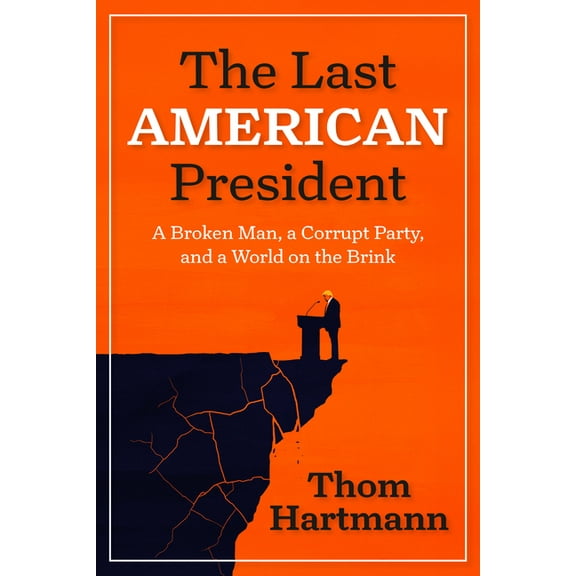
The Last American President: A Broken Man, a Corrupt Party, and a World on the Brink, (Paperback) $20.99
 $2099current price $20.99
The Last American President: A Broken Man, a Corrupt Party, and a World on the Brink, (Paperback)
11 out of 5 Stars. 1 reviewsEtiology of Professes: Societal Education Leadership, (Paperback) $25.99
 $2599current price $25.99
Etiology of Professes: Societal Education Leadership, (Paperback)
First Dynasty Mindset, Unleashing the Light Within the Power of Thought, (Paperback) $18.15
 $1815current price $18.15
First Dynasty Mindset, Unleashing the Light Within the Power of Thought, (Paperback)
America's Communal Utopias, (Paperback) $60.85
 $6085current price $60.85
America's Communal Utopias, (Paperback)
Two Papers On The Beliefs Of The Malagasy People (Folklore History Series) (Paperback) $27.67
 $2767current price $27.67
Two Papers On The Beliefs Of The Malagasy People (Folklore History Series) (Paperback)
111 Places 111 Places in Washington, DC That You Must Not Miss, (Paperback) $19.16 Was $23.95
 $1916current price $19.16, Was $23.95$23.95
111 Places 111 Places in Washington, DC That You Must Not Miss, (Paperback)
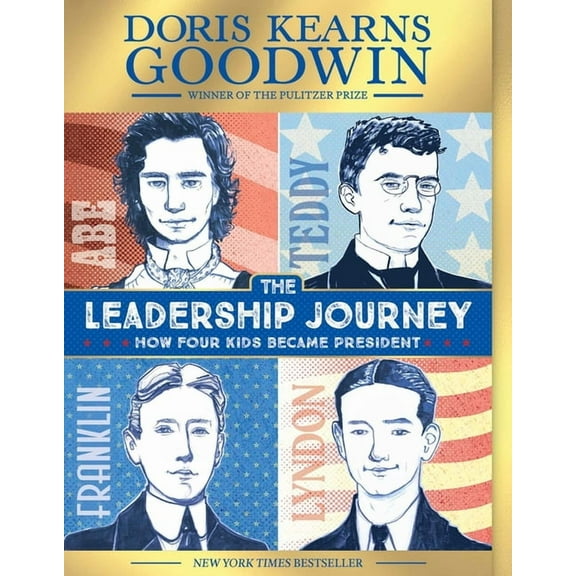
The Leadership Journey: How Four Kids Became President, (Paperback) $9.90 Was $11.10
 $990current price $9.90, Was $11.10$11.10
The Leadership Journey: How Four Kids Became President, (Paperback)
Pre-Owned Politics : Ideas in Profile (Paperback) 9781781252574 $7.92 Was $13.87
 2 optionsAvailable in additional 2 options$792current price $7.92, Was $13.87$13.87
Pre-Owned Politics : Ideas in Profile (Paperback) 9781781252574
People Are King: The Making of an Indigenous Andean Politics, (Paperback) $34.51
 $3451current price $34.51
People Are King: The Making of an Indigenous Andean Politics, (Paperback)
Pre-Owned The Indonesia Reader: History, Culture, Politics (The World Readers) Paperback $28.04
 $2804current price $28.04
Pre-Owned The Indonesia Reader: History, Culture, Politics (The World Readers) Paperback
Principles of Political Economy - Volume 1 (Paperback) $21.66
 $2166current price $21.66
Principles of Political Economy - Volume 1 (Paperback)
Political Communication: An Introduction for Crisis Times, (Paperback) $26.92
 $2692current price $26.92
Political Communication: An Introduction for Crisis Times, (Paperback)
Customer ratings & reviews
0 ratings|0 reviews
This item does not have any reviews yet

Related pages
- Dewey Short
- Early American Life
- Famous Speech
- Early American Life Magazine
- N John Graham High School (warrenton
- Smart Citizens
- Emigration & Immigration Books
- Politics & Government Kids' Books
- Politics & Government Kids' Books
- General Coming of Age Kids' Books
- Developing & Emerging Countries Books
- Geopolitics Books