

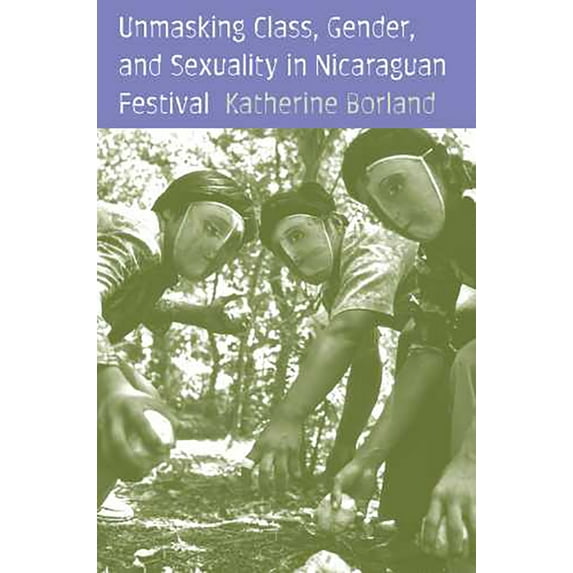
Unmasking Class, Gender, and Sexuality in Nicaraguan Festival (Hardcover)
(No ratings yet)
Key item features
Masaya, a provincial capital of Nicaragua, cultivates an aggressively traditional identity that contrasts with Managua’s urban modernity. In 2001 the city was officially designated Capital of Nicaraguan Folklore, yet residents have engaged in a vibrant folk revival since at least the 1960s. This book documents the creative innovations of Masaya’s performing artists.
The first extended study in English of Nicaraguan festival arts, Unmasking Class, Gender, and Sexuality in Nicaraguan Festival is an ethnographically and historically grounded inquiry into three festival enactments during the Somoza, Sandinista, and Neoliberal periods: the carnivalesque torovenado masquerades, the transvestite Negras marimba dances, and the wagon pilgrimage to Popoyuapa. Through a series of interlinked essays, Katherine Borland shows that these enactments constitute a people’s theater, articulating a range of perspectives on the homegrown and the global; on class, race, and ethnicity; on gender and sexuality; and on religious sensibilities.
Borland’s book is a case study of how the oppositional power of popular culture resides in the process of cultural negotiation itself as communities deploy cherished traditions to assert their difference from the nation and the world. It addresses both the gendered dimensions of a particular festival masquerade and the ways in which sexuality is managed in traditional festival transvestism. It demonstrates how performativity and theatricality interact to negotiate certain crucial realities in a festival complex. By showing how one locale negotiates, incorporates, and resists globally circulating ideas, identities, and material objects, it makes a major contribution to studies of ritual and festival in Latin America.
The first extended study in English of Nicaraguan festival arts, Unmasking Class, Gender, and Sexuality in Nicaraguan Festival is an ethnographically and historically grounded inquiry into three festival enactments during the Somoza, Sandinista, and Neoliberal periods: the carnivalesque torovenado masquerades, the transvestite Negras marimba dances, and the wagon pilgrimage to Popoyuapa. Through a series of interlinked essays, Katherine Borland shows that these enactments constitute a people’s theater, articulating a range of perspectives on the homegrown and the global; on class, race, and ethnicity; on gender and sexuality; and on religious sensibilities.
Borland’s book is a case study of how the oppositional power of popular culture resides in the process of cultural negotiation itself as communities deploy cherished traditions to assert their difference from the nation and the world. It addresses both the gendered dimensions of a particular festival masquerade and the ways in which sexuality is managed in traditional festival transvestism. It demonstrates how performativity and theatricality interact to negotiate certain crucial realities in a festival complex. By showing how one locale negotiates, incorporates, and resists globally circulating ideas, identities, and material objects, it makes a major contribution to studies of ritual and festival in Latin America.
Specs
- Book formatHardcover
- Fiction/nonfictionNon-Fiction
- GenreHistory
- Publication dateMay, 2006
- Pages248
- Edition1
Current price is USD$60.09
Price when purchased online
Out of stock
How do you want your item?
Out of stock
About this item
Product details
Masaya, a provincial capital of Nicaragua, cultivates an aggressively traditional identity that contrasts with Managua's urban modernity. In 2001 the city was officially designated Capital of Nicaraguan Folklore, yet residents have engaged in a vibrant folk revival since at least the 1960s. This book documents the creative innovations of Masaya's performing artists. The first extended study in English of Nicaraguan festival arts, Unmasking Class, Gender, and Sexuality in Nicaraguan Festival is an ethnographically and historically grounded inquiry into three festival enactments during the Somoza, Sandinista, and Neoliberal periods: the carnivalesque torovenado masquerades, the transvestite Negras marimba dances, and the wagon pilgrimage to Popoyuapa. Through a series of interlinked essays, Katherine Borland shows that these enactments constitute a people's theater, articulating a range of perspectives on the homegrown and the global; on class, race, and ethnicity; on gender and sexuality; and on religious sensibilities. Borland's book is a case study of how the oppositional power of popular culture resides in the process of cultural negotiation itself as communities deploy cherished traditions to assert their difference from the nation and the world. It addresses both the gendered dimensions of a particular festival masquerade and the ways in which sexuality is managed in traditional festival transvestism. It demonstrates how performativity and theatricality interact to negotiate certain crucial realities in a festival complex. By showing how one locale negotiates, incorporates, and resists globally circulating ideas, identities, and material objects, it makes a major contribution to studies of ritual and festival in Latin America.
Masaya, a provincial capital of Nicaragua, cultivates an aggressively traditional identity that contrasts with Managua’s urban modernity. In 2001 the city was officially designated Capital of Nicaraguan Folklore, yet residents have engaged in a vibrant folk revival since at least the 1960s. This book documents the creative innovations of Masaya’s performing artists.
The first extended study in English of Nicaraguan festival arts, Unmasking Class, Gender, and Sexuality in Nicaraguan Festival is an ethnographically and historically grounded inquiry into three festival enactments during the Somoza, Sandinista, and Neoliberal periods: the carnivalesque torovenado masquerades, the transvestite Negras marimba dances, and the wagon pilgrimage to Popoyuapa. Through a series of interlinked essays, Katherine Borland shows that these enactments constitute a people’s theater, articulating a range of perspectives on the homegrown and the global; on class, race, and ethnicity; on gender and sexuality; and on religious sensibilities.
Borland’s book is a case study of how the oppositional power of popular culture resides in the process of cultural negotiation itself as communities deploy cherished traditions to assert their difference from the nation and the world. It addresses both the gendered dimensions of a particular festival masquerade and the ways in which sexuality is managed in traditional festival transvestism. It demonstrates how performativity and theatricality interact to negotiate certain crucial realities in a festival complex. By showing how one locale negotiates, incorporates, and resists globally circulating ideas, identities, and material objects, it makes a major contribution to studies of ritual and festival in Latin America.
The first extended study in English of Nicaraguan festival arts, Unmasking Class, Gender, and Sexuality in Nicaraguan Festival is an ethnographically and historically grounded inquiry into three festival enactments during the Somoza, Sandinista, and Neoliberal periods: the carnivalesque torovenado masquerades, the transvestite Negras marimba dances, and the wagon pilgrimage to Popoyuapa. Through a series of interlinked essays, Katherine Borland shows that these enactments constitute a people’s theater, articulating a range of perspectives on the homegrown and the global; on class, race, and ethnicity; on gender and sexuality; and on religious sensibilities.
Borland’s book is a case study of how the oppositional power of popular culture resides in the process of cultural negotiation itself as communities deploy cherished traditions to assert their difference from the nation and the world. It addresses both the gendered dimensions of a particular festival masquerade and the ways in which sexuality is managed in traditional festival transvestism. It demonstrates how performativity and theatricality interact to negotiate certain crucial realities in a festival complex. By showing how one locale negotiates, incorporates, and resists globally circulating ideas, identities, and material objects, it makes a major contribution to studies of ritual and festival in Latin America.
info:
We aim to show you accurate product information. Manufacturers, suppliers and others provide what you see here, and we have not verified it.
Specifications
Book format
Hardcover
Fiction/nonfiction
Non-Fiction
Genre
History
Publication date
May, 2006
Warranty
Warranty information
Please be aware that the warranty terms on items offered for sale by third party Marketplace sellers may differ from those displayed in this section (if any). To confirm warranty terms on an item offered for sale by a third party Marketplace seller, please use the 'Contact seller' feature on the third party Marketplace seller's information page and request the item's warranty terms prior to purchase.
Customer ratings & reviews
0 ratings|0 reviews
This item does not have any reviews yet

Related pages
- Costa Rican Culture
- Peruana
- San Republica Dominicana
- Philippine Grocery
- Los Dominicanos
- Puerto Rican Plants
- Mexico History Books
- Hispanic & Latino United States Teen & Young Adult Books
- Mexico Travel Books, Maps & Guides
- Literary Collections - Caribbean & Latin American
- Hispanic American Poetry Books
- Mexico People & Places Teen & Young Adult Books