

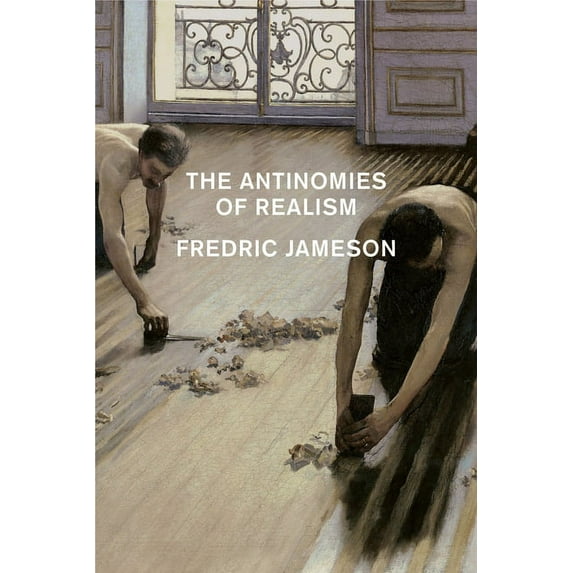
Hero image 0 of The Antinomies Of Realism (Hardcover), 0 of 1
The Antinomies Of Realism (Hardcover)
(No ratings yet)
Key item features
The Antinomies of Realism is a history ofthe nineteenth-century realist novel and its legacy told without a glimmer of nostalgia for artistic achievements that the movement of history makes it impossible to recreate. The works of Zola, Tolstoy, Pérez Galdós, and George Eliot are in the most profound sense inimitable, yet continue to dominate the novel form to this day. Novels to emerge since struggle to reconcile the social conditions of their own creation with the history of this mode of writing: the so-called modernist novel is one attempted solution to this conflict, as is the ever-more impoverished variety of commercial narratives – what today’s book reviewers dub “serious novels,” which are an attempt at the impossible endeavor to roll back the past.
Fredric Jameson examines the most influential theories of artistic and literary realism, approaching the subject himself in terms of the social and historical preconditions for realism’s emergence. The realist novel combined an attention to the body and its states of feeling with a focus on the quest for individual realization within the confines of history.
In contemporary writing, other forms of representation – for which the term “postmodern” is too glib – have become visible: for example, in the historical fiction of Hilary Mantel or the stylistic plurality of David Mitchell’s novels. Contemporary fiction is shown to be conducting startling experiments in the representation of new realities of a global social totality, modern technological warfare, and historical developments that, although they saturate every corner of our lives, only become apparent on rare occasions and by way of the strangest formal and artistic devices.
In a coda, Jameson explains how “realistic” narratives survived the end of classical realism. In effect, he provides an argument for the serious study of popular fiction and mass culture that transcends lazy journalism and the easy platitudes of recent cultural studies.
Fredric Jameson examines the most influential theories of artistic and literary realism, approaching the subject himself in terms of the social and historical preconditions for realism’s emergence. The realist novel combined an attention to the body and its states of feeling with a focus on the quest for individual realization within the confines of history.
In contemporary writing, other forms of representation – for which the term “postmodern” is too glib – have become visible: for example, in the historical fiction of Hilary Mantel or the stylistic plurality of David Mitchell’s novels. Contemporary fiction is shown to be conducting startling experiments in the representation of new realities of a global social totality, modern technological warfare, and historical developments that, although they saturate every corner of our lives, only become apparent on rare occasions and by way of the strangest formal and artistic devices.
In a coda, Jameson explains how “realistic” narratives survived the end of classical realism. In effect, he provides an argument for the serious study of popular fiction and mass culture that transcends lazy journalism and the easy platitudes of recent cultural studies.
Specs
- Book formatHardcover
- Fiction/nonfictionNon-Fiction
- GenreHistory
- Publication dateOctober, 2013
- Pages432
- EditionIllustrated edition
Current price is USD$32.13
Price when purchased online
Out of stock
How do you want your item?
Out of stock
About this item
Product details
The Antinomies of Realism is a history ofthe nineteenth-century realist novel and its legacy told without a glimmer of nostalgia for artistic achievements that the movement of history makes it impossible to recreate. The works of Zola, Tolstoy, Pérez Galdós, and George Eliot are in the most profound sense inimitable, yet continue to dominate the novel form to this day. Novels to emerge since struggle to reconcile the social conditions of their own creation with the history of this mode of writing: the so-called modernist novel is one attempted solution to this conflict, as is the ever-more impoverished variety of commercial narratives - what today's book reviewers dub "serious novels," which are an attempt at the impossible endeavor to roll back the past. Fredric Jameson examines the most influential theories of artistic and literary realism, approaching the subject himself in terms of the social and historical preconditions for realism's emergence. The realist novel combined an attention to the body and its states of feeling with a focus on the quest for individual realization within the confines of history. In contemporary writing, other forms of representation - for which the term "postmodern" is too glib - have become visible: for example, in the historical fiction of Hilary Mantel or the stylistic plurality of David Mitchell's novels. Contemporary fiction is shown to be conducting startling experiments in the representation of new realities of a global social totality, modern technological warfare, and historical developments that, although they saturate every corner of our lives, only become apparent on rare occasions and by way of the strangest formal and artistic devices. In a coda, Jameson explains how "realistic" narratives survived the end of classical realism. In effect, he provides an argument for the serious study of popular fiction and mass culture that transcends lazy journalism and the easy platitudes of recent cultural studies.
The Antinomies of Realism is a history ofthe nineteenth-century realist novel and its legacy told without a glimmer of nostalgia for artistic achievements that the movement of history makes it impossible to recreate. The works of Zola, Tolstoy, Pérez Galdós, and George Eliot are in the most profound sense inimitable, yet continue to dominate the novel form to this day. Novels to emerge since struggle to reconcile the social conditions of their own creation with the history of this mode of writing: the so-called modernist novel is one attempted solution to this conflict, as is the ever-more impoverished variety of commercial narratives – what today’s book reviewers dub “serious novels,” which are an attempt at the impossible endeavor to roll back the past.
Fredric Jameson examines the most influential theories of artistic and literary realism, approaching the subject himself in terms of the social and historical preconditions for realism’s emergence. The realist novel combined an attention to the body and its states of feeling with a focus on the quest for individual realization within the confines of history.
In contemporary writing, other forms of representation – for which the term “postmodern” is too glib – have become visible: for example, in the historical fiction of Hilary Mantel or the stylistic plurality of David Mitchell’s novels. Contemporary fiction is shown to be conducting startling experiments in the representation of new realities of a global social totality, modern technological warfare, and historical developments that, although they saturate every corner of our lives, only become apparent on rare occasions and by way of the strangest formal and artistic devices.
In a coda, Jameson explains how “realistic” narratives survived the end of classical realism. In effect, he provides an argument for the serious study of popular fiction and mass culture that transcends lazy journalism and the easy platitudes of recent cultural studies.
Fredric Jameson examines the most influential theories of artistic and literary realism, approaching the subject himself in terms of the social and historical preconditions for realism’s emergence. The realist novel combined an attention to the body and its states of feeling with a focus on the quest for individual realization within the confines of history.
In contemporary writing, other forms of representation – for which the term “postmodern” is too glib – have become visible: for example, in the historical fiction of Hilary Mantel or the stylistic plurality of David Mitchell’s novels. Contemporary fiction is shown to be conducting startling experiments in the representation of new realities of a global social totality, modern technological warfare, and historical developments that, although they saturate every corner of our lives, only become apparent on rare occasions and by way of the strangest formal and artistic devices.
In a coda, Jameson explains how “realistic” narratives survived the end of classical realism. In effect, he provides an argument for the serious study of popular fiction and mass culture that transcends lazy journalism and the easy platitudes of recent cultural studies.
info:
We aim to show you accurate product information. Manufacturers, suppliers and others provide what you see here, and we have not verified it.
Specifications
Book format
Hardcover
Fiction/nonfiction
Non-Fiction
Genre
History
Publication date
October, 2013
Warranty
Warranty information
Please be aware that the warranty terms on items offered for sale by third party Marketplace sellers may differ from those displayed in this section (if any). To confirm warranty terms on an item offered for sale by a third party Marketplace seller, please use the 'Contact seller' feature on the third party Marketplace seller's information page and request the item's warranty terms prior to purchase.
Similar items you might like
Based on what customers bought
Tiresias (Hardcover) $31.95
 $3195current price $31.95
Tiresias (Hardcover)
On Morrison, (Hardcover) $20.46
 $2046current price $20.46
On Morrison, (Hardcover)
Best seller The Widow: A Novel (Hardcover) $22.38
Best seller $2238current price $22.38
The Widow: A Novel (Hardcover)
3174.7 out of 5 Stars. 317 reviewsBest seller Alchemised (Hardcover) $24.48
Best seller $2448current price $24.48
Alchemised (Hardcover)
1454.6 out of 5 Stars. 145 reviewsAlhaisolauluja, (Hardcover) $31.95
 $3195current price $31.95
Alhaisolauluja, (Hardcover)
Best seller The Book of Bill Limited Collector's Edition (Hardcover) $22.01
Best seller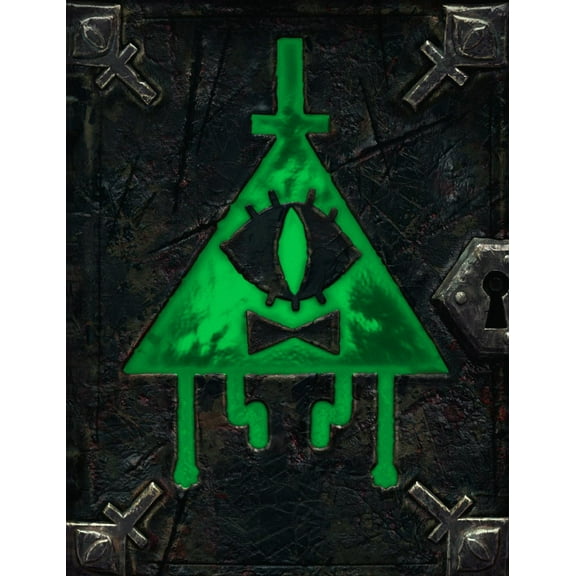 $2201current price $22.01
The Book of Bill Limited Collector's Edition (Hardcover)
794.5 out of 5 Stars. 79 reviewsVathek, (Hardcover) $32.00
 $3200current price $32.00
Vathek, (Hardcover)
The Stargazer Society, (Hardcover) $30.00
 $3000current price $30.00
The Stargazer Society, (Hardcover)
Mykola Dzheria (Hardcover) $30.95
 $3095current price $30.95
Mykola Dzheria (Hardcover)
The Art of the Hittites, (Hardcover) $34.95
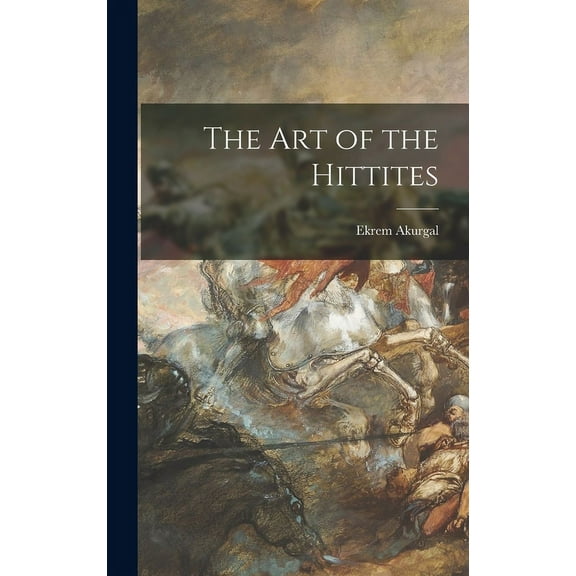 $3495current price $34.95
The Art of the Hittites, (Hardcover)
The Kybalion: A Study of The Hermetic Philosophy of Ancient Egypt and Greece, (Hardcover) $30.95
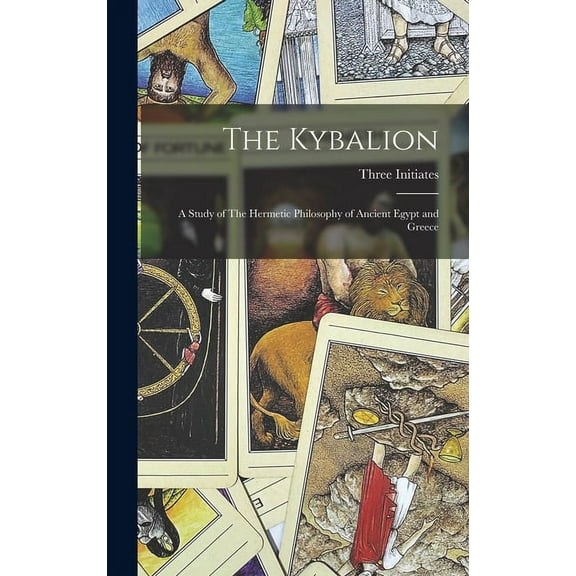 $3095current price $30.95
The Kybalion: A Study of The Hermetic Philosophy of Ancient Egypt and Greece, (Hardcover)
Shamiso, (Hardcover) $22.00 Was $25.00
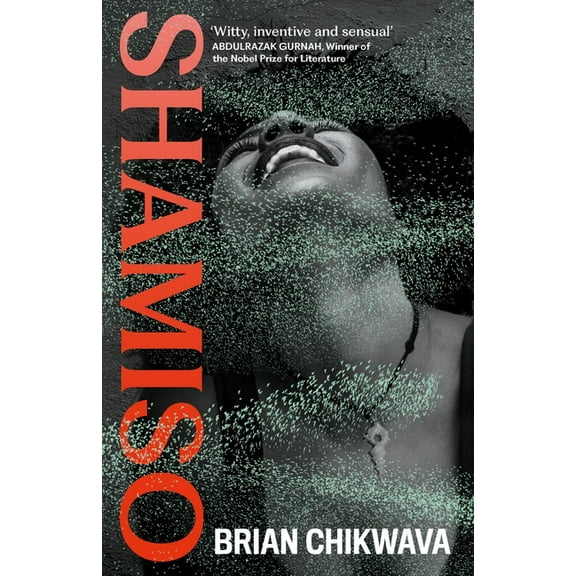 $2200current price $22.00, Was $25.00$25.00
Shamiso, (Hardcover)
Liliom, (Hardcover) $30.95
 $3095current price $30.95
Liliom, (Hardcover)
Слепой музыкант, (Hardcover) $38.38
 $3838current price $38.38
Слепой музыкант, (Hardcover)
La malquerida (Hardcover) $29.95
 $2995current price $29.95
La malquerida (Hardcover)
Ricciardetto (Hardcover) $33.95
 $3395current price $33.95
Ricciardetto (Hardcover)
Caravaggio: 1571-1610, (Hardcover) $33.20
 $3320current price $33.20
Caravaggio: 1571-1610, (Hardcover)
Yiewsley, (Hardcover) $17.95
 $1795current price $17.95
Yiewsley, (Hardcover)
Picaroon (Hardcover) $23.73 Was $29.71
 $2373current price $23.73, Was $29.71$29.71
Picaroon (Hardcover)
Idyllen (Hardcover) $32.72
 $3272current price $32.72
Idyllen (Hardcover)
Customer ratings & reviews
0 ratings|0 reviews
This item does not have any reviews yet

Related pages
- Wolfgang Vogt
- John Idoko
- Wolfgang Ossadnik
- Peace 107
- Samuel Hall Chair In Philosophy Peter Goldie
- Thought Sieze
- Rationalism Philosophy Movement Books
- Jewish Literary Criticism Books
- Idealism Philosophy Movement Books
- Pragmatism Philosophy Movement Books
- Utilitarianism Philosophy Movement Books
- Deconstruction Philosophy Movement Books