


Hero image 0 of He Thinks He's Down : White Appropriations of Black Masculinities in the Civil Rights Era (Hardcover), 0 of 1
He Thinks He's Down : White Appropriations of Black Masculinities in the Civil Rights Era (Hardcover)
(No ratings yet)
Key item features
The end of World War II saw a “crisis of white masculinity” brought on by social, political, and economic change. In He Thinks He’s Down, Katharine Bausch explores the specific phenomenon of white men appropriating what they perceived as more powerful black masculinities. It reveals the intricate relationships between racialized gender identities, cultural appropriation, and popular culture during the Civil Rights Era.
Drawing on case studies from three genres--literature, fashion, and film--Bausch untangles the ways in which white male artists took on imagined black masculinities in their work to negotiate what it meant to be a man in America. While Norman Mailer’s and Jack Kerouac’s literature, Hugh Hefner’s fashion features in Playboy magazine, and Hollywood Blaxploitation films may have engaged enthusiastically with tropes of black masculinity, Bausch finds they did little to challenge the racial and gendered stereotypes that perpetuated white supremacy. Indeed, Bausch argues, white men’s use of black masculinities drained black men of their political and racial agency and reduced them once more to little more than stereotypes.
Drawing on case studies from three genres--literature, fashion, and film--Bausch untangles the ways in which white male artists took on imagined black masculinities in their work to negotiate what it meant to be a man in America. While Norman Mailer’s and Jack Kerouac’s literature, Hugh Hefner’s fashion features in Playboy magazine, and Hollywood Blaxploitation films may have engaged enthusiastically with tropes of black masculinity, Bausch finds they did little to challenge the racial and gendered stereotypes that perpetuated white supremacy. Indeed, Bausch argues, white men’s use of black masculinities drained black men of their political and racial agency and reduced them once more to little more than stereotypes.
Specs
- Book formatHardcover
- Fiction/nonfictionNon-Fiction
- GenreHistory
- Publication dateJuly, 2020
- Pages176
- EditionStandard Edition
Current price is USD$97.93
Price when purchased online
Out of stock
How do you want your item?
Out of stock
About this item
Product details
"The end of the Second World War saw a "crisis of white masculinity" brought on by social change. As a result, several prominent white male pop culture figures sought out and appropriated African American cultural trappings to benefit from what they believed were powerful black masculinities. In He Thinks He's Down, Katharine Bausch draws on case studies from three genres--the writings of Mailer and Kerouac, advertising and aesthetics in Playboy magazine, and action narratives of Blaxploitation films--to illustrate how each one engaged with black tropes while simultaneously doing little to change the racial and gendered stereotypes that perpetuated the power of white male privilege."-- The end of World War II saw a "crisis of white masculinity" brought on by social, political, and economic change. In He Thinks He's Down, Katharine Bausch explores the specific phenomenon of white men appropriating what they perceived as more powerful black masculinities. It reveals the intricate relationships between racialized gender identities, cultural appropriation, and popular culture during the Civil Rights Era. Drawing on case studies from three genres--literature, fashion, and film--Bausch untangles the ways in which white male artists took on imagined black masculinities in their work to negotiate what it meant to be a man in America. While Norman Mailer's and Jack Kerouac's literature, Hugh Hefner's fashion features in Playboy magazine, and Hollywood Blaxploitation films may have engaged enthusiastically with tropes of black masculinity, Bausch finds they did little to challenge the racial and gendered stereotypes that perpetuated white supremacy. Indeed, Bausch argues, white men's use of black masculinities drained black men of their political and racial agency and reduced them once more to little more than stereotypes.
The end of World War II saw a “crisis of white masculinity” brought on by social, political, and economic change. In He Thinks He’s Down, Katharine Bausch explores the specific phenomenon of white men appropriating what they perceived as more powerful black masculinities. It reveals the intricate relationships between racialized gender identities, cultural appropriation, and popular culture during the Civil Rights Era.
Drawing on case studies from three genres--literature, fashion, and film--Bausch untangles the ways in which white male artists took on imagined black masculinities in their work to negotiate what it meant to be a man in America. While Norman Mailer’s and Jack Kerouac’s literature, Hugh Hefner’s fashion features in Playboy magazine, and Hollywood Blaxploitation films may have engaged enthusiastically with tropes of black masculinity, Bausch finds they did little to challenge the racial and gendered stereotypes that perpetuated white supremacy. Indeed, Bausch argues, white men’s use of black masculinities drained black men of their political and racial agency and reduced them once more to little more than stereotypes.
Drawing on case studies from three genres--literature, fashion, and film--Bausch untangles the ways in which white male artists took on imagined black masculinities in their work to negotiate what it meant to be a man in America. While Norman Mailer’s and Jack Kerouac’s literature, Hugh Hefner’s fashion features in Playboy magazine, and Hollywood Blaxploitation films may have engaged enthusiastically with tropes of black masculinity, Bausch finds they did little to challenge the racial and gendered stereotypes that perpetuated white supremacy. Indeed, Bausch argues, white men’s use of black masculinities drained black men of their political and racial agency and reduced them once more to little more than stereotypes.
info:
We aim to show you accurate product information. Manufacturers, suppliers and others provide what you see here, and we have not verified it.
Specifications
Book format
Hardcover
Fiction/nonfiction
Non-Fiction
Genre
History
Publication date
July, 2020
Warranty
Warranty information
Please be aware that the warranty terms on items offered for sale by third party Marketplace sellers may differ from those displayed in this section (if any). To confirm warranty terms on an item offered for sale by a third party Marketplace seller, please use the 'Contact seller' feature on the third party Marketplace seller's information page and request the item's warranty terms prior to purchase.
Similar items you might like
Based on what customers bought
Blacks in the Diaspora Contemporary African American Literature: The Living Canon, (Hardcover) $101.46
 $10146current price $101.46
Blacks in the Diaspora Contemporary African American Literature: The Living Canon, (Hardcover)
The Other Blacklist: The African American Literary and Cultural Left of the 1950s, (Hardcover) $190.83
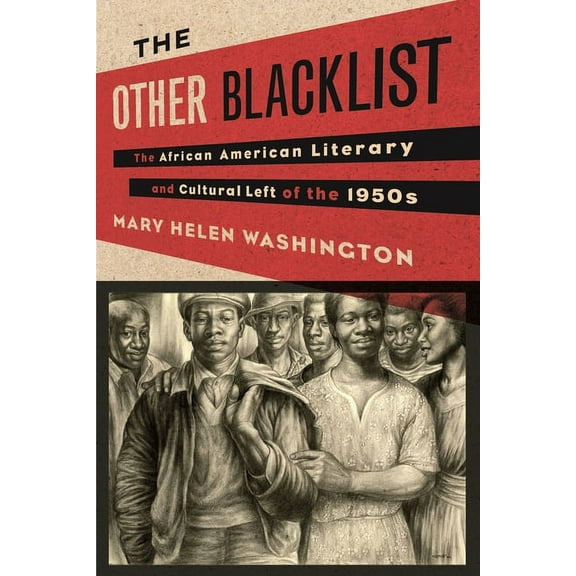 $19083current price $190.83
The Other Blacklist: The African American Literary and Cultural Left of the 1950s, (Hardcover)
Artificial Color: Modern Food and Racial Fictions, (Hardcover) $100.87
 $10087current price $100.87
Artificial Color: Modern Food and Racial Fictions, (Hardcover)
African American Literature and the Classicist Tradition: Black Women Writers from Wheatley to Morrison, (Hardcover) $102.89
 $10289current price $102.89
African American Literature and the Classicist Tradition: Black Women Writers from Wheatley to Morrison, (Hardcover)
Infamous Bodies: Early Black Women's Celebrity and the Afterlives of Rights, (Hardcover) $101.20
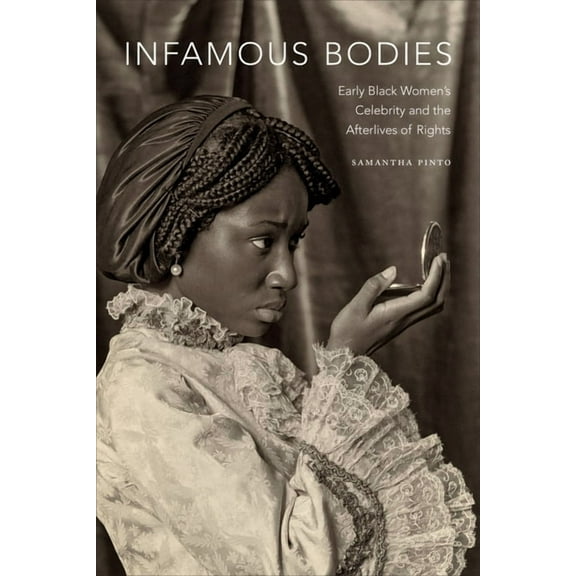 $10120current price $101.20
Infamous Bodies: Early Black Women's Celebrity and the Afterlives of Rights, (Hardcover)
Allan Rohan Crite: Neighborhood Liturgy, (Hardcover) $33.81 Was $37.71
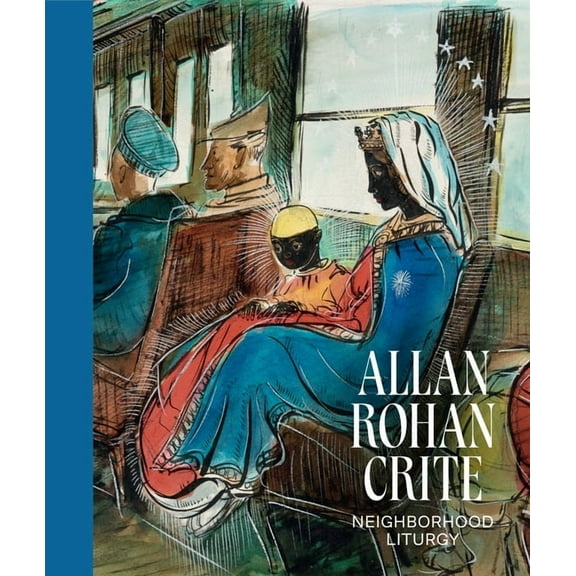 $3381current price $33.81, Was $37.71$37.71
Allan Rohan Crite: Neighborhood Liturgy, (Hardcover)
African Americans on Television: Race-ing for Ratings, (Hardcover) $90.38
 $9038current price $90.38
African Americans on Television: Race-ing for Ratings, (Hardcover)
How to Read African American Literature: Post-Civil Rights Fiction and the Task of Interpretation, (Hardcover) $94.96
 $9496current price $94.96
How to Read African American Literature: Post-Civil Rights Fiction and the Task of Interpretation, (Hardcover)
Black Social Television: How Black Twitter Changed Television, (Hardcover) $100.80
 $10080current price $100.80
Black Social Television: How Black Twitter Changed Television, (Hardcover)
Best seller Burn Down Master's House, (Hardcover) $22.91
Best seller $2291current price $22.91
Burn Down Master's House, (Hardcover)
25 out of 5 Stars. 2 reviewsMythmaking and Metaphor in Black Women's Fiction, (Hardcover) $89.51
 $8951current price $89.51
Mythmaking and Metaphor in Black Women's Fiction, (Hardcover)
The John Hope Franklin African American Department Stores and the Black Freedom Movement: Workers, Consumers, and Civil Rights from the 1930s to the 1980s, (Hardcover) $76.19
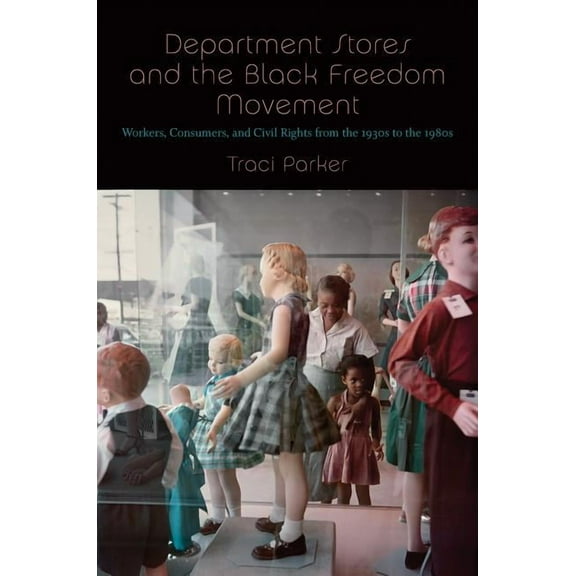 $7619current price $76.19
The John Hope Franklin African American Department Stores and the Black Freedom Movement: Workers, Consumers, and Civil Rights from the 1930s to the 1980s, (Hardcover)
From #Blacklivesmatter to Black Liberation (Expanded Second Edition), (Paperback) $10.78
 $1078current price $10.78
From #Blacklivesmatter to Black Liberation (Expanded Second Edition), (Paperback)
Black Hibiscus: African Americans and the Florida Imaginary (Hardback), (Hardcover) $103.98
 $10398current price $103.98
Black Hibiscus: African Americans and the Florida Imaginary (Hardback), (Hardcover)
Post*45: The Residential Is Racial (Hardcover) $140.69
 $14069current price $140.69
Post*45: The Residential Is Racial (Hardcover)
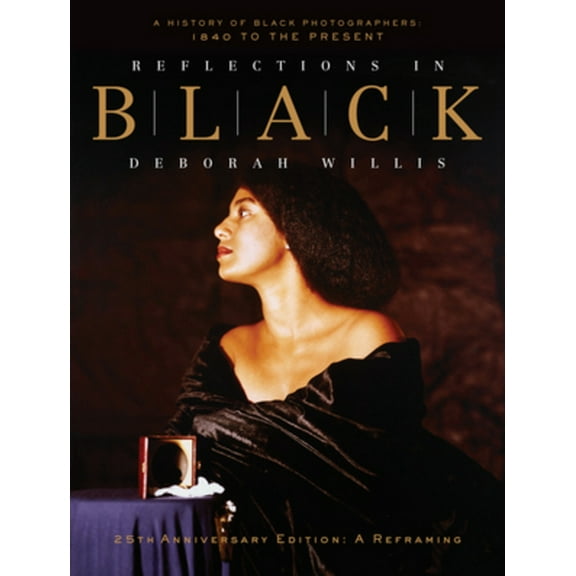
Reflections in Black: A History of Black Photographers: 1840 to the Present, (Hardcover) $59.66
 $5966current price $59.66
Reflections in Black: A History of Black Photographers: 1840 to the Present, (Hardcover)
Slaves to Fashion: Black Dandyism and the Styling of Black Diasporic Identity, (Hardcover) $112.47
 $11247current price $112.47
Slaves to Fashion: Black Dandyism and the Styling of Black Diasporic Identity, (Hardcover)
But Suppose God is Black: What God says about Racism, (Hardcover) $100.00
 $10000current price $100.00
But Suppose God is Black: What God says about Racism, (Hardcover)
Racial Immanence: Chicanx Bodies Beyond Representation, (Hardcover) $109.70
 $10970current price $109.70
Racial Immanence: Chicanx Bodies Beyond Representation, (Hardcover)
Suny African American Studies More Than Our Pain: Affect and Emotion in the Era of Black Lives Matter, (Hardcover) $104.14
 $10414current price $104.14
Suny African American Studies More Than Our Pain: Affect and Emotion in the Era of Black Lives Matter, (Hardcover)
Customer ratings & reviews
0 ratings|0 reviews
This item does not have any reviews yet
