


Documenting Desegregation : Racial and Gender Segregation in Private Sector Employment Since the Civil Rights Act (Paperback)
(No ratings yet)
Key item features
Enacted nearly fifty years ago, the Civil Rights Act codified a new vision for American society by formally ending segregation and banning race and gender discrimination in the workplace. But how much change did the legislation actually produce? As employers responded to the law, did new and more subtle forms of inequality emerge in the workplace? In an insightful analysis that combines history with a rigorous empirical analysis of newly available data, Documenting Desegregation offers the most comprehensive account to date of what has happened to equal opportunity in America—and what needs to be done in order to achieve a truly integrated workforce. Weaving strands of history, cognitive psychology, and demography, Documenting Desgregation provides a compelling exploration of the ways legislation can affect employer behavior and produce change. Authors Kevin Stainback and Donald Tomaskovic-Devey use a remarkable historical record—data from more than six million workplaces collected by the U.S. Equal Employment Opportunity Commission (EEOC) since 1966—to present a sobering portrait of race and gender in the American workplace. Progress has been decidedly uneven: black men, black women, and white women have prospered in firms that rely on educational credentials when hiring, though white women have advanced more quickly. And white men have hardly fallen behind—they now hold more managerial positions than they did in 1964. The authors argue that the Civil Rights Act's equal opportunity clauses have been most effective when accompanied by social movements demanding changes. EEOC data show that African American men made rapid gains in the 1960s at the height of the Civil Rights movement. Similarly, white women gained access to more professional and managerial jobs in the 1970s as regulators and policymakers began to enact and enforce gender discrimination laws. By the 1980s, however, racial desegregation had stalled, reflecting the dimmed status of the Civil Rights agenda. Racial and gender employment segregation remain high today, and, alarmingly, many firms, particularly in high-wage industries, seem to be moving in the wrong direction and have shown signs of resegregating since the 1980s. To counter this worrying trend, the authors propose new methods to increase diversity by changing industry norms, holding human resources managers to account, and exerting renewed government pressure on large corporations to make equal employment opportunity a national priority. At a time of high unemployment and rising inequality, Documenting Desegregation provides an incisive re-examination of America's tortured pursuit of equal employment opportunity. This important new book will be an indispensable guide for those seeking to understand where America stands in fulfilling its promise of a workplace free from discrimination.
Specs
- Book formatPaperback
- Fiction/nonfictionNon-Fiction
- GenreHistory
- Publication dateSeptember, 2012
- Pages412
- Number in series1
Current price is USD$78.58
Price when purchased online
Out of stock
How do you want your item?
Out of stock
About this item
Product details
Enacted nearly fifty years ago, the Civil Rights Act codified a new vision for American society by formally ending segregation and banning race and gender discrimination in the workplace. But how much change did the legislation actually produce? As employers responded to the law, did new and more subtle forms of inequality emerge in the workplace? In an insightful analysis that combines history with a rigorous empirical analysis of newly available data, Documenting Desegregation offers the most comprehensive account to date of what has happened to equal opportunity in America--and what needs to be done in order to achieve a truly integrated workforce. Weaving strands of history, cognitive psychology, and demography, Documenting Desgregation provides a compelling exploration of the ways legislation can affect employer behavior and produce change. Authors Kevin Stainback and Donald Tomaskovic-Devey use a remarkable historical record--data from more than six million workplaces collected by the U.S. Equal Employment Opportunity Commission (EEOC) since 1966--to present a sobering portrait of race and gender in the American workplace. Progress has been decidedly uneven: black men, black women, and white women have prospered in firms that rely on educational credentials when hiring, though white women have advanced more quickly. And white men have hardly fallen behind--they now hold more managerial positions than they did in 1964. The authors argue that the Civil Rights Act's equal opportunity clauses have been most effective when accompanied by social movements demanding changes. EEOC data show that African American men made rapid gains in the 1960s at the height of the Civil Rights movement. Similarly, white women gained access to more professional and managerial jobs in the 1970s as regulators and policymakers began to enact and enforce gender discrimination laws. By the 1980s, however, racial desegregation had stalled, reflecting the dimmed status of the Civil Rights agenda. Racial and gender employment segregation remain high today, and, alarmingly, many firms, particularly in high-wage industries, seem to be moving in the wrong direction and have shown signs of resegregating since the 1980s. To counter this worrying trend, the authors propose new methods to increase diversity by changing industry norms, holding human resources managers to account, and exerting renewed government pressure on large corporations to make equal employment opportunity a national priority. At a time of high unemployment and rising inequality, Documenting Desegregation provides an incisive re-examination of America's tortured pursuit of equal employment opportunity. This important new book will be an indispensable guide for those seeking to understand where America stands in fulfilling its promise of a workplace free from discrimination.
Enacted nearly fifty years ago, the Civil Rights Act codified a new vision for American society by formally ending segregation and banning race and gender discrimination in the workplace. But how much change did the legislation actually produce? As employers responded to the law, did new and more subtle forms of inequality emerge in the workplace? In an insightful analysis that combines history with a rigorous empirical analysis of newly available data, Documenting Desegregation offers the most comprehensive account to date of what has happened to equal opportunity in America—and what needs to be done in order to achieve a truly integrated workforce. Weaving strands of history, cognitive psychology, and demography, Documenting Desgregation provides a compelling exploration of the ways legislation can affect employer behavior and produce change. Authors Kevin Stainback and Donald Tomaskovic-Devey use a remarkable historical record—data from more than six million workplaces collected by the U.S. Equal Employment Opportunity Commission (EEOC) since 1966—to present a sobering portrait of race and gender in the American workplace. Progress has been decidedly uneven: black men, black women, and white women have prospered in firms that rely on educational credentials when hiring, though white women have advanced more quickly. And white men have hardly fallen behind—they now hold more managerial positions than they did in 1964. The authors argue that the Civil Rights Act's equal opportunity clauses have been most effective when accompanied by social movements demanding changes. EEOC data show that African American men made rapid gains in the 1960s at the height of the Civil Rights movement. Similarly, white women gained access to more professional and managerial jobs in the 1970s as regulators and policymakers began to enact and enforce gender discrimination laws. By the 1980s, however, racial desegregation had stalled, reflecting the dimmed status of the Civil Rights agenda. Racial and gender employment segregation remain high today, and, alarmingly, many firms, particularly in high-wage industries, seem to be moving in the wrong direction and have shown signs of resegregating since the 1980s. To counter this worrying trend, the authors propose new methods to increase diversity by changing industry norms, holding human resources managers to account, and exerting renewed government pressure on large corporations to make equal employment opportunity a national priority. At a time of high unemployment and rising inequality, Documenting Desegregation provides an incisive re-examination of America's tortured pursuit of equal employment opportunity. This important new book will be an indispensable guide for those seeking to understand where America stands in fulfilling its promise of a workplace free from discrimination.
info:
We aim to show you accurate product information. Manufacturers, suppliers and others provide what you see here, and we have not verified it.
Specifications
Book format
Paperback
Fiction/nonfiction
Non-Fiction
Genre
History
Publication date
September, 2012
Warranty
Warranty information
Please be aware that the warranty terms on items offered for sale by third party Marketplace sellers may differ from those displayed in this section (if any). To confirm warranty terms on an item offered for sale by a third party Marketplace seller, please use the 'Contact seller' feature on the third party Marketplace seller's information page and request the item's warranty terms prior to purchase.
Similar items you might like
Based on what customers bought
Routledge Revivals Revival: A Kinder, Gentler Racism? (1993): The Reagan-Bush Civil Rights Legacy, (Paperback) $63.66
 $6366current price $63.66
Routledge Revivals Revival: A Kinder, Gentler Racism? (1993): The Reagan-Bush Civil Rights Legacy, (Paperback)
Critical America Discrimination by Default: How Racism Becomes Routine, Book 9, (Hardcover) $65.91
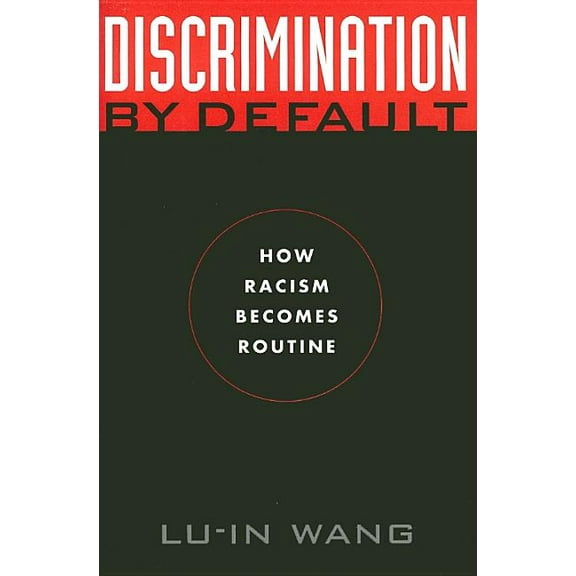 $6591current price $65.91
Critical America Discrimination by Default: How Racism Becomes Routine, Book 9, (Hardcover)
White Lawyer, Black Power: A Memoir of Civil Rights Activism in the Deep South, (Hardcover) $120.23
 $12023current price $120.23
White Lawyer, Black Power: A Memoir of Civil Rights Activism in the Deep South, (Hardcover)
Understanding Affirmative Action: Politics, Discrimination, and the Search for Justice (Paperback) $58.66
 $5866current price $58.66
Understanding Affirmative Action: Politics, Discrimination, and the Search for Justice (Paperback)
Human Rights Law, (Paperback) $103.62
 $10362current price $103.62
Human Rights Law, (Paperback)
African-American Political Psychology: Identity, Opinion, and Action in the Post-Civil Rights Era, (Paperback) $82.04
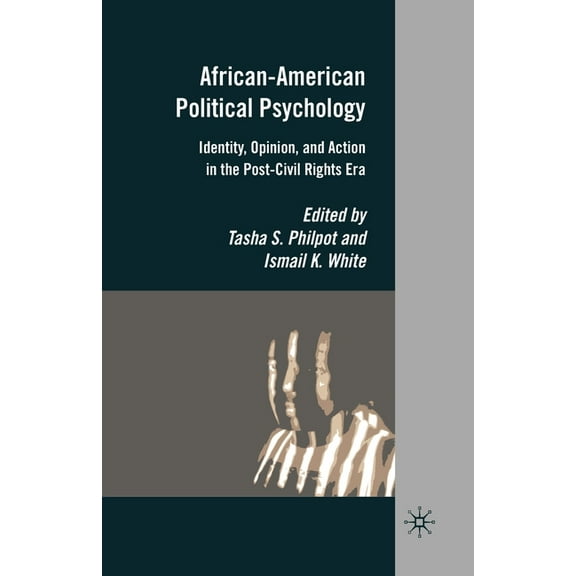 $8204current price $82.04
African-American Political Psychology: Identity, Opinion, and Action in the Post-Civil Rights Era, (Paperback)
African-American Political Psychology: Identity, Opinion, and Action in the Post-Civil Rights Era, (Hardcover) $84.19
 $8419current price $84.19
African-American Political Psychology: Identity, Opinion, and Action in the Post-Civil Rights Era, (Hardcover)
Jewish Identity and Civil Rights in America, (Hardcover) $82.97
 $8297current price $82.97
Jewish Identity and Civil Rights in America, (Hardcover)
Civil Rights and the Presidency: Race and Gender in American Politics, 1960-1972, (Paperback) $60.47
 $6047current price $60.47
Civil Rights and the Presidency: Race and Gender in American Politics, 1960-1972, (Paperback)
Embedded Racism: Japan's Visible Minorities and Racial Discrimination, (Paperback) $49.99
 $4999current price $49.99
Embedded Racism: Japan's Visible Minorities and Racial Discrimination, (Paperback)
Policing the Racial Divide: Urban Growth Politics and the Remaking of Segregation, (Paperback) $33.90
 $3390current price $33.90
Policing the Racial Divide: Urban Growth Politics and the Remaking of Segregation, (Paperback)
Separate and Unequal: Public School Campaigns and Racism in the Southern Seaboard States, 1901-1915, (Paperback) $50.00
 $5000current price $50.00
Separate and Unequal: Public School Campaigns and Racism in the Southern Seaboard States, 1901-1915, (Paperback)
Impacts of Racism on White Americans in the Age of Trump, (Paperback) $53.26
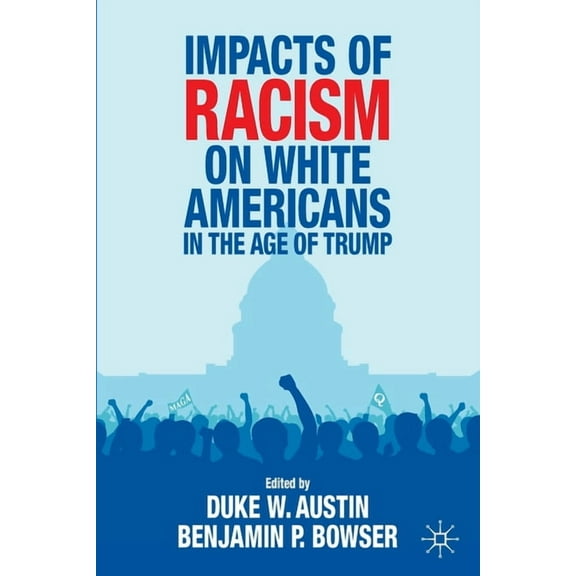 $5326current price $53.26
Impacts of Racism on White Americans in the Age of Trump, (Paperback)
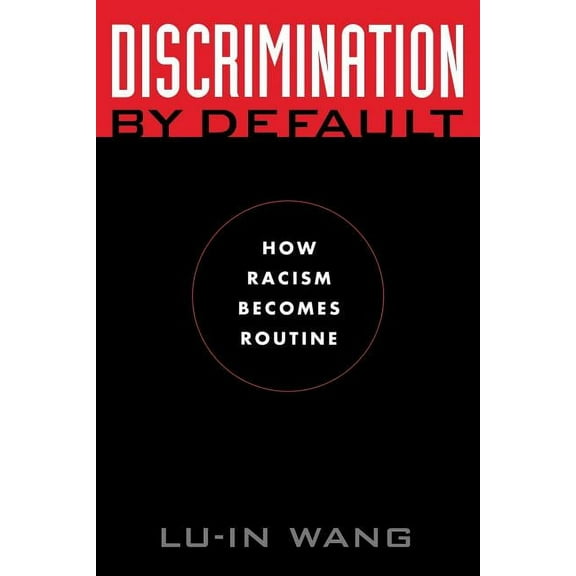
Critical America Discrimination by Default: How Racism Becomes Routine, Book 9, (Paperback) $38.71
 $3871current price $38.71
Critical America Discrimination by Default: How Racism Becomes Routine, Book 9, (Paperback)
Original Sins: The (Mis)Education of Black and Native Children and the Construction of American Racism, (Hardcover) $28.13
 $2813current price $28.13
Original Sins: The (Mis)Education of Black and Native Children and the Construction of American Racism, (Hardcover)
Routledge Identity Politics Jim Crow Citizenship: Liberalism and the Southern Defense of Racial Hierarchy, (Paperback) $70.99
 $7099current price $70.99
Routledge Identity Politics Jim Crow Citizenship: Liberalism and the Southern Defense of Racial Hierarchy, (Paperback)
Carter G. Woodson Institute The Struggle for Change: Race and the Politics of Reconciliation in Modern Richmond, (Paperback) $21.87
 $2187current price $21.87
Carter G. Woodson Institute The Struggle for Change: Race and the Politics of Reconciliation in Modern Richmond, (Paperback)
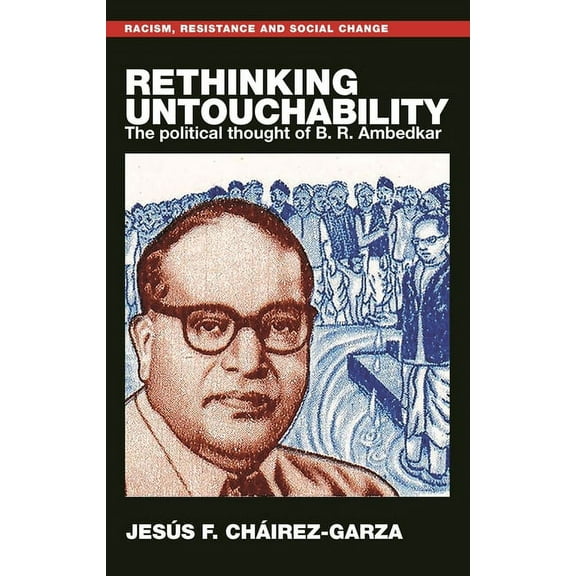
Racism, Resistance and Social Change Rethinking Untouchability: The Political Thought of B. R. Ambedkar, (Paperback) $36.95
 $3695current price $36.95
Racism, Resistance and Social Change Rethinking Untouchability: The Political Thought of B. R. Ambedkar, (Paperback)
Civil Liberties & Human Rights, (Paperback) $73.73
 $7373current price $73.73
Civil Liberties & Human Rights, (Paperback)
Routledge Studies in Human Rights Minorities, Free Speech and the Internet, (Hardcover) $163.34
 $16334current price $163.34
Routledge Studies in Human Rights Minorities, Free Speech and the Internet, (Hardcover)
Customer ratings & reviews
0 ratings|0 reviews
This item does not have any reviews yet
