


The Baroque Night (Paperback)
(No ratings yet)
Key item features
In The Baroque Night, authorial idiosyncrasy hybridizes the concepts of "baroque" and "noir" across the fields of film, theater, literature, and philosophy, arguing for mental function as form, as an impossible object, a container in which the container itself is the thing contained. The book is an experiment in thinking difference and thinking differently, an ethics of otherness and the abstract. Spencer Golub inverts the unreality of the real and the reality of fiction, exposing the tropes of memory, identity, and authenticity as a scenic route through life that ultimately blocks the view.
The Baroque Night draws upon materials that have not previously been included in studies of either the baroque or film noir, while offering new perspectives on other, more familiar sources. Leibniz's concepts of the monad and compossibility provide organizing thought models, and death, fear, and mental illness cast their anamorphic images across surfaces that are deeper and closer than they at first appear. Key characters and situations in the book derive from the works of Alfred Hitchcock, Henri-Georges Clozot, Jean-Pierre Melville, Oscar Wilde, Georges Perec, Patricia Highsmith, William Shakespeare, Jean Racine, Pierre Corneille, and Arthur Conan Doyle, among many others.
This is virtuality and reality for the phobic, making it a fascinating and viable document of and episteme for the anxious age in which we (always) find ourselves living, though not yet fully alive. This performance of suspect evidence speaks to and in the ways we are organically inauthentic, the cause of our own causality and our own worst eyewitnesses to all that appears and disappears in space and time.
The Baroque Night draws upon materials that have not previously been included in studies of either the baroque or film noir, while offering new perspectives on other, more familiar sources. Leibniz's concepts of the monad and compossibility provide organizing thought models, and death, fear, and mental illness cast their anamorphic images across surfaces that are deeper and closer than they at first appear. Key characters and situations in the book derive from the works of Alfred Hitchcock, Henri-Georges Clozot, Jean-Pierre Melville, Oscar Wilde, Georges Perec, Patricia Highsmith, William Shakespeare, Jean Racine, Pierre Corneille, and Arthur Conan Doyle, among many others.
This is virtuality and reality for the phobic, making it a fascinating and viable document of and episteme for the anxious age in which we (always) find ourselves living, though not yet fully alive. This performance of suspect evidence speaks to and in the ways we are organically inauthentic, the cause of our own causality and our own worst eyewitnesses to all that appears and disappears in space and time.
Specs
- Book formatPaperback
- Fiction/nonfictionNon-Fiction
- Publication dateSeptember, 2018
- Pages224
- Original languagesEnglish
- LanguageEnglish
Current price is USD$46.30
Price when purchased online
Out of stock
How do you want your item?
Out of stock
About this item
Product details
Based on his reading of films, theater and drama, novels, and his own life, Spencer Golub argues that we live an unreality from within which we imagine and construct a fictional idea of the real.
In The Baroque Night, authorial idiosyncrasy hybridizes the concepts of "baroque" and "noir" across the fields of film, theater, literature, and philosophy, arguing for mental function as form, as an impossible object, a container in which the container itself is the thing contained. The book is an experiment in thinking difference and thinking differently, an ethics of otherness and the abstract. Spencer Golub inverts the unreality of the real and the reality of fiction, exposing the tropes of memory, identity, and authenticity as a scenic route through life that ultimately blocks the view.
The Baroque Night draws upon materials that have not previously been included in studies of either the baroque or film noir, while offering new perspectives on other, more familiar sources. Leibniz's concepts of the monad and compossibility provide organizing thought models, and death, fear, and mental illness cast their anamorphic images across surfaces that are deeper and closer than they at first appear. Key characters and situations in the book derive from the works of Alfred Hitchcock, Henri-Georges Clozot, Jean-Pierre Melville, Oscar Wilde, Georges Perec, Patricia Highsmith, William Shakespeare, Jean Racine, Pierre Corneille, and Arthur Conan Doyle, among many others.
This is virtuality and reality for the phobic, making it a fascinating and viable document of and episteme for the anxious age in which we (always) find ourselves living, though not yet fully alive. This performance of suspect evidence speaks to and in the ways we are organically inauthentic, the cause of our own causality and our own worst eyewitnesses to all that appears and disappears in space and time.
The Baroque Night draws upon materials that have not previously been included in studies of either the baroque or film noir, while offering new perspectives on other, more familiar sources. Leibniz's concepts of the monad and compossibility provide organizing thought models, and death, fear, and mental illness cast their anamorphic images across surfaces that are deeper and closer than they at first appear. Key characters and situations in the book derive from the works of Alfred Hitchcock, Henri-Georges Clozot, Jean-Pierre Melville, Oscar Wilde, Georges Perec, Patricia Highsmith, William Shakespeare, Jean Racine, Pierre Corneille, and Arthur Conan Doyle, among many others.
This is virtuality and reality for the phobic, making it a fascinating and viable document of and episteme for the anxious age in which we (always) find ourselves living, though not yet fully alive. This performance of suspect evidence speaks to and in the ways we are organically inauthentic, the cause of our own causality and our own worst eyewitnesses to all that appears and disappears in space and time.
info:
We aim to show you accurate product information. Manufacturers, suppliers and others provide what you see here, and we have not verified it.
Specifications
Book format
Paperback
Fiction/nonfiction
Non-Fiction
Genre
Performing Arts/Film - History & Criticism, Literary Criticism/Comparative Literature
Publication date
September, 2018
Warranty
Warranty information
Please be aware that the warranty terms on items offered for sale by third party Marketplace sellers may differ from those displayed in this section (if any). To confirm warranty terms on an item offered for sale by a third party Marketplace seller, please use the 'Contact seller' feature on the third party Marketplace seller's information page and request the item's warranty terms prior to purchase.
Similar items you might like
Based on what customers bought
Fellini Lexicon, (Paperback) $55.97
 $5597current price $55.97
Fellini Lexicon, (Paperback)
The Films of the Seventies (Paperback) $42.99
 $4299current price $42.99
The Films of the Seventies (Paperback)
Silent Film's Last Hurrah: The Remarkable Movies of the Long 1928, (Paperback) $34.99 Was $39.95
 $3499current price $34.99, Was $39.95$39.95
Silent Film's Last Hurrah: The Remarkable Movies of the Long 1928, (Paperback)
The Strange Case of Dr. Mabuse: A Study of the Twelve Films and Five Novels, (Paperback) $28.45
 $2845current price $28.45
The Strange Case of Dr. Mabuse: A Study of the Twelve Films and Five Novels, (Paperback)
Pre-Owned Acrimony (DVD) $10.86
 $1086current price $10.86
Pre-Owned Acrimony (DVD)
644.7 out of 5 Stars. 64 reviewsScreening the City, (Paperback) $22.90
 $2290current price $22.90
Screening the City, (Paperback)
Watching Them Be, (Paperback) $22.21
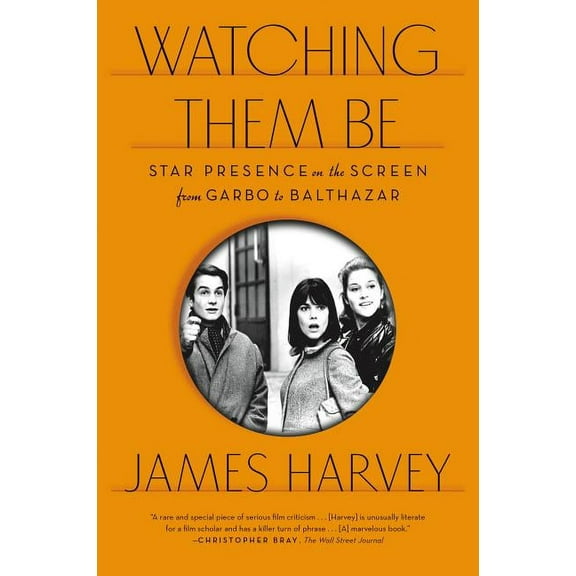 $2221current price $22.21
Watching Them Be, (Paperback)
Chaplin at Essanay: A Film Artist in Transition, 1915-1916 (Paperback) $38.45
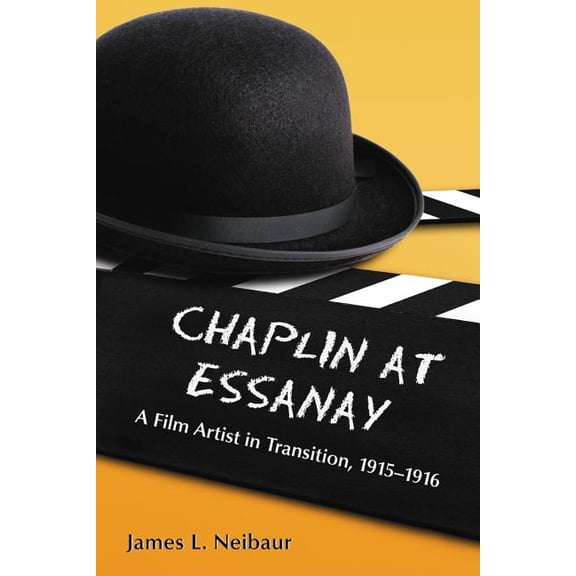 $3845current price $38.45
Chaplin at Essanay: A Film Artist in Transition, 1915-1916 (Paperback)
Armies of the Night: The Warriors and Its Legacy, (Hardcover) $13.53
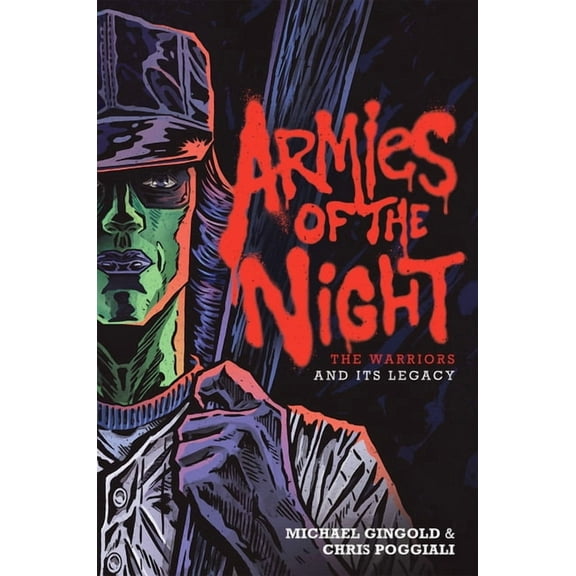 $1353current price $13.53
Armies of the Night: The Warriors and Its Legacy, (Hardcover)
Variety (September 1926); 84, (Paperback) $18.95
 $1895current price $18.95
Variety (September 1926); 84, (Paperback)
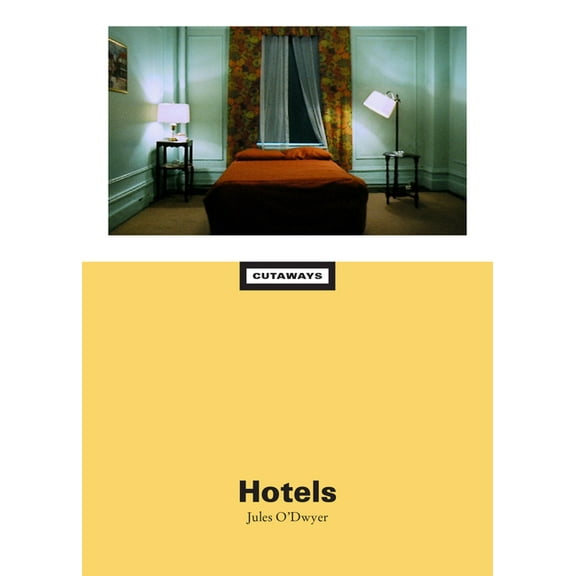
Cutaways Hotels, (Paperback) $19.91
 $1991current price $19.91
Cutaways Hotels, (Paperback)
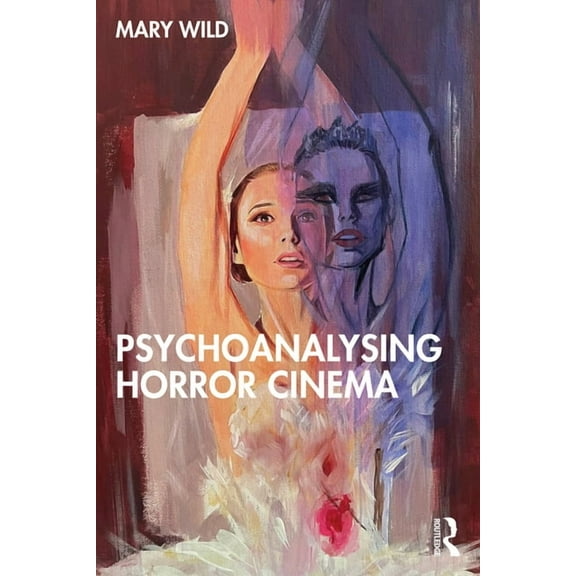
Psychoanalysing Horror Cinema, (Paperback) $27.99
 $2799current price $27.99
Psychoanalysing Horror Cinema, (Paperback)
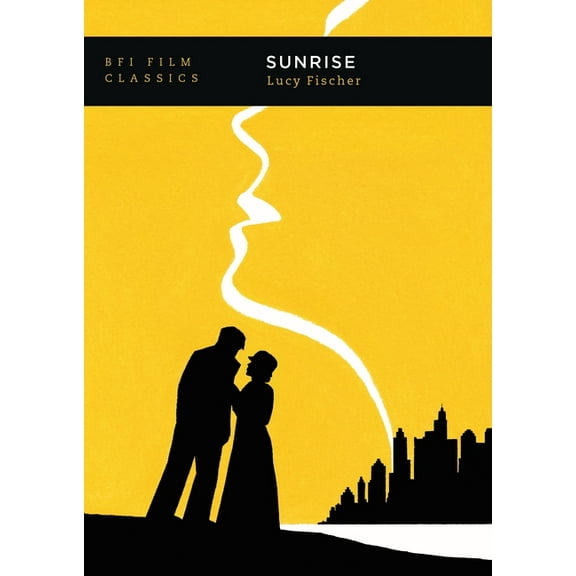
BFI Film Classics: Sunrise (Paperback) $20.70
 $2070current price $20.70
BFI Film Classics: Sunrise (Paperback)
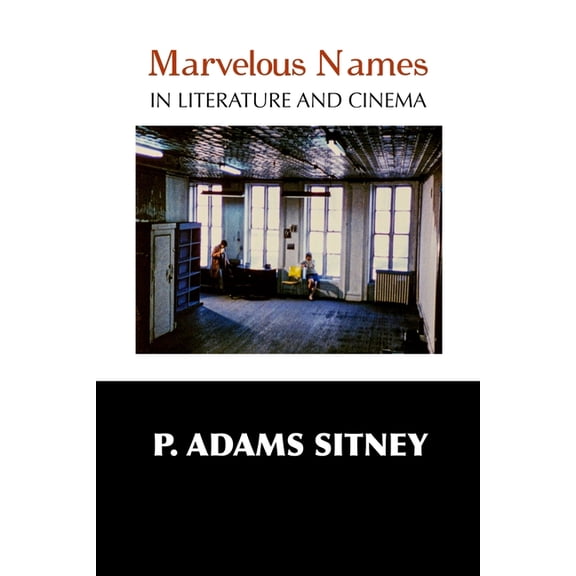
Marvelous Names in Literature and Cinema, (Paperback) $17.99
 $1799current price $17.99
Marvelous Names in Literature and Cinema, (Paperback)
Cinema and Culture: The City on Screen (Paperback) $45.00
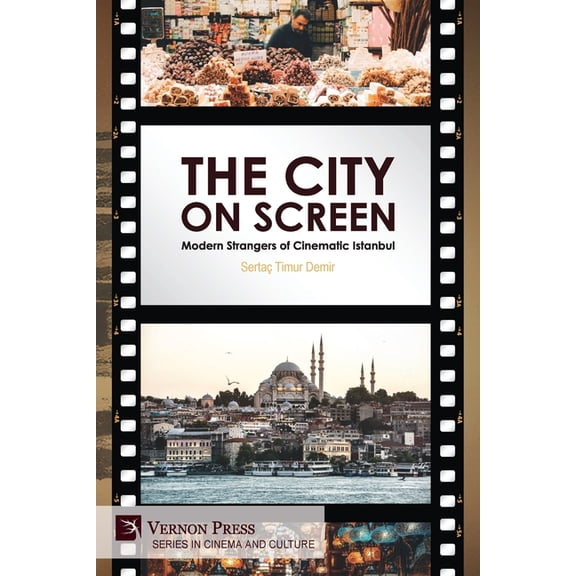 $4500current price $45.00
Cinema and Culture: The City on Screen (Paperback)
Critiquing Violent Crime in the Media, (Paperback) $40.07
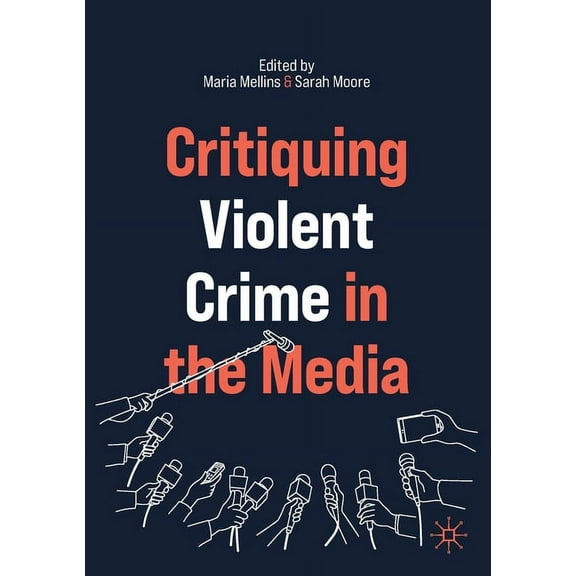 $4007current price $40.07
Critiquing Violent Crime in the Media, (Paperback)
A Certain Tendency of the Hollywood Cinema, 1930-1980, (Paperback) $62.87
 $6287current price $62.87
A Certain Tendency of the Hollywood Cinema, 1930-1980, (Paperback)
Film and Culture Hollis Frampton: Navigating the Infinite Cinema, (Paperback) $40.39
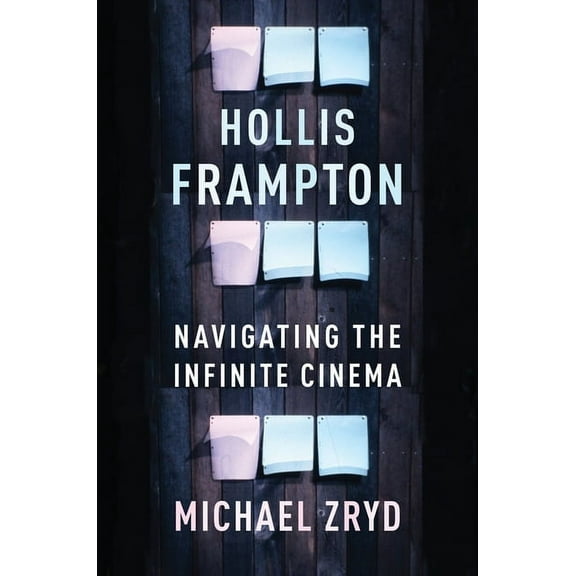 $4039current price $40.39
Film and Culture Hollis Frampton: Navigating the Infinite Cinema, (Paperback)
Modernist Cinema: Film Art from 1914 to 1941, (Paperback) $31.58
 $3158current price $31.58
Modernist Cinema: Film Art from 1914 to 1941, (Paperback)
A Short History of Cahiers du Cinema (Paperback) $22.90
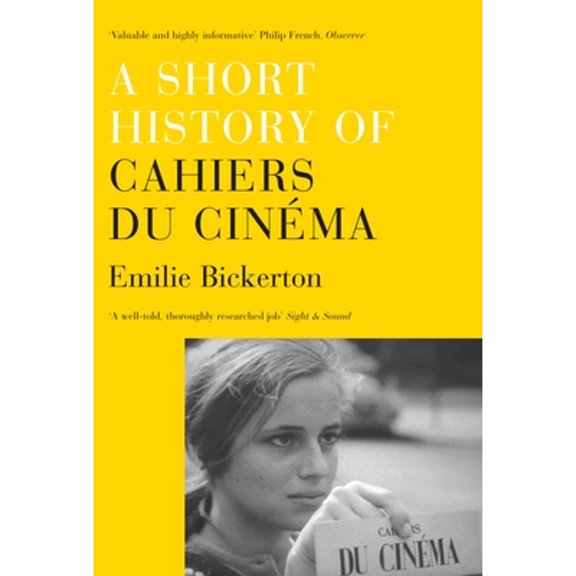 $2290current price $22.90
A Short History of Cahiers du Cinema (Paperback)
Customer ratings & reviews
0 ratings|0 reviews
This item does not have any reviews yet
