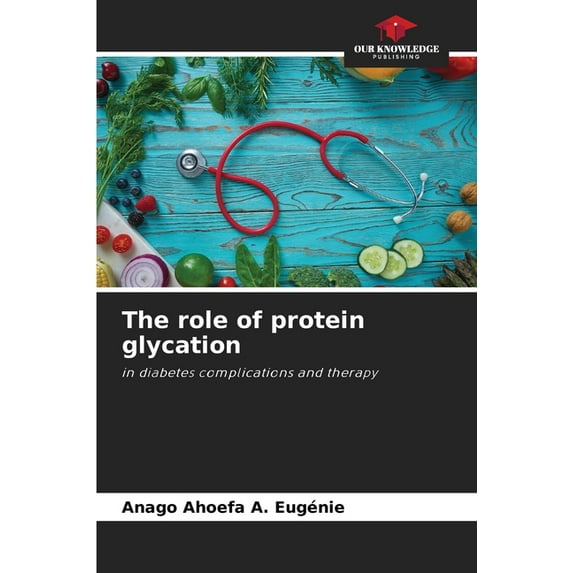
The binding of an ose, frequently glucose, to proteins is a common biochemical reaction leading to the formation of Advanced Glycation Endproducts (AGEs). The permanent hyperglycemia observed during diabetes leads to an increase in the glycation rate of proteins, with consequent impairment of their functions. Several authors have demonstrated the link between the accumulation of AGEs in various organs and the microvascular and macrovascular complications observed in diabetes. Other studies have shown that these diabetic complications and several other metabolic diseases result from a series of deleterious processes initiated by AGEs. These include receptor-mediated inflammation, conformational changes in macromolecules leading to aggregate accumulation, and an immune response mediated by the immunogenicity of AGEs.The main therapeutic approaches for the treatment of diabetes involve insulin administration, inhibition of polysaccharide-digesting enzymes (alpha-amylase and alpha-glucosidase) and glycation inhibitors.
The role of protein glycation (Paperback)
info:
We aim to show you accurate product information. Manufacturers, suppliers and others provide what you see here, and we have not verified it. Â
Specifications
Book format
Paperback
Fiction/nonfiction
Non-Fiction
Genre
Medical/General
Pages
68
Warranty
Warranty information
Please be aware that the warranty terms on items offered for sale by third party Marketplace sellers may differ from those displayed in this section (if any). To confirm warranty terms on an item offered for sale by a third party Marketplace seller, please use the 'Contact seller' feature on the third party Marketplace seller's information page and request the item's warranty terms prior to purchase.

