


The Managed Heart : Commercialization of Human Feeling (Edition 3) (Paperback)
(No ratings yet)
Key item features
In private life, we try to induce or suppress love, envy, and anger through deep acting or "emotion work," just as we manage our outer expressions of feeling through surface acting. In trying to bridge a gap between what we feel and what we "ought" to feel, we take guidance from "feeling rules" about what is owing to others in a given situation. Based on our private mutual understandings of feeling rules, we make a "gift exchange" of acts of emotion management. We bow to each other not simply from the waist, but from the heart.
But what occurs when emotion work, feeling rules, and the gift of exchange are introduced into the public world of work? In search of the answer, Arlie Russell Hochschild closely examines two groups of public-contact workers: flight attendants and bill collectors. The flight attendant’s job is to deliver a service and create further demand for it, to enhance the status of the customer and be "nicer than natural." The bill collector’s job is to collect on the service, and if necessary, to deflate the status of the customer by being "nastier than natural." Between these extremes, roughly one-third of American men and one-half of American women hold jobs that call for substantial emotional labor. In many of these jobs, they are trained to accept feeling rules and techniques of emotion management that serve the company’s commercial purpose.
Just as we have seldom recognized or understood emotional labor, we have not appreciated its cost to those who do it for a living. Like a physical laborer who becomes estranged from what he or she makes, an emotional laborer, such as a flight attendant, can become estranged not only from her own expressions of feeling (her smile is not "her" smile), but also from what she actually feels (her managed friendliness). This estrangement, though a valuable defense against stress, is also an important occupational hazard, because it is through our feelings that we are connected with those around us.
On the basis of this book, Hochschild was featured in Key Sociological Thinkers, edited by Rob Stones. This book was also the winner of the Charles Cooley Award in 1983, awarded by the American Sociological Association and received an honorable mention for the C. Wright Mills Award.
But what occurs when emotion work, feeling rules, and the gift of exchange are introduced into the public world of work? In search of the answer, Arlie Russell Hochschild closely examines two groups of public-contact workers: flight attendants and bill collectors. The flight attendant’s job is to deliver a service and create further demand for it, to enhance the status of the customer and be "nicer than natural." The bill collector’s job is to collect on the service, and if necessary, to deflate the status of the customer by being "nastier than natural." Between these extremes, roughly one-third of American men and one-half of American women hold jobs that call for substantial emotional labor. In many of these jobs, they are trained to accept feeling rules and techniques of emotion management that serve the company’s commercial purpose.
Just as we have seldom recognized or understood emotional labor, we have not appreciated its cost to those who do it for a living. Like a physical laborer who becomes estranged from what he or she makes, an emotional laborer, such as a flight attendant, can become estranged not only from her own expressions of feeling (her smile is not "her" smile), but also from what she actually feels (her managed friendliness). This estrangement, though a valuable defense against stress, is also an important occupational hazard, because it is through our feelings that we are connected with those around us.
On the basis of this book, Hochschild was featured in Key Sociological Thinkers, edited by Rob Stones. This book was also the winner of the Charles Cooley Award in 1983, awarded by the American Sociological Association and received an honorable mention for the C. Wright Mills Award.
Specs
- Book formatPaperback
- Fiction/nonfictionNon-Fiction
- Publication dateMarch, 2012
- Pages352
- Reading levelUndergraduate
- SubgenreGender Studies
Current price is USD$29.90
Price when purchased online
 Free 90-day returns
How do you want your item?
Try 30 days of Free Shipping with Walmart+! Choose plan at checkout.
Columbus, 43215
Arrives by Sat, May 2
Sold and shipped by Walmart.com

Free 90-day returns - in store or online

This item is gift eligible
More seller options (4)
Starting from $34.00

Get free delivery, shipping and more*
*Restrictions apply Try Walmart+ now
About this item
Product details
In private life, we try to induce or suppress love, envy, and anger through deep acting or "emotion work," just as we manage our outer expressions of feeling through surface acting. In trying to bridge a gap between what we feel and what we "ought" to feel, we take guidance from "feeling rules" about what is owing to others in a given situation. Based on our private mutual understandings of feeling rules, we make a "gift exchange" of acts of emotion management. We bow to each other not simply from the waist, but from the heart.
But what occurs when emotion work, feeling rules, and the gift of exchange are introduced into the public world of work? In search of the answer, Arlie Russell Hochschild closely examines two groups of public-contact workers: flight attendants and bill collectors. The flight attendant's job is to deliver a service and create further demand for it, to enhance the status of the customer and be "nicer than natural." The bill collector's job is to collect on the service, and if necessary, to deflate the status of the customer by being "nastier than natural." Between these extremes, roughly one-third of American men and one-half of American women hold jobs that call for substantial emotional labor. In many of these jobs, they are trained to accept feeling rules and techniques of emotion management that serve the company's commercial purpose.
Just as we have seldom recognized or understood emotional labor, we have not appreciated its cost to those who do it for a living. Like a physical laborer who becomes estranged from what he or she makes, an emotional laborer, such as a flight attendant, can become estranged not only from her own expressions of feeling (her smile is not "her" smile), but also from what she actually feels (her managed friendliness). This estrangement, though a valuable defense against stress, is also an important occupational hazard, because it is through our feelings that we are connected with those around us.
On the basis of this book, Hochschild was featured in Key Sociological Thinkers, edited by Rob Stones. This book was also the winner of the Charles Cooley Award in 1983, awarded by the American Sociological Association and received an honorable mention for the C. Wright Mills Award.
But what occurs when emotion work, feeling rules, and the gift of exchange are introduced into the public world of work? In search of the answer, Arlie Russell Hochschild closely examines two groups of public-contact workers: flight attendants and bill collectors. The flight attendant's job is to deliver a service and create further demand for it, to enhance the status of the customer and be "nicer than natural." The bill collector's job is to collect on the service, and if necessary, to deflate the status of the customer by being "nastier than natural." Between these extremes, roughly one-third of American men and one-half of American women hold jobs that call for substantial emotional labor. In many of these jobs, they are trained to accept feeling rules and techniques of emotion management that serve the company's commercial purpose.
Just as we have seldom recognized or understood emotional labor, we have not appreciated its cost to those who do it for a living. Like a physical laborer who becomes estranged from what he or she makes, an emotional laborer, such as a flight attendant, can become estranged not only from her own expressions of feeling (her smile is not "her" smile), but also from what she actually feels (her managed friendliness). This estrangement, though a valuable defense against stress, is also an important occupational hazard, because it is through our feelings that we are connected with those around us.
On the basis of this book, Hochschild was featured in Key Sociological Thinkers, edited by Rob Stones. This book was also the winner of the Charles Cooley Award in 1983, awarded by the American Sociological Association and received an honorable mention for the C. Wright Mills Award.
In private life, we try to induce or suppress love, envy, and anger through deep acting or "emotion work," just as we manage our outer expressions of feeling through surface acting. In trying to bridge a gap between what we feel and what we "ought" to feel, we take guidance from "feeling rules" about what is owing to others in a given situation. Based on our private mutual understandings of feeling rules, we make a "gift exchange" of acts of emotion management. We bow to each other not simply from the waist, but from the heart.
But what occurs when emotion work, feeling rules, and the gift of exchange are introduced into the public world of work? In search of the answer, Arlie Russell Hochschild closely examines two groups of public-contact workers: flight attendants and bill collectors. The flight attendant’s job is to deliver a service and create further demand for it, to enhance the status of the customer and be "nicer than natural." The bill collector’s job is to collect on the service, and if necessary, to deflate the status of the customer by being "nastier than natural." Between these extremes, roughly one-third of American men and one-half of American women hold jobs that call for substantial emotional labor. In many of these jobs, they are trained to accept feeling rules and techniques of emotion management that serve the company’s commercial purpose.
Just as we have seldom recognized or understood emotional labor, we have not appreciated its cost to those who do it for a living. Like a physical laborer who becomes estranged from what he or she makes, an emotional laborer, such as a flight attendant, can become estranged not only from her own expressions of feeling (her smile is not "her" smile), but also from what she actually feels (her managed friendliness). This estrangement, though a valuable defense against stress, is also an important occupational hazard, because it is through our feelings that we are connected with those around us.
On the basis of this book, Hochschild was featured in Key Sociological Thinkers, edited by Rob Stones. This book was also the winner of the Charles Cooley Award in 1983, awarded by the American Sociological Association and received an honorable mention for the C. Wright Mills Award.
But what occurs when emotion work, feeling rules, and the gift of exchange are introduced into the public world of work? In search of the answer, Arlie Russell Hochschild closely examines two groups of public-contact workers: flight attendants and bill collectors. The flight attendant’s job is to deliver a service and create further demand for it, to enhance the status of the customer and be "nicer than natural." The bill collector’s job is to collect on the service, and if necessary, to deflate the status of the customer by being "nastier than natural." Between these extremes, roughly one-third of American men and one-half of American women hold jobs that call for substantial emotional labor. In many of these jobs, they are trained to accept feeling rules and techniques of emotion management that serve the company’s commercial purpose.
Just as we have seldom recognized or understood emotional labor, we have not appreciated its cost to those who do it for a living. Like a physical laborer who becomes estranged from what he or she makes, an emotional laborer, such as a flight attendant, can become estranged not only from her own expressions of feeling (her smile is not "her" smile), but also from what she actually feels (her managed friendliness). This estrangement, though a valuable defense against stress, is also an important occupational hazard, because it is through our feelings that we are connected with those around us.
On the basis of this book, Hochschild was featured in Key Sociological Thinkers, edited by Rob Stones. This book was also the winner of the Charles Cooley Award in 1983, awarded by the American Sociological Association and received an honorable mention for the C. Wright Mills Award.
info:
We aim to show you accurate product information. Manufacturers, suppliers and others provide what you see here, and we have not verified it.
Specifications
Book format
Paperback
Fiction/nonfiction
Non-Fiction
Genre
Political & Social Sciences
Publication date
March, 2012
Warranty
Warranty information
Please be aware that the warranty terms on items offered for sale by third party Marketplace sellers may differ from those displayed in this section (if any). To confirm warranty terms on an item offered for sale by a third party Marketplace seller, please use the 'Contact seller' feature on the third party Marketplace seller's information page and request the item's warranty terms prior to purchase.
Similar items you might like
Based on what customers bought
10 Ways to Make It Great! (Paperback) $12.99
 $1299current price $12.99
10 Ways to Make It Great! (Paperback)
Between a Shot and a Hard Place, (Paperback) $29.99
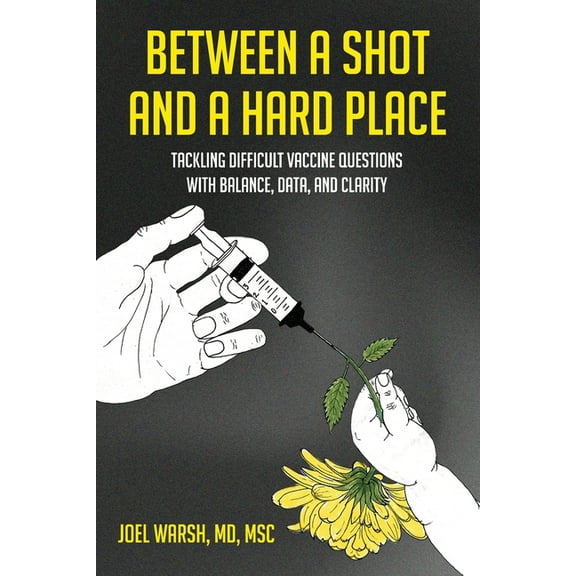 $2999current price $29.99
Between a Shot and a Hard Place, (Paperback)
Adding Healthy Years Beyond Retirement, (Paperback) $21.99
 $2199current price $21.99
Adding Healthy Years Beyond Retirement, (Paperback)
Contingency Management in Education (Paperback) $29.99
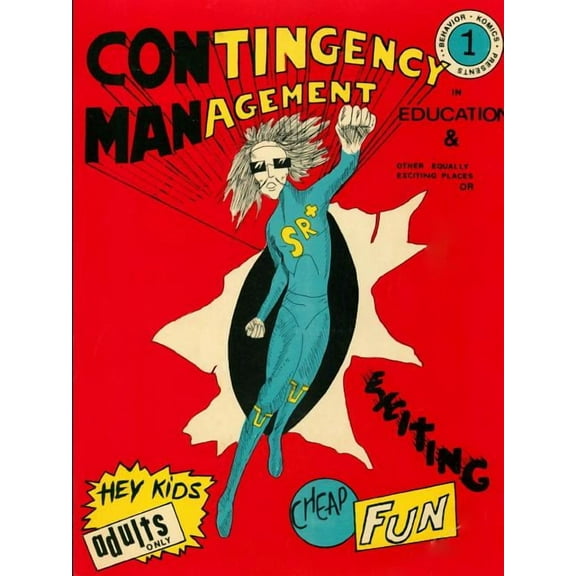 $2999current price $29.99
Contingency Management in Education (Paperback)
Design of Weldments, (Paperback) $27.63 Was $30.94
 $2763current price $27.63, Was $30.94$30.94
Design of Weldments, (Paperback)
Human Fertility, (Paperback) $26.99
 $2699current price $26.99
Human Fertility, (Paperback)
Marketing Management, (Paperback) $11.48
 $1148current price $11.48
Marketing Management, (Paperback)
Food for Thought (Paperback) $10.90
 $1090current price $10.90
Food for Thought (Paperback)
Best of Thirikkural: Wisdom to Enrich Yourself and Humanity, (Paperback) $14.02
 $1402current price $14.02
Best of Thirikkural: Wisdom to Enrich Yourself and Humanity, (Paperback)
Feeling Our Way: Embracing The Tender Heart, (Paperback) $24.58
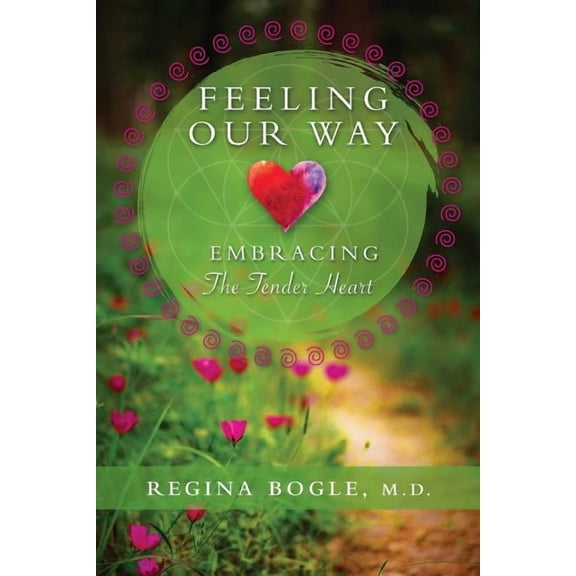 $2458current price $24.58
Feeling Our Way: Embracing The Tender Heart, (Paperback)
Best seller The Psychology of Money: Timeless Lessons on Wealth, Greed, and Happiness (Paperback) $10.99 Was $14.99
Best seller $1099current price $10.99, Was $14.99$14.99
The Psychology of Money: Timeless Lessons on Wealth, Greed, and Happiness (Paperback)
1404.5 out of 5 Stars. 140 reviewsBecome Who You Are Meant To Be: How To Let Life Take You There, (Paperback) $21.56 Was $24.99
 $2156current price $21.56, Was $24.99$24.99
Become Who You Are Meant To Be: How To Let Life Take You There, (Paperback)
The Ultimate Meaning of Life, (Paperback) $24.50
 $2450current price $24.50
The Ultimate Meaning of Life, (Paperback)
How to Grow Food in Your Polytunnel: Second Edition, (Paperback) $26.77
 $2677current price $26.77
How to Grow Food in Your Polytunnel: Second Edition, (Paperback)
Annetje Jans, (Paperback) $25.97
 $2597current price $25.97
Annetje Jans, (Paperback)
The Core of The Human Heart, (Paperback) $24.99
 $2499current price $24.99
The Core of The Human Heart, (Paperback)
Marketing Management, (Paperback) $14.83
 $1483current price $14.83
Marketing Management, (Paperback)
Walking Gone Wild, (Paperback) $28.04
 $2804current price $28.04
Walking Gone Wild, (Paperback)


Customer ratings & reviews
0 ratings|0 reviews
This item does not have any reviews yet
