


Hero image 0 of Imperatores Victi : Military Defeat and Aristocractic Competition in the Middle and Late Republic (Edition 1) (Hardcover), 0 of 1
Imperatores Victi : Military Defeat and Aristocractic Competition in the Middle and Late Republic (Edition 1) (Hardcover)
(No ratings yet)
Key item features
Given the intense competition among aristocrats seeking public office in the middle and late Roman Republic, one would expect that their persistent struggles for honor, glory, and power could have seriously undermined the state or damaged the cohesiveness of the ruling class. Rome in fact depended on aristocratic competition, since no professional bureaucracy directed public affairs and no salary was attached to any public office. But as Rosenstein adeptly shows, competition appears to have been surprisingly limited, in ways that curtailed the possible destructive effects of all-out contests between individuals.
Imperatores Victi examines one particularly striking case of such checks on competition. Military success at all times represented an abundant source of prestige and political strength at Rome. Generals who led armies to victory enjoyed a better-than-average chance of securing higher office upon their return from the field. Yet this study demonstrates that defeated generals were not barred from public office and in fact went on to win the Republic's most highly coveted and hotly contested offices in numbers virtually identical with those of their undefeated peers.
Rosenstein explores how this unexpected limit to competition functions, reviewing beliefs about the religious origins of defeat, assumptions about common soldiers' duties in battle, and definitions of honorable behavior of an aristocrat during a crisis. These perspectives were instrumental in shifting the onus of failure away from a general's person and in offering positive strategies a general might use to win glory and respect even in defeat and to silence potential critics among a failed general's peers. Such limits to competition had an impact on the larger problems of stability and coherence in the Republic and its political elite; these larger problems are discussed in the concluding chapter.
This title is part of UC Press's Voices Revived program, which commemorates University of California Press’s mission to seek out and cultivate the brightest minds and give them voice, reach, and impact. Drawing on a backlist dating to 1893, Voices Revived makes high-quality, peer-reviewed scholarship accessible once again using print-on-demand technology. This title was originally published in 1990.
Imperatores Victi examines one particularly striking case of such checks on competition. Military success at all times represented an abundant source of prestige and political strength at Rome. Generals who led armies to victory enjoyed a better-than-average chance of securing higher office upon their return from the field. Yet this study demonstrates that defeated generals were not barred from public office and in fact went on to win the Republic's most highly coveted and hotly contested offices in numbers virtually identical with those of their undefeated peers.
Rosenstein explores how this unexpected limit to competition functions, reviewing beliefs about the religious origins of defeat, assumptions about common soldiers' duties in battle, and definitions of honorable behavior of an aristocrat during a crisis. These perspectives were instrumental in shifting the onus of failure away from a general's person and in offering positive strategies a general might use to win glory and respect even in defeat and to silence potential critics among a failed general's peers. Such limits to competition had an impact on the larger problems of stability and coherence in the Republic and its political elite; these larger problems are discussed in the concluding chapter.
This title is part of UC Press's Voices Revived program, which commemorates University of California Press’s mission to seek out and cultivate the brightest minds and give them voice, reach, and impact. Drawing on a backlist dating to 1893, Voices Revived makes high-quality, peer-reviewed scholarship accessible once again using print-on-demand technology. This title was originally published in 1990.
Specs
- Manual & guide typeInstruction Manual
- Book formatHardcover
- Edition1
- Pages236
- LanguageEnglish
- BrandNathan S Rosenstein
Current price is USD$95.00
Price when purchased online
- Free shipping
 Free 90-day returns
How do you want your item?
Try 30 days of Free Shipping with Walmart+! Choose plan at checkout.
Columbus, 43215
Arrives by Tue, Apr 28
Sold and shipped by Walmart.com

Free 90-day returns

This item is gift eligible
More seller options (2)
Starting from $114.27

Get free delivery, shipping and more*
*Restrictions apply Try Walmart+ now
About this item
Product details
Given the intense competition among aristocrats seeking public office in the middle and late Roman Republic, one would expect that their persistent struggles for honor, glory, and power could have seriously undermined the state or damaged the cohesiveness of the ruling class. Rome in fact depended on aristocratic competition, since no professional bureaucracy directed public affairs and no salary was attached to any public office. But as Rosenstein adeptly shows, competition appears to have been surprisingly limited, in ways that curtailed the possible destructive effects of all-out contests between individuals. Imperatores Victi examines one particularly striking case of such checks on competition. Military success at all times represented an abundant source of prestige and political strength at Rome. Generals who led armies to victory enjoyed a better-than-average chance of securing higher office upon their return from the field. Yet this study demonstrates that defeated generals were not barred from public office and in fact went on to win the Republic's most highly coveted and hotly contested offices in numbers virtually identical with those of their undefeated peers. Rosenstein explores how this unexpected limit to competition functions, reviewing beliefs about the religious origins of defeat, assumptions about common soldiers' duties in battle, and definitions of honorable behavior of an aristocrat during a crisis. These perspectives were instrumental in shifting the onus of failure away from a general's person and in offering positive strategies a general might use to win glory and respect even in defeat and to silence potential critics among a failed general's peers. Such limits to competition had an impact on the larger problems of stability and coherence in the Republic and its political elite; these larger problems are discussed in the concluding chapter. This title is part of UC Press's Voices Revived program, which commemorates University of California Press's mission to seek out and cultivate the brightest minds and give them voice, reach, and impact. Drawing on a backlist dating to 1893, Voices Revived makes high-quality, peer-reviewed scholarship accessible once again using print-on-demand technology. This title was originally published in 1990.
Given the intense competition among aristocrats seeking public office in the middle and late Roman Republic, one would expect that their persistent struggles for honor, glory, and power could have seriously undermined the state or damaged the cohesiveness of the ruling class. Rome in fact depended on aristocratic competition, since no professional bureaucracy directed public affairs and no salary was attached to any public office. But as Rosenstein adeptly shows, competition appears to have been surprisingly limited, in ways that curtailed the possible destructive effects of all-out contests between individuals.
Imperatores Victi examines one particularly striking case of such checks on competition. Military success at all times represented an abundant source of prestige and political strength at Rome. Generals who led armies to victory enjoyed a better-than-average chance of securing higher office upon their return from the field. Yet this study demonstrates that defeated generals were not barred from public office and in fact went on to win the Republic's most highly coveted and hotly contested offices in numbers virtually identical with those of their undefeated peers.
Rosenstein explores how this unexpected limit to competition functions, reviewing beliefs about the religious origins of defeat, assumptions about common soldiers' duties in battle, and definitions of honorable behavior of an aristocrat during a crisis. These perspectives were instrumental in shifting the onus of failure away from a general's person and in offering positive strategies a general might use to win glory and respect even in defeat and to silence potential critics among a failed general's peers. Such limits to competition had an impact on the larger problems of stability and coherence in the Republic and its political elite; these larger problems are discussed in the concluding chapter.
This title is part of UC Press's Voices Revived program, which commemorates University of California Press’s mission to seek out and cultivate the brightest minds and give them voice, reach, and impact. Drawing on a backlist dating to 1893, Voices Revived makes high-quality, peer-reviewed scholarship accessible once again using print-on-demand technology. This title was originally published in 1990.
Imperatores Victi examines one particularly striking case of such checks on competition. Military success at all times represented an abundant source of prestige and political strength at Rome. Generals who led armies to victory enjoyed a better-than-average chance of securing higher office upon their return from the field. Yet this study demonstrates that defeated generals were not barred from public office and in fact went on to win the Republic's most highly coveted and hotly contested offices in numbers virtually identical with those of their undefeated peers.
Rosenstein explores how this unexpected limit to competition functions, reviewing beliefs about the religious origins of defeat, assumptions about common soldiers' duties in battle, and definitions of honorable behavior of an aristocrat during a crisis. These perspectives were instrumental in shifting the onus of failure away from a general's person and in offering positive strategies a general might use to win glory and respect even in defeat and to silence potential critics among a failed general's peers. Such limits to competition had an impact on the larger problems of stability and coherence in the Republic and its political elite; these larger problems are discussed in the concluding chapter.
This title is part of UC Press's Voices Revived program, which commemorates University of California Press’s mission to seek out and cultivate the brightest minds and give them voice, reach, and impact. Drawing on a backlist dating to 1893, Voices Revived makes high-quality, peer-reviewed scholarship accessible once again using print-on-demand technology. This title was originally published in 1990.
info:
We aim to show you accurate product information. Manufacturers, suppliers and others provide what you see here, and we have not verified it.
Specifications
Manual & guide type
Instruction Manual
Book format
Hardcover
Edition
1
Pages
236
Warranty
Warranty information
Please be aware that the warranty terms on items offered for sale by third party Marketplace sellers may differ from those displayed in this section (if any). To confirm warranty terms on an item offered for sale by a third party Marketplace seller, please use the 'Contact seller' feature on the third party Marketplace seller's information page and request the item's warranty terms prior to purchase.
Similar items you might like
Based on what customers bought
Education in Ancient Rome : From the Elder Cato to the Younger Pliny (Edition 1) (Hardcover) $89.23
 $8923current price $89.23
Education in Ancient Rome : From the Elder Cato to the Younger Pliny (Edition 1) (Hardcover)
The Metallurgy of Roman Silver Coinage, (Paperback) $73.47
 $7347current price $73.47
The Metallurgy of Roman Silver Coinage, (Paperback)
Peaceful Kings: Peace, Power and the Early Medieval Political Imagination, (Hardcover) $136.75
 $13675current price $136.75
Peaceful Kings: Peace, Power and the Early Medieval Political Imagination, (Hardcover)
Ancient Rome (Paperback) $115.74
 $11574current price $115.74
Ancient Rome (Paperback)
Law And Society In The Ancient World: The Discovery of the Fact (Hardcover) $76.35
 $7635current price $76.35
Law And Society In The Ancient World: The Discovery of the Fact (Hardcover)
Greek Culture in the Roman World The Social World of Intellectuals in the Roman Empire, (Hardcover) $123.11
 $12311current price $123.11
Greek Culture in the Roman World The Social World of Intellectuals in the Roman Empire, (Hardcover)
The Western Time of Ancient History, (Hardcover) $111.26
 $11126current price $111.26
The Western Time of Ancient History, (Hardcover)
Class in Archaic Greece, (Hardcover) $95.57
 $9557current price $95.57
Class in Archaic Greece, (Hardcover)
Rome and the Black Sea Region: Domination, Romanisation, Resistance, (Hardcover) $22.67 Was $36.11
 $2267current price $22.67, Was $36.11$36.11
Rome and the Black Sea Region: Domination, Romanisation, Resistance, (Hardcover)
Armies of the Ancient World Army and Society in Ptolemaic Egypt, (Hardcover) $154.00
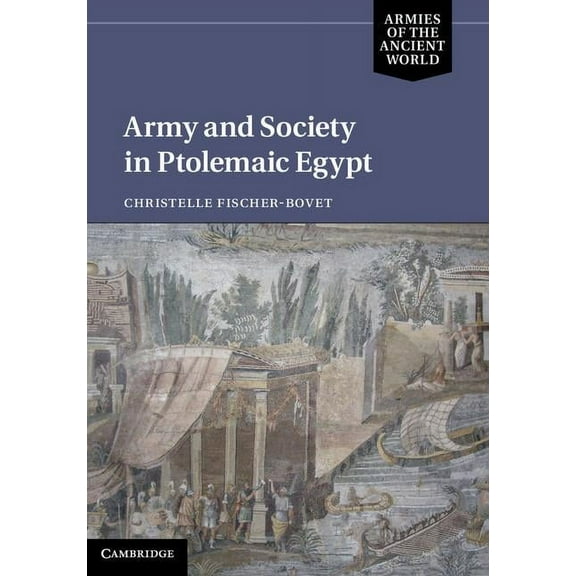 $15400current price $154.00
Armies of the Ancient World Army and Society in Ptolemaic Egypt, (Hardcover)
Palgrave Advances Palgrave Advances in the Modern History of Sexuality, (Hardcover) $90.11
 $9011current price $90.11
Palgrave Advances Palgrave Advances in the Modern History of Sexuality, (Hardcover)
Pax Romana, (Paperback) $49.95
 $4995current price $49.95
Pax Romana, (Paperback)
Starting to Teach Latin (Paperback) $38.41
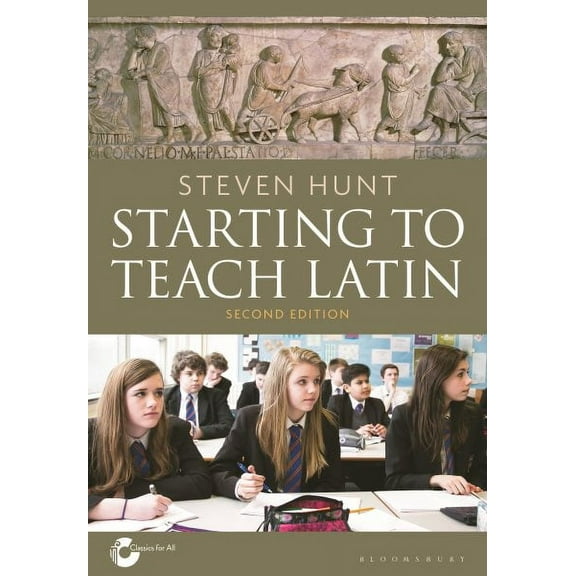 $3841current price $38.41
Starting to Teach Latin (Paperback)
Cornell Studies in Classical Philology Libanius the Sophist, Book 63, (Hardcover) $73.15
 $7315current price $73.15
Cornell Studies in Classical Philology Libanius the Sophist, Book 63, (Hardcover)
The Roman Cultural Revolution, (Paperback) $45.56
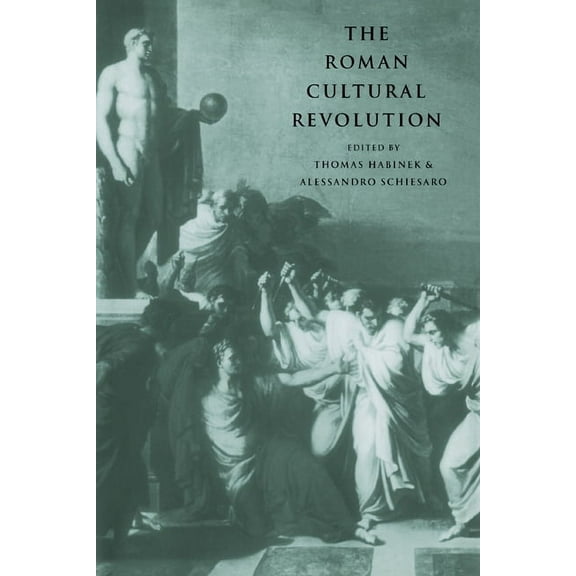 $4556current price $45.56
The Roman Cultural Revolution, (Paperback)
Themistius, Julian, and Greek Political Theory under Rome, (Paperback) $45.00
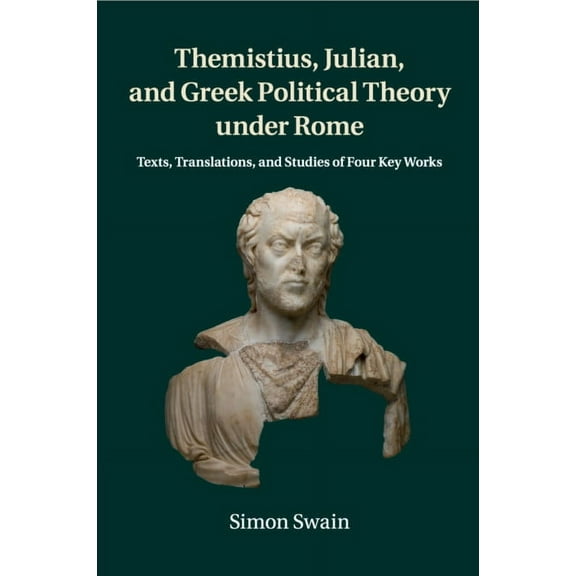 $4500current price $45.00
Themistius, Julian, and Greek Political Theory under Rome, (Paperback)
Roman Housing, (Paperback) $54.90
 $5490current price $54.90
Roman Housing, (Paperback)
Oklahoma Series in Classical Culture: Reading Lucan’s Civil War : A Critical Guide (Series #62) (Paperback) $42.02
 $4202current price $42.02
Oklahoma Series in Classical Culture: Reading Lucan’s Civil War : A Critical Guide (Series #62) (Paperback)
New Perspectives on the Roman Coinage on the Eastern Limes (Paperback) $77.78
 $7778current price $77.78
New Perspectives on the Roman Coinage on the Eastern Limes (Paperback)
Customer ratings & reviews
0 ratings|0 reviews
This item does not have any reviews yet

Related pages
- Best Sellers In Argentinian History
- Ernst-ulrich Hahmann
- Tertullian Ca 160-ca 230
- Nuclear North Korea
- Armand Husson
- Ernst Klett Sprachen Gmbh
- General Middle Eastern History Books
- Iran History Books
- Iraq Middle Eastern History Books
- Eastern European Literary Criticism Books
- Byzantine Empire History Books
- Eastern European History Books