


Hero image 0 of Mario Vargas Llosa : Public Intellectual in Neoliberal Latin America (Hardcover), 0 of 1
Mario Vargas Llosa : Public Intellectual in Neoliberal Latin America (Hardcover)
(No ratings yet)
Key item features
It would have been an ardent debate: Hugo Chávez, outspoken emblem of Latin American socialism, on one side and Mario Vargas Llosa, Peruvian novelist, polemical champion of the free market, and eventual winner of a Nobel Prize for literature, on the other. Unfortunately, it was not to be. For author Juan E. De Castro, what was most remarkable about the proposed debate was not only that it was going to happen in the first place but that Chávez called it off, a move that many chalked up to trepidation on the Venezuelan president’s part. Whatever the motivation, the cancellation served to affirm Vargas Llosa’s already substantial intellectual and political stature.
The idea of a sitting president debating a novelist may seem surprising to readers unfamiliar with Latin American politics, but Vargas Llosa has enjoyed considerable influence in the political arena, thanks in no small part to his run for the Peruvian presidency in 1990. Though he was awarded the Nobel Prize in 2010 for his literary achievements, he is as well known in the Spanish-speaking world for his political columns as he is for his novels. In his widely syndicated political pieces, Vargas Llosa asserts a position he calls “liberal” in the classical sense of affirming the importance of a free market and individual rights, though as De Castro argues, he has often aligned himself with groups that emphasize the former at the expense of the latter.
What makes Vargas Llosa’s rise to political prominence compelling is “not only that he is still a vibrantly active writer, but that he was at the time of the beginning of his rise to literary fame, and throughout the 1960s, a staunch defender of the Cuban Revolution.” While his early literary output seemed to proclaim an allegiance with the Left, Vargas Llosa was soon to take a right turn that De Castro argues was anticipatory and representative of the Latin American embrace of the free market in the 1990s. Understanding Vargas Llosa’s political thought is thus of more than biographical interest. It is a key to understanding the social and cultural shifts that have taken place not only in Peru but throughout Latin America.
The idea of a sitting president debating a novelist may seem surprising to readers unfamiliar with Latin American politics, but Vargas Llosa has enjoyed considerable influence in the political arena, thanks in no small part to his run for the Peruvian presidency in 1990. Though he was awarded the Nobel Prize in 2010 for his literary achievements, he is as well known in the Spanish-speaking world for his political columns as he is for his novels. In his widely syndicated political pieces, Vargas Llosa asserts a position he calls “liberal” in the classical sense of affirming the importance of a free market and individual rights, though as De Castro argues, he has often aligned himself with groups that emphasize the former at the expense of the latter.
What makes Vargas Llosa’s rise to political prominence compelling is “not only that he is still a vibrantly active writer, but that he was at the time of the beginning of his rise to literary fame, and throughout the 1960s, a staunch defender of the Cuban Revolution.” While his early literary output seemed to proclaim an allegiance with the Left, Vargas Llosa was soon to take a right turn that De Castro argues was anticipatory and representative of the Latin American embrace of the free market in the 1990s. Understanding Vargas Llosa’s political thought is thus of more than biographical interest. It is a key to understanding the social and cultural shifts that have taken place not only in Peru but throughout Latin America.
Specs
- Book formatHardcover
- Fiction/nonfictionNon-Fiction
- Publication dateSeptember, 2011
- Pages192
- Edition1
- Original languagesEnglish
Current price is USD$52.51
Price when purchased online
Out of stock
How do you want your item?
Out of stock
About this item
Product details
Mario Vargas Llosa has enjoyed considerable influence in the political arena, thanks in no small part to his run for the Peruvian presidency in 1990. Though he was awarded the Nobel Prize in 2010 for his literary achievements, he is as well known in the Spanish-speaking world for his political columns as his novels. In his widely syndicated columns, Vargas Llosa asserts a “liberal” position, in the classical sense of affirming the importance of a free market and individual rights, though he has often aligned himself with groups that emphasize the former at the expense of the latter. While his early literary output seemed to proclaim an allegiance with the Left, Vargas Llosa took a right turn that Juan E. De Castro argues was anticipatory and representative of the Latin American embrace of the free market in the 1990s. Thus, Vargas Llosa’s political thought provides a key for understanding social and cultural shifts that have taken place throughout Latin America.
It would have been an ardent debate: Hugo Chávez, outspoken emblem of Latin American socialism, on one side and Mario Vargas Llosa, Peruvian novelist, polemical champion of the free market, and eventual winner of a Nobel Prize for literature, on the other. Unfortunately, it was not to be. For author Juan E. De Castro, what was most remarkable about the proposed debate was not only that it was going to happen in the first place but that Chávez called it off, a move that many chalked up to trepidation on the Venezuelan president’s part. Whatever the motivation, the cancellation served to affirm Vargas Llosa’s already substantial intellectual and political stature.
The idea of a sitting president debating a novelist may seem surprising to readers unfamiliar with Latin American politics, but Vargas Llosa has enjoyed considerable influence in the political arena, thanks in no small part to his run for the Peruvian presidency in 1990. Though he was awarded the Nobel Prize in 2010 for his literary achievements, he is as well known in the Spanish-speaking world for his political columns as he is for his novels. In his widely syndicated political pieces, Vargas Llosa asserts a position he calls “liberal” in the classical sense of affirming the importance of a free market and individual rights, though as De Castro argues, he has often aligned himself with groups that emphasize the former at the expense of the latter.
What makes Vargas Llosa’s rise to political prominence compelling is “not only that he is still a vibrantly active writer, but that he was at the time of the beginning of his rise to literary fame, and throughout the 1960s, a staunch defender of the Cuban Revolution.” While his early literary output seemed to proclaim an allegiance with the Left, Vargas Llosa was soon to take a right turn that De Castro argues was anticipatory and representative of the Latin American embrace of the free market in the 1990s. Understanding Vargas Llosa’s political thought is thus of more than biographical interest. It is a key to understanding the social and cultural shifts that have taken place not only in Peru but throughout Latin America.
The idea of a sitting president debating a novelist may seem surprising to readers unfamiliar with Latin American politics, but Vargas Llosa has enjoyed considerable influence in the political arena, thanks in no small part to his run for the Peruvian presidency in 1990. Though he was awarded the Nobel Prize in 2010 for his literary achievements, he is as well known in the Spanish-speaking world for his political columns as he is for his novels. In his widely syndicated political pieces, Vargas Llosa asserts a position he calls “liberal” in the classical sense of affirming the importance of a free market and individual rights, though as De Castro argues, he has often aligned himself with groups that emphasize the former at the expense of the latter.
What makes Vargas Llosa’s rise to political prominence compelling is “not only that he is still a vibrantly active writer, but that he was at the time of the beginning of his rise to literary fame, and throughout the 1960s, a staunch defender of the Cuban Revolution.” While his early literary output seemed to proclaim an allegiance with the Left, Vargas Llosa was soon to take a right turn that De Castro argues was anticipatory and representative of the Latin American embrace of the free market in the 1990s. Understanding Vargas Llosa’s political thought is thus of more than biographical interest. It is a key to understanding the social and cultural shifts that have taken place not only in Peru but throughout Latin America.
info:
We aim to show you accurate product information. Manufacturers, suppliers and others provide what you see here, and we have not verified it.
Specifications
Book format
Hardcover
Fiction/nonfiction
Non-Fiction
Genre
Biography & Autobiography/Literary Figures, Literary Criticism/Caribbean & Latin American, Political Science/Political Ideologies - General, Political Science/World - Caribbean & Latin American
Publication date
September, 2011
Warranty
Warranty information
Please be aware that the warranty terms on items offered for sale by third party Marketplace sellers may differ from those displayed in this section (if any). To confirm warranty terms on an item offered for sale by a third party Marketplace seller, please use the 'Contact seller' feature on the third party Marketplace seller's information page and request the item's warranty terms prior to purchase.
Similar items you might like
Based on what customers bought
Latin American Studies Borges and the Politics of Form, (Paperback) $77.75
 $7775current price $77.75
Latin American Studies Borges and the Politics of Form, (Paperback)
Obra PeriodÃstica El Reverso de la UtopÃa: América Latina Y Oriente Medio / The Other Side of Utopia: Latin America and the Middle East, (Paperback) $24.57
 $2457current price $24.57
Obra PeriodÃstica El Reverso de la UtopÃa: América Latina Y Oriente Medio / The Other Side of Utopia: Latin America and the Middle East, (Paperback)
Life Of Maximilian I, Late Emperor Of Mexico : With A Sketch Of The Empress Carlota (Hardcover) $46.18
 $4618current price $46.18
Life Of Maximilian I, Late Emperor Of Mexico : With A Sketch Of The Empress Carlota (Hardcover)
Vargas Llosa and Latin American Politics, (Hardcover) $56.14
 $5614current price $56.14
Vargas Llosa and Latin American Politics, (Hardcover)
Latinx and Latin American Profiles Welcome to Oxnard: Race, Place, and Chicana Adolescence in Michele Serros's Writings, (Hardcover) $33.38
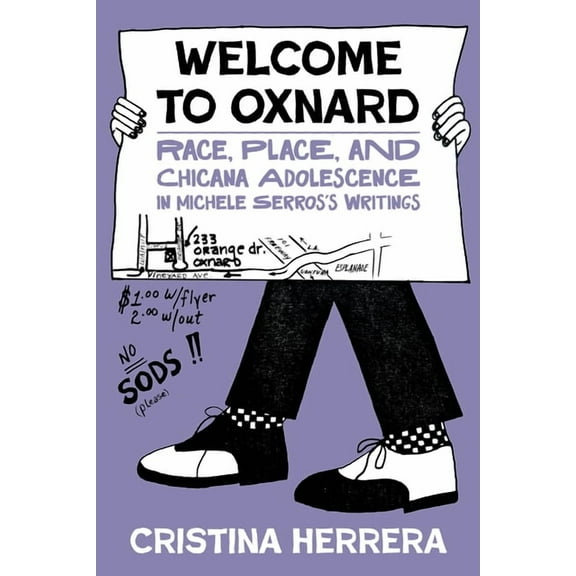 $3338current price $33.38
Latinx and Latin American Profiles Welcome to Oxnard: Race, Place, and Chicana Adolescence in Michele Serros's Writings, (Hardcover)
Literatures of the Americas Mexican Public Intellectuals, (Hardcover) $56.14
 $5614current price $56.14
Literatures of the Americas Mexican Public Intellectuals, (Hardcover)
New Directions in Latino American Cultur The Ethics of Latin American Literary Criticism: Reading Otherwise, (Hardcover) $56.14
 $5614current price $56.14
New Directions in Latino American Cultur The Ethics of Latin American Literary Criticism: Reading Otherwise, (Hardcover)
Class: Culture Dialectical Imaginaries: Materialist Approaches to U.S. Latino/A Literature in the Age of Neoliberalism, (Paperback) $45.41
 $4541current price $45.41
Class: Culture Dialectical Imaginaries: Materialist Approaches to U.S. Latino/A Literature in the Age of Neoliberalism, (Paperback)
Latin American Perspectives in the Class Urban Latin America: Inequalities and Neoliberal Reforms, (Paperback) $55.97
 $5597current price $55.97
Latin American Perspectives in the Class Urban Latin America: Inequalities and Neoliberal Reforms, (Paperback)
Writing Revolution in Latin America: From Martà to GarcÃa Márquez to Bolaño, (Paperback) $44.36
 $4436current price $44.36
Writing Revolution in Latin America: From Martà to GarcÃa Márquez to Bolaño, (Paperback)
Latinos in American Society and Culture Border Correspondent: Selected Writings, 1955-1970 Volume 6, (Hardcover) $57.88
 $5788current price $57.88
Latinos in American Society and Culture Border Correspondent: Selected Writings, 1955-1970 Volume 6, (Hardcover)
Narratives of Vulnerability in Mexico's War on Drugs, (Hardcover) $60.29
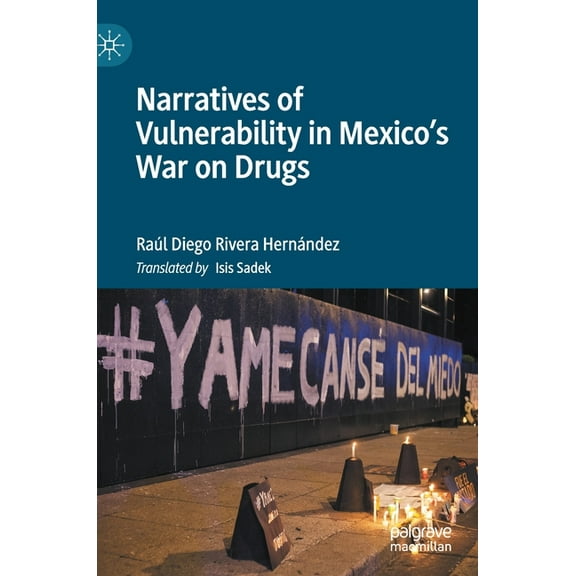 $6029current price $60.29
Narratives of Vulnerability in Mexico's War on Drugs, (Hardcover)
Private Topographies: Space, Subjectivity and Political Change in Modern Latin America, (Hardcover) $49.93
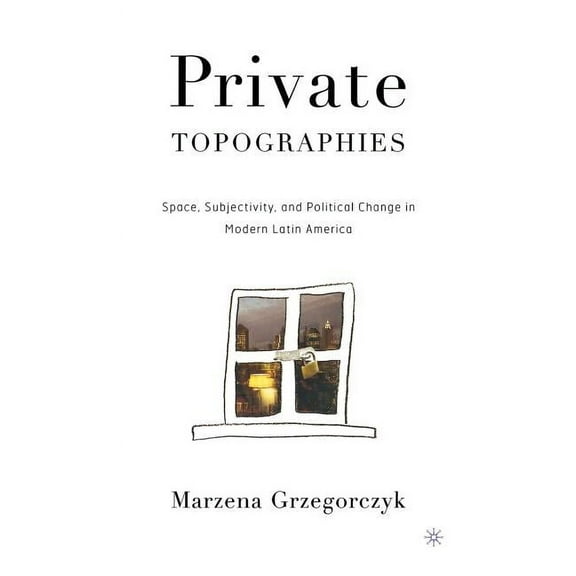 $4993current price $49.93
Private Topographies: Space, Subjectivity and Political Change in Modern Latin America, (Hardcover)
Has Latin American Inequality Changed Direction?: Looking Over the Long Run, (Hardcover) $49.82
 $4982current price $49.82
Has Latin American Inequality Changed Direction?: Looking Over the Long Run, (Hardcover)
Oligarchy in the Americas: Comparing Oligarchic Rule in Latin America and the United States, (Hardcover) $44.37
 $4437current price $44.37
Oligarchy in the Americas: Comparing Oligarchic Rule in Latin America and the United States, (Hardcover)
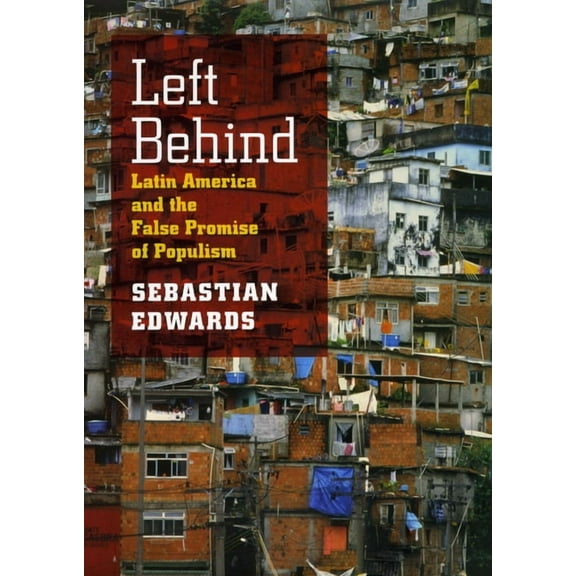
Left Behind: Latin America and the False Promise of Populism, (Hardcover) $53.27
 $5327current price $53.27
Left Behind: Latin America and the False Promise of Populism, (Hardcover)
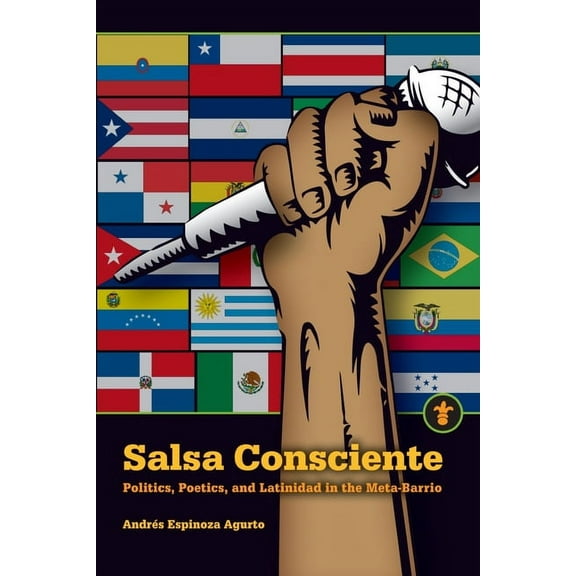
Latinos in the United States: Salsa Consciente : Politics, Poetics, and Latinidad in the Meta-Barrio (Paperback) $40.54
 $4054current price $40.54
Latinos in the United States: Salsa Consciente : Politics, Poetics, and Latinidad in the Meta-Barrio (Paperback)
Narratives of Femicide Perpetrators in Latin America: Taking Lives, (Hardcover) $32.39
 $3239current price $32.39
Narratives of Femicide Perpetrators in Latin America: Taking Lives, (Hardcover)
Microalgae Cultures: Environmental Tool and Bioenergy Source, (Hardcover) $44.59
 $4459current price $44.59
Microalgae Cultures: Environmental Tool and Bioenergy Source, (Hardcover)
Biografia Popular del Benemerito de America Benito Juarez (1906) (Hardcover) $47.13
 $4713current price $47.13
Biografia Popular del Benemerito de America Benito Juarez (1906) (Hardcover)
Customer ratings & reviews
0 ratings|0 reviews
This item does not have any reviews yet
