

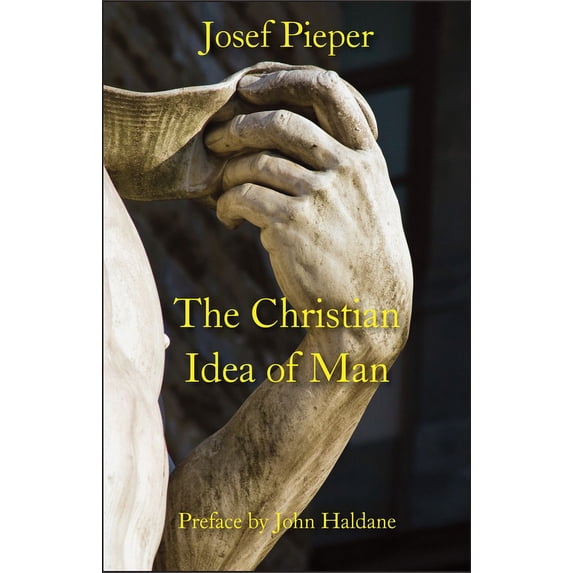
Hero image 0 of The Christian Idea of Man (Hardcover), 0 of 1
The Christian Idea of Man (Hardcover)
(No ratings yet)
Key item features
In The Christian Idea of Man Josef Pieper brings off an extraordinary feat. He acknowledges that whoever introduces the theme of “virtue” and “the virtues” can expect to be met with a smile – of various shades of condescension. He then proceeds to single out “prudence” as the fundamental virtue on which the other cardinal virtues are based. In defining it, he does away with the shallow connotations which have debased it in modern times. Similarly, he manages to divest it of all traces of “moralism,” which, to a large extent has become identified with the Christian idea of virtue and has made it fall into general disrepute.
For Pieper, prudence is fundamentally based on a clear perception of reality – of things as they are – and the prudent person is the one who acts in accordance with this perception. It has nothing to do with knowing how to avoid decisions which might be to one’s disadvantage. Similarly, justice, which is based on prudence, involves acting toward other persons according to one’s perception of the truth of the circumstances – again, a perception of things “as they are.” This is not a reference to any “status quo,” but to the reality as constituted by the Creator.
In referring to courage [fortitude], Pieper discusses the overcoming of fear. This does not imply having no fear but, precisely, overcoming it. With regard to the fundamental fear of death, Pieper rejects the approaches which contend that there is nothing to fear in death. On the contrary, there is everything to fear in death: it concerns the question of possible absolute annihilation! Here Pieper introduces the consideration of the “theological” virtues of faith, hope, and love [charity]. When confronted with the question of possible annihilation, the Christian’s faith is paramount. Belief in God lets him confront danger and overcome even the most radical fear – through hope in God.
His love of God does not wipe out fear but gives him courage.
Moderation is seen as the last in the hierarchy of the cardinal virtues. Through its manifestation, in recent Christian thinking, with chastity and abstinence, it became in the Christian mind the most prominent characteristic of the Christian idea of man and one that dominated everything else. It has been reduced to the status of the most private of the virtues and is combined with a moralistic conception of the good. Pieper’s analysis of moderation shows how this virtue needs to be rethought, although, even then, it will remain the last in the hierarchy of virtues.
For Pieper, prudence is fundamentally based on a clear perception of reality – of things as they are – and the prudent person is the one who acts in accordance with this perception. It has nothing to do with knowing how to avoid decisions which might be to one’s disadvantage. Similarly, justice, which is based on prudence, involves acting toward other persons according to one’s perception of the truth of the circumstances – again, a perception of things “as they are.” This is not a reference to any “status quo,” but to the reality as constituted by the Creator.
In referring to courage [fortitude], Pieper discusses the overcoming of fear. This does not imply having no fear but, precisely, overcoming it. With regard to the fundamental fear of death, Pieper rejects the approaches which contend that there is nothing to fear in death. On the contrary, there is everything to fear in death: it concerns the question of possible absolute annihilation! Here Pieper introduces the consideration of the “theological” virtues of faith, hope, and love [charity]. When confronted with the question of possible annihilation, the Christian’s faith is paramount. Belief in God lets him confront danger and overcome even the most radical fear – through hope in God.
His love of God does not wipe out fear but gives him courage.
Moderation is seen as the last in the hierarchy of the cardinal virtues. Through its manifestation, in recent Christian thinking, with chastity and abstinence, it became in the Christian mind the most prominent characteristic of the Christian idea of man and one that dominated everything else. It has been reduced to the status of the most private of the virtues and is combined with a moralistic conception of the good. Pieper’s analysis of moderation shows how this virtue needs to be rethought, although, even then, it will remain the last in the hierarchy of virtues.
Specs
- Book formatHardcover
- Fiction/nonfictionNon-Fiction
- GenreReligion
- Publication dateAugust, 2011
- Pages64
- EditionFirst Edition
Current price is USD$21.32
Price when purchased online
- Free shipping
 Free 30-day returns
How do you want your item?
Ships to
Arrives between Jun 29 - Jul 6
|
Sold and shipped by newbookdeals
4.564700049578582 stars out of 5, based on 2017 seller reviews(4.6)2017 seller reviews

Free 30-day returns
About this item
Product details
9781587311116. New condition. Hard cover. Language: English. Pages: 64. Sewn binding. Cloth over boards. 64 p. In The Christian Idea of Man Josef Pieper brings off an extraordinary feat. He acknowledges that whoever introduces the theme of "virtue" and "the virtues" can expect to be met with a smile - of various shades of condescension. He then proceeds to single out "prudence" as the fundamental virtue on which the other cardinal virtues are based. In defining it, he does away with the shallow connotations which have debased it in modern times. Similarly, he manages to divest it of all traces of "moralism," which, to a large extent has become identified with the Christian idea of virtue and has made it fall into general disrepute. For Pieper, prudence is fundamentally based on a clear perception of reality - of things as they are - and the prudent person is the one who acts in accordance with this perception. It has nothing to do with knowing how to avoid decisions which might be to one's disadvantage. Similarly, justice, which is based on prudence, involves acting toward other persons according to one's perception of the truth of the circumstances - again, a perception of things "as they are." This is not a reference to any "status quo," but to the reality as constituted by the Creator. In referring to courage [fortitude], Pieper discusses the overcoming of fear. This does not imply having no fear but, precisely, overcoming it. With regard to the fundamental fear of death, Pieper rejects the approaches which contend that there is nothing to fear in death. On the contrary, there is everything to fear in death: it concerns the question of possible absolute annihilation! Here Pieper introduces the consideration of the "theological" virtues of faith, hope, and love [charity]. When confronted with the question of possible annihilation, the Christian's faith is paramount. Belief in God lets him confront danger and overcome even the most radical fear - through hope in God. His love of God does not wipe out fear but gives him courage. Moderation is seen as the last in the hierarchy of the cardinal virtues. Through its manifestation, in recent Christian thinking, with chastity and abstinence, it became in the Christian mind the most prominent characteristic of the Christian idea of man and one that dominated everything else. It has been reduced to the status of the most private of the virtues and is combined with a moralistic conception of the good. Pieper's analysis of moderation shows how this virtue needs to be rethought, although, even then, it will remain the last in the hierarchy of virtues.
In The Christian Idea of Man Josef Pieper brings off an extraordinary feat. He acknowledges that whoever introduces the theme of “virtue” and “the virtues” can expect to be met with a smile – of various shades of condescension. He then proceeds to single out “prudence” as the fundamental virtue on which the other cardinal virtues are based. In defining it, he does away with the shallow connotations which have debased it in modern times. Similarly, he manages to divest it of all traces of “moralism,” which, to a large extent has become identified with the Christian idea of virtue and has made it fall into general disrepute.
For Pieper, prudence is fundamentally based on a clear perception of reality – of things as they are – and the prudent person is the one who acts in accordance with this perception. It has nothing to do with knowing how to avoid decisions which might be to one’s disadvantage. Similarly, justice, which is based on prudence, involves acting toward other persons according to one’s perception of the truth of the circumstances – again, a perception of things “as they are.” This is not a reference to any “status quo,” but to the reality as constituted by the Creator.
In referring to courage [fortitude], Pieper discusses the overcoming of fear. This does not imply having no fear but, precisely, overcoming it. With regard to the fundamental fear of death, Pieper rejects the approaches which contend that there is nothing to fear in death. On the contrary, there is everything to fear in death: it concerns the question of possible absolute annihilation! Here Pieper introduces the consideration of the “theological” virtues of faith, hope, and love [charity]. When confronted with the question of possible annihilation, the Christian’s faith is paramount. Belief in God lets him confront danger and overcome even the most radical fear – through hope in God.
His love of God does not wipe out fear but gives him courage.
Moderation is seen as the last in the hierarchy of the cardinal virtues. Through its manifestation, in recent Christian thinking, with chastity and abstinence, it became in the Christian mind the most prominent characteristic of the Christian idea of man and one that dominated everything else. It has been reduced to the status of the most private of the virtues and is combined with a moralistic conception of the good. Pieper’s analysis of moderation shows how this virtue needs to be rethought, although, even then, it will remain the last in the hierarchy of virtues.
For Pieper, prudence is fundamentally based on a clear perception of reality – of things as they are – and the prudent person is the one who acts in accordance with this perception. It has nothing to do with knowing how to avoid decisions which might be to one’s disadvantage. Similarly, justice, which is based on prudence, involves acting toward other persons according to one’s perception of the truth of the circumstances – again, a perception of things “as they are.” This is not a reference to any “status quo,” but to the reality as constituted by the Creator.
In referring to courage [fortitude], Pieper discusses the overcoming of fear. This does not imply having no fear but, precisely, overcoming it. With regard to the fundamental fear of death, Pieper rejects the approaches which contend that there is nothing to fear in death. On the contrary, there is everything to fear in death: it concerns the question of possible absolute annihilation! Here Pieper introduces the consideration of the “theological” virtues of faith, hope, and love [charity]. When confronted with the question of possible annihilation, the Christian’s faith is paramount. Belief in God lets him confront danger and overcome even the most radical fear – through hope in God.
His love of God does not wipe out fear but gives him courage.
Moderation is seen as the last in the hierarchy of the cardinal virtues. Through its manifestation, in recent Christian thinking, with chastity and abstinence, it became in the Christian mind the most prominent characteristic of the Christian idea of man and one that dominated everything else. It has been reduced to the status of the most private of the virtues and is combined with a moralistic conception of the good. Pieper’s analysis of moderation shows how this virtue needs to be rethought, although, even then, it will remain the last in the hierarchy of virtues.
info:
We aim to show you accurate product information. Manufacturers, suppliers and others provide what you see here, and we have not verified it.
Specifications
Book format
Hardcover
Fiction/nonfiction
Non-Fiction
Genre
Religion
Publication date
August, 2011
Warranty
Warranty information
Please be aware that the warranty terms on items offered for sale by third party Marketplace sellers may differ from those displayed in this section (if any). To confirm warranty terms on an item offered for sale by a third party Marketplace seller, please use the 'Contact seller' feature on the third party Marketplace seller's information page and request the item's warranty terms prior to purchase.
Similar items you might like
Based on what customers bought
South Carolina Antiquities v.47 (Paperback) $19.99
 $1999current price $19.99
South Carolina Antiquities v.47 (Paperback)
Yahshua: The Hebrew Name of Jesus, (Hardcover) $20.00
 $2000current price $20.00
Yahshua: The Hebrew Name of Jesus, (Hardcover)
Introducing Cultural Anthropology: A Christian Perspective, (Paperback) $5.96
 $596current price $5.96
Introducing Cultural Anthropology: A Christian Perspective, (Paperback)
The Secret of the Holy Face, (Hardcover) $15.45
 $1545current price $15.45
The Secret of the Holy Face, (Hardcover)
35 out of 5 Stars. 3 reviewsThe Deeper Secret Teachings of Christ, (Hardcover) $20.13
 $2013current price $20.13
The Deeper Secret Teachings of Christ, (Hardcover)
Pre-Owned Acedia & Me: A Marriage, Monks, and a Writer's Life (Hardcover) 1594489963 9781594489969 $5.02
 3 optionsAvailable in additional 3 options$502current price $5.02
Pre-Owned Acedia & Me: A Marriage, Monks, and a Writer's Life (Hardcover) 1594489963 9781594489969
Ecotheology: A Christian Conversation, (Paperback) $23.21
 $2321current price $23.21
Ecotheology: A Christian Conversation, (Paperback)
The Unvarnished Jesus: The Beauty of Christ and His Ugly Rivals, (Hardcover) $21.80
 $2180current price $21.80
The Unvarnished Jesus: The Beauty of Christ and His Ugly Rivals, (Hardcover)
Basics of the Faith: What Is Man? (Paperback) $12.03
 $1203current price $12.03
Basics of the Faith: What Is Man? (Paperback)
Pre-Owned In the Likeness of God: The Dr. Paul Brand Tribute Edition of Fearfully and Wonderfully Made and in His Image (Hardcover) 0310257425 9780310257424 $14.87
 $1487current price $14.87
Pre-Owned In the Likeness of God: The Dr. Paul Brand Tribute Edition of Fearfully and Wonderfully Made and in His Image (Hardcover) 0310257425 9780310257424
The Life of Jesus: Fully annotated edition, (Hardcover) $21.99
 $2199current price $21.99
The Life of Jesus: Fully annotated edition, (Hardcover)
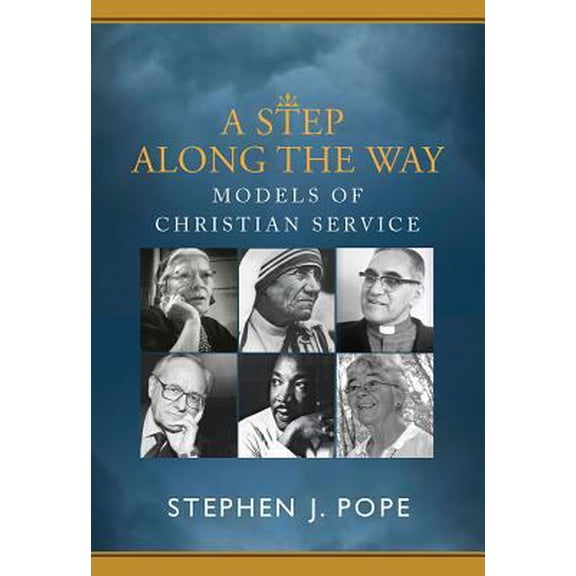
Pre-Owned A Step Along the Way: Models of Christian Service (Paperback) 1626981183 9781626981188 $14.22
 2 optionsAvailable in additional 2 options$1422current price $14.22
Pre-Owned A Step Along the Way: Models of Christian Service (Paperback) 1626981183 9781626981188
Simple Faith: Choice (Paperback) $9.40
 $940current price $9.40
Simple Faith: Choice (Paperback)
Pre-Owned Forgetting Whose We Are (Paperback) 0687020883 9780687020881 $6.53
 2 optionsAvailable in additional 2 options$653current price $6.53
Pre-Owned Forgetting Whose We Are (Paperback) 0687020883 9780687020881
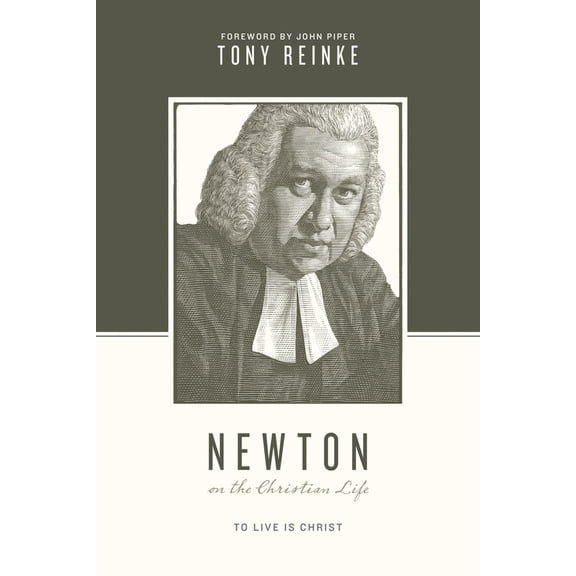
Pre-Owned Newton on the Christian Life: To Live Is Christ (Paperback) 1433539713 9781433539718 $9.72
 $972current price $9.72
Pre-Owned Newton on the Christian Life: To Live Is Christ (Paperback) 1433539713 9781433539718
Pre-Owned Theology of Body Made Simple (Paperback) 0819874191 9780819874191 $4.88 Was $6.47
 2 optionsAvailable in additional 2 options$488current price $4.88, Was $6.47$6.47
Pre-Owned Theology of Body Made Simple (Paperback) 0819874191 9780819874191
Pre-Owned When Jesus Was Born in Bethlehem (Hardcover) 1573458414 9781573458412 $4.35 Was $5.42
 2 optionsAvailable in additional 2 options$435current price $4.35, Was $5.42$5.42
Pre-Owned When Jesus Was Born in Bethlehem (Hardcover) 1573458414 9781573458412
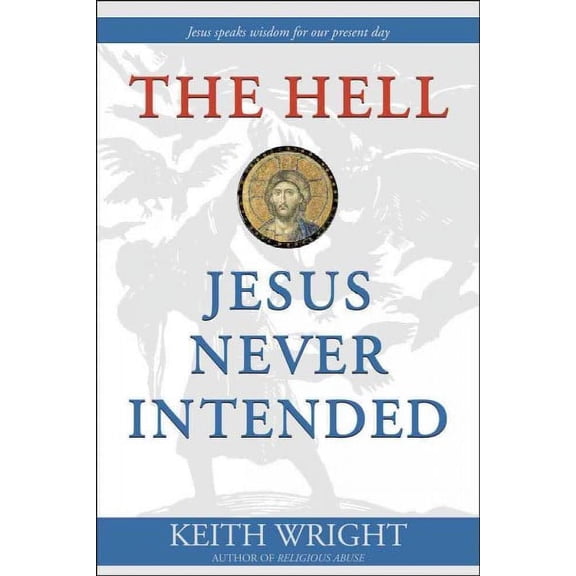
The Hell Jesus Never Intended $5.24 Was $7.59
 $524current price $5.24, Was $7.59$7.59
The Hell Jesus Never Intended
Pre-Owned Confession of sin (John MacArthur's Bible studies) (Paperback) 0802450938 9780802450937 $6.49
 $649current price $6.49
Pre-Owned Confession of sin (John MacArthur's Bible studies) (Paperback) 0802450938 9780802450937

Customer ratings & reviews
0 ratings|0 reviews
This item does not have any reviews yet

Related pages
- Best Sellers In Christian Ministry Church Leadership
- Best Sellers In Christian Church Leadership
- Seventh-Day Adventist Books
- God Debates
- God Work
- Testament Recovery Version
- End Times Ministries
- Ecclesiology Books
- Christian Canon & Ecclesiastical Law Books
- Christian Anthropology Books
- Religious Leadership Books
- Church Leadership Books