


The Katas : The Meaning behind the Movements (Paperback)
(No ratings yet)
Key item features
The embodiment of the ancient knowledge that underlies the dedication-to-perfection philosophy of Japan
• How mastering these specific movement sequences known as katas provides a way to deepen one’s martial arts practice spiritually
• Explores the psychological and social importance of the katas in martial arts and Japanese society, including their role in seppuku (ritual suicide)
• Includes many examples from the lives of famous masters, from the legendary samurai Miyamoto Musashi to 20th-century poet Yukio Mishima
An essential part of the martial arts of Japan, such as sumo and karate, the katas are specific sequences of movement that originated during Sakoku, Japan’s period of closure to the outside world from 1633 until 1853. The dedication-to-perfection philosophy of the katas, ubiquitous in Japanese society, is vital to understanding the spiritual aspects of their martial arts as well as other traditional Japanese arts, such as flower arranging, chadō (tea ceremonies), and kabuki theater.
With examples from the lives of famous masters, from legendary samurai Miyamoto Musashi to 20th-century poet Yukio Mishima, this book explores the psychological and social importance of the katas, including their role in seppuku (ritual suicide), the student-master relationship, and gyo (the point at which the practitioner breaks the mold of the kata and begins to embody it). Looking at their origins in the warrior class and how this pursuit of perfection is ultimately a way to accept the power of death, the author explains how performing the katas transmits ancient knowledge much deeper than just technical movements, providing a way to deepen one’s martial arts practice spiritually.
• How mastering these specific movement sequences known as katas provides a way to deepen one’s martial arts practice spiritually
• Explores the psychological and social importance of the katas in martial arts and Japanese society, including their role in seppuku (ritual suicide)
• Includes many examples from the lives of famous masters, from the legendary samurai Miyamoto Musashi to 20th-century poet Yukio Mishima
An essential part of the martial arts of Japan, such as sumo and karate, the katas are specific sequences of movement that originated during Sakoku, Japan’s period of closure to the outside world from 1633 until 1853. The dedication-to-perfection philosophy of the katas, ubiquitous in Japanese society, is vital to understanding the spiritual aspects of their martial arts as well as other traditional Japanese arts, such as flower arranging, chadō (tea ceremonies), and kabuki theater.
With examples from the lives of famous masters, from legendary samurai Miyamoto Musashi to 20th-century poet Yukio Mishima, this book explores the psychological and social importance of the katas, including their role in seppuku (ritual suicide), the student-master relationship, and gyo (the point at which the practitioner breaks the mold of the kata and begins to embody it). Looking at their origins in the warrior class and how this pursuit of perfection is ultimately a way to accept the power of death, the author explains how performing the katas transmits ancient knowledge much deeper than just technical movements, providing a way to deepen one’s martial arts practice spiritually.
Specs
- Book formatPaperback
- Fiction/nonfictionNon-Fiction
- GenreSports & Recreation
- Publication dateSeptember, 2010
- Pages192
- EditionTranslation
Current price is USD$16.92
Price when purchased online
- Free shipping
 Free 30-day returns
How do you want your item?
Columbus, 43215
Arrives between May 12 - May 18
|
Sold and shipped by newbookdeals
4.5602910602910605 stars out of 5, based on 1924 seller reviews(4.6)1924 seller reviews

Free 30-day returns - in store or online
More seller options (1)
Starting from $24.20
About this item
Product details
The embodiment of the ancient knowledge that underlies the dedication-to-perfection philosophy of Japan - How mastering these specific movement sequences known as katas provides a way to deepen one's martial arts practice spiritually - Explores the psychological and social importance of the katas in martial arts and Japanese society, including their role in seppuku (ritual suicide) - Includes many examples from the lives of famous masters, from the legendary samurai Miyamoto Musashi to 20th-century poet Yukio Mishima An essential part of the martial arts of Japan, such as sumo and karate, the katas are specific sequences of movement that originated during Sakoku, Japan's period of closure to the outside world from 1633 until 1853. The dedication-to-perfection philosophy of the katas, ubiquitous in Japanese society, is vital to understanding the spiritual aspects of their martial arts as well as other traditional Japanese arts, such as flower arranging, chadō (tea ceremonies), and kabuki theater. With examples from the lives of famous masters, from legendary samurai Miyamoto Musashi to 20th-century poet Yukio Mishima, this book explores the psychological and social importance of the katas, including their role in seppuku (ritual suicide), the student-master relationship, and gyo (the point at which the practitioner breaks the mold of the kata and begins to embody it). Looking at their origins in the warrior class and how this pursuit of perfection is ultimately a way to accept the power of death, the author explains how performing the katas transmits ancient knowledge much deeper than just technical movements, providing a way to deepen one's martial arts practice spiritually.
The embodiment of the ancient knowledge that underlies the dedication-to-perfection philosophy of Japan
• How mastering these specific movement sequences known as katas provides a way to deepen one’s martial arts practice spiritually
• Explores the psychological and social importance of the katas in martial arts and Japanese society, including their role in seppuku (ritual suicide)
• Includes many examples from the lives of famous masters, from the legendary samurai Miyamoto Musashi to 20th-century poet Yukio Mishima
An essential part of the martial arts of Japan, such as sumo and karate, the katas are specific sequences of movement that originated during Sakoku, Japan’s period of closure to the outside world from 1633 until 1853. The dedication-to-perfection philosophy of the katas, ubiquitous in Japanese society, is vital to understanding the spiritual aspects of their martial arts as well as other traditional Japanese arts, such as flower arranging, chadō (tea ceremonies), and kabuki theater.
With examples from the lives of famous masters, from legendary samurai Miyamoto Musashi to 20th-century poet Yukio Mishima, this book explores the psychological and social importance of the katas, including their role in seppuku (ritual suicide), the student-master relationship, and gyo (the point at which the practitioner breaks the mold of the kata and begins to embody it). Looking at their origins in the warrior class and how this pursuit of perfection is ultimately a way to accept the power of death, the author explains how performing the katas transmits ancient knowledge much deeper than just technical movements, providing a way to deepen one’s martial arts practice spiritually.
• How mastering these specific movement sequences known as katas provides a way to deepen one’s martial arts practice spiritually
• Explores the psychological and social importance of the katas in martial arts and Japanese society, including their role in seppuku (ritual suicide)
• Includes many examples from the lives of famous masters, from the legendary samurai Miyamoto Musashi to 20th-century poet Yukio Mishima
An essential part of the martial arts of Japan, such as sumo and karate, the katas are specific sequences of movement that originated during Sakoku, Japan’s period of closure to the outside world from 1633 until 1853. The dedication-to-perfection philosophy of the katas, ubiquitous in Japanese society, is vital to understanding the spiritual aspects of their martial arts as well as other traditional Japanese arts, such as flower arranging, chadō (tea ceremonies), and kabuki theater.
With examples from the lives of famous masters, from legendary samurai Miyamoto Musashi to 20th-century poet Yukio Mishima, this book explores the psychological and social importance of the katas, including their role in seppuku (ritual suicide), the student-master relationship, and gyo (the point at which the practitioner breaks the mold of the kata and begins to embody it). Looking at their origins in the warrior class and how this pursuit of perfection is ultimately a way to accept the power of death, the author explains how performing the katas transmits ancient knowledge much deeper than just technical movements, providing a way to deepen one’s martial arts practice spiritually.
info:
We aim to show you accurate product information. Manufacturers, suppliers and others provide what you see here, and we have not verified it.
Specifications
Book format
Paperback
Fiction/nonfiction
Non-Fiction
Genre
Sports & Recreation
Publication date
September, 2010
Warranty
Warranty information
Please be aware that the warranty terms on items offered for sale by third party Marketplace sellers may differ from those displayed in this section (if any). To confirm warranty terms on an item offered for sale by a third party Marketplace seller, please use the 'Contact seller' feature on the third party Marketplace seller's information page and request the item's warranty terms prior to purchase.
Similar items you might like
Based on what customers bought
Analyse des Fleisches einiger Fische, (Paperback) $16.50
 $1650current price $16.50
Analyse des Fleisches einiger Fische, (Paperback)
In 50+ people's carts The Housemaid (Paperback) $14.24
In 50+ people's carts 2 optionsAvailable in additional 2 options$1424current price $14.24
The Housemaid (Paperback)
5534.7 out of 5 Stars. 553 reviewsExtraordinary Things to Cut Out and Collage, (Paperback) $18.59
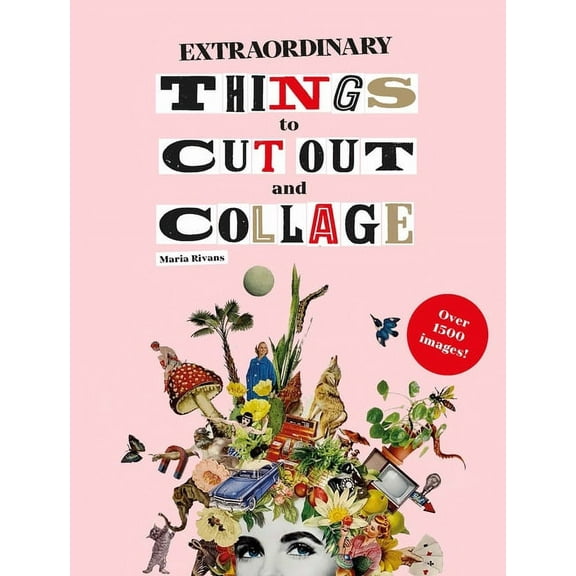 $1859current price $18.59
Extraordinary Things to Cut Out and Collage, (Paperback)
115 out of 5 Stars. 11 reviewsThe Monologist, (Paperback) $5.78
 $578current price $5.78
The Monologist, (Paperback)
Bütçe Dostu Seyahat (Paperback) $16.52
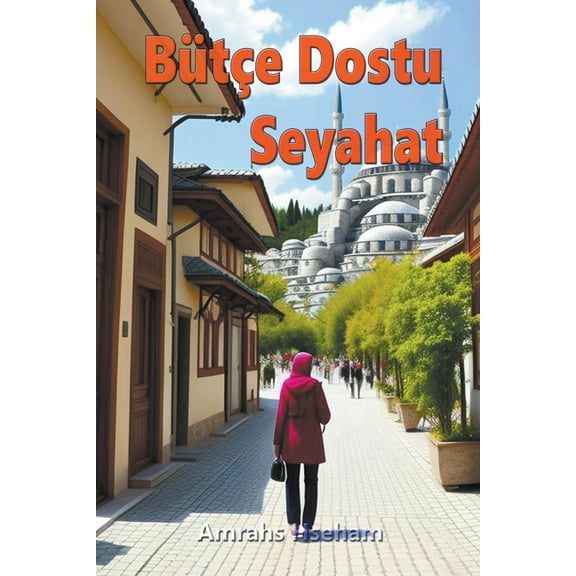 $1652current price $16.52
Bütçe Dostu Seyahat (Paperback)
Best seller The Teacher (Paperback) $5.98 Was $7.16
Best seller $598current price $5.98, Was $7.16$7.16
The Teacher (Paperback)
2044.7 out of 5 Stars. 204 reviewsKalarippayattum Sareera Marmma Sasthravum, (Paperback) $22.14
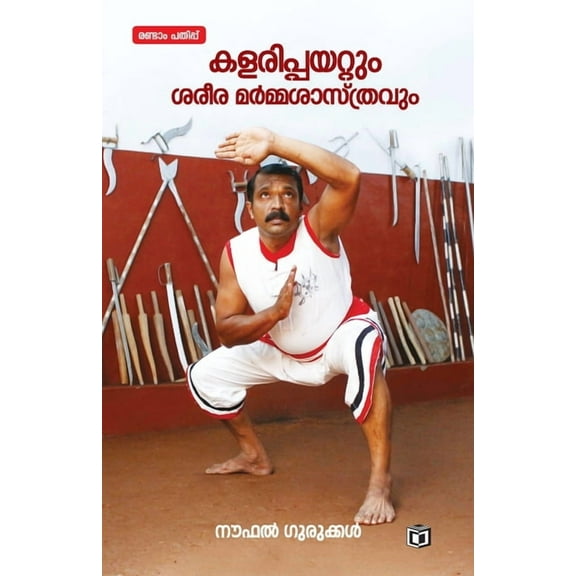 $2214current price $22.14
Kalarippayattum Sareera Marmma Sasthravum, (Paperback)
Essence of Bharatanatyam, (Paperback) $15.99
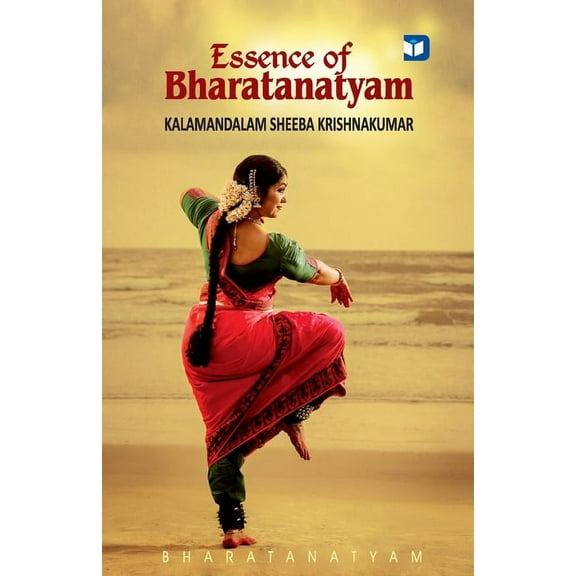 $1599current price $15.99
Essence of Bharatanatyam, (Paperback)
Les Caoutchoucs Artificiels, (Paperback) $16.95
 $1695current price $16.95
Les Caoutchoucs Artificiels, (Paperback)
Mein Leben, (Paperback) $16.76
 $1676current price $16.76
Mein Leben, (Paperback)
Apologie des Sokrates: Vortrag (Paperback) $12.90
 $1290current price $12.90
Apologie des Sokrates: Vortrag (Paperback)
Jazyk; epická báse (Paperback) $14.97
 $1497current price $14.97
Jazyk; epická báse (Paperback)
Nagara Madhyathile Ottamaram, (Paperback) $6.99
 $699current price $6.99
Nagara Madhyathile Ottamaram, (Paperback)
On the Shores of Life, (Paperback) $13.50
 $1350current price $13.50
On the Shores of Life, (Paperback)
Wadaiko : An Introduction to the Sounds and Rhythms of Japanese (Paperback) $17.66 Was $19.95
 $1766current price $17.66, Was $19.95$19.95
Wadaiko : An Introduction to the Sounds and Rhythms of Japanese (Paperback)
A Life 1983-1998 (Paperback) $15.78
 $1578current price $15.78
A Life 1983-1998 (Paperback)
essentiels: repenser l'origine, (Paperback) $17.90
 $1790current price $17.90
essentiels: repenser l'origine, (Paperback)
The Last Waltz On Earth, (Paperback) $10.71
 $1071current price $10.71
The Last Waltz On Earth, (Paperback)
Venduthal, (Paperback) $14.33
 $1433current price $14.33
Venduthal, (Paperback)
Customer ratings & reviews
0 ratings|0 reviews
This item does not have any reviews yet
