

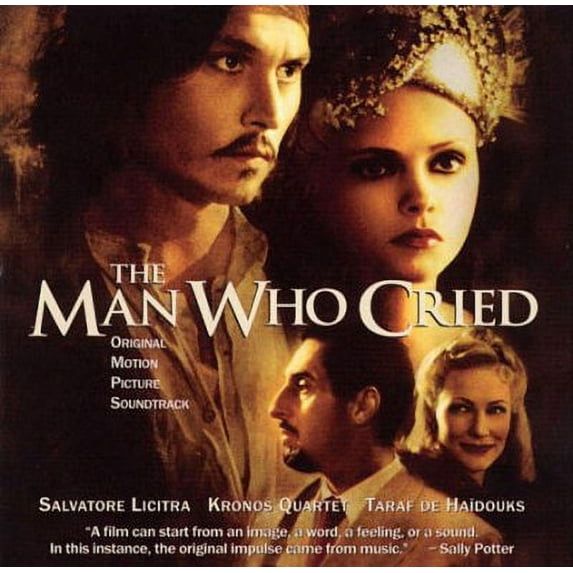
MAN WHO CRIED (OST)
Key item features
Which came first? The chicken or the egg? Surprisingly, the music was the impetus for the film, The Man Who Cried. In her eloquent liner notes (SONY Classical, SONY Music Soundtrax), film and music producer, Sally Potter (Orlando, The Tango Lesson) describes the relationship of the extraordinary music captured on this soundtrack CD and the movie it spawned. "A film can start from an image, a word, a feeling, or a sound. In this instance, the original impulse came from music. The intention was to find a way of telling the story where music was carrying emotional and spiritual truth with as much force as the characters."
And so, this seemingly eclectic collection of diverse music of various ethnicities is bound together by a common human spiritual and emotional thread. The music is the pure expression of the human soul and each selection captures the essence of the people and places from which it belongs. Unlike a soundtrack from a blockbuster movie, such as Titanic, in which the music evokes specific scenes and plot twists from the movie itself, the music on The Man Who Cried soundtrack speaks for itself. It can be appreciated and enjoyed without ever having seen the film.
Potter explains that she was first drawn to an instrumental gypsy arrangement of a melody called "Gloomy Sunday." This haunting melody can be traced back to Eastern European Jewish history. The gypsy arrangement combines both pathos and celebration. Potter's research led her to the group, Taraf de Hadouks. While attending her first Taraf concert, Potter was amazed to hear a performance with the Kronos Quartet of the very tune that had begun her musical quest, "Gloomy Sunday." She immediately asked the arranger, Olvaldo Golijov, to write the score to her new movie and Taraf to perform in the film. The Kronos Quartet agreed to play on the soundtrack.
One of the most difficult tasks regarding the music in the film was to find singers who matched the bodies of the actors. After hearing Salvatore Licitra sing the glorious aria, "Je Crois Entendre Encore," by Georges Bizet, he was signed for the project. The vocalist/violinist, Iva Bittov£, was recommended by the arranger, and she sings the heart rendering "Dido's Lament," from Purcell's opera Dido and Aeneas. However, with accompaniment by Taraf de Hadouks, this famous aria is seen in a very different light, twisting away from the poignant purity of Purcell's original aria to a harshness that comes from loss of innocence. The Labeque sisters, Katia and Marielle, appear in a pivotal scene in the film, accompanying Salvatore Licitra in Bizet's "Je Crois Entendre Encore."
By Perri M. Zimmerman
Specs
- PerformerSalvatore Licitra
- Music genreSoundtracks, Film Soundtracks
- Music release typeAlbum
- Media formatCD
- Original release date22 May 2001
- Number of tracks17
More seller options (1)

Get free delivery, shipping and more*
About this item
Product details
Which came first? The chicken or the egg? Surprisingly, the music was the impetus for the film, The Man Who Cried. In her eloquent liner notes (SONY Classical, SONY Music Soundtrax), film and music producer, Sally Potter (Orlando, The Tango Lesson) describes the relationship of the extraordinary music captured on this soundtrack CD and the movie it spawned. "A film can start from an image, a word, a feeling, or a sound. In this instance, the original impulse came from music. The intention was to find a way of telling the story where music was carrying emotional and spiritual truth with as much force as the characters."
And so, this seemingly eclectic collection of diverse music of various ethnicities is bound together by a common human spiritual and emotional thread. The music is the pure expression of the human soul and each selection captures the essence of the people and places from which it belongs. Unlike a soundtrack from a blockbuster movie, such as Titanic, in which the music evokes specific scenes and plot twists from the movie itself, the music on The Man Who Cried soundtrack speaks for itself. It can be appreciated and enjoyed without ever having seen the film.
Potter explains that she was first drawn to an instrumental gypsy arrangement of a melody called "Gloomy Sunday." This haunting melody can be traced back to Eastern European Jewish history. The gypsy arrangement combines both pathos and celebration. Potter's research led her to the group, Taraf de Hadouks. While attending her first Taraf concert, Potter was amazed to hear a performance with the Kronos Quartet of the very tune that had begun her musical quest, "Gloomy Sunday." She immediately asked the arranger, Olvaldo Golijov, to write the score to her new movie and Taraf to perform in the film. The Kronos Quartet agreed to play on the soundtrack.
One of the most difficult tasks regarding the music in the film was to find singers who matched the bodies of the actors. After hearing Salvatore Licitra sing the glorious aria, "Je Crois Entendre Encore," by Georges Bizet, he was signed for the project. The vocalist/violinist, Iva Bittov£, was recommended by the arranger, and she sings the heart rendering "Dido's Lament," from Purcell's opera Dido and Aeneas. However, with accompaniment by Taraf de Hadouks, this famous aria is seen in a very different light, twisting away from the poignant purity of Purcell's original aria to a harshness that comes from loss of innocence. The Labeque sisters, Katia and Marielle, appear in a pivotal scene in the film, accompanying Salvatore Licitra in Bizet's "Je Crois Entendre Encore."
By Perri M. Zimmerman
Specifications
Performer
Music genre
Music release type
Media format
Warranty
Warranty information
Similar items you might like
Based on what customers bought
Best seller Michael Jackson - Michael: Songs From The Motion Picture - CD $12.97
Best seller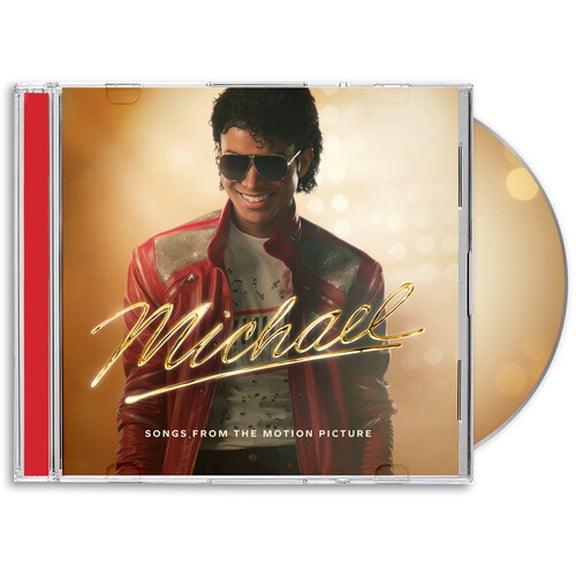 $1297current price $12.97
Michael Jackson - Michael: Songs From The Motion Picture - CD
Michael Jackson - Michael (Songs From The Motion Picture) - Cassette $23.44
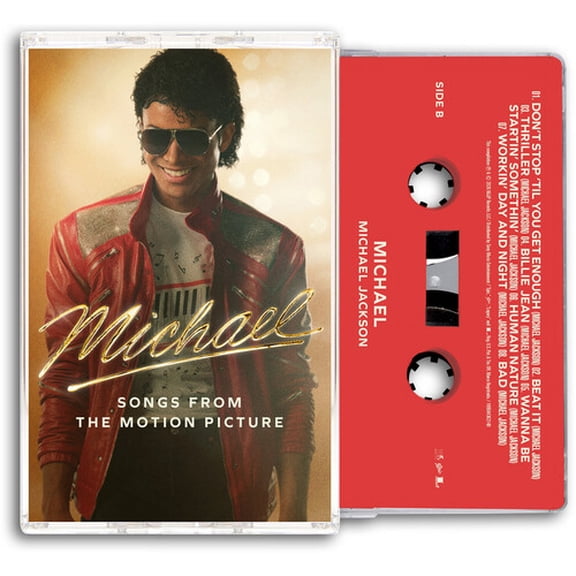 $2344current price $23.44
Michael Jackson - Michael (Songs From The Motion Picture) - Cassette
Strange Days: Music From The Motion Picture $22.18
 $2218current price $22.18
Strange Days: Music From The Motion Picture
Dirty Dancing (CD) $8.31
 $831current price $8.31
Dirty Dancing (CD)
20 Feet From Stardom Soundtrack $12.13
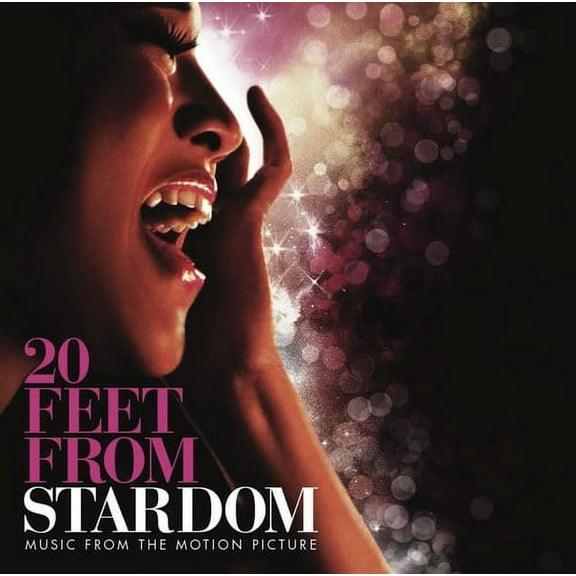 $1213current price $12.13
20 Feet From Stardom Soundtrack
15 out of 5 Stars. 1 reviewsVarious Artists - Stranger Things 5: (Soundtrack From The Netflix Series) - Music & Performance - Cassette $28.52 $178.25/ea
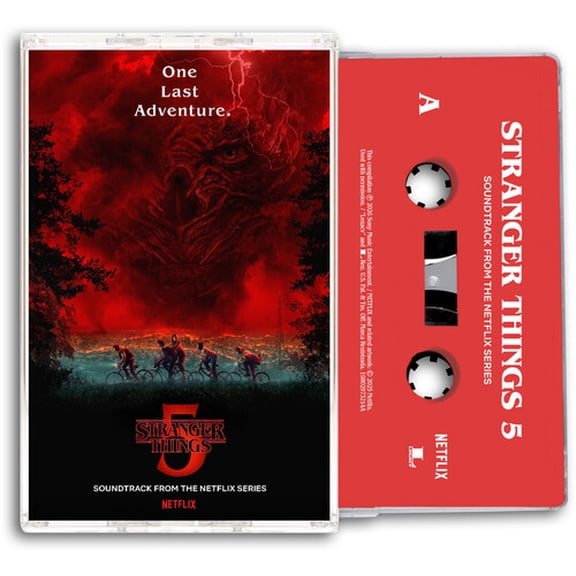 $2852current price $28.52$178.25/ea
Various Artists - Stranger Things 5: (Soundtrack From The Netflix Series) - Music & Performance - Cassette
Various Artists - Stranger Things 5 (Soundtrack From The Netflix Series) - CD $12.98
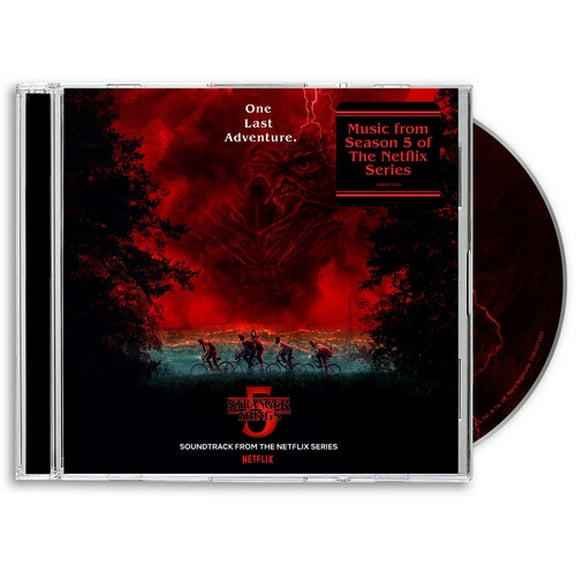 $1298current price $12.98
Various Artists - Stranger Things 5 (Soundtrack From The Netflix Series) - CD
34 out of 5 Stars. 3 reviewsGradius The Slot Soundtrack $31.50
 $3150current price $31.50
Gradius The Slot Soundtrack
Courageous Soundtrack $7.93 Was $10.34
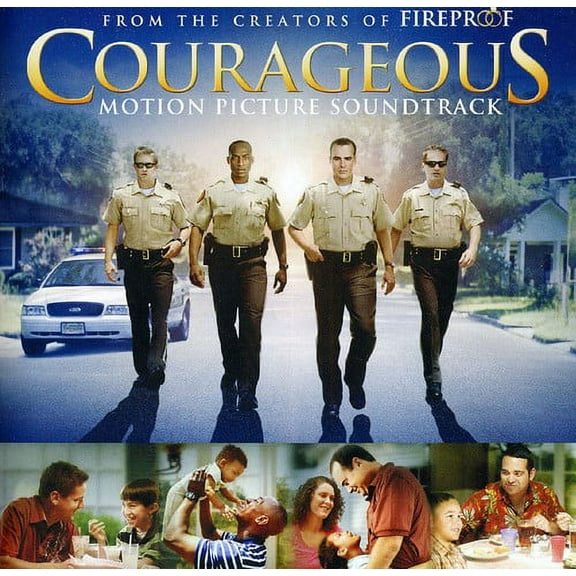 $793current price $7.93, Was $10.34$10.34
Courageous Soundtrack
55 out of 5 Stars. 5 reviewsBest seller Various Artists - Song Sung Blue Soundtrack - CD $13.99
Best seller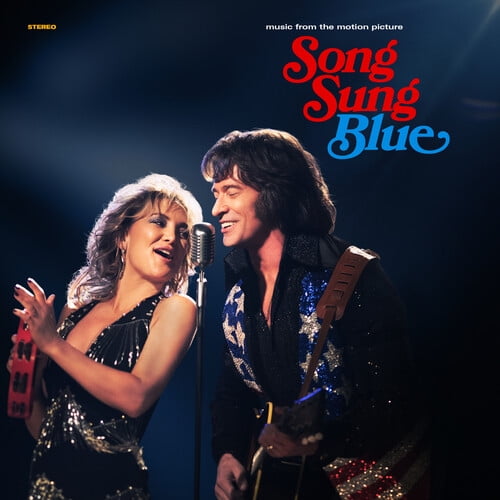 $1399current price $13.99
Various Artists - Song Sung Blue Soundtrack - CD
Game Music - 520|524 - Music & Performance - CD $27.35 $113.96/ea
 $2735current price $27.35$113.96/ea
Game Music - 520|524 - Music & Performance - CD
Jack's Big Music Show: Season One Soundtrack $16.67
 $1667current price $16.67
Jack's Big Music Show: Season One Soundtrack
34.7 out of 5 Stars. 3 reviewsGabby's Dollhouse - Gabby's Dollhouse: The Movie Soundtrack - Music & Performance - CD $18.88 Was $21.08 $99.37/ea
 $1888current price $18.88, Was $21.08$21.08$99.37/ea
Gabby's Dollhouse - Gabby's Dollhouse: The Movie Soundtrack - Music & Performance - CD
15 out of 5 Stars. 1 reviewsJim Dale - Barnum / O.B.C. - Music & Performance - CD $18.25
 $1825current price $18.25
Jim Dale - Barnum / O.B.C. - Music & Performance - CD
Gustavo Santaolalla - Last of Us (Video Game Soundtrack) - Music & Performance - CD $13.47
 $1347current price $13.47
Gustavo Santaolalla - Last of Us (Video Game Soundtrack) - Music & Performance - CD
Sam Phillips - Gilmore Girls Soundtrack - Music & Performance - CD $13.99 $58.29/ea
 $1399current price $13.99$58.29/ea
Sam Phillips - Gilmore Girls Soundtrack - Music & Performance - CD
OST Les Aristochats (CD) $22.01
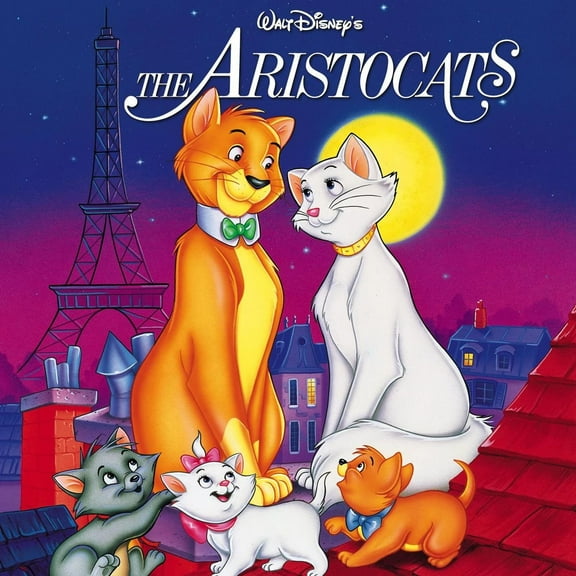 $2201current price $22.01
OST Les Aristochats (CD)
Woodkid For Death Stranding 2: On The Beach $20.61 Was $23.90
 $2061current price $20.61, Was $23.90$23.90
Woodkid For Death Stranding 2: On The Beach
Parade / O.B.C. $16.56 $16.56/count
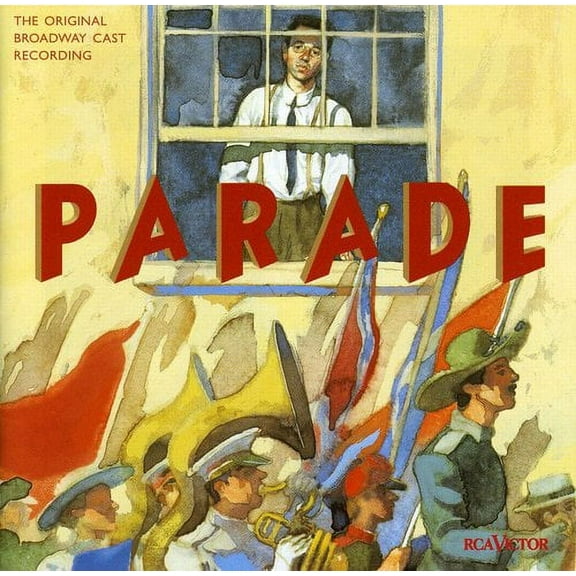 $1656current price $16.56$16.56/count
Parade / O.B.C.
25 out of 5 Stars. 2 reviewsShock and Awe Soundtrack $20.48
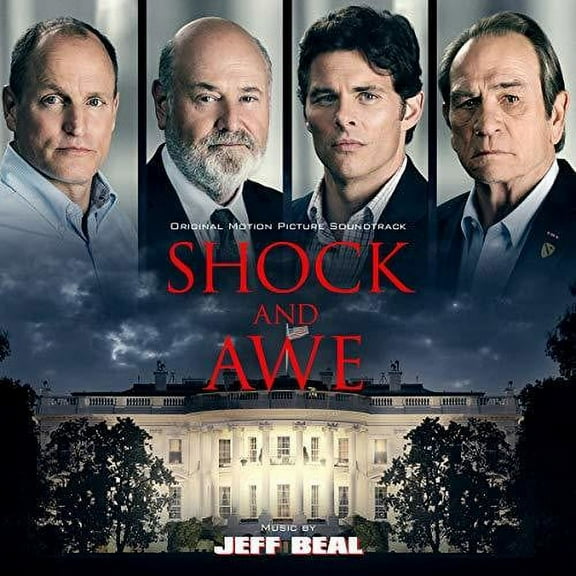 $2048current price $20.48
Shock and Awe Soundtrack
