


Pre-Owned How to Say Babylon : A Memoir (Hardcover)
Condition
Pre-Owned: Good
Seller Rating
4.3 out of 5 stars4.3/5
Key item features
National Book Critics Circle Award Winner
A New York Times Notable Book
A Read with Jenna Today Show Book Club Pick!
A Best Book of 2023 by the New York Times, Time, The Washington Post, Vulture, Shelf Awareness, Goodreads, Esquire, The Atlantic, NPR, and Barack Obama
With echoes of Educated and Born a Crime, How to Say Babylon is the stunning story of the author’s struggle to break free of her rigid Rastafarian upbringing, ruled by her father’s strict patriarchal views and repressive control of her childhood, to find her own voice as a woman and poet.
Throughout her childhood, Safiya Sinclair’s father, a volatile reggae musician and militant adherent to a strict sect of Rastafari, became obsessed with her purity, in particular, with the threat of what Rastas call Babylon, the immoral and corrupting influences of the Western world outside their home. He worried that womanhood would make Safiya and her sisters morally weak and impure, and believed a woman’s highest virtue was her obedience.
In an effort to keep Babylon outside the gate, he forbade almost everything. In place of pants, the women in her family were made to wear long skirts and dresses to cover their arms and legs, head wraps to cover their hair, no make-up, no jewelry, no opinions, no friends. Safiya’s mother, while loyal to her father, nonetheless gave Safiya and her siblings the gift of books, including poetry, to which Safiya latched on for dear life. And as Safiya watched her mother struggle voicelessly for years under housework and the rigidity of her father’s beliefs, she increasingly used her education as a sharp tool with which to find her voice and break free. Inevitably, with her rebellion comes clashes with her father, whose rage and paranoia explodes in increasing violence. As Safiya’s voice grows, lyrically and poetically, a collision course is set between them.
How to Say Babylon is Sinclair’s reckoning with the culture that initially nourished but ultimately sought to silence her; it is her reckoning with patriarchy and tradition, and the legacy of colonialism in Jamaica. Rich in lyricism and language only a poet could evoke, How to Say Babylon is both a universal story of a woman finding her own power and a unique glimpse into a rarefied world we may know how to name, Rastafari, but one we know little about.
A New York Times Notable Book
A Read with Jenna Today Show Book Club Pick!
A Best Book of 2023 by the New York Times, Time, The Washington Post, Vulture, Shelf Awareness, Goodreads, Esquire, The Atlantic, NPR, and Barack Obama
With echoes of Educated and Born a Crime, How to Say Babylon is the stunning story of the author’s struggle to break free of her rigid Rastafarian upbringing, ruled by her father’s strict patriarchal views and repressive control of her childhood, to find her own voice as a woman and poet.
Throughout her childhood, Safiya Sinclair’s father, a volatile reggae musician and militant adherent to a strict sect of Rastafari, became obsessed with her purity, in particular, with the threat of what Rastas call Babylon, the immoral and corrupting influences of the Western world outside their home. He worried that womanhood would make Safiya and her sisters morally weak and impure, and believed a woman’s highest virtue was her obedience.
In an effort to keep Babylon outside the gate, he forbade almost everything. In place of pants, the women in her family were made to wear long skirts and dresses to cover their arms and legs, head wraps to cover their hair, no make-up, no jewelry, no opinions, no friends. Safiya’s mother, while loyal to her father, nonetheless gave Safiya and her siblings the gift of books, including poetry, to which Safiya latched on for dear life. And as Safiya watched her mother struggle voicelessly for years under housework and the rigidity of her father’s beliefs, she increasingly used her education as a sharp tool with which to find her voice and break free. Inevitably, with her rebellion comes clashes with her father, whose rage and paranoia explodes in increasing violence. As Safiya’s voice grows, lyrically and poetically, a collision course is set between them.
How to Say Babylon is Sinclair’s reckoning with the culture that initially nourished but ultimately sought to silence her; it is her reckoning with patriarchy and tradition, and the legacy of colonialism in Jamaica. Rich in lyricism and language only a poet could evoke, How to Say Babylon is both a universal story of a woman finding her own power and a unique glimpse into a rarefied world we may know how to name, Rastafari, but one we know little about.
Specs
- Book formatHardcover
- Fiction/nonfictionNon-Fiction
- Publication dateOctober, 2023
- Pages352
- Reading levelGeneral
- EditionStandard Edition
Current price is USDNow $5.85
You save $0.71
was $6.56$6.56
You save$0.71
Price when purchased online
- Free shipping
 Free 30-day returns
Out of stock
$5.85
Pre-Owned: Good
How do you want your item?
Columbus, 43215
Arrives by Wed, Apr 29
|
Sold and shipped by World of Books Inc
4.3219055631506995 stars out of 5, based on 9509 seller reviews(4.3)9509 seller reviews

Free 30-day returns
About this item
Product details
A New York Times Notable Book
A Read with Jenna Today Show Book Club Pick!
A Best Book of 2023 by the New York Times, Time, The Washington Post, Vulture, Shelf Awareness, Goodreads, Esquire, The Atlantic, NPR, and Barack Obama With echoes of Educated and Born a Crime, How to Say Babylon is the stunning story of the author's struggle to break free of her rigid Rastafarian upbringing, ruled by her father's strict patriarchal views and repressive control of her childhood, to find her own voice as a woman and poet. Throughout her childhood, Safiya Sinclair's father, a volatile reggae musician and militant adherent to a strict sect of Rastafari, became obsessed with her purity, in particular, with the threat of what Rastas call Babylon, the immoral and corrupting influences of the Western world outside their home. He worried that womanhood would make Safiya and her sisters morally weak and impure, and believed a woman's highest virtue was her obedience. In an effort to keep Babylon outside the gate, he forbade almost everything. In place of pants, the women in her family were made to wear long skirts and dresses to cover their arms and legs, head wraps to cover their hair, no make-up, no jewelry, no opinions, no friends. Safiya's mother, while loyal to her father, nonetheless gave Safiya and her siblings the gift of books, including poetry, to which Safiya latched on for dear life. And as Safiya watched her mother struggle voicelessly for years under housework and the rigidity of her father's beliefs, she increasingly used her education as a sharp tool with which to find her voice and break free. Inevitably, with her rebellion comes clashes with her father, whose rage and paranoia explodes in increasing violence. As Safiya's voice grows, lyrically and poetically, a collision course is set between them. How to Say Babylon is Sinclair's reckoning with the culture that initially nourished but ultimately sought to silence her; it is her reckoning with patriarchy and tradition, and the legacy of colonialism in Jamaica. Rich in lyricism and language only a poet could evoke, How to Say Babylon is both a universal story of a woman finding her own power and a unique glimpse into a rarefied world we may know how to name, Rastafari, but one we know little about.
A Read with Jenna Today Show Book Club Pick!
A Best Book of 2023 by the New York Times, Time, The Washington Post, Vulture, Shelf Awareness, Goodreads, Esquire, The Atlantic, NPR, and Barack Obama With echoes of Educated and Born a Crime, How to Say Babylon is the stunning story of the author's struggle to break free of her rigid Rastafarian upbringing, ruled by her father's strict patriarchal views and repressive control of her childhood, to find her own voice as a woman and poet. Throughout her childhood, Safiya Sinclair's father, a volatile reggae musician and militant adherent to a strict sect of Rastafari, became obsessed with her purity, in particular, with the threat of what Rastas call Babylon, the immoral and corrupting influences of the Western world outside their home. He worried that womanhood would make Safiya and her sisters morally weak and impure, and believed a woman's highest virtue was her obedience. In an effort to keep Babylon outside the gate, he forbade almost everything. In place of pants, the women in her family were made to wear long skirts and dresses to cover their arms and legs, head wraps to cover their hair, no make-up, no jewelry, no opinions, no friends. Safiya's mother, while loyal to her father, nonetheless gave Safiya and her siblings the gift of books, including poetry, to which Safiya latched on for dear life. And as Safiya watched her mother struggle voicelessly for years under housework and the rigidity of her father's beliefs, she increasingly used her education as a sharp tool with which to find her voice and break free. Inevitably, with her rebellion comes clashes with her father, whose rage and paranoia explodes in increasing violence. As Safiya's voice grows, lyrically and poetically, a collision course is set between them. How to Say Babylon is Sinclair's reckoning with the culture that initially nourished but ultimately sought to silence her; it is her reckoning with patriarchy and tradition, and the legacy of colonialism in Jamaica. Rich in lyricism and language only a poet could evoke, How to Say Babylon is both a universal story of a woman finding her own power and a unique glimpse into a rarefied world we may know how to name, Rastafari, but one we know little about.
National Book Critics Circle Award Winner
A New York Times Notable Book
A Read with Jenna Today Show Book Club Pick!
A Best Book of 2023 by the New York Times, Time, The Washington Post, Vulture, Shelf Awareness, Goodreads, Esquire, The Atlantic, NPR, and Barack Obama
With echoes of Educated and Born a Crime, How to Say Babylon is the stunning story of the author’s struggle to break free of her rigid Rastafarian upbringing, ruled by her father’s strict patriarchal views and repressive control of her childhood, to find her own voice as a woman and poet.
Throughout her childhood, Safiya Sinclair’s father, a volatile reggae musician and militant adherent to a strict sect of Rastafari, became obsessed with her purity, in particular, with the threat of what Rastas call Babylon, the immoral and corrupting influences of the Western world outside their home. He worried that womanhood would make Safiya and her sisters morally weak and impure, and believed a woman’s highest virtue was her obedience.
In an effort to keep Babylon outside the gate, he forbade almost everything. In place of pants, the women in her family were made to wear long skirts and dresses to cover their arms and legs, head wraps to cover their hair, no make-up, no jewelry, no opinions, no friends. Safiya’s mother, while loyal to her father, nonetheless gave Safiya and her siblings the gift of books, including poetry, to which Safiya latched on for dear life. And as Safiya watched her mother struggle voicelessly for years under housework and the rigidity of her father’s beliefs, she increasingly used her education as a sharp tool with which to find her voice and break free. Inevitably, with her rebellion comes clashes with her father, whose rage and paranoia explodes in increasing violence. As Safiya’s voice grows, lyrically and poetically, a collision course is set between them.
How to Say Babylon is Sinclair’s reckoning with the culture that initially nourished but ultimately sought to silence her; it is her reckoning with patriarchy and tradition, and the legacy of colonialism in Jamaica. Rich in lyricism and language only a poet could evoke, How to Say Babylon is both a universal story of a woman finding her own power and a unique glimpse into a rarefied world we may know how to name, Rastafari, but one we know little about.
A New York Times Notable Book
A Read with Jenna Today Show Book Club Pick!
A Best Book of 2023 by the New York Times, Time, The Washington Post, Vulture, Shelf Awareness, Goodreads, Esquire, The Atlantic, NPR, and Barack Obama
With echoes of Educated and Born a Crime, How to Say Babylon is the stunning story of the author’s struggle to break free of her rigid Rastafarian upbringing, ruled by her father’s strict patriarchal views and repressive control of her childhood, to find her own voice as a woman and poet.
Throughout her childhood, Safiya Sinclair’s father, a volatile reggae musician and militant adherent to a strict sect of Rastafari, became obsessed with her purity, in particular, with the threat of what Rastas call Babylon, the immoral and corrupting influences of the Western world outside their home. He worried that womanhood would make Safiya and her sisters morally weak and impure, and believed a woman’s highest virtue was her obedience.
In an effort to keep Babylon outside the gate, he forbade almost everything. In place of pants, the women in her family were made to wear long skirts and dresses to cover their arms and legs, head wraps to cover their hair, no make-up, no jewelry, no opinions, no friends. Safiya’s mother, while loyal to her father, nonetheless gave Safiya and her siblings the gift of books, including poetry, to which Safiya latched on for dear life. And as Safiya watched her mother struggle voicelessly for years under housework and the rigidity of her father’s beliefs, she increasingly used her education as a sharp tool with which to find her voice and break free. Inevitably, with her rebellion comes clashes with her father, whose rage and paranoia explodes in increasing violence. As Safiya’s voice grows, lyrically and poetically, a collision course is set between them.
How to Say Babylon is Sinclair’s reckoning with the culture that initially nourished but ultimately sought to silence her; it is her reckoning with patriarchy and tradition, and the legacy of colonialism in Jamaica. Rich in lyricism and language only a poet could evoke, How to Say Babylon is both a universal story of a woman finding her own power and a unique glimpse into a rarefied world we may know how to name, Rastafari, but one we know little about.
info:
We aim to show you accurate product information. Manufacturers, suppliers and others provide what you see here, and we have not verified it.
Specifications
Book format
Hardcover
Fiction/nonfiction
Non-Fiction
Genre
Biography & Memoirs, Political & Social Sciences
Publication date
October, 2023
Warranty
Warranty information
Please be aware that the warranty terms on items offered for sale by third party Marketplace sellers may differ from those displayed in this section (if any). To confirm warranty terms on an item offered for sale by a third party Marketplace seller, please use the 'Contact seller' feature on the third party Marketplace seller's information page and request the item's warranty terms prior to purchase.
Warnings
State Chemical Disclosure
california_state_chemical_warning_text
Similar items you might like
Based on what customers bought
How to Say Babylon: A Memoir (Paperback) $5.98 Was $7.91
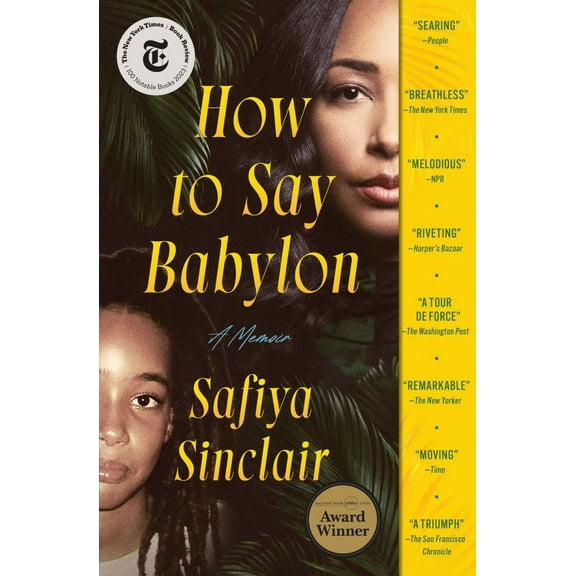 $598current price $5.98, Was $7.91$7.91
How to Say Babylon: A Memoir (Paperback)
Slonim Woods 9: A Memoir, (Hardcover) $10.99
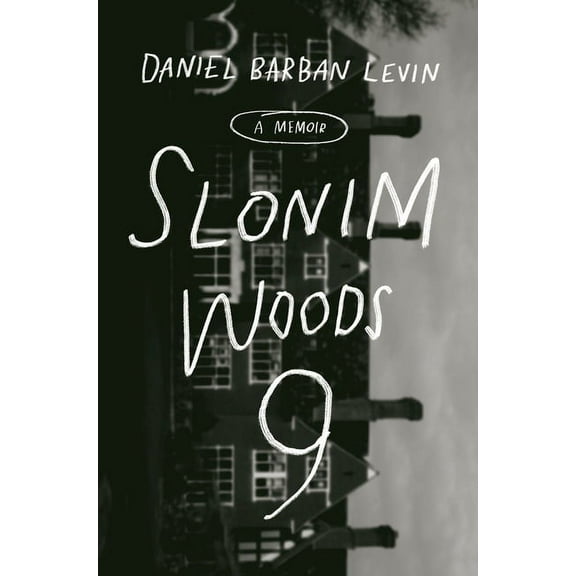 $1099current price $10.99
Slonim Woods 9: A Memoir, (Hardcover)
Best seller Holy Bible: The New Testament (Hardcover) $1.98
Best seller $198current price $1.98
Holy Bible: The New Testament (Hardcover)
1584.3 out of 5 Stars. 158 reviewsPre-Owned Ikigai (Hardcover) 178633089X 9781786330895 $11.29
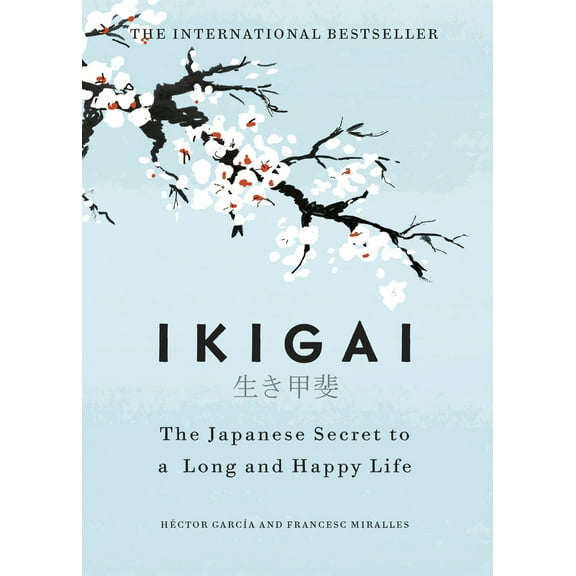 $1129current price $11.29
Pre-Owned Ikigai (Hardcover) 178633089X 9781786330895
Rental Person Who Does Nothing: A Memoir, (Hardcover) $20.88
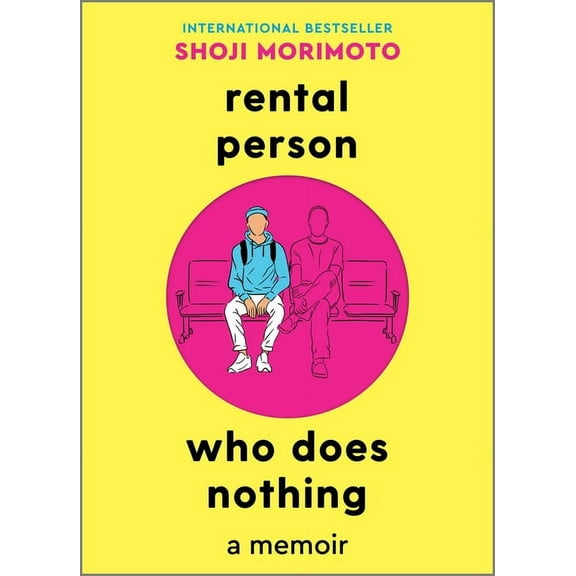 $2088current price $20.88
Rental Person Who Does Nothing: A Memoir, (Hardcover)
Sweet Magnolias Novel Catching Fireflies, Book 9, (Paperback) $4.24
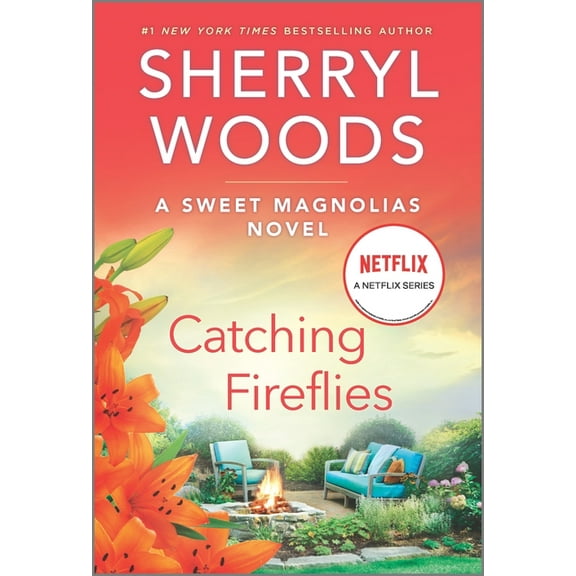 $424current price $4.24
Sweet Magnolias Novel Catching Fireflies, Book 9, (Paperback)
Pre-Owned Little Book of Angels (Hardcover) 1452114412 9781452114415 $5.39 Was $6.23
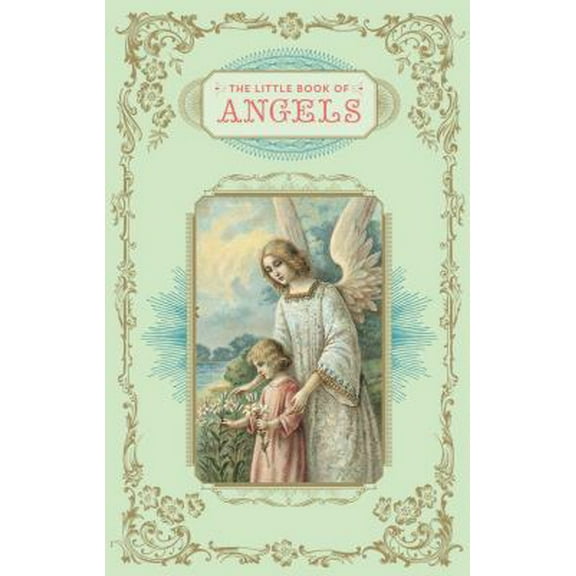 $539current price $5.39, Was $6.23$6.23
Pre-Owned Little Book of Angels (Hardcover) 1452114412 9781452114415
25 out of 5 Stars. 2 reviewsPre-Owned The Dangerous Book for Boys (Hardcover) 0062208977 9780062208972 $5.62
 3 optionsAvailable in additional 3 options$562current price $5.62
Pre-Owned The Dangerous Book for Boys (Hardcover) 0062208977 9780062208972
Pre-Owned The Book of Unusual Knowledge (Hardcover) 1450845800 9781450845809 $6.53
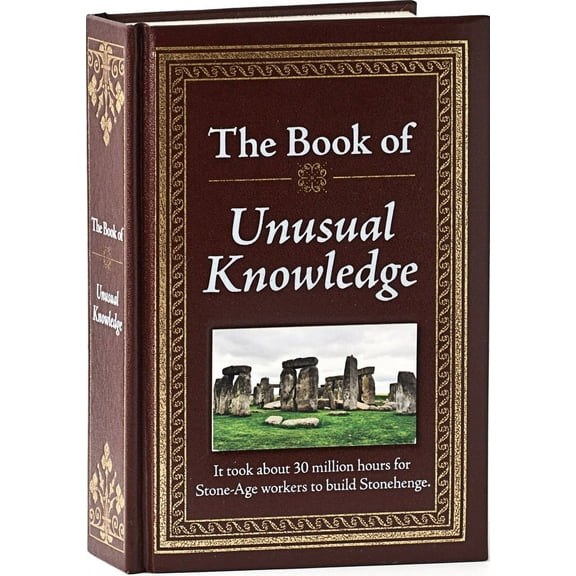 $653current price $6.53
Pre-Owned The Book of Unusual Knowledge (Hardcover) 1450845800 9781450845809
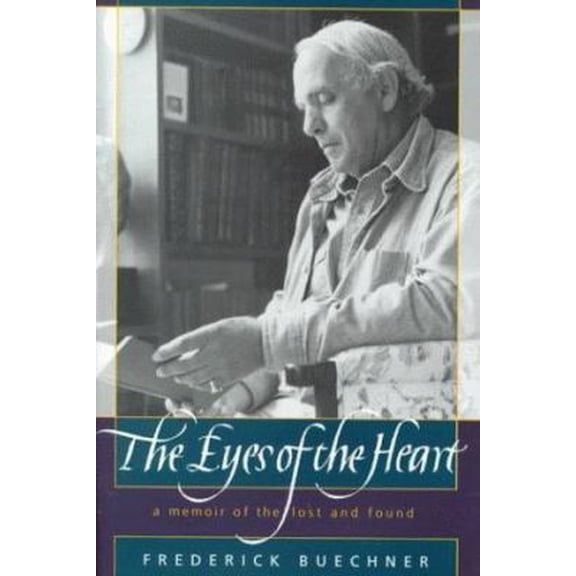
Pre-Owned The Eyes of the Heart: A Memoir of the Lost and Found (Hardcover) 0062516388 9780062516381 $3.99
 2 optionsAvailable in additional 2 options$399current price $3.99
Pre-Owned The Eyes of the Heart: A Memoir of the Lost and Found (Hardcover) 0062516388 9780062516381
Best seller Pre-Owned The Secret (Hardcover) 1582701709 9781582701707 $4.08
Best seller 3 optionsAvailable in additional 3 options$408current price $4.08
Pre-Owned The Secret (Hardcover) 1582701709 9781582701707
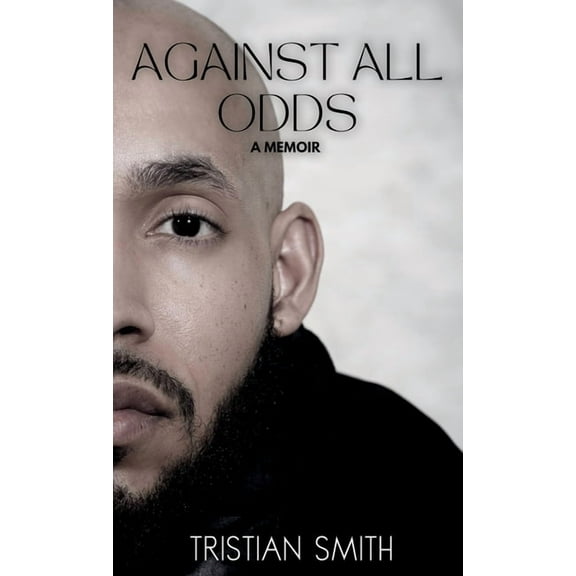
74.9 out of 5 Stars. 7 reviewsAgainst All Odds: A Memoir, (Hardcover) $23.48
 $2348current price $23.48
Against All Odds: A Memoir, (Hardcover)
Pre-Owned Robota (Hardcover) 0811840417 9780811840415 $11.50 Was $12.88
 $1150current price $11.50, Was $12.88$12.88
Pre-Owned Robota (Hardcover) 0811840417 9780811840415
Pre-Owned A Common Life (Mitford) (Hardcover) 0375431047 9780375431043 $6.81
 $681current price $6.81
Pre-Owned A Common Life (Mitford) (Hardcover) 0375431047 9780375431043
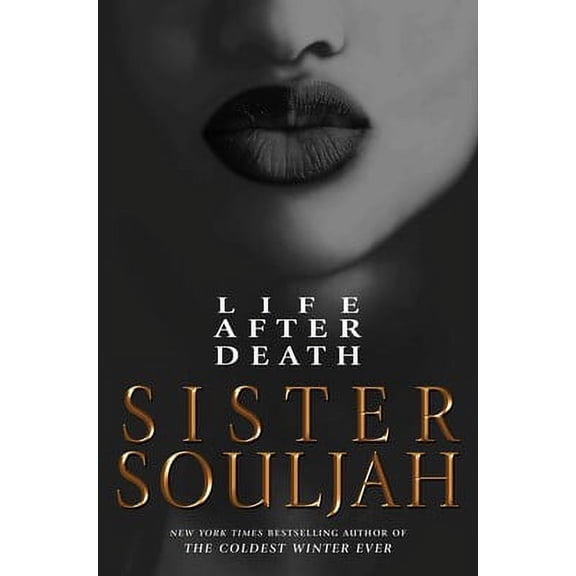
Life after Death: A Novel (Hardcover) $6.66 Was $8.43
 $666current price $6.66, Was $8.43$8.43
Life after Death: A Novel (Hardcover)
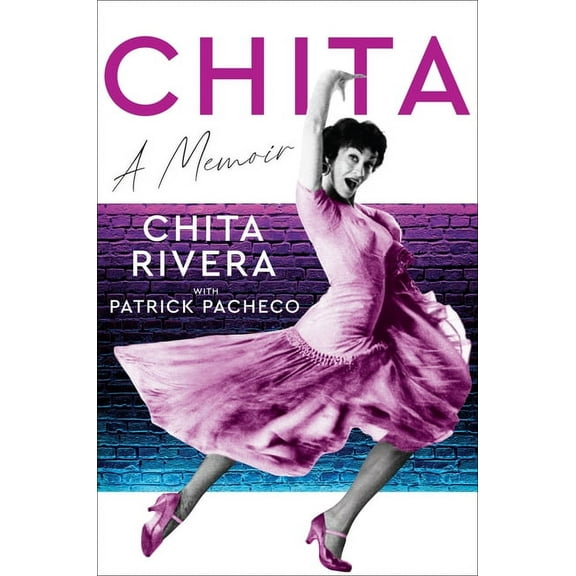
263.7 out of 5 Stars. 26 reviewsChita: A Memoir, (Hardcover) $7.23
 $723current price $7.23
Chita: A Memoir, (Hardcover)
Pre-Owned The Family Business 3 (Hardcover) 1601626355 9781601626356 $9.94
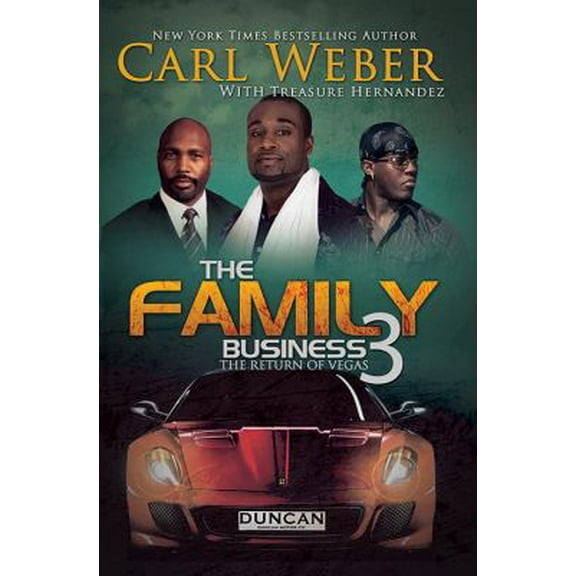 2 optionsAvailable in additional 2 options$994current price $9.94
Pre-Owned The Family Business 3 (Hardcover) 1601626355 9781601626356
Pre-Owned Fatal Conceit (Hardcover) 1451635575 9781451635577 $4.35
 3 optionsAvailable in additional 3 options$435current price $4.35
Pre-Owned Fatal Conceit (Hardcover) 1451635575 9781451635577
Customer ratings & reviews
How item rating is calculated
Filtered and sorted results would be available on the new 'Customer ratings & reviews' page.
Sort by |
Showing 1-1 of 1 review
Apr 24, 2024
Liv
5 out of 5 stars review
Verified Purchase
Good Read
My sister loved the read.
Helpful?437FVSFL5MZ61068929186
