


Hero image 0 of Closing the Food Gap : Resetting the Table in the Land of Plenty (Paperback), 0 of 1
Closing the Food Gap : Resetting the Table in the Land of Plenty (Paperback)
(No ratings yet)
Key item features
This powerful call to arms offers a realistic vision for getting locally produced, healthy food onto everyone’s table, “[blending] a passion for sustainable living with compassion for the poor” (Dr. Jane Goodall)
In Closing the Food Gap, food activist and journalist Mark Winne poses questions too often overlooked in our current conversations around food: What about those people who are not financially able to make conscientious choices about where and how to get food? And in a time of rising rates of both diabetes and obesity, what can we do to make healthier foods available for everyone?
To address these questions, Winne tells the story of how America’s food gap has widened since the 1960s, when domestic poverty was “rediscovered,” and how communities have responded with a slew of strategies and methods to narrow the gap, including community gardens, food banks, and farmers’ markets. The story, however, is not only about hunger in the land of plenty and the organized efforts to reduce it; it is also about doing that work against a backdrop of ever-growing American food affluence and gastronomical expectations. With the popularity of Whole Foods and increasingly common community-supported agriculture (CSA), wherein subscribers pay a farm so they can have fresh produce regularly, the demand for fresh food is rising in one population as fast as rates of obesity and diabetes are rising in another.
Over the last three decades, Winne has found a way to connect impoverished communities experiencing these health problems with the benefits of CSAs and farmers’ markets; in Closing the Food Gap, he explains how he came to his conclusions. With tragically comic stories from his many years running a model food organization, the Hartford Food System in Connecticut, alongside fascinating profiles of activists and organizations in communities across the country, Winne addresses head-on the struggles to improve food access for all of us, regardless of income level.
In Closing the Food Gap, food activist and journalist Mark Winne poses questions too often overlooked in our current conversations around food: What about those people who are not financially able to make conscientious choices about where and how to get food? And in a time of rising rates of both diabetes and obesity, what can we do to make healthier foods available for everyone?
To address these questions, Winne tells the story of how America’s food gap has widened since the 1960s, when domestic poverty was “rediscovered,” and how communities have responded with a slew of strategies and methods to narrow the gap, including community gardens, food banks, and farmers’ markets. The story, however, is not only about hunger in the land of plenty and the organized efforts to reduce it; it is also about doing that work against a backdrop of ever-growing American food affluence and gastronomical expectations. With the popularity of Whole Foods and increasingly common community-supported agriculture (CSA), wherein subscribers pay a farm so they can have fresh produce regularly, the demand for fresh food is rising in one population as fast as rates of obesity and diabetes are rising in another.
Over the last three decades, Winne has found a way to connect impoverished communities experiencing these health problems with the benefits of CSAs and farmers’ markets; in Closing the Food Gap, he explains how he came to his conclusions. With tragically comic stories from his many years running a model food organization, the Hartford Food System in Connecticut, alongside fascinating profiles of activists and organizations in communities across the country, Winne addresses head-on the struggles to improve food access for all of us, regardless of income level.
Specs
- Book formatPaperback
- Fiction/nonfictionNon-Fiction
- GenreTextbooks
- Publication dateJanuary, 2009
- Pages224
- Reading levelGeneral (US: Trade)
Current price is USD$10.58
Price when purchased online
Out of stock
How do you want your item?
Out of stock
About this item
Product details
This powerful call to arms offers a realistic vision for getting locally produced, healthy food onto everyone's table, "[blending] a passion for sustainable living with compassion for the poor" (Dr. Jane Goodall) In Closing the Food Gap, food activist and journalist Mark Winne poses questions too often overlooked in our current conversations around food: What about those people who are not financially able to make conscientious choices about where and how to get food? And in a time of rising rates of both diabetes and obesity, what can we do to make healthier foods available for everyone? To address these questions, Winne tells the story of how America's food gap has widened since the 1960s, when domestic poverty was "rediscovered," and how communities have responded with a slew of strategies and methods to narrow the gap, including community gardens, food banks, and farmers' markets. The story, however, is not only about hunger in the land of plenty and the organized efforts to reduce it; it is also about doing that work against a backdrop of ever-growing American food affluence and gastronomical expectations. With the popularity of Whole Foods and increasingly common community-supported agriculture (CSA), wherein subscribers pay a farm so they can have fresh produce regularly, the demand for fresh food is rising in one population as fast as rates of obesity and diabetes are rising in another. Over the last three decades, Winne has found a way to connect impoverished communities experiencing these health problems with the benefits of CSAs and farmers' markets; in Closing the Food Gap, he explains how he came to his conclusions. With tragically comic stories from his many years running a model food organization, the Hartford Food System in Connecticut, alongside fascinating profiles of activists and organizations in communities across the country, Winne addresses head-on the struggles to improve food access for all of us, regardless of income level.
This powerful call to arms offers a realistic vision for getting locally produced, healthy food onto everyone’s table, “[blending] a passion for sustainable living with compassion for the poor” (Dr. Jane Goodall)
In Closing the Food Gap, food activist and journalist Mark Winne poses questions too often overlooked in our current conversations around food: What about those people who are not financially able to make conscientious choices about where and how to get food? And in a time of rising rates of both diabetes and obesity, what can we do to make healthier foods available for everyone?
To address these questions, Winne tells the story of how America’s food gap has widened since the 1960s, when domestic poverty was “rediscovered,” and how communities have responded with a slew of strategies and methods to narrow the gap, including community gardens, food banks, and farmers’ markets. The story, however, is not only about hunger in the land of plenty and the organized efforts to reduce it; it is also about doing that work against a backdrop of ever-growing American food affluence and gastronomical expectations. With the popularity of Whole Foods and increasingly common community-supported agriculture (CSA), wherein subscribers pay a farm so they can have fresh produce regularly, the demand for fresh food is rising in one population as fast as rates of obesity and diabetes are rising in another.
Over the last three decades, Winne has found a way to connect impoverished communities experiencing these health problems with the benefits of CSAs and farmers’ markets; in Closing the Food Gap, he explains how he came to his conclusions. With tragically comic stories from his many years running a model food organization, the Hartford Food System in Connecticut, alongside fascinating profiles of activists and organizations in communities across the country, Winne addresses head-on the struggles to improve food access for all of us, regardless of income level.
In Closing the Food Gap, food activist and journalist Mark Winne poses questions too often overlooked in our current conversations around food: What about those people who are not financially able to make conscientious choices about where and how to get food? And in a time of rising rates of both diabetes and obesity, what can we do to make healthier foods available for everyone?
To address these questions, Winne tells the story of how America’s food gap has widened since the 1960s, when domestic poverty was “rediscovered,” and how communities have responded with a slew of strategies and methods to narrow the gap, including community gardens, food banks, and farmers’ markets. The story, however, is not only about hunger in the land of plenty and the organized efforts to reduce it; it is also about doing that work against a backdrop of ever-growing American food affluence and gastronomical expectations. With the popularity of Whole Foods and increasingly common community-supported agriculture (CSA), wherein subscribers pay a farm so they can have fresh produce regularly, the demand for fresh food is rising in one population as fast as rates of obesity and diabetes are rising in another.
Over the last three decades, Winne has found a way to connect impoverished communities experiencing these health problems with the benefits of CSAs and farmers’ markets; in Closing the Food Gap, he explains how he came to his conclusions. With tragically comic stories from his many years running a model food organization, the Hartford Food System in Connecticut, alongside fascinating profiles of activists and organizations in communities across the country, Winne addresses head-on the struggles to improve food access for all of us, regardless of income level.
info:
We aim to show you accurate product information. Manufacturers, suppliers and others provide what you see here, and we have not verified it.
Specifications
Book format
Paperback
Fiction/nonfiction
Non-Fiction
Genre
Textbooks
Publication date
January, 2009
Warranty
Warranty information
Please be aware that the warranty terms on items offered for sale by third party Marketplace sellers may differ from those displayed in this section (if any). To confirm warranty terms on an item offered for sale by a third party Marketplace seller, please use the 'Contact seller' feature on the third party Marketplace seller's information page and request the item's warranty terms prior to purchase.
Similar items you might like
Based on what customers bought
Dont Lose Out, Work Out! (Paperback) $8.34
 $834current price $8.34
Dont Lose Out, Work Out! (Paperback)
Unlock Your Brain Code: Why You Haven't Manifested What You Want and How to Fix It, (Paperback) $14.99
 $1499current price $14.99
Unlock Your Brain Code: Why You Haven't Manifested What You Want and How to Fix It, (Paperback)
Next Level Eating, (Paperback) $8.09
 $809current price $8.09
Next Level Eating, (Paperback)
The Winning Mix: Launch and grow your food business without selling your soul, (Paperback) $16.56
 $1656current price $16.56
The Winning Mix: Launch and grow your food business without selling your soul, (Paperback)
The Mitochondriac's Kitchen: Fueling Your Cells with Every Sip, (Paperback) $10.99 Was $12.99
 $1099current price $10.99, Was $12.99$12.99
The Mitochondriac's Kitchen: Fueling Your Cells with Every Sip, (Paperback)
The World Is Not for Sale: Farmers Against Junk Food, (Paperback) $16.30
 $1630current price $16.30
The World Is Not for Sale: Farmers Against Junk Food, (Paperback)
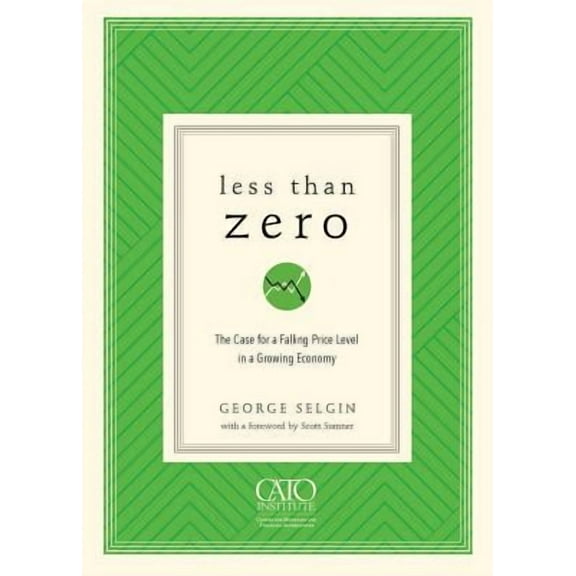
Less Than Zero: The Case for a Falling Price Level in a Growing Economy (Paperback) $14.95
 $1495current price $14.95
Less Than Zero: The Case for a Falling Price Level in a Growing Economy (Paperback)
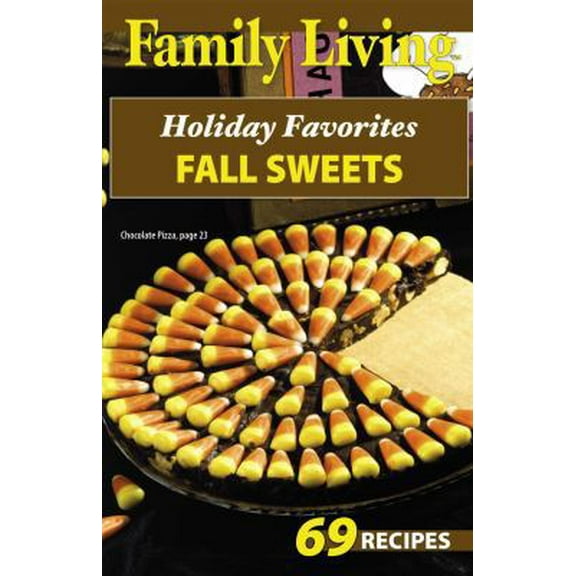
Pre-Owned Holiday Favorites Fall Sweets (Family Living) (Paperback) 1574863088 9781574863086 $7.67 Was $11.08
 $767current price $7.67, Was $11.08$11.08
Pre-Owned Holiday Favorites Fall Sweets (Family Living) (Paperback) 1574863088 9781574863086
The Unseen Divide, (Paperback) $11.95
 $1195current price $11.95
The Unseen Divide, (Paperback)
L'Épreuve de la Glycosurie Alimentaire Au Cours Des Cirrhoses (Paperback) $15.92
 $1592current price $15.92
L'Épreuve de la Glycosurie Alimentaire Au Cours Des Cirrhoses (Paperback)
mahtv na vyakti / મહત્વ ના વ્યક્તિ, (Paperback) $15.99
 $1599current price $15.99
mahtv na vyakti / મહત્વ ના વ્યક્તિ, (Paperback)
Metaflux // Vilém Flusser Into Immaterial Culture, Book 1, (Paperback) $9.50
 $950current price $9.50
Metaflux // Vilém Flusser Into Immaterial Culture, Book 1, (Paperback)
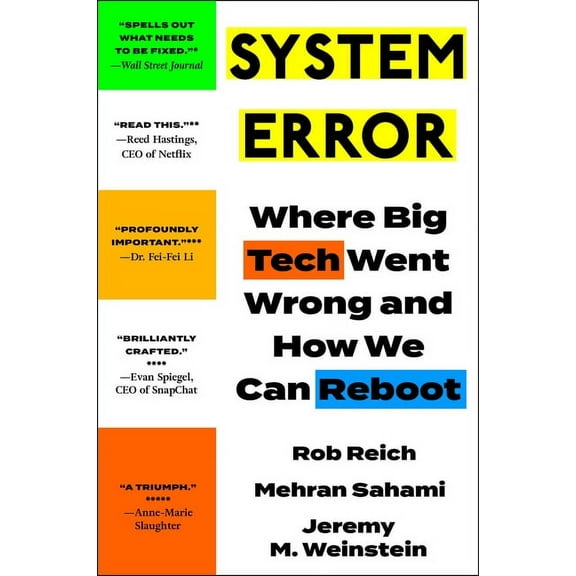
System Error: Where Big Tech Went Wrong and How We Can Reboot, (Paperback) $12.48
 $1248current price $12.48
System Error: Where Big Tech Went Wrong and How We Can Reboot, (Paperback)
Energy Is Key: How To Access Your Multidimensional Nature Paperback 1730969003 9781730969003 Antonina Andreeva $9.95
 $995current price $9.95
Energy Is Key: How To Access Your Multidimensional Nature Paperback 1730969003 9781730969003 Antonina Andreeva
Essai comparatifs sur la culture de 40 variétés de blé (Paperback) $12.95
 $1295current price $12.95
Essai comparatifs sur la culture de 40 variétés de blé (Paperback)
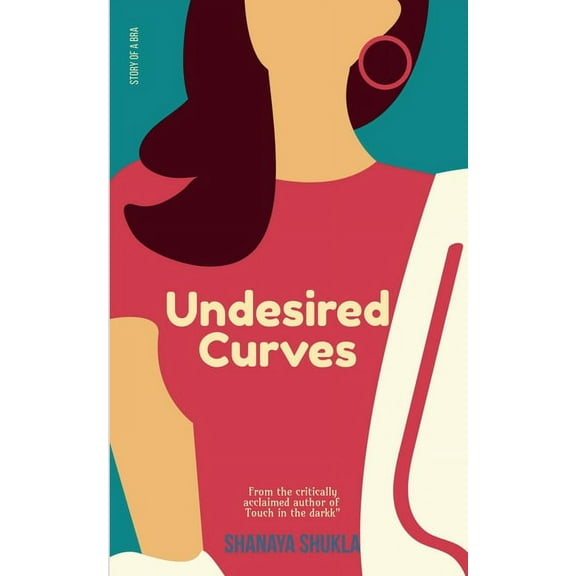
Undesired Curves, (Paperback) $9.99
 $999current price $9.99
Undesired Curves, (Paperback)
The Consistency Gap (Paperback) $13.39
 $1339current price $13.39
The Consistency Gap (Paperback)
Pre-Owned The Case for God (Paperback) 0307389804 9780307389800 $3.99 Was $4.44
 3 optionsAvailable in additional 3 options$399current price $3.99, Was $4.44$4.44
Pre-Owned The Case for God (Paperback) 0307389804 9780307389800
The Carbon Calculator, (Paperback) $11.86
 $1186current price $11.86
The Carbon Calculator, (Paperback)
GRINCH IMAGINE INK WITH STICKERS $2.00 Was $3.97
 $200current price $2.00, Was $3.97$3.97
GRINCH IMAGINE INK WITH STICKERS
15 out of 5 Stars. 1 reviews
Customer ratings & reviews
0 ratings|0 reviews
This item does not have any reviews yet
