


Abraham Lincoln’s Statesmanship and the Limits of Liberal Democracy (Hardcover)
(No ratings yet)
Key item features
This bold, groundbreaking study of American political development assesses the presidency of Abraham Lincoln through the lenses of governmental power, economic policy, expansion of executive power, and natural rights to show how Lincoln not only believed in the limitations of presidential power but also dedicated his presidency to restraining the scope and range of it.
Though Lincoln’s presidency is inextricably linked to the Civil War, and he is best known for his defense of the Union and executive wartime leadership, Lincoln believed that Congress should be at the helm of public policy making. Likewise, Lincoln may have embraced limited government in vague terms, but he strongly supported effective rule of law and distribution of income and wealth. Placing the Lincoln presidency within a deeper and more meaningful historical context, Abraham Lincoln’s Statesmanship and the Limits of Liberal Democracy highlights Lincoln’s significance in the development of American power institutions and social movement politics.
Using Lincoln’s prepresidential and presidential words and actions, this book argues that decent government demands a balance of competing goods and the strong statesmanship that Lincoln exemplified. Instead of relying too heavily on the will of the people and institutional solutions to help prevent tyranny, Jon D. Schaff proposes that American democracy would be better served by a moderate and prudential statesmanship such as Lincoln’s, which would help limit democratic excesses.
Schaff explains how Lincoln’s views on prudence, moderation, natural rights, and economics contain the notion of limits, then views Lincoln’s political and presidential leadership through the same lens. He compares Lincoln’s views on governmental powers with the defense of unlimited government by twentieth-century progressives and shows how Lincoln’s theory of labor anticipated twentieth-century distributist economic thought. Schaff’s unique exploration falls squarely between historians who consider Lincoln a protoprogressive and those who say his presidency was a harbinger of industrialized, corporatized America.
In analyzing Lincoln’s approach, Abraham Lincoln’s Statesmanship and the Limits of Liberal Democracy rejects the idea he was a revolutionary statesman and instead lifts up Lincoln’s own affinity for limited presidential power, making the case for a modest approach to presidential power today based on this understanding of Lincoln’s statesmanship. As a counterpoint to the contemporary landscape of bitter, uncivil politics, Schaff points to Lincoln’s statesmanship as a model for better ways of engaging in politics in a democracy.
Though Lincoln’s presidency is inextricably linked to the Civil War, and he is best known for his defense of the Union and executive wartime leadership, Lincoln believed that Congress should be at the helm of public policy making. Likewise, Lincoln may have embraced limited government in vague terms, but he strongly supported effective rule of law and distribution of income and wealth. Placing the Lincoln presidency within a deeper and more meaningful historical context, Abraham Lincoln’s Statesmanship and the Limits of Liberal Democracy highlights Lincoln’s significance in the development of American power institutions and social movement politics.
Using Lincoln’s prepresidential and presidential words and actions, this book argues that decent government demands a balance of competing goods and the strong statesmanship that Lincoln exemplified. Instead of relying too heavily on the will of the people and institutional solutions to help prevent tyranny, Jon D. Schaff proposes that American democracy would be better served by a moderate and prudential statesmanship such as Lincoln’s, which would help limit democratic excesses.
Schaff explains how Lincoln’s views on prudence, moderation, natural rights, and economics contain the notion of limits, then views Lincoln’s political and presidential leadership through the same lens. He compares Lincoln’s views on governmental powers with the defense of unlimited government by twentieth-century progressives and shows how Lincoln’s theory of labor anticipated twentieth-century distributist economic thought. Schaff’s unique exploration falls squarely between historians who consider Lincoln a protoprogressive and those who say his presidency was a harbinger of industrialized, corporatized America.
In analyzing Lincoln’s approach, Abraham Lincoln’s Statesmanship and the Limits of Liberal Democracy rejects the idea he was a revolutionary statesman and instead lifts up Lincoln’s own affinity for limited presidential power, making the case for a modest approach to presidential power today based on this understanding of Lincoln’s statesmanship. As a counterpoint to the contemporary landscape of bitter, uncivil politics, Schaff points to Lincoln’s statesmanship as a model for better ways of engaging in politics in a democracy.
Specs
- Book formatHardcover
- Fiction/nonfictionNon-Fiction
- Publication dateAugust, 2019
- Pages280
- EditionFirst Edition
- Original languagesEnglish
Current price is USD$31.68
Price when purchased online
- Free shipping
 Free 30-day returns
How do you want your item?
Columbus, 43215
Arrives between May 14 - May 20
|
Sold and shipped by newbookdeals
4.5607476635514015 stars out of 5, based on 1926 seller reviews(4.6)1926 seller reviews

Free 30-day returns
More seller options (1)
Starting from $50.10
About this item
Product details
This bold, groundbreaking study of American political development assesses the presidency of Abraham Lincoln through the lenses of governmental power, economic policy, expansion of executive power, and natural rights to show how Lincoln not only believed in the limitations of presidential power but also dedicated his presidency to restraining the scope and range of it.
This bold, groundbreaking study of American political development assesses the presidency of Abraham Lincoln through the lenses of governmental power, economic policy, expansion of executive power, and natural rights to show how Lincoln not only believed in the limitations of presidential power but also dedicated his presidency to restraining the scope and range of it.
Though Lincoln’s presidency is inextricably linked to the Civil War, and he is best known for his defense of the Union and executive wartime leadership, Lincoln believed that Congress should be at the helm of public policy making. Likewise, Lincoln may have embraced limited government in vague terms, but he strongly supported effective rule of law and distribution of income and wealth. Placing the Lincoln presidency within a deeper and more meaningful historical context, Abraham Lincoln’s Statesmanship and the Limits of Liberal Democracy highlights Lincoln’s significance in the development of American power institutions and social movement politics.
Using Lincoln’s prepresidential and presidential words and actions, this book argues that decent government demands a balance of competing goods and the strong statesmanship that Lincoln exemplified. Instead of relying too heavily on the will of the people and institutional solutions to help prevent tyranny, Jon D. Schaff proposes that American democracy would be better served by a moderate and prudential statesmanship such as Lincoln’s, which would help limit democratic excesses.
Schaff explains how Lincoln’s views on prudence, moderation, natural rights, and economics contain the notion of limits, then views Lincoln’s political and presidential leadership through the same lens. He compares Lincoln’s views on governmental powers with the defense of unlimited government by twentieth-century progressives and shows how Lincoln’s theory of labor anticipated twentieth-century distributist economic thought. Schaff’s unique exploration falls squarely between historians who consider Lincoln a protoprogressive and those who say his presidency was a harbinger of industrialized, corporatized America.
In analyzing Lincoln’s approach, Abraham Lincoln’s Statesmanship and the Limits of Liberal Democracy rejects the idea he was a revolutionary statesman and instead lifts up Lincoln’s own affinity for limited presidential power, making the case for a modest approach to presidential power today based on this understanding of Lincoln’s statesmanship. As a counterpoint to the contemporary landscape of bitter, uncivil politics, Schaff points to Lincoln’s statesmanship as a model for better ways of engaging in politics in a democracy.
Though Lincoln’s presidency is inextricably linked to the Civil War, and he is best known for his defense of the Union and executive wartime leadership, Lincoln believed that Congress should be at the helm of public policy making. Likewise, Lincoln may have embraced limited government in vague terms, but he strongly supported effective rule of law and distribution of income and wealth. Placing the Lincoln presidency within a deeper and more meaningful historical context, Abraham Lincoln’s Statesmanship and the Limits of Liberal Democracy highlights Lincoln’s significance in the development of American power institutions and social movement politics.
Using Lincoln’s prepresidential and presidential words and actions, this book argues that decent government demands a balance of competing goods and the strong statesmanship that Lincoln exemplified. Instead of relying too heavily on the will of the people and institutional solutions to help prevent tyranny, Jon D. Schaff proposes that American democracy would be better served by a moderate and prudential statesmanship such as Lincoln’s, which would help limit democratic excesses.
Schaff explains how Lincoln’s views on prudence, moderation, natural rights, and economics contain the notion of limits, then views Lincoln’s political and presidential leadership through the same lens. He compares Lincoln’s views on governmental powers with the defense of unlimited government by twentieth-century progressives and shows how Lincoln’s theory of labor anticipated twentieth-century distributist economic thought. Schaff’s unique exploration falls squarely between historians who consider Lincoln a protoprogressive and those who say his presidency was a harbinger of industrialized, corporatized America.
In analyzing Lincoln’s approach, Abraham Lincoln’s Statesmanship and the Limits of Liberal Democracy rejects the idea he was a revolutionary statesman and instead lifts up Lincoln’s own affinity for limited presidential power, making the case for a modest approach to presidential power today based on this understanding of Lincoln’s statesmanship. As a counterpoint to the contemporary landscape of bitter, uncivil politics, Schaff points to Lincoln’s statesmanship as a model for better ways of engaging in politics in a democracy.
info:
We aim to show you accurate product information. Manufacturers, suppliers and others provide what you see here, and we have not verified it.
Specifications
Book format
Hardcover
Fiction/nonfiction
Non-Fiction
Genre
Political & Social Sciences
Publication date
August, 2019
Warranty
Warranty information
Please be aware that the warranty terms on items offered for sale by third party Marketplace sellers may differ from those displayed in this section (if any). To confirm warranty terms on an item offered for sale by a third party Marketplace seller, please use the 'Contact seller' feature on the third party Marketplace seller's information page and request the item's warranty terms prior to purchase.
Similar items you might like
Based on what customers bought
Civil War Soldiers and Strategies Adelbert Ames, the Civil War, and the Creation of Modern America, (Paperback) $31.75
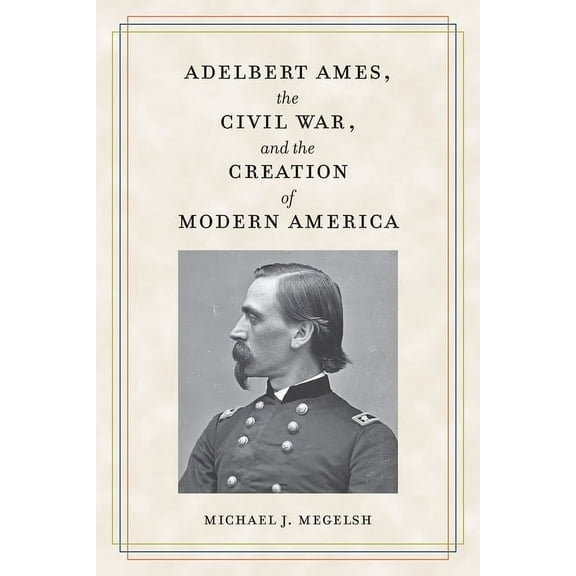 $3175current price $31.75
Civil War Soldiers and Strategies Adelbert Ames, the Civil War, and the Creation of Modern America, (Paperback)
Quiet Fire: The Spiritual Life of Abraham Lincoln, (Paperback) $21.77 Was $24.48
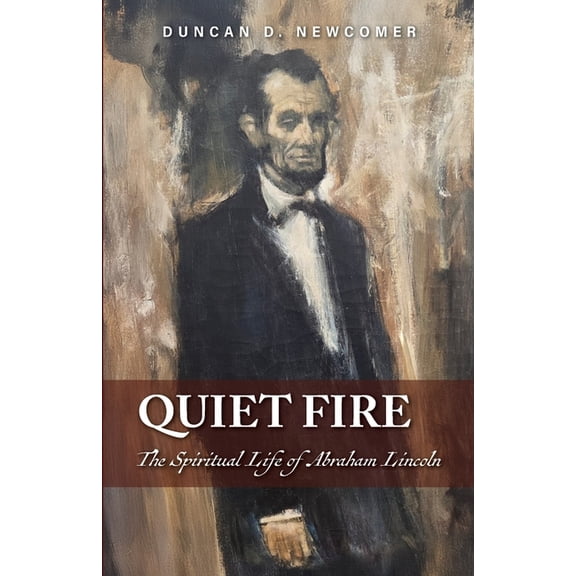 $2177current price $21.77, Was $24.48$24.48
Quiet Fire: The Spiritual Life of Abraham Lincoln, (Paperback)
Words of Abraham Lincoln (Hardcover) $29.95
 $2995current price $29.95
Words of Abraham Lincoln (Hardcover)
Alan B. and Charna Larkin the American P The War Worth Fighting: Abraham Lincoln's Presidency and Civil War America, (Hardcover) $31.82
 $3182current price $31.82
Alan B. and Charna Larkin the American P The War Worth Fighting: Abraham Lincoln's Presidency and Civil War America, (Hardcover)
Abraham Lincoln Seen From the Field in the war for the Union (Hardcover) $26.95
 $2695current price $26.95
Abraham Lincoln Seen From the Field in the war for the Union (Hardcover)
Recollections of Abraham Lincoln (Hardcover) $26.95
 $2695current price $26.95
Recollections of Abraham Lincoln (Hardcover)
Abraham Lincoln and the Bixby Letter, (Paperback) $20.33
 $2033current price $20.33
Abraham Lincoln and the Bixby Letter, (Paperback)
Simon & Schuster Lincoln Library Lincoln's Greatest Speech: The Second Inaugural, (Paperback) $5.25
 $525current price $5.25
Simon & Schuster Lincoln Library Lincoln's Greatest Speech: The Second Inaugural, (Paperback)
Selections From the Writings and Addresses of Abraham Lincoln (Hardcover) $32.59
 $3259current price $32.59
Selections From the Writings and Addresses of Abraham Lincoln (Hardcover)
Abraham Lincoln : Udgivet i anledning af hans hundrede-aars fodselsdag, den 12te Februar 1909 (Paperback) $17.95
 $1795current price $17.95
Abraham Lincoln : Udgivet i anledning af hans hundrede-aars fodselsdag, den 12te Februar 1909 (Paperback)
The South was Right, by S. A. Steel (Hardcover) $29.95 Was $36.36
 $2995current price $29.95, Was $36.36$36.36
The South was Right, by S. A. Steel (Hardcover)
Charles Sumner: Conscience of a Nation, (Paperback) $25.99
 $2599current price $25.99
Charles Sumner: Conscience of a Nation, (Paperback)
The Campaign of 1860, (Paperback) $23.48
 $2348current price $23.48
The Campaign of 1860, (Paperback)
The Tie That Bound Us: The Women of John Brown's Family and the Legacy of Radical Abolitionism, (Paperback) $38.37
 $3837current price $38.37
The Tie That Bound Us: The Women of John Brown's Family and the Legacy of Radical Abolitionism, (Paperback)
Our People Are Warlike: Civil War Pittsburgh and Home-Front Mobilization, (Hardcover) $28.07
 $2807current price $28.07
Our People Are Warlike: Civil War Pittsburgh and Home-Front Mobilization, (Hardcover)
The Complete Works of Abraham Lincoln (Hardcover) $27.27
 $2727current price $27.27
The Complete Works of Abraham Lincoln (Hardcover)
Secession, Coercion, and Civil war. The Story of 1861 .. (Paperback) $28.21
 $2821current price $28.21
Secession, Coercion, and Civil war. The Story of 1861 .. (Paperback)
Story of the American Civil War: Discover the Bloody Conflict That Shaped a Nation, (Hardcover) $15.00
 $1500current price $15.00
Story of the American Civil War: Discover the Bloody Conflict That Shaped a Nation, (Hardcover)
The Photographs of Abraham Lincoln, (Hardcover) $26.95
 $2695current price $26.95
The Photographs of Abraham Lincoln, (Hardcover)
American Abolitionism and Antislavery The Radical Advocacy of Wendell Phillips: Abolitionism, Democracy, and Public Interest Law, (Paperback) $29.92
 $2992current price $29.92
American Abolitionism and Antislavery The Radical Advocacy of Wendell Phillips: Abolitionism, Democracy, and Public Interest Law, (Paperback)
Customer ratings & reviews
0 ratings|0 reviews
This item does not have any reviews yet

Related pages
- Presidents War
- Best Sellers In Reconstruction History Of The U.S
- Best Sellers In U.S Revolution Founding History
- Rush Limbaugh Am 1290
- President Lincoln
- Lincoln Myth
- 19th Century United States History Books
- Revolutionary Period United States History Books
- General World Political Books
- Revolutionary History Books
- Civil War United States History Books
- European Political Books