

Hero image 0 of History of Andersonville Prison (Paperback), 0 of 1
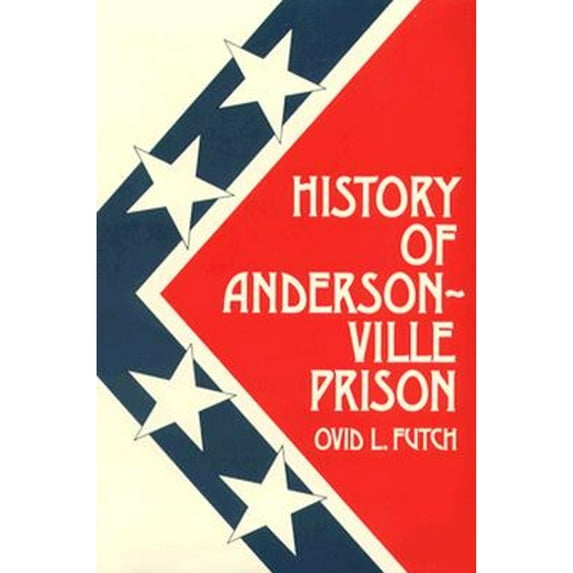
History of Andersonville Prison (Paperback)
(No ratings yet)
Key item features
In 1863, the Confederacy was compelled to relocate the concentration of prisoners of war in Richmond to a less vulnerable site. Not only was the importation of supplies for the prisoners taxing an overburdened transportation system, but the Richmond government needed every available soldier at the front and could not spare troops to guard the prisoners.
It was necessary, therefore, to move the Northern prisoners far into the interior, and the Confederate Secretary of War ordered Wapt. W. Sidney Winder to Georgia to find a suitable place for a camp. After meeting some local resistance, Winder (later commandant of the prison) selected a site in Sumter County north of Americus, in southwestern Georgia. Captain Richard B. Winder (Sidney’s cousin) was appointed quartermaster, with orders to build a stockade and arrange for maintenance.
Five hundred prisoners arrived at Andersonville in February 1864, the first of 32,000 men to be imprisoned there before the camp was closed by Federal forces in April 1865. Most of the prisoners suffered greatly—and 13,000 of them died—because of poor organization, meager supplies, the Federal government’s refusal to exchange prisoners, and often the cruelty of men and a government engaged in a losing battle for survival.
Why was this squalor, mismanagement, and waste allowed at Andersonville? Looking for an answer, Ovid Futch cut through charges and countercharges that have made the camp a subject of bitter controversy. He examined diaries and first-hand accounts of prisoners, guards, and officers, and both Confederate and Federal government records (including the transcript of the trial of Capt. Henry Wirz, the alleged “fiend of Andersonville”). Having sifted the evidence, Futch has determined the conditions that existed at Andersonville, how they were dealt with, and who was responsible.
Specs
- Book formatPaperback
- Fiction/nonfictionNon-Fiction
- Publication dateOctober, 1968
- Pages146
- Original languagesEnglish
- LanguageEnglish
More seller options (1)
Starting from $22.61
About this item
Product details
In 1863, the Confederacy was compelled to relocate the concentration of prisoners of war in Richmond to a less vulnerable site. Not only was the importation of supplies for the prisoners taxing an overburdened transportation system, but the Richmond government needed every available soldier at the front and could not spare troops to guard the prisoners.
It was necessary, therefore, to move the Northern prisoners far into the interior, and the Confederate Secretary of War ordered Wapt. W. Sidney Winder to Georgia to find a suitable place for a camp. After meeting some local resistance, Winder (later commandant of the prison) selected a site in Sumter County north of Americus, in southwestern Georgia. Captain Richard B. Winder (Sidney's cousin) was appointed quartermaster, with orders to build a stockade and arrange for maintenance.
Five hundred prisoners arrived at Andersonville in February 1864, the first of 32,000 men to be imprisoned there before the camp was closed by Federal forces in April 1865. Most of the prisoners suffered greatly--and 13,000 of them died--because of poor organization, meager supplies, the Federal government's refusal to exchange prisoners, and often the cruelty of men and a government engaged in a losing battle for survival.
Why was this squalor, mismanagement, and waste allowed at Andersonville? Looking for an answer, Ovid Futch cut through charges and countercharges that have made the camp a subject of bitter controversy. He examined diaries and first-hand accounts of prisoners, guards, and officers, and both Confederate and Federal government records (including the transcript of the trial of Capt. Henry Wirz, the alleged "fiend of Andersonville"). Having sifted the evidence, Futch has determined the conditions that existed at Andersonville, how they were dealt with, and who was responsible.
It was necessary, therefore, to move the Northern prisoners far into the interior, and the Confederate Secretary of War ordered Wapt. W. Sidney Winder to Georgia to find a suitable place for a camp. After meeting some local resistance, Winder (later commandant of the prison) selected a site in Sumter County north of Americus, in southwestern Georgia. Captain Richard B. Winder (Sidney's cousin) was appointed quartermaster, with orders to build a stockade and arrange for maintenance.
Five hundred prisoners arrived at Andersonville in February 1864, the first of 32,000 men to be imprisoned there before the camp was closed by Federal forces in April 1865. Most of the prisoners suffered greatly--and 13,000 of them died--because of poor organization, meager supplies, the Federal government's refusal to exchange prisoners, and often the cruelty of men and a government engaged in a losing battle for survival.
Why was this squalor, mismanagement, and waste allowed at Andersonville? Looking for an answer, Ovid Futch cut through charges and countercharges that have made the camp a subject of bitter controversy. He examined diaries and first-hand accounts of prisoners, guards, and officers, and both Confederate and Federal government records (including the transcript of the trial of Capt. Henry Wirz, the alleged "fiend of Andersonville"). Having sifted the evidence, Futch has determined the conditions that existed at Andersonville, how they were dealt with, and who was responsible.
In 1863, the Confederacy was compelled to relocate the concentration of prisoners of war in Richmond to a less vulnerable site. Not only was the importation of supplies for the prisoners taxing an overburdened transportation system, but the Richmond government needed every available soldier at the front and could not spare troops to guard the prisoners.
It was necessary, therefore, to move the Northern prisoners far into the interior, and the Confederate Secretary of War ordered Wapt. W. Sidney Winder to Georgia to find a suitable place for a camp. After meeting some local resistance, Winder (later commandant of the prison) selected a site in Sumter County north of Americus, in southwestern Georgia. Captain Richard B. Winder (Sidney’s cousin) was appointed quartermaster, with orders to build a stockade and arrange for maintenance.
Five hundred prisoners arrived at Andersonville in February 1864, the first of 32,000 men to be imprisoned there before the camp was closed by Federal forces in April 1865. Most of the prisoners suffered greatly—and 13,000 of them died—because of poor organization, meager supplies, the Federal government’s refusal to exchange prisoners, and often the cruelty of men and a government engaged in a losing battle for survival.
Why was this squalor, mismanagement, and waste allowed at Andersonville? Looking for an answer, Ovid Futch cut through charges and countercharges that have made the camp a subject of bitter controversy. He examined diaries and first-hand accounts of prisoners, guards, and officers, and both Confederate and Federal government records (including the transcript of the trial of Capt. Henry Wirz, the alleged “fiend of Andersonville”). Having sifted the evidence, Futch has determined the conditions that existed at Andersonville, how they were dealt with, and who was responsible.
info:
We aim to show you accurate product information. Manufacturers, suppliers and others provide what you see here, and we have not verified it.
Specifications
Book format
Paperback
Fiction/nonfiction
Non-Fiction
Genre
History/United States - Civil War Period (1850-1877)
Publication date
October, 1968
Warranty
Warranty information
Please be aware that the warranty terms on items offered for sale by third party Marketplace sellers may differ from those displayed in this section (if any). To confirm warranty terms on an item offered for sale by a third party Marketplace seller, please use the 'Contact seller' feature on the third party Marketplace seller's information page and request the item's warranty terms prior to purchase.
Customer ratings & reviews
0 ratings|0 reviews
This item does not have any reviews yet
