









Vionic in Fashion Brands











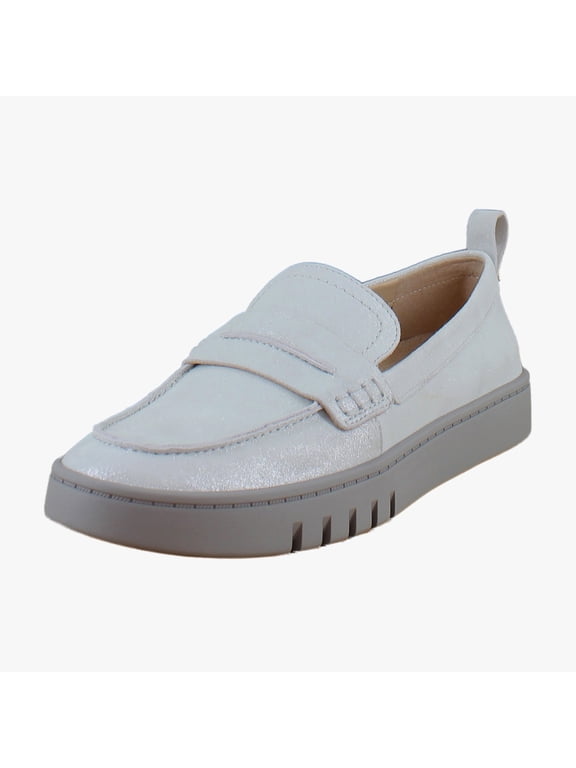


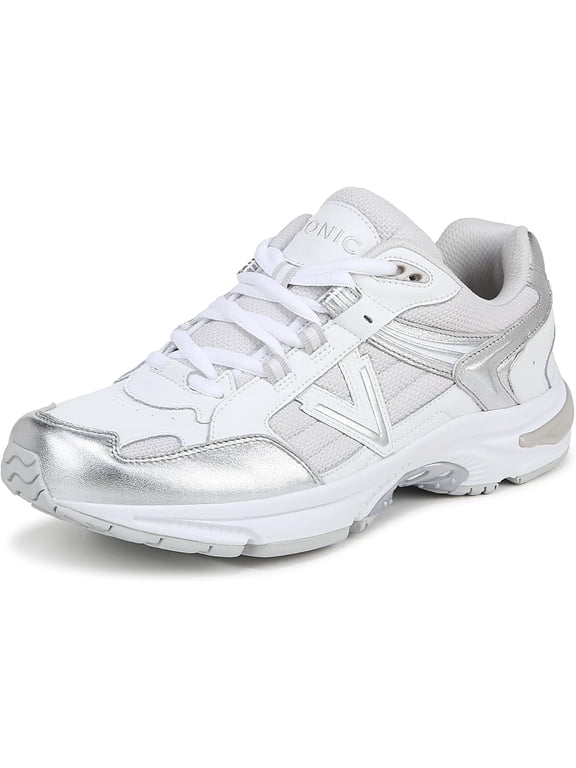
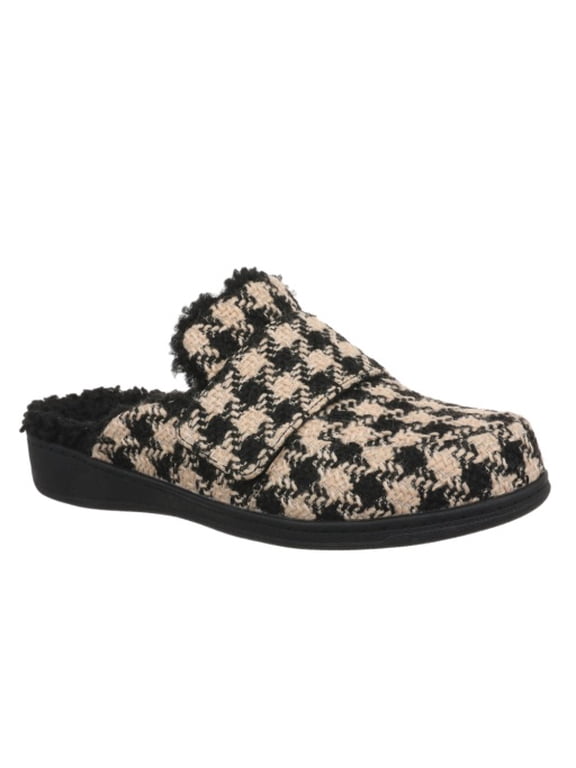
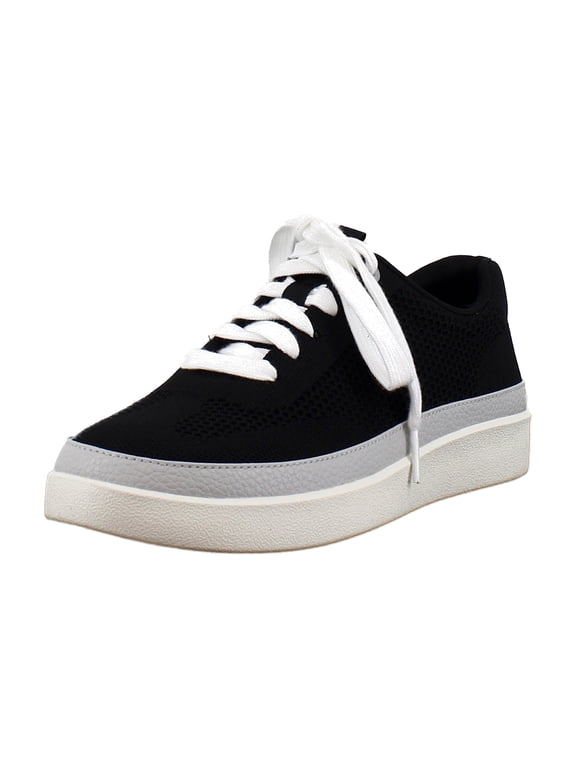








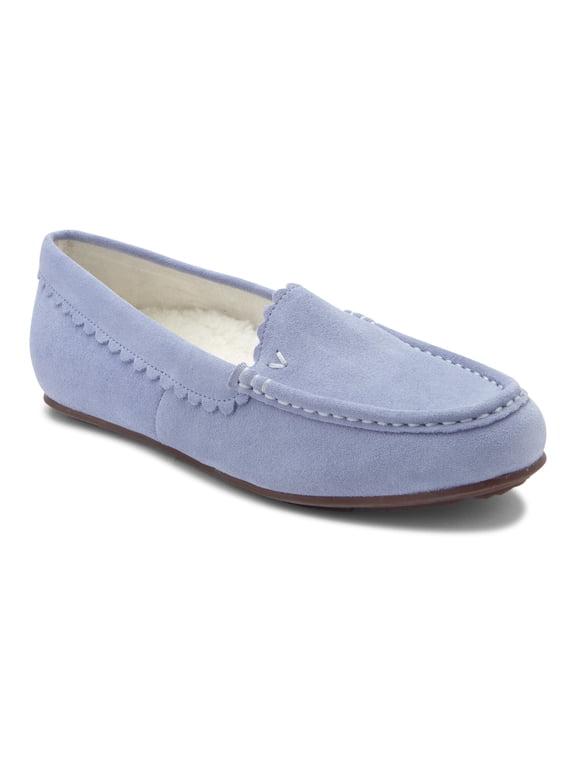
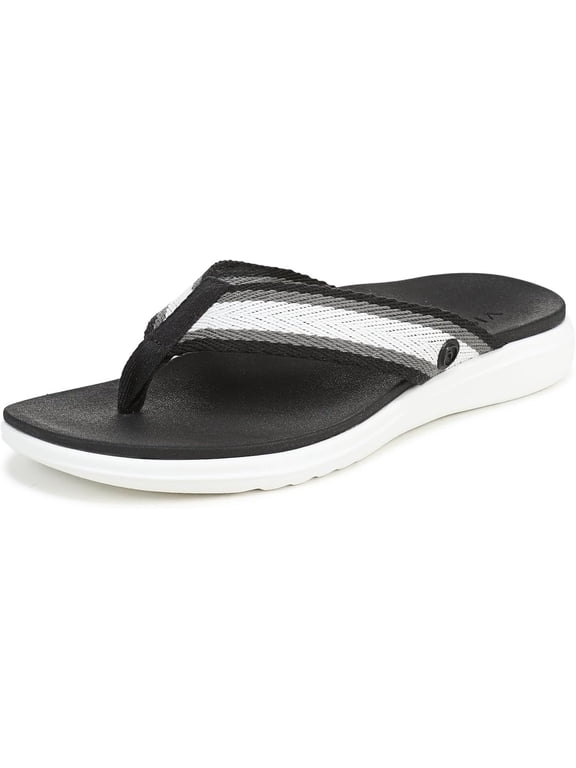
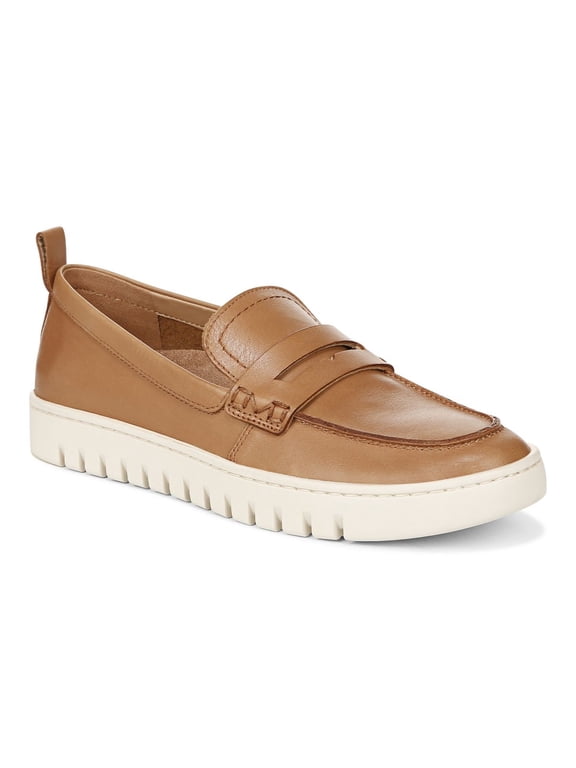


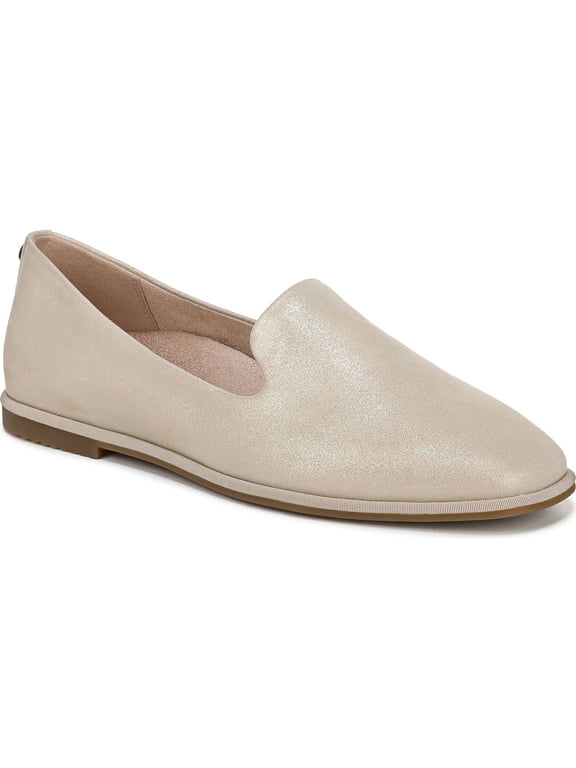










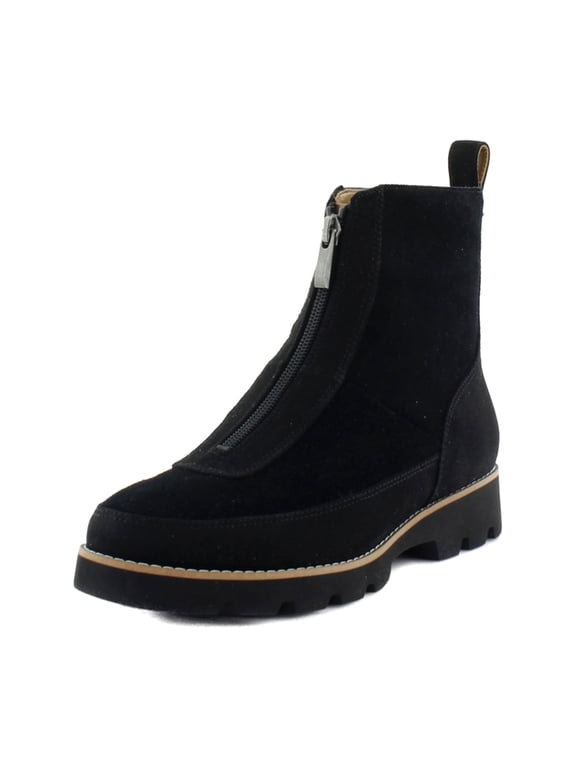


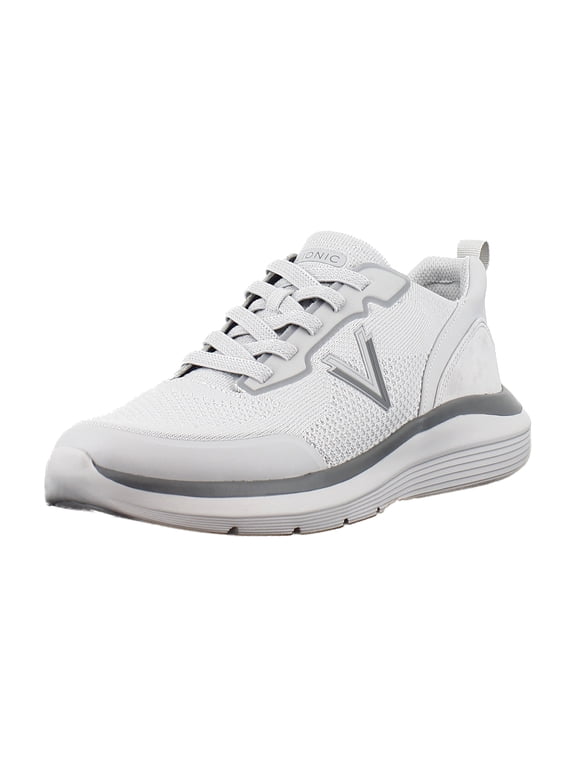


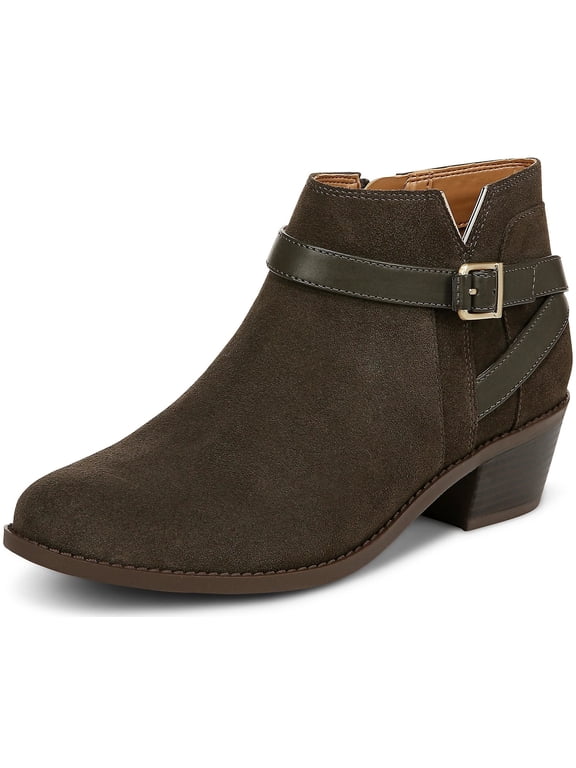


About Vionic in Fashion Brands - Walmart.com
Vionic shoes help you pair everyday style with built-in support for walking, commuting, and casual wear. You can compare sandals, sneakers, slippers, flats, and boots in one place, which makes brand shopping easier.
If you want supportive shoes without a clinical look, you can focus on designs that balance fashion and comfort. You’ll also find category choices that reflect key fit decisions, including arch support features, materials, and width options.
How to choose vionic shoes by shoe type
When you compare shoe types, you should start with where and how you’ll wear them most often. You can narrow your options faster when you match the silhouette to your daily routine.
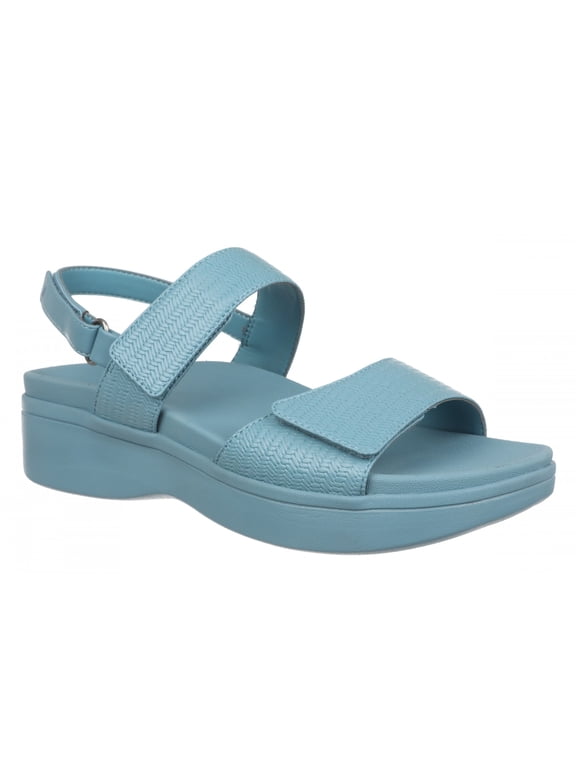
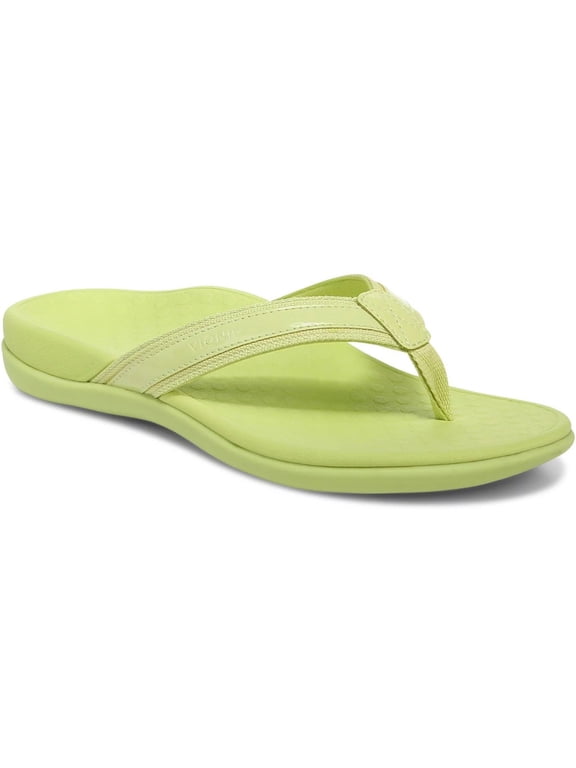
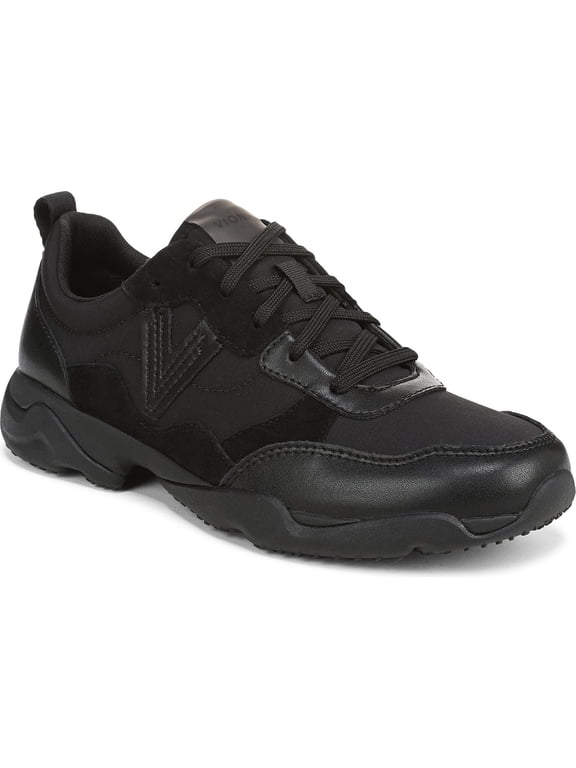
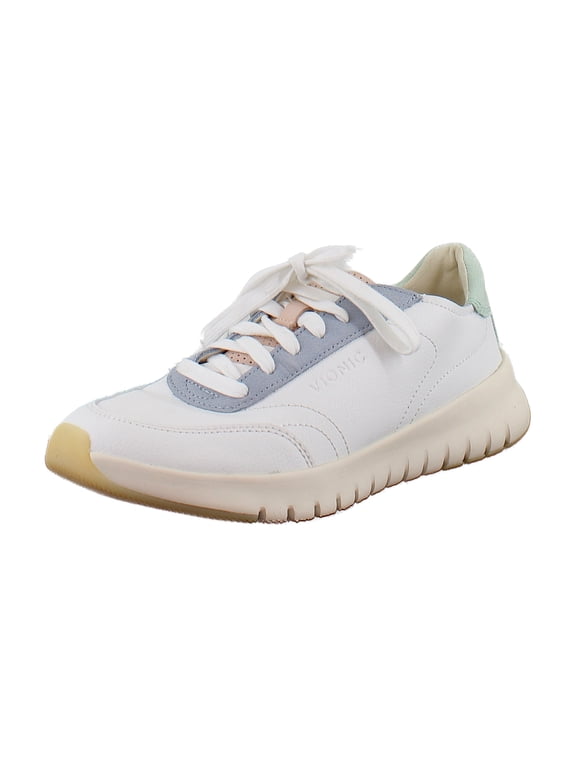
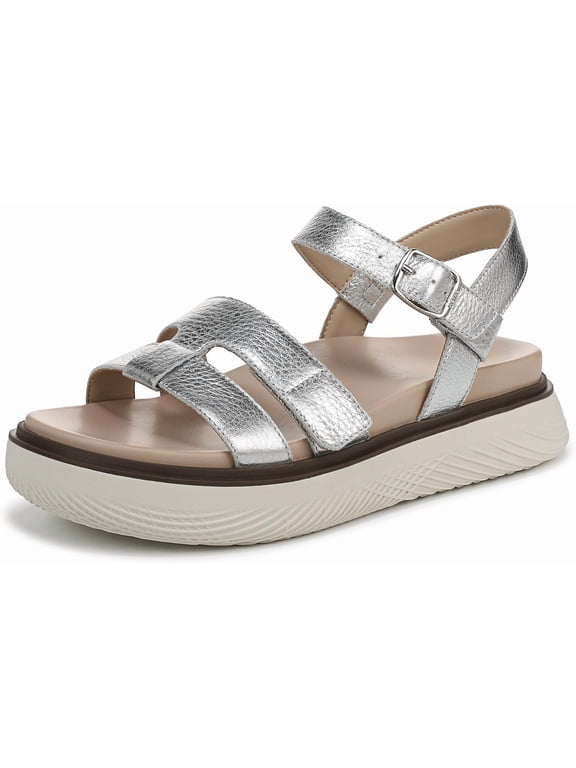
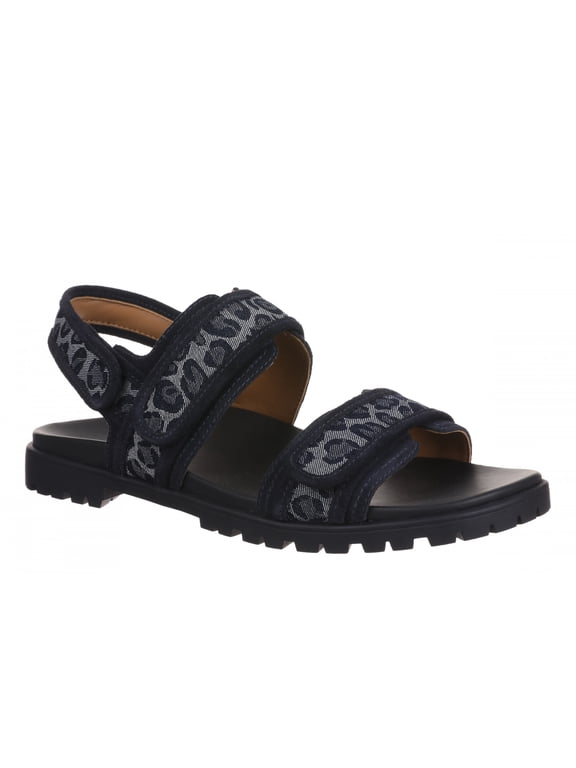
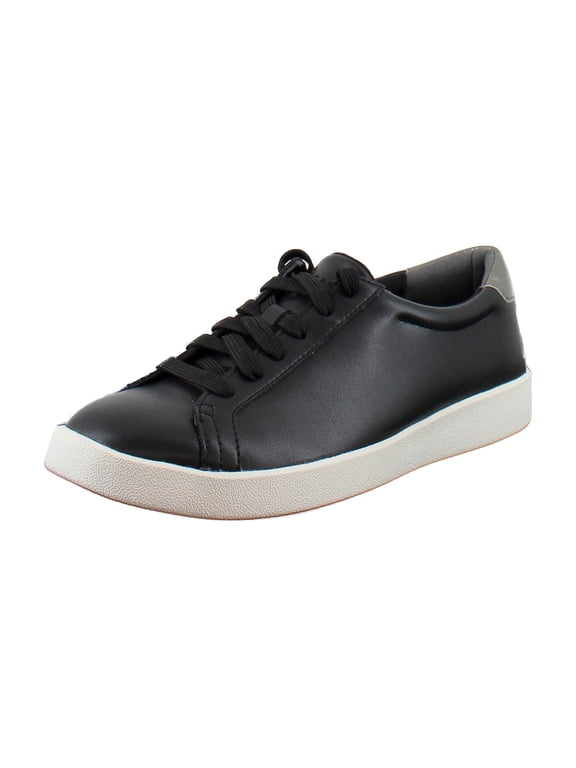
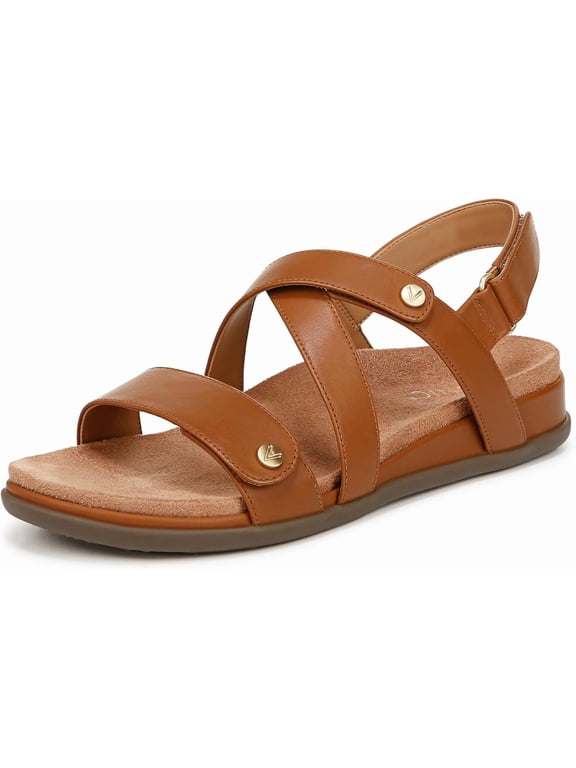
For warm weather, you may prefer vionic sandals that keep your outfit light while adding structured support underfoot. For errands or long walks, you may lean toward vionic sneakers with a more secure, active fit.
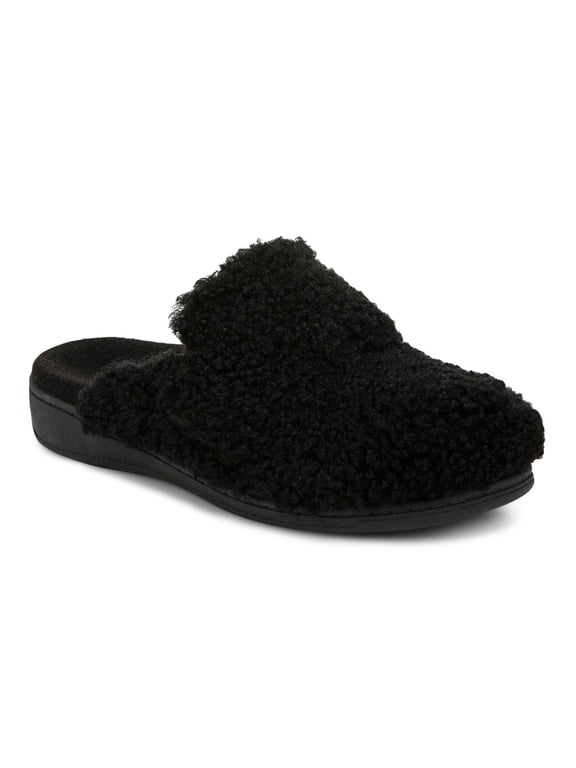
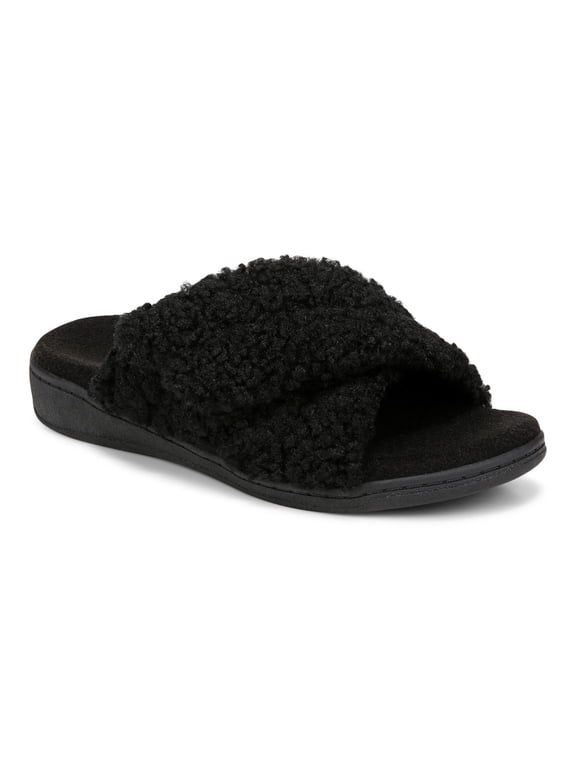
At home, you can choose vionic slippers when you want soft coverage with support that feels more intentional than basic house shoes. If you want a polished everyday look, you can consider flats or boots that work with workwear and weekend outfits.
- You can choose sandals for warm days, travel, and easy on-off wear.
- You can choose sneakers for walking routines, commuting, and all-day movement.
- You can choose slippers for indoor comfort with more structure under your feet.
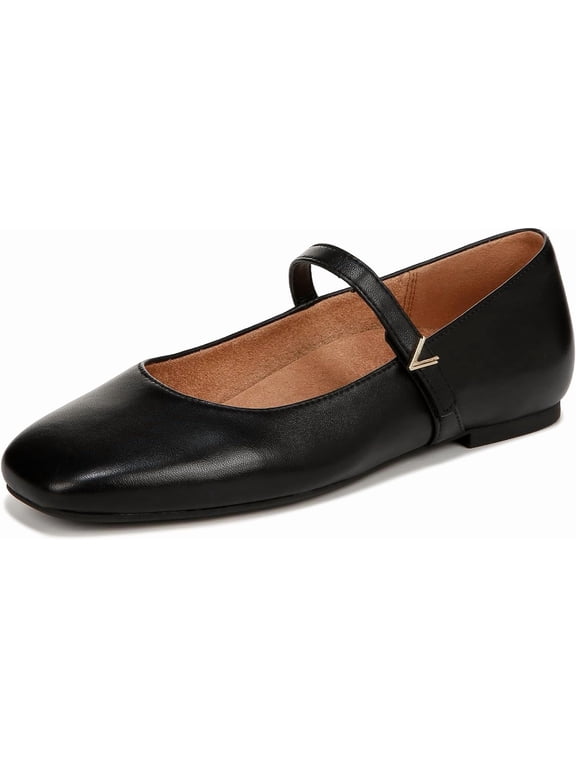
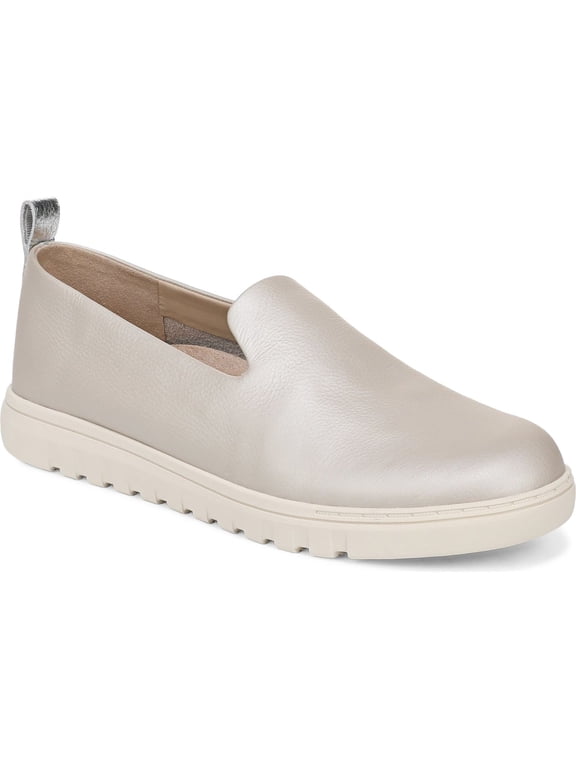
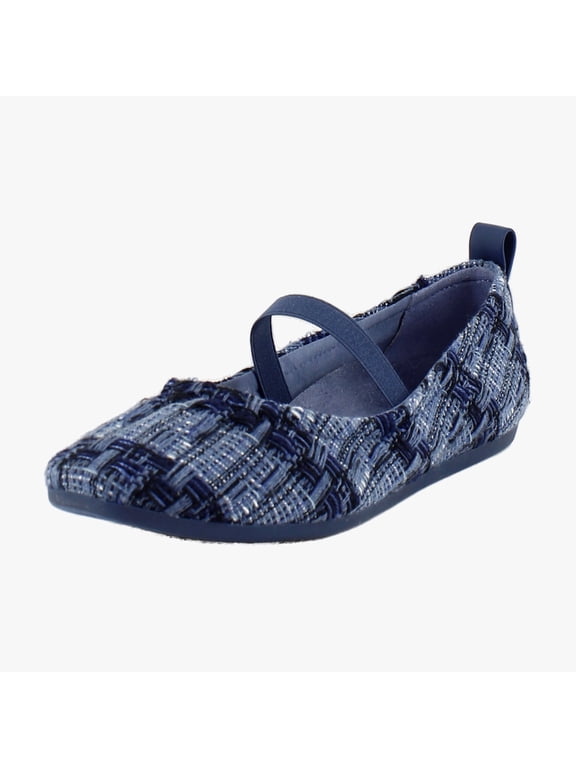
- You can choose flats for simple styling that still supports daily wear.
- You can choose boots for cooler weather and outfits that need more coverage.
Choosing support features in supportive shoes
Support level is one of the biggest decisions you’ll make when comparing arch support footwear. You should look for three-zone comfort, active arch support, and a deep heel cup because each detail changes how the shoe feels.
When you see three-zone comfort, you’re looking at support placed through the forefoot, arch, and heel. That setup can help you feel more balanced during longer wear and repeated steps.
Active arch support matters when you want orthotic shoes that feel integrated into the design. Instead of relying on a flat footbed, you can look for shaping that follows your foot more closely.
A deep heel cup is another useful feature to compare because it helps hold your foot in place. You may notice a steadier feel when you walk, especially in comfortable walking shoes with a more active profile.
If you’re deciding between casual styles, you should check whether the support is built into the footbed or insert. That detail helps you understand how much structure you’re getting from supportive shoes across different categories.
What to look for in materials and widths
Material affects how your shoes feel, flex, and coordinate with your wardrobe. You can use leather, suede, mesh, and canvas as simple filters when you compare comfort and style.
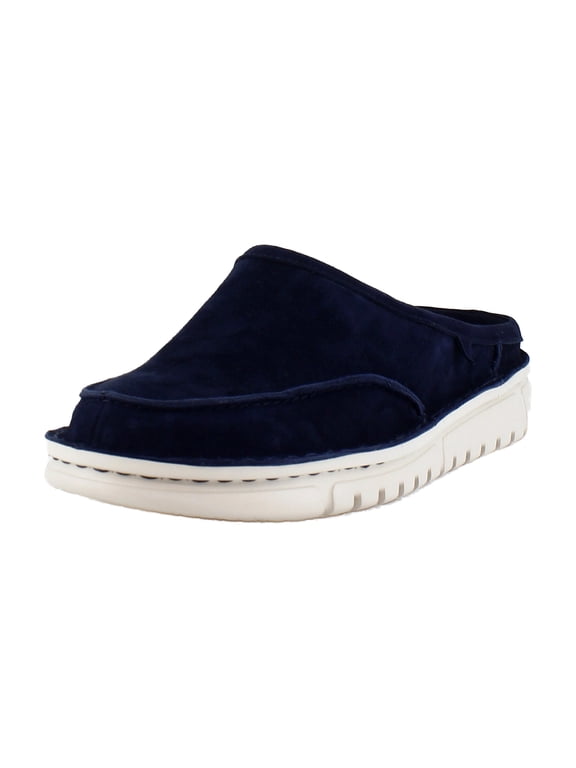
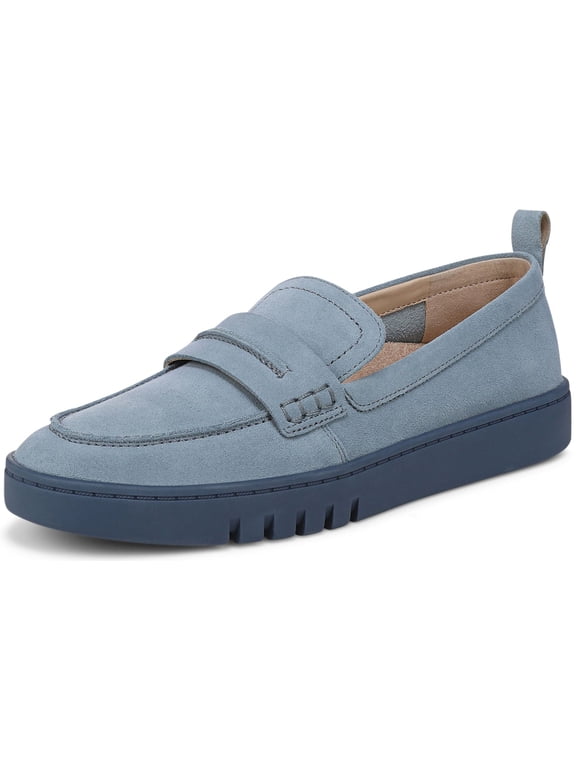
If you want a more polished finish, you may prefer leather for everyday outfits and office-friendly looks. If you want a softer texture, you can consider suede for cooler seasons and relaxed styling.
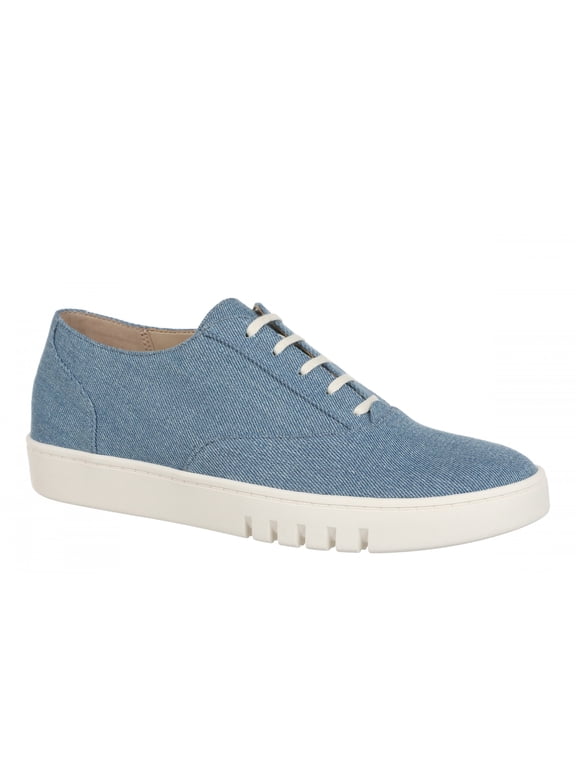
When breathability matters, you should look at mesh uppers that feel lighter during walks and active days. If you want a casual look, you can compare canvas styles that pair easily with denim and simple layers.
Width is another key decision, especially if you already know standard sizing feels restrictive. You should check whether medium or wide options are available so your fit feels more natural from the start.
For fit accuracy, you can compare product details that describe shape, closure style, and toe area. That extra information helps you decide whether you want vionic wide shoes, adjustable sandals, or lace-up sneakers.
How vionic sandals, sneakers, and slippers fit daily life
You can use vionic sandals for warm-weather outings, vacation packing, and everyday wear that still feels supported. Adjustable straps and contoured footbeds can make them easier to match to changing plans.
For active schedules, you can reach for vionic sneakers when your day includes walking routes, commuting, or long hours on your feet. A secure upper and supportive base can feel more consistent across busy routines.
At home, you can keep vionic slippers nearby when you want cozy coverage without giving up structure. That combination can feel especially useful when you move between hard floors, quick chores, and relaxed evenings.
If your style leans polished, you can choose flats that work with dresses, denim, and office basics. When temperatures drop, you can switch to boots that bring the same support focus into colder-weather outfits.
You may also compare orthotic shoes by how easily they move between settings. That matters when you want one pair for travel days, casual meals, and regular errands without changing your look.
How to compare style, fit, and brand-specific details
When you shop this brand, you’re often looking for support that doesn’t overpower your outfit. You can compare streamlined silhouettes, versatile neutrals, and everyday shapes that blend comfort with a fashion-first feel.
You should also read product details for terms like orthotic insert, deep heel cup, and three-zone comfort. Those technical details matter because they explain how the support is built into the design you’re considering.
If brand recognition matters to you, you may also notice styles associated with APMA acceptance in product information. You should still compare shoe type, material, width, and intended use so your choice fits your routine.
With vionic shoes, you can focus on clear decision points instead of guessing between similar pairs. That makes it easier for you to choose a supportive, wearable style that suits your day from the first step.